Why Do Dinosaurs Eat Pianos Joke: The Funny Answer
Dinosaurs eat pianos in this joke because they cannot play them, turning a piano into absurd food.
The “why do dinosaurs eat pianos joke” is a classic absurd joke built on a simple twist. It mixes a huge, extinct animal with a very modern instrument, then gives the dinosaur a silly reason to eat it. This guide explains the punchline, why it works, common versions, and how to tell it well.
The Basic “Why Do Dinosaurs Eat Pianos” Joke
The most common version is:
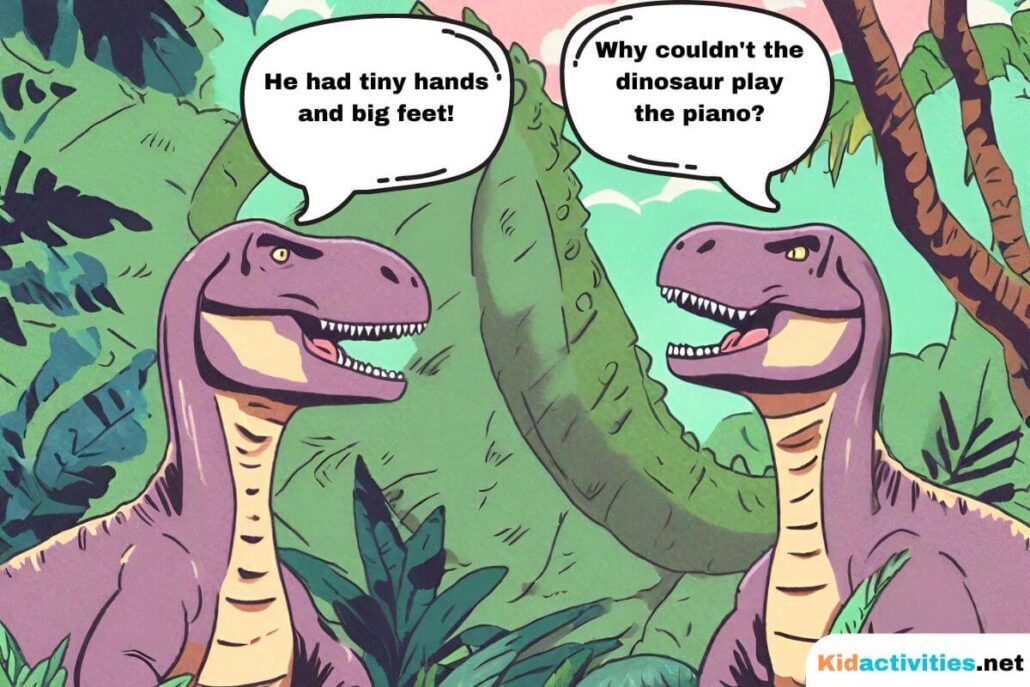
Why do dinosaurs eat pianos?
Because they do not know how to play them!
The humor comes from a false choice. A piano is not food, of course. Yet the punchline acts as if eating a piano is the natural result of not knowing how to play it.
That sudden jump from music to eating creates the surprise. In comedy, this is often called incongruity. The setup leads your mind toward one answer, but the punchline takes you somewhere completely unexpected.
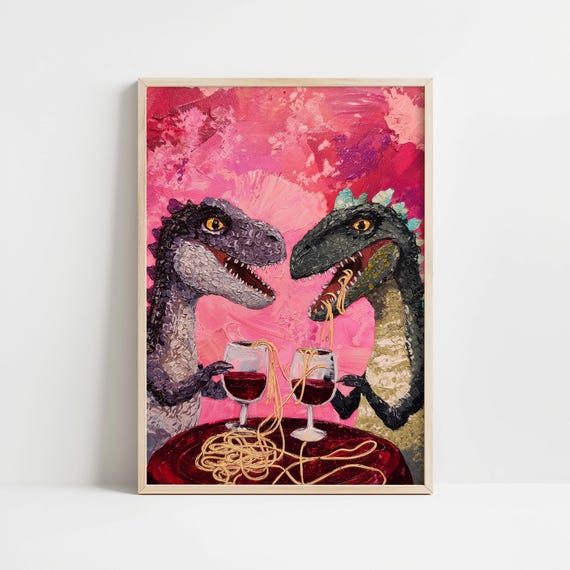
The why do dinosaurs eat pianos joke also works because dinosaurs are already linked with exaggeration. They are large, powerful, and wild. Imagining one casually eating a grand piano makes the image even more ridiculous.
Why This Dinosaur Joke Is Funny
The joke uses a few simple comedy tools. These tools help explain why children, families, and fans of silly humor often enjoy it.
1. It uses an unexpected connection
Most people connect pianos with music, lessons, concerts, or practice. They do not connect pianos with food. The joke breaks that normal pattern.
A dinosaur adds another layer. Dinosaurs lived millions of years ago, while pianos are much more recent. That time gap creates a funny mental picture.
2. It depends on a quick twist
The question sounds as if it needs a scientific answer. You may expect something about dinosaur teeth, diet, or fossils.
Instead, the answer is about playing music. The quick change in direction makes the punchline easy to understand and easy to remember.
3. It uses harmless nonsense
Good children’s humor often uses safe, silly ideas. The dinosaur does not hurt anyone. The piano is simply treated like an oddly shaped meal.
This makes the joke useful for classrooms, family gatherings, and short comedy routines. It is playful rather than cruel.
4. It creates a clear mental image
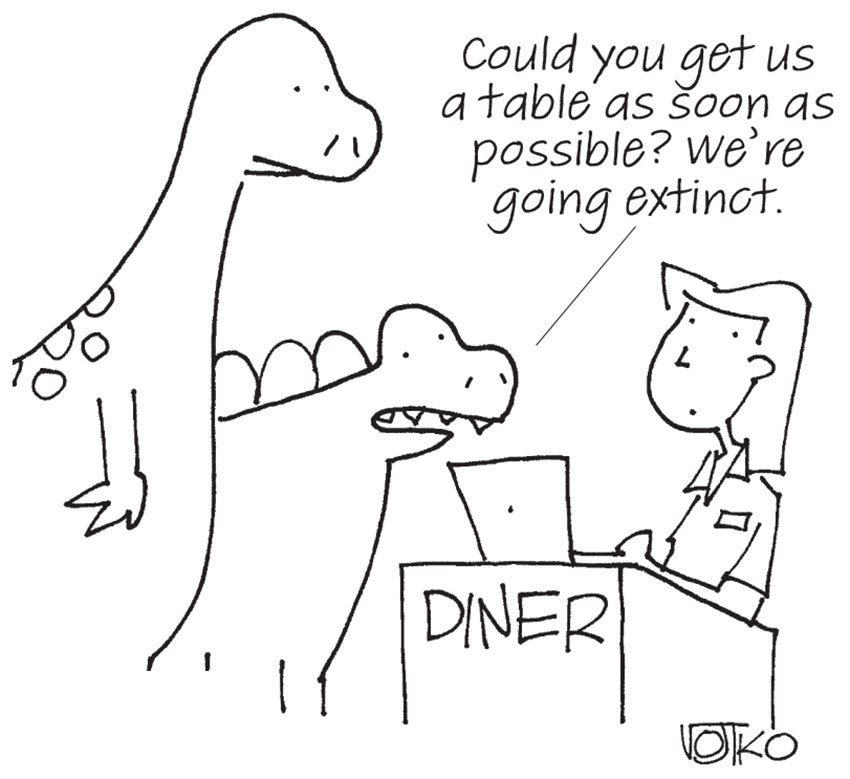
Picture a Tyrannosaurus rex standing over a piano. It opens its mouth and takes a bite because it cannot play “Chopsticks.” The image is so strange that the joke becomes funny before the words are even finished.
The best silly jokes often work like cartoons. They give your mind a scene that could never happen.
The Logic Behind the Punchline
The why do dinosaurs eat pianos joke is not based on real dinosaur behavior. It is based on wordplay and faulty logic.
The joke quietly suggests this idea:
- A person who cannot play a piano cannot use it as an instrument.
- The dinosaur sees the piano.
- Since it cannot play the piano, it eats it instead.
That reasoning is clearly silly. However, it follows a simple pattern. The listener can understand the “logic” in seconds, even while knowing it is absurd.
This is why the joke is easy for young audiences. It does not need complex cultural knowledge. The listener only needs to understand two facts:
• A piano is an instrument.
• Dinosaurs are often shown as creatures that eat things.
The punchline combines those facts in the wrong way. That mistake is the joke.
Why the wording matters
The phrase “Why do dinosaurs eat pianos?” is stronger than “Why did a dinosaur eat a piano?” The plural form makes the behavior sound common, as if every dinosaur has the same strange habit.
That broad claim adds to the silliness. It sounds like someone is presenting a serious fact about dinosaur culture.
The answer should also stay short. If the setup is long, the listener may lose the rhythm. A clean question and a quick answer usually get the best response.
Popular Variations of the Joke
The why do dinosaurs eat pianos joke has several possible versions. Some are close to the classic punchline, while others change the wordplay.
Here are a few family-friendly variations:
Why do dinosaurs eat pianos?
Because they cannot play them.
Why did the dinosaur eat the piano?
It wanted a musical snack.
Why did the dinosaur sit on the piano?
It wanted to play by ear.
What do you call a dinosaur who plays piano?
A dino-musician.
Why did the dinosaur avoid piano lessons?
It already had too many scales.
These versions do not all use the same joke structure. Some rely on literal absurdity, while others use musical puns. “Scales” is a simple example because dinosaurs may have scales, and music also uses scales.
Which version is best?
The classic answer is usually the clearest:
Because they do not know how to play them!
It has a strong setup and a direct punchline. It also keeps the joke suitable for young children.
A pun-based version may work better with older children or adults who enjoy wordplay. The best choice depends on your audience and the setting.
How to Tell the Joke Effectively
Comedy depends on timing. Even a simple joke can work well when you deliver it with confidence.
Try these steps when telling the why do dinosaurs eat pianos joke:
-
Ask the question in a serious voice.
Say, “Why do dinosaurs eat pianos?” as if you are sharing a scientific fact. -
Pause for a moment.
Give the listener time to guess the answer. A short pause builds interest. -
Deliver the punchline clearly.
Say, “Because they do not know how to play them!” -
Keep a straight face.
The more seriously you present the idea, the funnier the absurd answer may sound. -
Let the image do the work.
Do not explain the joke at once. Allow the listener to picture the dinosaur and piano.
A common mistake is adding too much explanation before the punchline. The joke works best when it moves quickly.
A practical example
Imagine telling it to a child who likes dinosaurs:
“Here is a dinosaur fact. Why do dinosaurs eat pianos?”
Pause.
“Because they do not know how to play them!”
The pretend seriousness makes the answer surprising. You can then ask the child to draw a dinosaur eating a piano. This turns the joke into a small creative activity.
In my experience explaining simple jokes, the biggest lesson is this: children often enjoy the image more than the wording. A drawing, toy dinosaur, or pretend piano can make the joke memorable.
Why Children Often Like This Type of Humor
The why do dinosaurs eat pianos joke fits several features of early humor development. Children often enjoy jokes that have clear setups, silly pictures, and easy answers.
The joke also gives children a chance to repeat a familiar format. Once they understand the pattern, they can create their own versions:
Why do dinosaurs eat drums?
Because they cannot beat them!