Best Compressor For Parallel Compression Drums: Top Pick
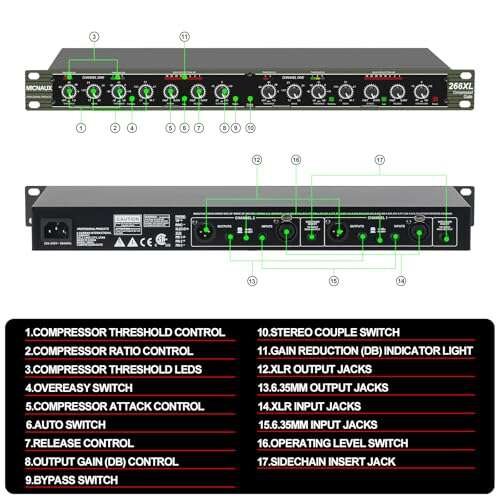
The MICNAUX dual-channel compressor is the best practical choice for parallel compression drums.
You know the problem: your drum bus sounds clean, but it lacks weight and excitement. Push the main compressor, and the kick loses punch while the snare turns flat. Parallel compression solves that by blending a heavily squashed drum signal under the dry mix. I look for a compressor with clear controls, useful sidechain options, low noise, and enough headroom. The MICNAUX fits that role far better than the unrelated brake tool listed below, which is not an audio compressor and should never be used for recording.
MICNAUX Dual-Channel Audio Compressor

The MICNAUX Audio Compressor is a 1U rack unit with two channels for studio, live, and streaming work. Its dual-channel layout makes it useful for a stereo drum bus or two separate drum groups. The unit also includes a noise gate and sidechain insert, which are valuable when you want tighter control over a busy drum mix. For parallel compression drums, those tools give me more control than a basic compressor with only threshold and ratio knobs.
I would place this compressor on a parallel drum path, set a fairly low threshold, and drive the signal until the room tone and sustain become lively. Then I would blend that compressed path under the dry drums. The sidechain insert may also help shape how the detector reacts, depending on the connected gear and routing setup. Its rack format suits a permanent studio rig, while its two-channel design gives it more range than a single-channel processor.
Pros:
- Dual-channel design works well for stereo drum buses
- Sidechain insert adds useful detector control
- Built-in noise gate can reduce unwanted bleed
- 1U rack format saves valuable studio space
- Useful for drums, vocals, bass, and live sources
- Hardware controls allow quick changes during tracking
- Can support a dedicated parallel compression signal path
Cons:
- Requires proper gain staging to avoid excess noise
- Rack hardware needs cables, power, and an audio interface with suitable outputs
- It does not offer the instant recall of a software plug-in
Witaxima 4-in-1 Brake Caliper Compressor Tool
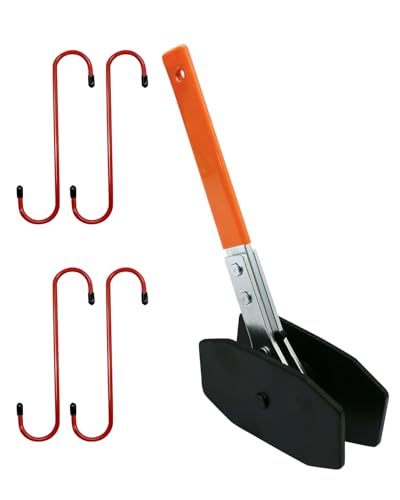
The Witaxima 4-in-1 tool is a mechanical brake caliper compressor for car repair. It is not an audio compressor, studio processor, dynamics plug-in, or recording accessory. I am including it because it appears in the supplied product list, but it cannot perform parallel compression drums or process an electrical audio signal. Its job is to push brake caliper pistons back during brake pad service.
For automotive work, the tool may be useful because it combines a caliper piston compressor, brake pad spreader, swing ratchets, and caliper hangers. That can make a brake repair task more organized. It has no threshold, ratio, attack, release, input, output, or sidechain controls. If your goal is the best compressor for parallel compression drums, this product should not be part of your studio purchase decision.
Pros:
- Useful for brake caliper maintenance
- Combines several automotive repair functions
- Includes caliper hangers for better workspace organization
- Mechanical operation needs no electrical power
- May help spread brake pads during service
Cons:
- Not an audio compressor
- Cannot process drums or any recording signal
- Has no audio inputs, outputs, or dynamic controls
- Completely unsuitable for parallel compression
My Recommendation
For recording, mixing, or live drum work, I recommend the MICNAUX. It is the only relevant audio product in this comparison, and its dual-channel format gives you a sensible route into parallel compression drums. The sidechain insert can help manage the detector, while the gate may reduce spill in less controlled tracking spaces. I would choose it for a small studio, project room, rehearsal rig, or live setup that needs physical controls.
The Witaxima belongs in a garage toolbox, not a rack case. It may be a practical car repair tool, but it cannot replace a hardware compressor or a plug-in. When searching for the best compressor for parallel compression drums, always confirm that the product is designed for audio and includes real dynamics controls. Product availability and pricing can change, so check the current Amazon listing before ordering.
| Best for | Why |
|---|---|
| Stereo drum bus compression | The MICNAUX has two channels and can suit a left-and-right drum path. |
| Live or project studios | Its rack format, gate, and sidechain features offer hands-on control. |
| Brake repair | The Witaxima is a mechanical caliper tool, not an audio device. |
What Is Parallel Compression for Drums?
Parallel compression blends two versions of the same drum performance. One version stays mostly natural. The other version receives strong compression. You then mix the compressed copy beneath the dry copy.
This method gives you two useful sounds at once. The dry channel keeps the kick attack, snare crack, and natural movement. The compressed channel adds body, sustain, room tone, and density. Think of it as adding a thick shadow behind the original drums.
Many engineers call this New York compression. The name refers to a classic mixing approach that became popular in large recording scenes. The idea remains simple, even when the equipment changes. You make one signal punchy and natural, then use another signal to make the kit feel larger.
A normal drum-bus compressor reduces the level of the complete mix. Parallel compression gives you a separate wet control. That separate fader matters because you can add weight without giving up the original attack. For this reason, the best compressor for parallel compression drums does not need to sound perfect when used alone. It needs to sound useful when blended.
Why Hardware Compression Still Matters in 2026
Modern plug-ins sound excellent. A good software compressor can match many classic hardware behaviors, and it offers instant recall. Still, hardware has a few practical strengths.
Physical controls make small changes fast. I can reach for attack, release, threshold, and output without opening a menu. That speed helps during tracking, rehearsals, and live mixing. A hardware unit can also encourage better decisions because I hear the change as I make it.
Hardware does require more care. You need suitable line outputs, balanced cables, and enough input and output gain control. You also need to document settings if you want easy recall. A plug-in wins for convenience, but a rack compressor can become a trusted part of the signal chain.
The MICNAUX is appealing because it combines two channels in one rack space. That matters when your setup has limited room. It can also serve other sources after the drum session, including bass, vocals, keyboards, and a mono room microphone.
How I Judge the Best Compressor for Parallel Compression Drums
I do not judge a compressor by its product name alone. I look at its controls, routing, noise behavior, headroom, and real use in a drum mix. A device can look impressive on a product page yet fail when the kick hits hard.
Control Range
Parallel compression often uses more gain reduction than normal bus compression. You may want a high ratio, a low threshold, and a fast release. The exact numbers depend on the source, but the compressor must offer enough range to create a clear contrast.
Basic controls still matter most. Threshold decides when compression begins. Ratio decides how strongly the signal is reduced. Attack controls how much of the initial hit passes through. Release controls how quickly the gain returns to normal.
For drums, attack and release shape the groove. A very fast attack can soften the click of a kick or the front edge of a snare. A slower attack can let the transient through before the compressor clamps down. A release that moves with the song can add energy, while a release that is too slow can make the kit feel tired.
Sidechain Options
A sidechain is the detector path that tells a compressor when to react. A sidechain insert lets you connect an external processor or filter in that detector path. This can help you make the compressor respond to selected parts of the drum mix.
For example, a strong kick may trigger too much gain reduction on the whole kit. Filtering the detector can reduce that effect. You can then add parallel density without letting one low hit pull the entire compressed path down.
Not every setup needs sidechain control. It becomes more useful when the drum mix is busy, the kick is very deep, or the room microphone contains a lot of low-end energy. The MICNAUX earns credit here because a sidechain insert gives advanced users room to shape the response.
Noise and Headroom
Heavy compression raises quiet details. It can bring out room sound, cymbal wash, headphone bleed, and system noise. This is part of the sound, but too much noise can make the mix feel harsh.
A noise gate may help when the recorded tracks contain gaps or unwanted spill. Use it with care. A gate that closes too quickly can cut off a snare tail or make the room sound unnatural. I prefer gentle settings and a release that follows the musical phrase.
Headroom also matters. Drums create sharp peaks, and parallel paths often receive high input levels. Set the output of your interface and the input of the compressor so the unit has space to work. Do not chase loudness at every stage.
Stereo Tracking and Channel Matching
A stereo drum bus needs stable left and right behavior. If one channel compresses more than the other, the drum image may move. That can make the kit feel narrow or off-center.
A dual-channel compressor can work in a stereo setup, but you should confirm how the channels link. Some units provide stereo linking. Others let each channel operate alone. If the channels remain independent, a loud hit on one side may change the balance.
When using two channels for parallel compression drums, begin with matched settings. Send the same amount of left and right signal. Listen for a centered kick and snare. Then make small changes only if the recording needs them.
How to Set Up Parallel Compression Drums
Start with your normal drum mix. Make the kick, snare, toms, overheads, and room microphones sound balanced without heavy compression. This dry mix remains the foundation.
Next, create an auxiliary bus or hardware send. Route the drum tracks to that path. If you use the MICNAUX as an insert, send the auxiliary output to the compressor input, then return the compressor output to a spare input or stereo return.
Keep the dry drums active. Do not mute the original path. The purpose of parallel compression is to combine the natural and compressed sounds.
On the compressed path, begin with a ratio around 4:1. Lower the threshold until the loud hits create clear gain reduction. For a more aggressive effect, use a higher ratio and drive the input harder. Watch the meters, but trust your ears.
Try a medium attack first. This often allows the snare and kick transient to pass before the compressor reduces the body. Use a release that returns the gain before the next important hit. If the compressor breathes with the groove, you are close.
Now lower the compressed return all the way. Bring it up slowly. Stop when the drums gain size and sustain. Then mute the return. If the mix suddenly feels smaller, the parallel path is doing useful work. If it sounds crushed even at a low level, reduce the compression or change the release.
Starting Settings for Different Drum Styles
Rock Drums
Rock drums often benefit from a clear snare hit and a strong room sound. Use a medium attack so the initial crack remains present. Try a medium-fast release that adds movement between hits.
Drive the parallel channel firmly, but keep the return level modest. The goal is not to hear a separate effect. The goal is to make the kit feel closer and more forceful.
Pop Drums
Pop mixes need control and space. A slower or medium attack can preserve the front edge of the kick and snare. Use less gain reduction than you would on a rock track.
Listen to the chorus. Parallel compression should make the chorus feel bigger without making the verse dull. Automate the return if the song needs more energy in selected sections.
Hip-Hop Drums
Hip-hop drums may need weight and a firm center. You can compress the kick and snare bus hard, then blend the result under the dry drums. A release timed to the beat can make the return pump in a musical way.
Watch the low end. If the kick dominates the detector, the rest of the compressed path may dip too far. A sidechain filter or external equalizer can help control that reaction.
Jazz and Acoustic Drums
Acoustic styles usually need more restraint. Heavy parallel compression can still work, but it may expose room noise and cymbal wash. Use a softer ratio, a gentler threshold, and a lower return level.
Preserve the natural dynamics. In this style, parallel compression should feel like a light lift, not a special effect. The dry path should remain the clear leader.
MICNAUX Features That Matter for Drum Mixing
The most useful MICNAUX feature for a drum setup is its two-channel format. You can use it on a stereo drum bus, a drum bus and room microphone, or two separate parallel groups. That flexibility helps you keep the rack simple.
The sidechain insert provides another level of control. It may let you shape the detector with an external equalizer or route a key signal, depending on your system. This is useful when the compressor responds too strongly to a low kick or a loud room track.
The noise gate can help in live rooms and rehearsal spaces. Drum microphones often capture more than the intended drum. A gate may reduce the quiet spill that heavy compression would otherwise reveal.
I would not treat the gate as a substitute for good microphone placement. Place microphones carefully first. Tune the gate second. Good source sound always beats aggressive repair.
The 1U rack design also suits a fixed setup. Mount it near your interface, patch bay, or mixer. Label the send and return cables. This small habit prevents many routing mistakes when you return to the session later.
Common Mistakes With Parallel Drum Compression
Using Only the Compressed Signal
If you mute the dry signal, you are no longer using parallel compression. You are simply compressing the drums. The sound may become flat, loud, or overly dense.
Keep both paths active. Let the dry path carry the attack. Let the compressed path carry the sustain and body.
Setting the Return Too Loud
A compressed return can sound exciting when soloed. That does not mean it belongs at the same level as the dry drums. Solo listening often encourages too much effect.
Set the return by listening to the full mix. Lower it until the effect almost disappears. Then mute it to confirm that it adds something useful.
Ignoring Cymbal Wash
Fast compression can lift the quiet part of every cymbal hit. A dense wash may cover vocals and guitars. This problem often appears after you add more gain to the parallel path.
Try filtering the compressed path, using a slower release, or reducing the return. You can also send only the kick and snare to the parallel bus if the overheads create too much wash.
Overloading the Input
More input level creates more compression. It can also create distortion, harshness, or unwanted noise. Set reasonable levels before you decide that the compressor needs more aggression.
Leave room for drum peaks. A strong sound does not require every meter to stay near the top.
Forgetting Phase and Routing
When you combine dry and processed paths, timing and phase can affect the sound. Hardware routing may add a small delay. Some interfaces or mixers can compensate for it, while others cannot.
If the blended drums lose low end or sound hollow, check the routing. Compare the dry and returned paths. A polarity switch or delay adjustment may solve the problem.
Hardware Compressor Versus a Software Plug-In
A software plug-in is often the easiest way to learn parallel compression. You can duplicate a drum bus, insert a compressor, and blend the copy. The cost is usually low, and you can save the exact settings with the session.
Hardware offers a different workflow. It can make tracking feel direct and tactile. It may also add a particular tone, though the exact sound depends on the circuit, gain level, converters, and the rest of the chain.
I would choose software if you need recall, many instances, or low cost. I would choose hardware if you want hands-on control, permanent routing, and a physical unit that can serve many sessions.
The best compressor for parallel compression drums depends on your room and workflow. A beginner may get better results from a plug-in because routing is easier. A small studio with a patch bay may gain more from a dual-channel rack processor.
How to Connect the MICNAUX to a Drum Bus
First, check the outputs on your audio interface or mixer. You need a send path that can feed the compressor. You also need an input that can receive its return.
Connect the send output to the MICNAUX input. Connect the MICNAUX output to a line input. Create an auxiliary return in your recording software. Set that return to unity or a sensible starting point.
Send the drum tracks to the auxiliary. Keep the main drum bus active. This creates the dry and compressed paths. If you want stereo processing, use the left and right channels consistently.
Start with conservative levels. Listen for hum, hiss, and clipping before you increase compression. If the return sounds noisy, check cables, interface gain, and the amount of gain reduction.
Use balanced connections when available. Keep power cables away from audio cables. Label every connection. These simple steps make hardware parallel compression much easier to manage.
Can the MICNAUX Work Outside Drum Mixing?
Yes, a two-channel compressor can serve many sources. You can use one channel for bass and one for vocals. You can process a stereo keyboard or synth. You can also compress a mono room microphone while leaving the main drum bus untouched.
For vocals, use a gentler ratio and slower attack. For bass, watch the release so the low notes do not pump. For live sound, use enough headroom to handle sudden peaks.
This wider use improves the value of the unit. You are not buying a box for one song or one drum style. You are adding a flexible dynamics processor to the studio.
Still, do not assume every source needs compression. A compressor should solve a problem or create a clear musical result. If the source already sounds controlled, more processing may only remove life.
What to Look For Before Buying
Input and Output Format
Confirm that the unit matches your mixer or interface. Look for the connector types you need, such as XLR or TRS. Also confirm whether the listed connections operate at the line level required by your system.
Stereo Link Behavior
If you plan to process a stereo drum bus, find out how the channels link. Linked channels help maintain a stable stereo image. Independent channels can still work, but you must monitor the balance closely.
Metering
Clear meters help you see input level and gain reduction. They do not replace your ears, but they reveal sudden peaks and uneven channel behavior. Good metering is especially useful when you compress drums hard.
Sidechain Access
A sidechain insert can make a basic compressor more flexible. It lets you control what the detector hears. This feature matters most when the kick, room, or cymbals cause unwanted pumping.
Gate Controls
A gate can clean up quiet bleed, but it must offer useful timing controls. Look for attack, hold, and release behavior that suits the source. Always audition a gate in the full mix.
Build and Support
Rack hardware should feel stable and easy to operate. Check the front-panel layout and the seller’s return policy. Product pages can change, so review current specifications before placing an order.
Is Parallel Compression Safe for Drum Transients?
Yes, when you blend it correctly. The dry signal protects the original transient, while the compressed path adds support underneath. This is one reason the method works so well on drums.
The risk comes from excessive compression on the main path or an overly loud return. If the snare loses its edge, slow the attack or reduce the compressed level. If the kick loses impact, check both the attack setting and the detector response.
Use bypass often. Compare the processed sound at the same perceived loudness as the unprocessed sound. Louder does not always mean better.
FAQs Of best compressor for parallel compression drums
What is the best compressor for parallel compression drums?
The MICNAUX dual-channel audio compressor is the best option in this supplied list. Its two channels, sidechain insert, gate, and rack format suit a practical drum setup. A software plug-in may be better if you need instant recall and unlimited instances.
Should I compress the dry drum signal?
Usually, keep the dry signal fairly natural. Compress the duplicate or auxiliary path more heavily, then blend it underneath. This keeps the attack while adding body and sustain.
What ratio works for parallel drum compression?
Start around 4:1 and adjust by ear. Many engineers use higher ratios for a more obvious effect. The return level matters as much as the ratio, so avoid judging the compressor while the blend is too loud.
Do I need a sidechain filter for drums?
No, but it can help. A sidechain filter may stop a deep kick from causing too much gain reduction. It is useful when the compressed return pumps in a distracting way.
Can the Witaxima tool compress an audio signal?
No. The Witaxima is a mechanical brake caliper tool. It has no audio circuit and cannot perform parallel compression drums.
Final Verdict: Which Should You Buy?
The MICNAUX is the clear choice for the best compressor for parallel compression drums. Its dual channels, sidechain insert, gate, and rack design offer useful control for studio and live work.
Buy the Witaxima only for brake repair. For drum mixing, check the current MICNAUX Amazon listing, confirm your connections, and blend the compressed path with care.

Senior Music Reviewer
Alex Carter is a seasoned music reviewer with over a decade of experience in the world of sound and instruments. Passionate about helping musicians and enthusiasts make informed choices, he brings sharp insights and in-depth knowledge to every review. From classical instruments to modern gear, Alex combines technical expertise with a love for music to deliver content that resonates with readers.
As a Senior Music Reviewer and expert author on Tuneluma.com, Alex is dedicated to sharing honest evaluations, practical advice, and thoughtful commentary to guide readers in their musical journey.