What Is A Fill In Drumming: Easy Beginner Guide
A drum fill is a short rhythmic phrase that connects sections, adds energy, or highlights a key moment in music.
If you have ever heard a drummer play a quick burst before a chorus, you have heard a fill. Learning what is a fill in drumming helps you understand how drummers shape songs, build excitement, and move smoothly from one section to the next. This guide explains the idea from a practical playing and teaching view, with clear examples you can use at the kit.
What Is a Fill in Drumming?
A drum fill is a brief change from the main drum beat. It often happens at the end of a musical phrase, such as before a chorus, verse, bridge, or final hit. The drummer may use the snare, toms, bass drum, cymbals, or any mix of them.
In simple terms, a fill is like a musical comma. It creates a small pause or change before the song continues. The main groove is the sentence, while the fill helps guide the listener into the next idea.
When asking what is a fill in drumming, it is useful to separate a fill from a random collection of drum hits. A good fill has a purpose. It supports the song, matches the beat, and leads naturally into what comes next.
A fill can last for:
• Half a beat
• One beat
• One bar
• Several bars in advanced music
Most fills are short. Their power comes from timing, not length.
Why Do Drummers Use Fills?
Drummers use fills to add movement and make a song feel alive. Without any changes, a groove can become flat. A well-placed fill gives the listener a clear sign that something new is about to happen.
The main reasons for using a drum fill include:
• Connecting song sections: A fill can lead from a verse into a chorus.
• Marking musical phrases: Many songs change after four, eight, or sixteen bars.
• Building energy: Faster notes and rising tom patterns can increase excitement.
• Creating contrast: A quiet groove followed by a sharp fill can make the next section feel bigger.
• Supporting other musicians: A fill can match a guitar riff, vocal line, or horn accent.
• Showing musical personality: Drummers often use fills to express their style.
The best drummers do not fill every space. They listen first. A fill should add value, not compete with the singer or main melody.
In my experience teaching beginner drummers, one common mistake is trying to fill whenever the player feels nervous. This often makes the beat less steady. It is better to play a simple fill with strong timing than a complex fill that loses the pulse.
When Does a Drum Fill Happen?
A drum fill often appears at the end of a musical phrase. In popular music, this frequently means the last beat of the fourth, eighth, or sixteenth bar. However, there is no rule that limits fills to those spots.
You may hear a fill:
• Before a chorus
• Before a verse
• At the end of a song
• During a vocal pause
• Under a guitar or bass change
• Before a major accent
• During a breakdown
• Between repeated sections
For example, a drummer may play a steady rock beat for seven bars. In the eighth bar, the drummer might use a short snare and tom fill before the chorus begins. This gives the band a clear sense of direction.
A fill does not always need to happen at the end of a bar. Some modern music uses fills in the middle of a phrase. Funk, jazz, gospel, hip-hop, and progressive rock may place fills in unusual spaces.
When learning what is a fill in drumming, focus on musical timing rather than fixed rules. Listen for moments where the song seems to ask for movement.

Common Types of Drum Fills
There are many types of drum fills. Each one creates a different sound and feel. Beginners should learn a few simple patterns before trying advanced combinations.
Snare Drum Fills
A snare fill uses single hits, double hits, accents, or rhythmic patterns on the snare drum. It is one of the easiest fills to learn.
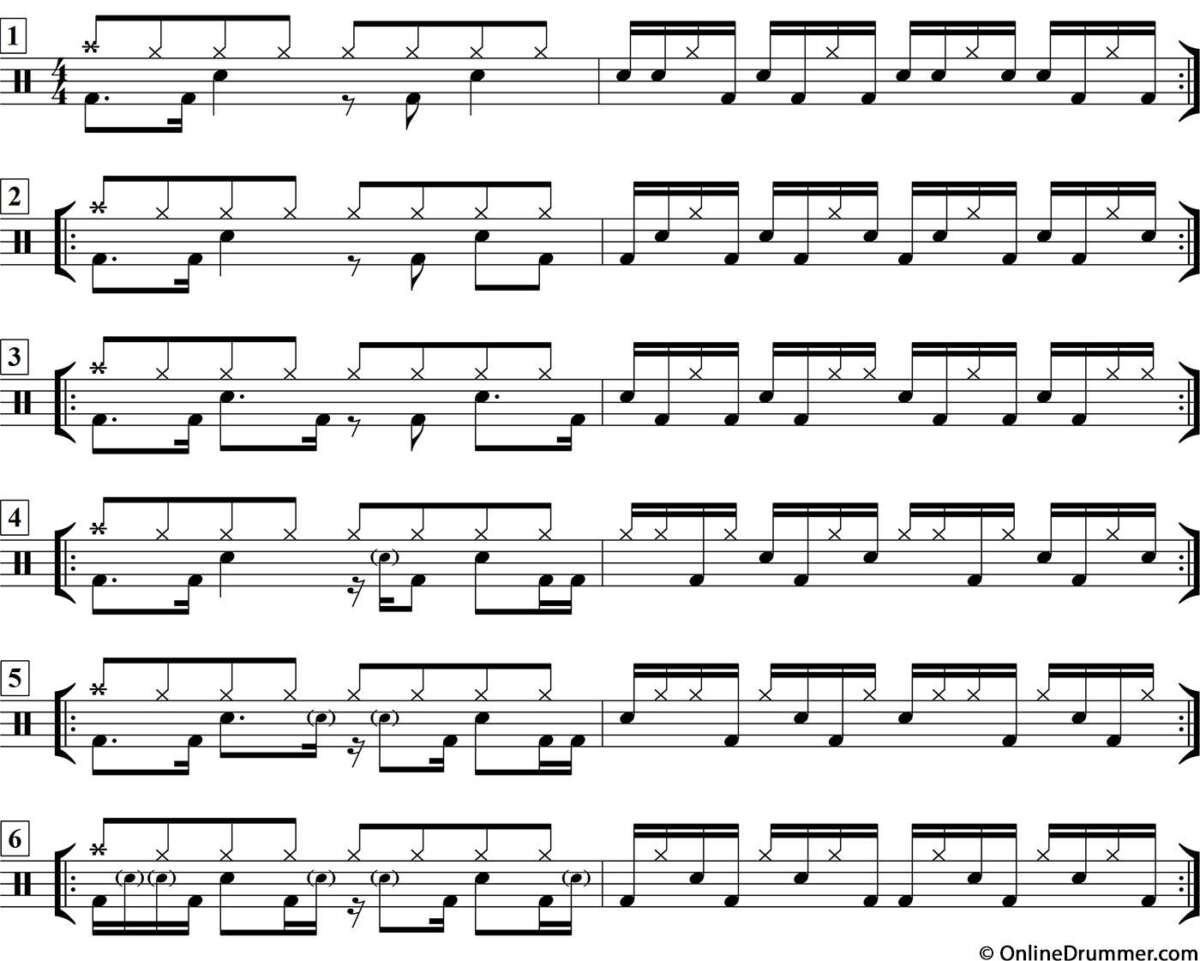
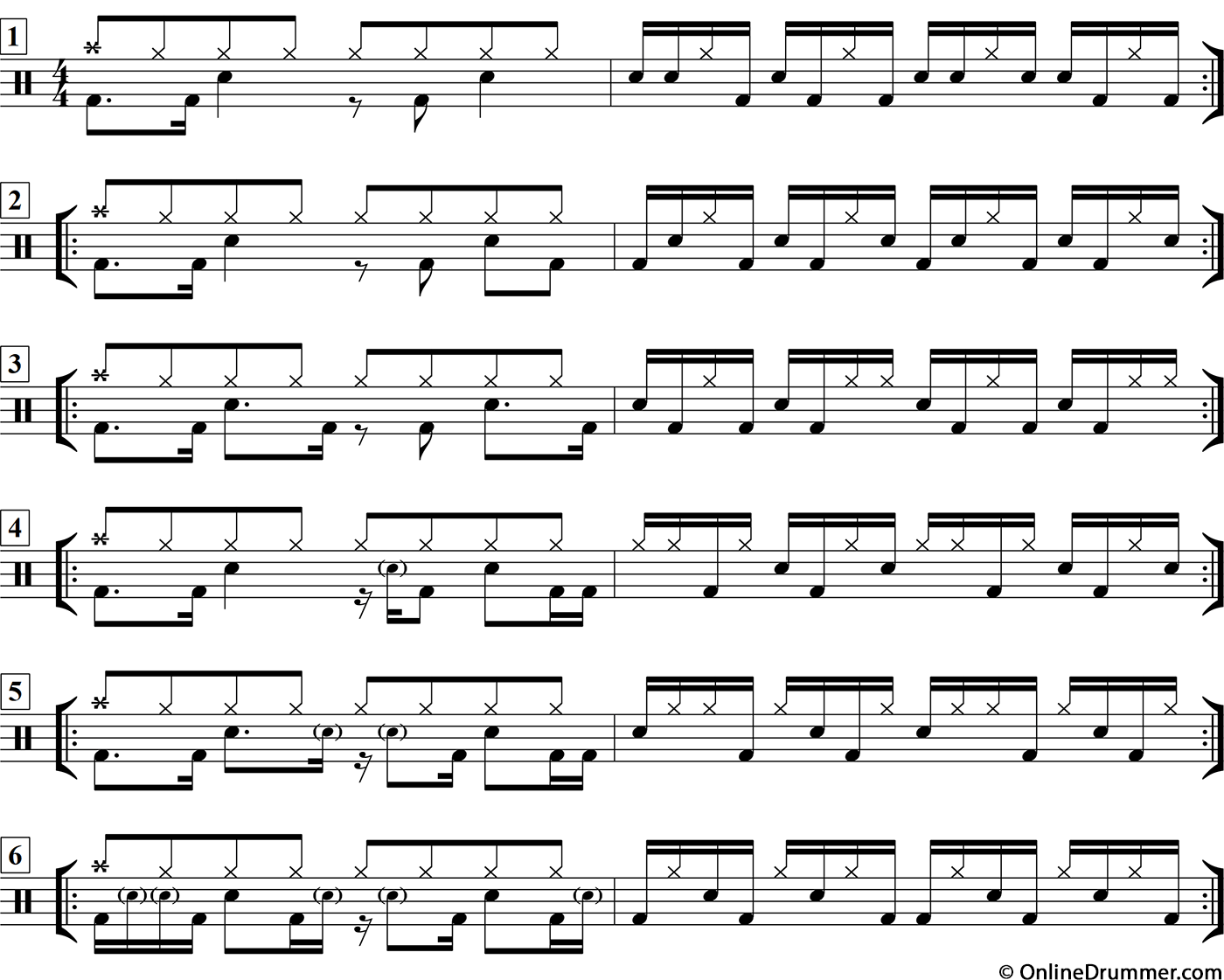
A basic example in 4/4 time is:
• Beat 4: Play four even snare notes.
This pattern can lead into a chorus without disturbing the tempo. You can also play snare accents on beats 2 and 4, then add extra notes near the end of the bar.
Tom Fills
Tom fills move around the high, middle, and floor toms. They often sound wide and dramatic.
A simple tom pattern might move like this:
• High tom
• Middle tom
• Floor tom
• Crash cymbal
The movement from a higher drum to a lower drum creates a sense of falling or landing. This is common in rock, pop, and arena music.
Bass Drum Fills
Bass drum fills use the kick drum to create low rhythmic accents. They can sound strong and powerful, especially when combined with the snare.
For example, you might play:
• Kick on beat 1
• Kick and snare together on beat 2
• Two kick notes on beat 3
• A crash on beat 4
Bass drum fills require control. Keep your foot relaxed and make sure the notes line up with the rest of the kit.
Cymbal Fills
Cymbals can add color to a fill. Crash cymbals often mark the start of a new section. China cymbals, splashes, and rides can create different effects.
Use cymbals with care. Too many loud cymbal hits can cover the vocals and make a recording sound harsh.
Linear Drum Fills
A linear fill avoids playing certain limbs at the same time. For example, the right hand, left hand, right foot, and left hand may each play separate notes.
Linear fills can sound clean and detailed. They are common in funk, R&B, fusion, and modern gospel drumming.