What Is A Bass Drum: Complete Beginner’s Guide
A bass drum is a large percussion instrument that creates deep, low sounds to support rhythm, power, and musical movement.
When people ask what is a bass drum, they are usually asking about more than its size. This instrument appears in marching bands, orchestras, drum sets, concert bands, rock groups, and many world music traditions. Its low pulse can feel like a heartbeat, giving music weight and direction. This guide explains how a bass drum works, where it came from, how to play it, and how to choose and care for one.
What Is a Bass Drum?
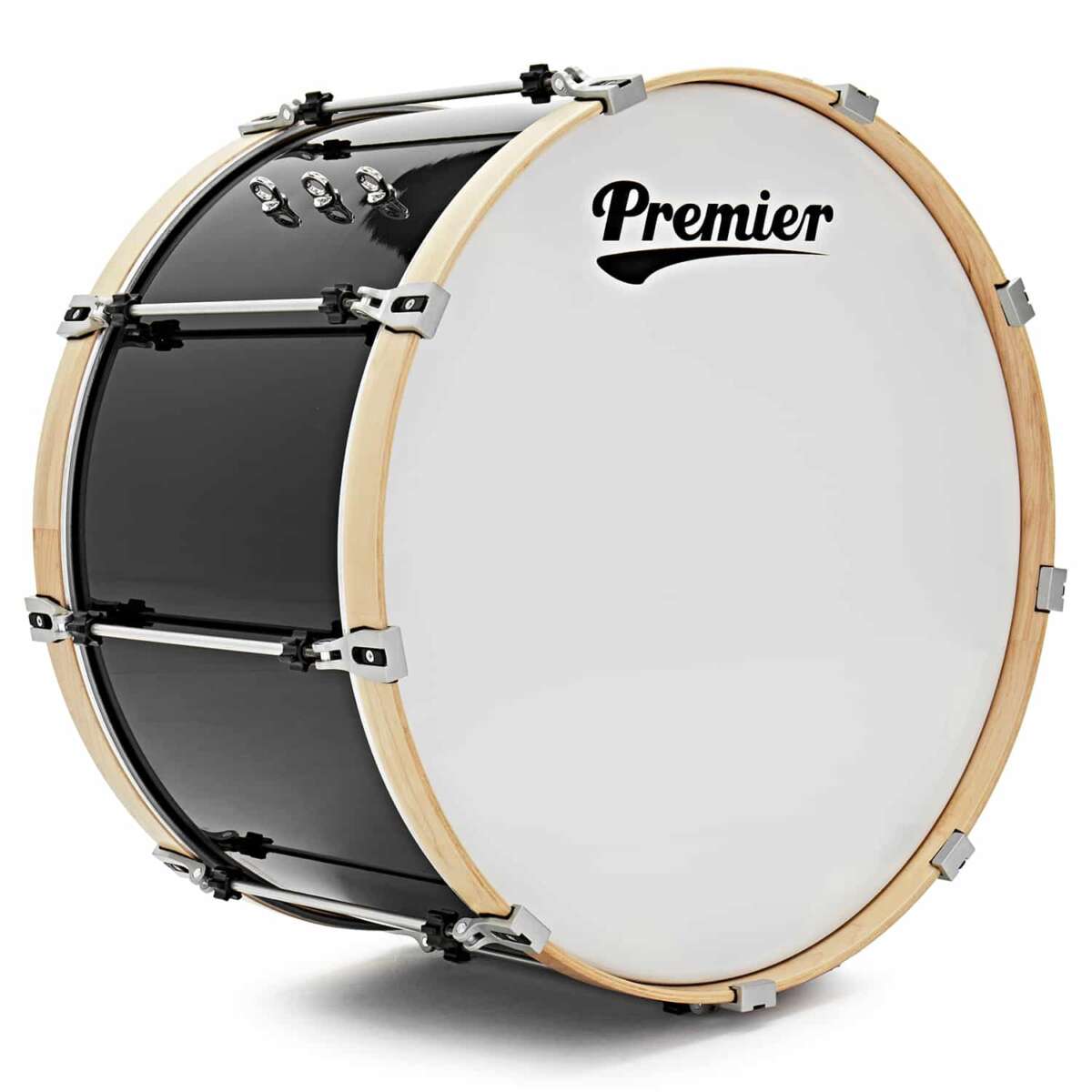
A bass drum is a large drum with one or two stretched heads over a hollow shell. A player strikes the head with a soft mallet, beater, or pedal. The drum produces a deep, low-frequency sound that can mark the beat or add dramatic force.
The shell is often made from maple, birch, mahogany, or another strong wood. Some modern drums use metal or synthetic materials. The drumhead may be made from animal skin or a plastic film, such as polyester.
A bass drum does not usually play a clear musical note like a piano. Instead, it creates a low pitch with a rich mix of overtones. The size, shell material, head tension, mallet, and playing style all affect its sound.
In simple terms, what is a bass drum? It is the large, low-voiced member of the drum family. It helps define the pulse and can make a musical passage sound bigger, darker, or more exciting.
How Does a Bass Drum Work?
A bass drum works through vibration. When a mallet or pedal strikes the drumhead, the head moves back and forth. That movement pushes air inside the shell and sends sound waves into the room.
The shell acts like a resonating chamber. It helps strengthen the low sound created by the head. A larger shell usually supports deeper tones, while a smaller shell often produces a tighter and more focused sound.
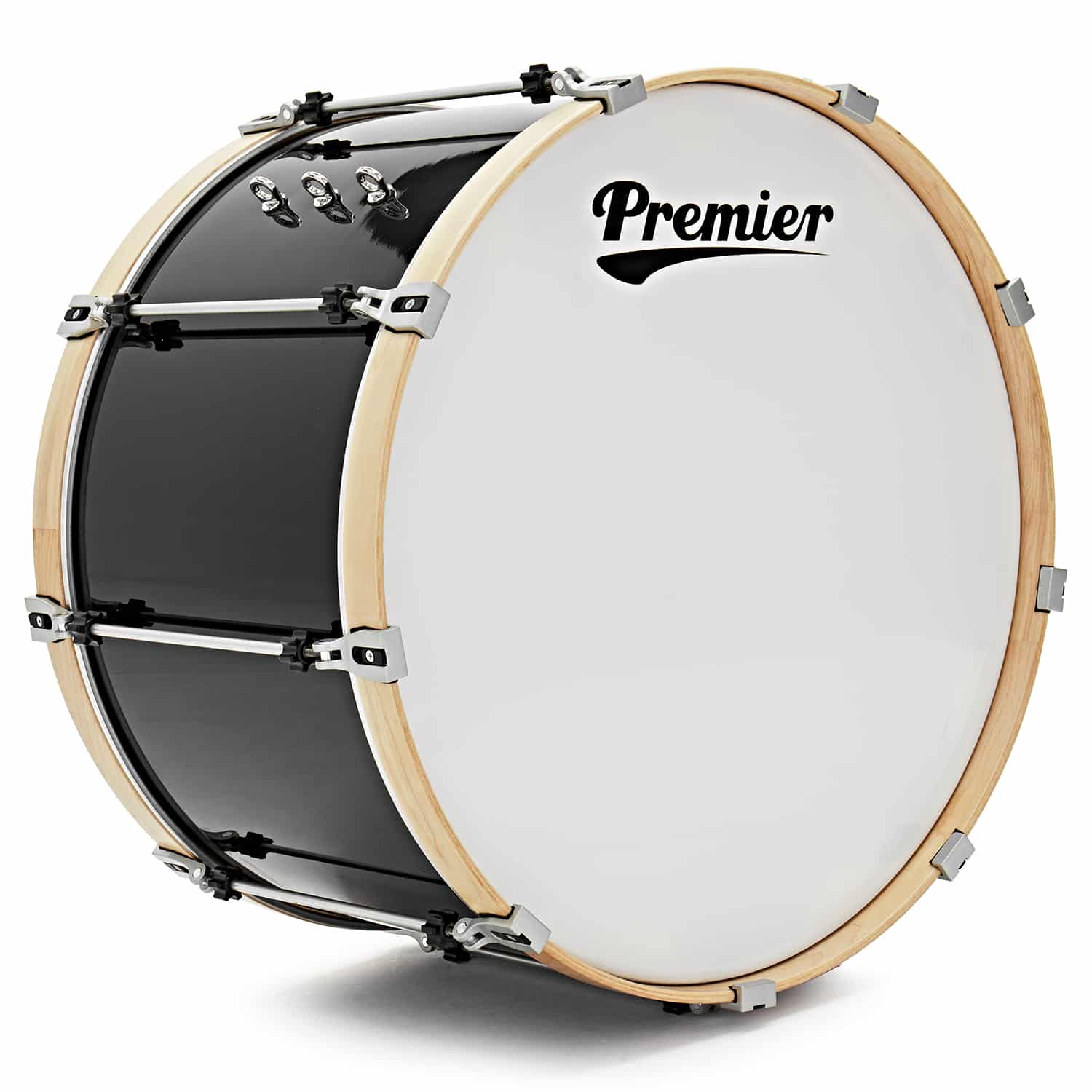
Several parts work together:
- Drum shell: The hollow body that supports resonance.
- Batter head: The head that receives the strike.
- Resonant head: The opposite head that responds and adds depth.
- Hoops: The rims that hold the heads in place.
- Tension rods: Metal rods used to tune the heads.
- Lugs: Fittings that hold and tighten the tension rods.
- Muffling: Foam, felt, tape, or other material used to control unwanted ring.
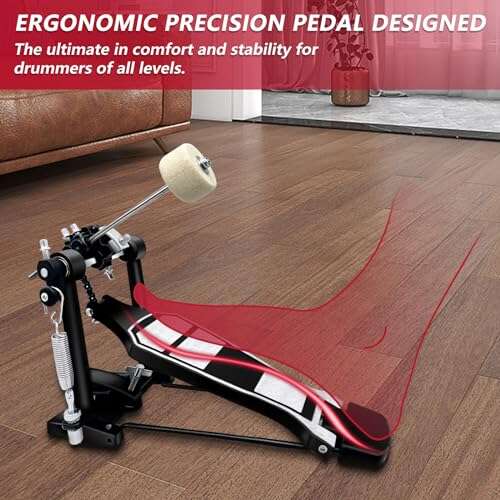
- Pedal: A foot-operated mechanism used on a drum set bass drum.
The sound also changes with the striking point. A strike near the center often gives a full and deep tone. A strike closer to the edge can sound softer, lighter, and more open.
What Does a Bass Drum Sound Like?
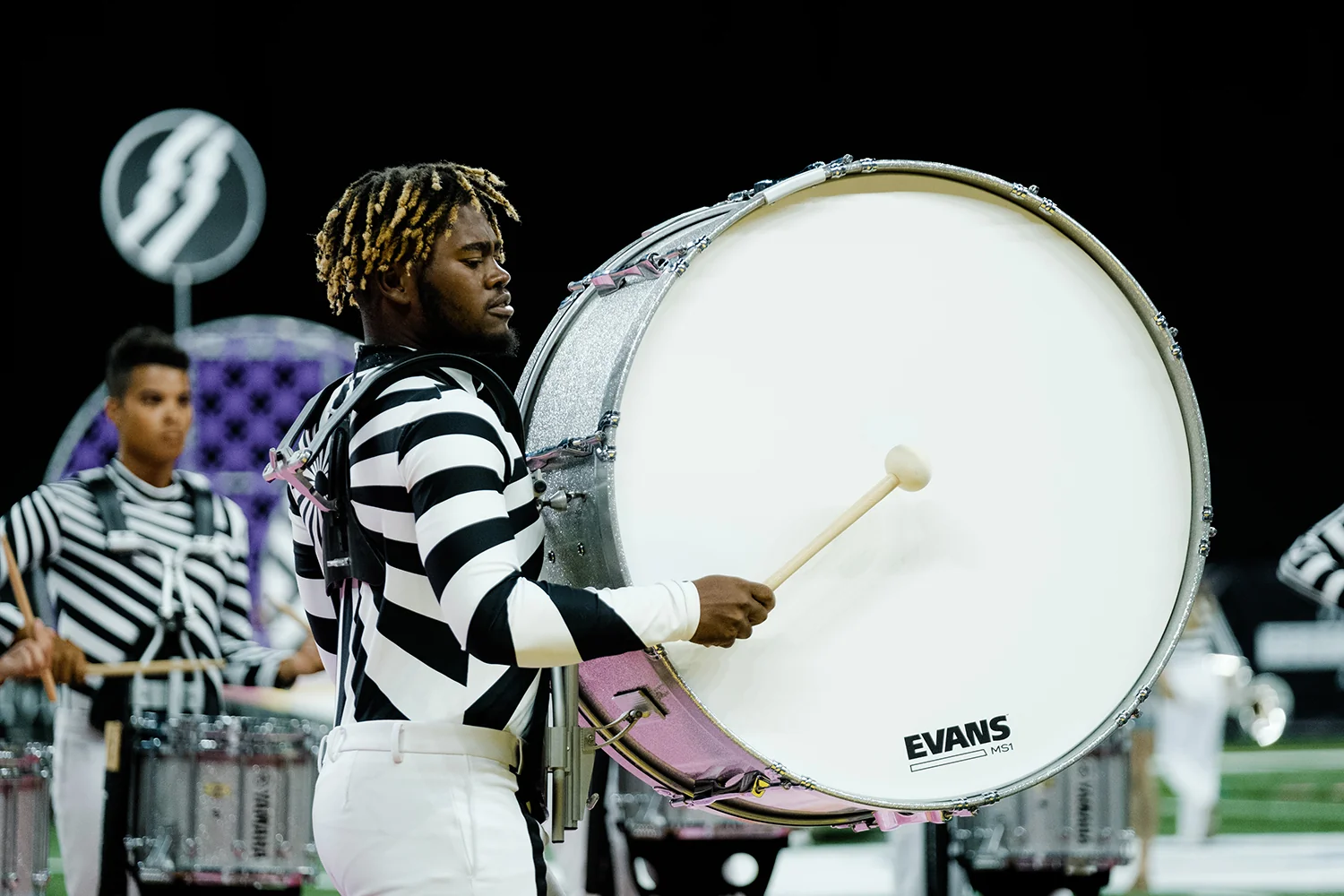
The bass drum sound is low, broad, and physical. You may feel it in your chest as much as you hear it with your ears. In a marching band, it may sound firm and controlled. In an orchestra, it may sound wide and dramatic. In a drum set, it often sounds shorter and more focused.
The sound depends on the musical setting:
- Orchestra: A deep boom can underline a major event or create tension.
- Marching band: A clear pulse helps performers stay together.
- Drum set: A short, strong thump supports the groove.
- Rock music: A powerful kick can reinforce the guitar and bass.
- Concert band: A bass drum can add color and impact to the full ensemble.
- Folk music: Large drums may support dance patterns and community rhythms.
When learning what is a bass drum, it helps to compare it with a kick drum. A kick drum is the bass drum used in a modern drum set. It is usually smaller and played with a foot pedal. A concert or marching bass drum is often larger and played with a handheld mallet.
Bass Drum vs. Kick Drum
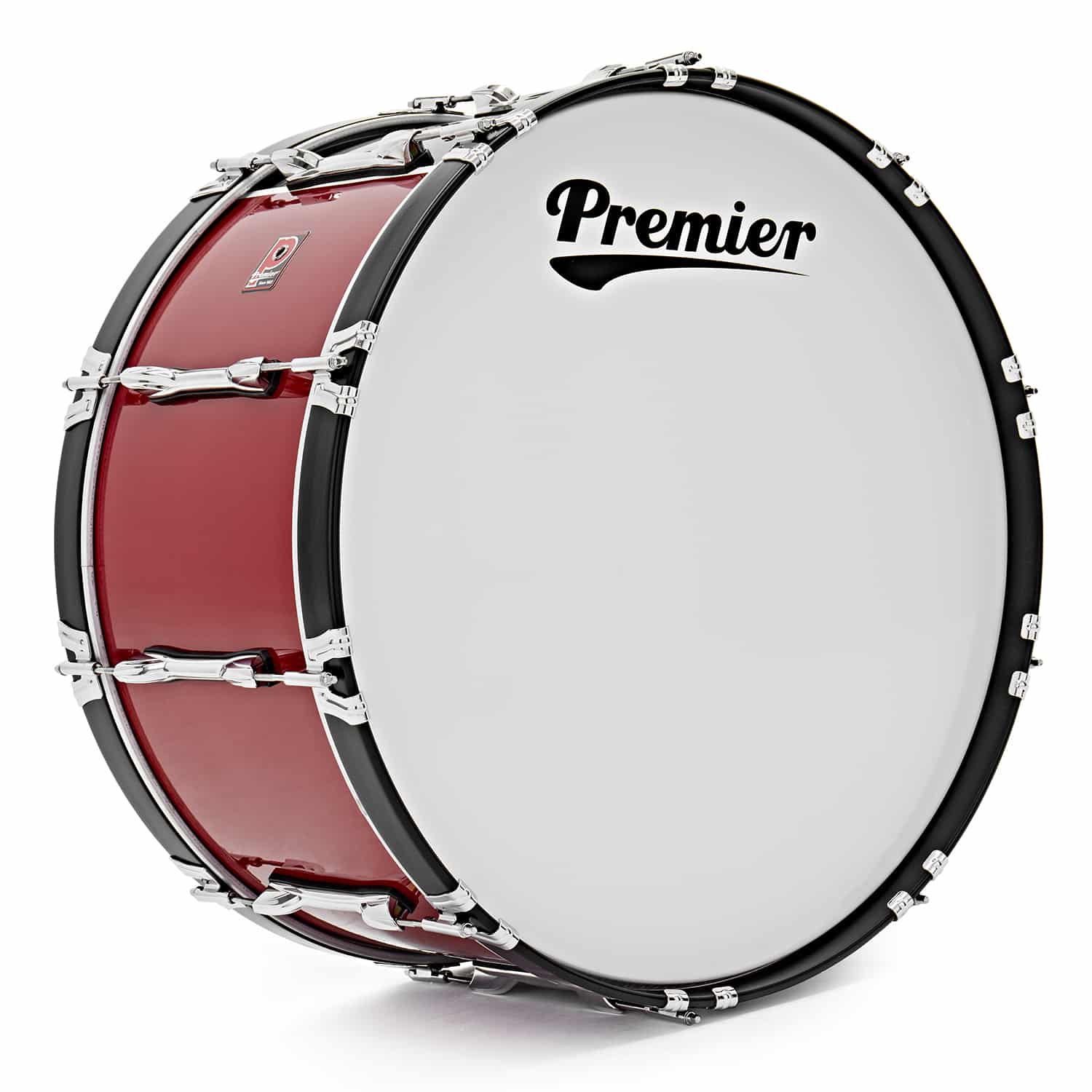
The terms bass drum and kick drum are related, but they do not always mean the same thing. A kick drum is a type of bass drum designed for use in a drum set. The player strikes it with a pedal-operated beater.
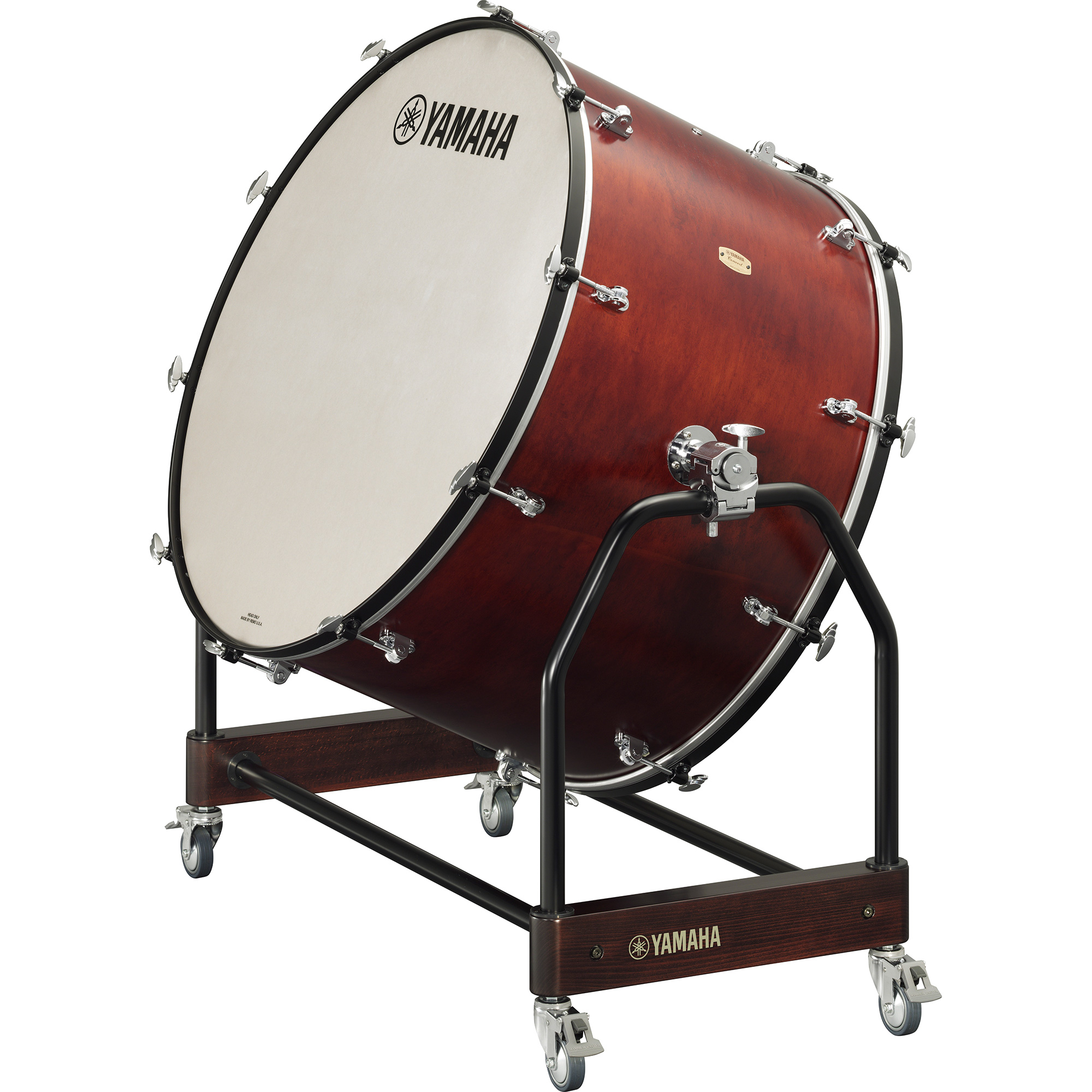
A concert bass drum is often mounted on a frame or stand. The player uses one or two mallets and can strike the front or side of the head. It may have a longer, more open sound than a drum set kick.
Here are the main differences:
- Position: A kick drum sits on the floor, while a concert bass drum may stand upright.
- Playing method: A kick drum uses a pedal, while a concert bass drum usually uses mallets.
- Sound: A kick drum often has a short attack, while a concert drum may produce a longer boom.
- Size: Concert and marching bass drums can be much larger.
- Purpose: A kick drum supports a repeated groove, while a concert bass drum often adds accents and drama.
So, what is a bass drum in a drum set? It is the large drum operated by the foot pedal. In everyday music talk, many drummers call it the kick drum.
Types of Bass Drums
Bass drums come in several forms. Each type serves a different musical role, even though all create low percussion sounds.
Drum Set Bass Drum
The drum set bass drum is usually placed on the floor in front of the drummer. It may range from about 16 to 24 inches in diameter, although other sizes are common. The drummer plays it with a foot pedal.
This drum creates the main low pulse in many styles. A drummer may play it with the snare drum to form a backbeat or with the bass guitar to create a strong groove.
Concert Bass Drum
A concert bass drum is large and often mounted vertically. It is common in orchestras, wind ensembles, and school concert bands. Players use soft, padded mallets to create a deep, smooth sound.
The concert bass drum can produce very quiet rolls as well as powerful accents. Good players control the sound with careful mallet choice, striking position, and touch.
Marching Bass Drum
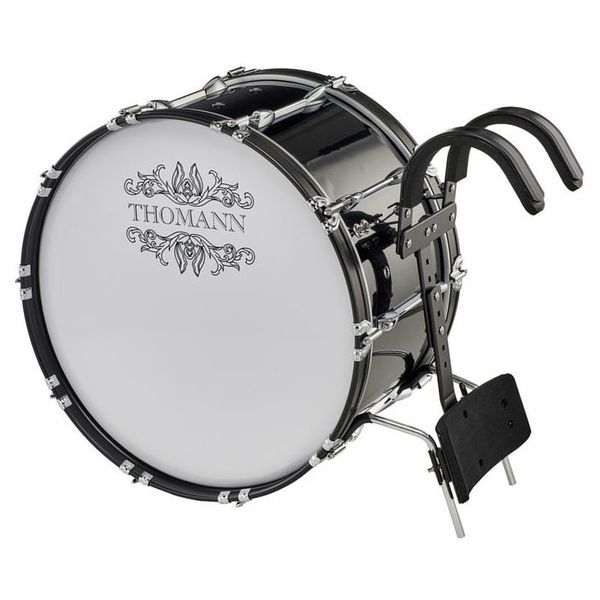
Marching bass drums are designed to be carried while walking. A marching ensemble may use several drums of different sizes. Each player performs a part, creating layered rhythms.
These drums often have strong projection. Their shell and hardware must also withstand movement, outdoor weather, and repeated playing.
Field or Military Bass Drum
Field drums and military bass drums support marching signals and ceremonial music. They may have a firm attack that carries over long distances. Their design varies by tradition and period.
World Percussion Bass Drums
Many cultures use large drums with low voices. Examples include the Japanese ō-daiko, large frame drums, and other regional instruments. These drums may differ greatly in shape, materials, tuning, and playing method.
It is useful to avoid treating every large drum as identical. When asking what is a bass drum, the answer depends partly on the musical tradition and instrument design.

The History of the Bass Drum
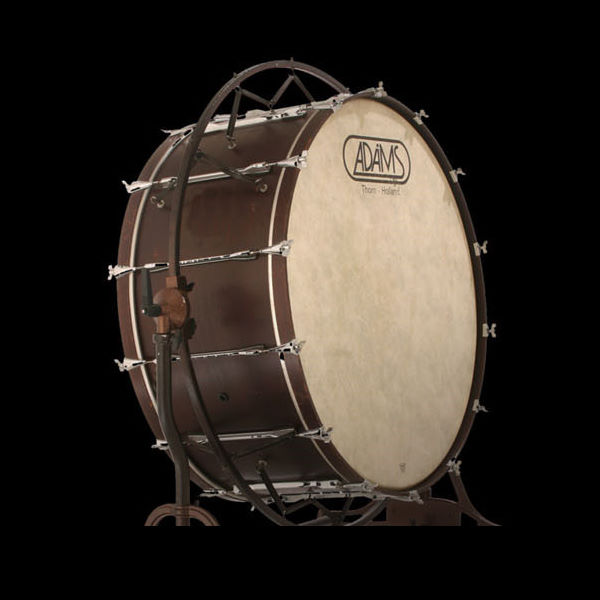
Large drums have been used for centuries in military music, religious ceremonies, festivals, dance, and public events. Early versions often used animal skins stretched over wooden shells. Their low sound carried well across open spaces.
The modern orchestral bass drum developed from large European and Ottoman-style drums. Its use expanded as composers looked for stronger dramatic effects in orchestral music. By the 18th and 19th centuries, composers used bass drum accents to suggest storms, battles, celebrations, and powerful natural forces.
The drum set bass drum developed later as percussionists combined drums and cymbals into one playable setup. The invention and spread of the foot pedal made it possible for one drummer to create a steady low pulse while using the hands for other instruments.
This history explains why the bass drum appears in so many settings. It is practical, expressive, and easy to feel from a distance. Its role has changed, but its basic purpose remains clear: to give music low-end power and rhythmic structure.
What Is a Bass Drum Used For?
A bass drum can perform several musical jobs. Its role changes with the ensemble, but it often supports one or more of these functions:
- Keeping time: Repeated strokes can reinforce the main beat.
- Creating accents: A single hit can mark a dramatic moment.
- Supporting movement: Marching groups use it to help establish a steady pace.
- Building atmosphere: A soft roll can create suspense or anticipation.
- Adding depth: Low sound gives a full ensemble more weight.
- Connecting rhythm and harmony: In popular music, the kick often works closely with the bass guitar.
- Shaping form: A strong hit can announce a new section or ending.
A bass drum does not need to play constantly to be useful. In many arrangements, silence makes the next hit more effective. This is an important lesson for new players: power comes from timing and control, not from striking as hard as possible.
How to Play a Bass Drum
The correct technique depends on the type of bass drum. Still, a few principles apply to most instruments.
Playing a Concert Bass Drum
Stand with a balanced posture. Hold the mallet loosely but securely. Use the arm and wrist together, rather than relying only on the elbow.
Aim for a controlled stroke. Let the mallet rebound after it contacts the head. Avoid pressing the mallet into the drumhead unless the music calls for a muted effect.
The center of the head gives a full sound. A point slightly away from the center can produce more color and resonance. Try both areas at a quiet volume before rehearsing with the full group.
Playing a Marching Bass Drum
Marching players must balance sound, movement, and endurance. Keep the drum secure against the body and use consistent stroke heights. Every player in the bass line must listen closely because the group often creates one combined rhythm.
Clear note lengths matter. A short, controlled sound and a long ringing sound can have very different musical effects.
Playing a Drum Set Bass Drum
Sit so your foot can move freely. Keep the heel down for some styles and lift it for others. The beater should return naturally instead of staying pressed against the head.
Many beginners make the same mistake: they use too much force. A relaxed ankle and steady motion usually create better speed and control than a tense leg.
From hands-on practice, one of the most useful lessons is to record yourself. A bass drum can feel powerful from the player’s seat but sound too loud or too soft in the room. Listening from a few feet away reveals problems that are hard to notice while playing.
How to Tune a Bass Drum
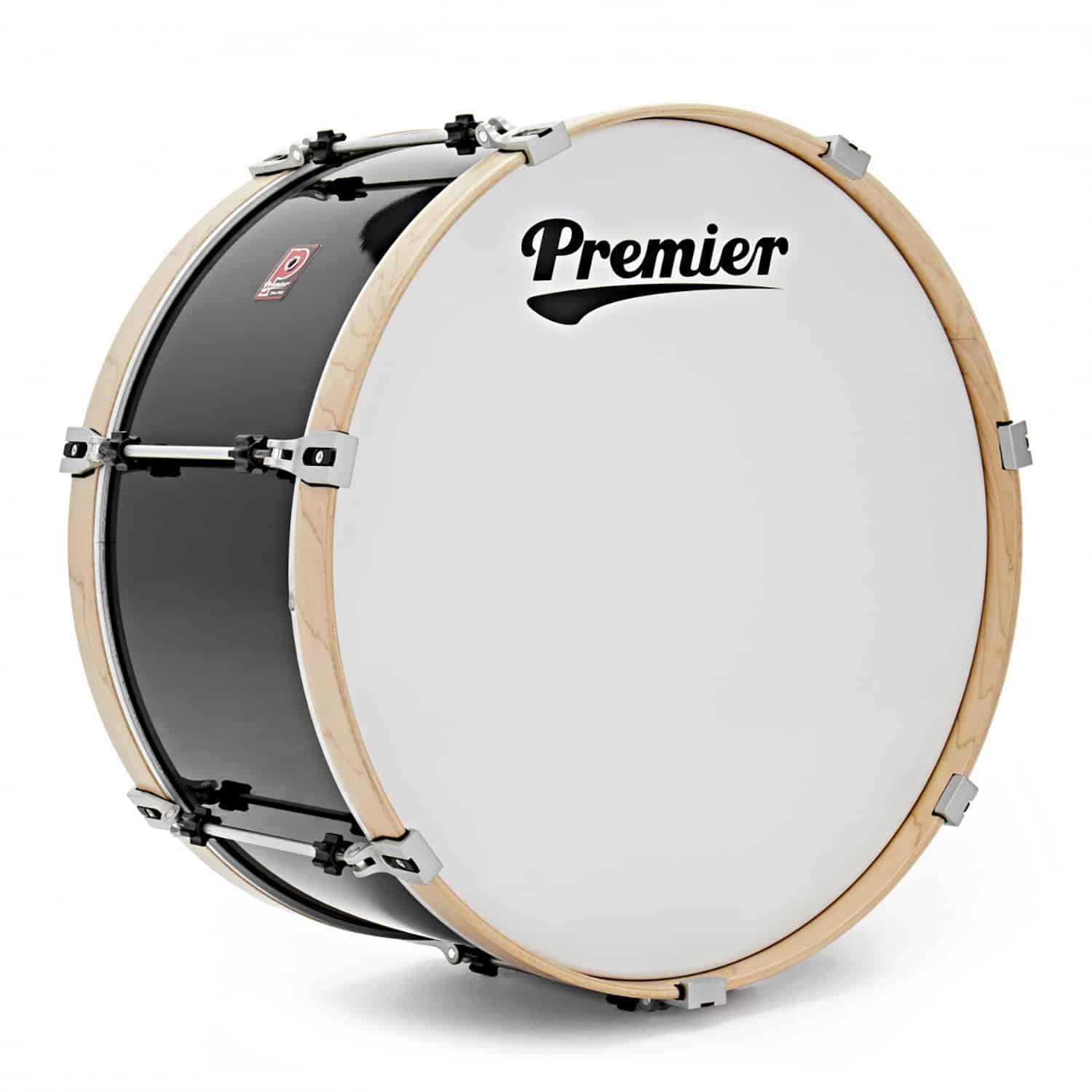
Tuning a bass drum means adjusting the tension of the drumheads. There is no single correct tuning. The best setting depends on the style, room, drum size, and desired sound.
Use this basic process:
- Loosen the tension rods evenly if the head needs a full reset.
- Seat the head on the shell.
- Tighten each rod by hand.
- Use a drum key to make small, even turns.
- Tap near each tension rod and compare the pitches.
- Adjust until the tension sounds balanced.
- Test the drum from the player’s position and from across the room.
A lower tension can create a deep, loose sound. Higher tension may provide more attack and clarity. If the head is too loose, it may wrinkle or respond poorly. If it is too tight, the drum may lose some low-end warmth.
Muffling can help control sustain. A small amount of felt, foam, or a designed muffling pad may make the drum easier to record or blend into a band. Too much muffling can remove the character of the instrument.
How to Choose a Bass Drum
Choosing a bass drum begins with your musical goal. A beginner in a rock band needs a different instrument from a concert percussionist or marching student.
Consider these factors:
- Music style: Choose a drum that matches your ensemble and sound needs.
- Size: Larger drums often produce lower tones, while smaller drums can feel quicker and tighter.
- Shell material: Wood, metal, and composite shells each have different response and tone.
- Drumhead type: Coated, clear, single-ply, and double-ply heads offer different levels of attack and durability.
- Hardware: Strong legs, hoops, lugs, and mounting parts improve reliability.
- Portability: A large orchestral drum may sound excellent but can be difficult to move.
- Budget: Include the cost of a pedal, stand, mallets, cases, and replacement heads.
- Room size: A very large drum may overwhelm a small practice room.
Try the instrument before buying it when possible. Ask another player to perform while you listen from several feet away. This gives you a better idea of the real sound than playing from directly behind the drum.
Common Bass Drum Problems and Solutions
Even a good drum can sound poor when its setup is wrong. Many problems have simple causes.