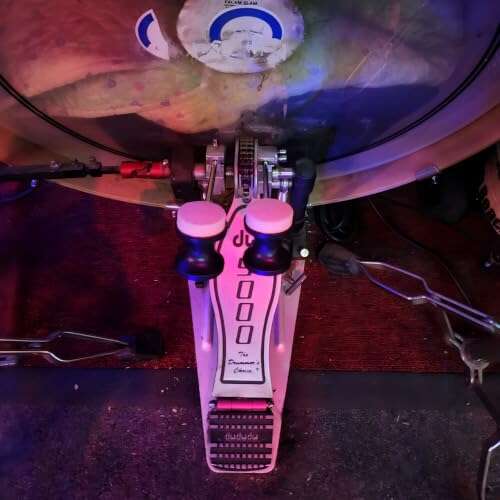
Best Bass Drum Beater For Mesh Head: Top Picks
The best bass drum beater for mesh head is a soft felt or silent beater that protects the head without losing pedal control.
You sit down to practice, press the pedal, and hear more slap than kick. Worse, each hard hit can stress a mesh head and shorten its life. I understand that problem because a mesh bass drum head needs a gentler touch than a standard Mylar head. The right beater can lower noise, reduce wear, and still give your foot a steady feel. I compared the materials, shaft designs, head shapes, and user needs behind these popular options to help you choose with confidence.
Cheerock Double-Sided Felt Bass Drum Beater
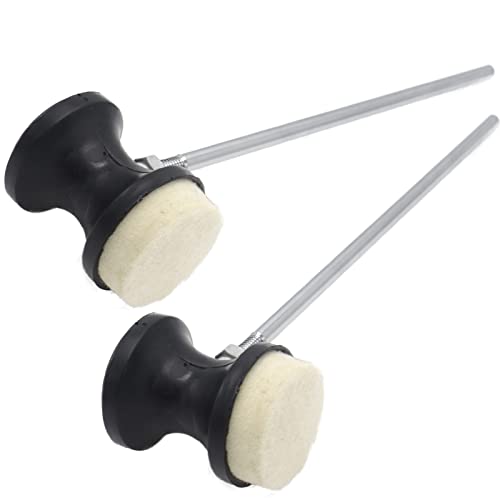
The Cheerock beater gives you two common playing surfaces in one compact design. Its felt head feels soft against a mesh bass drum head, while the opposite side adds a firmer response when you need more attack. That makes it useful for quiet practice and basic performance work. The two-piece pack also gives you a spare, which is handy when a small pedal part goes missing.
I like this design for players who are still learning what feel they prefer. Felt tends to create a rounder note than a hard plastic or metal head, so it can help tame sharp impact noise. You still need to set the beater angle and height with care because even a soft head can damage mesh when it strikes too deeply. For many entry-level electronic kits, this Cheerock option offers a simple and flexible starting point.
Pros:
- Double-sided design offers two playing feels
- Felt side is gentler for mesh drum heads
- Two beaters provide a useful spare
- Simple shaft design fits many standard pedals
- Good choice for new electronic drum players
- Light and easy to install
Cons:
- Fit may vary between pedal brands
- Felt can wear faster than a hard alloy surface
- It may not provide the strongest attack for loud acoustic playing
2-Pack Double-Sided Felt Drum Beaters

This two-pack is built around a double-sided beater head and a practical replacement-first mindset. It can suit a single pedal, or it can supply matching beaters for a double-pedal setup. The felt surface gives a softer contact point than bare metal, which matters when you play an electronic kit with a mesh kick tower. Its shape also keeps the design familiar for players who do not want a major change in pedal feel.
In daily practice, matching beaters can make a double-kick pattern feel more even. That consistency helps when your left and right feet tend to sound different. I would still check the shaft diameter and clamp depth before ordering, since pedal mounting hardware is not perfectly universal. If you want an affordable set for home practice, this model deserves attention as a best bass drum beater for mesh head candidate.
Pros:
- Includes two matching beaters
- Felt surfaces help soften mesh-head impact
- Useful for single or double-pedal players
- Double-sided shape supports flexible tone control
- Affordable way to keep a replacement ready
- Easy to understand and install
Cons:
- May need fit checks on unusual pedals
- Felt needs inspection after heavy use
- Not designed as a specialty ultra-quiet beater
Jiayouy Aluminum Alloy Bass Drum Beater
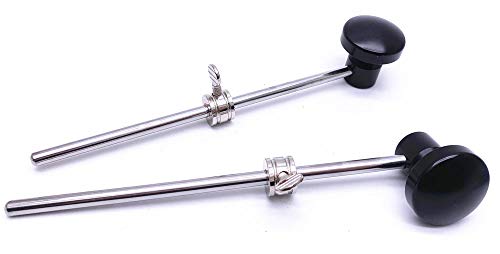
The Jiayouy aluminum alloy beater takes a firmer route than a traditional felt model. Its metal hammer head can create a clear, quick attack and may feel precise under fast footwork. The black finish gives it a clean look, while the alloy build should resist dents from normal use. It comes as a two-piece set, so you can use matching beaters on a double pedal or keep one as a spare.
This is not my first choice for an unprotected mesh head. Metal can place more stress on the playing surface, especially when the pedal has a strong spring or when the beater sits too far forward. I would pair it with a proper bass drum patch and use a shallow beater angle. For an electronic drummer who values sharp response and understands mesh-head care, it can work well, but it requires more caution than felt.
Pros:
- Firm head produces a clear attack
- Aluminum alloy offers a durable structure
- Two-piece set suits double-pedal setups
- Black finish looks neat on most pedals
- Responsive feel for quick foot patterns
- Useful spare included
Cons:
- Hard alloy may be too aggressive for bare mesh
- Can create more mechanical and impact noise
- Requires careful height and angle adjustment
Lovermusic Stainless Steel Felt Beater

The Lovermusic beater combines a stainless steel shaft with a white felt head. That combination gives you a firm central stem and a softer contact point at the mesh. The listed shaft length is about 19.4 centimeters, so it offers useful adjustment room on many standard pedals. Its white felt head also makes wear easy to see during routine checks.
A felt beater works best when you want a balanced note rather than an exaggerated click. I find this type of setup comfortable for slow practice, lessons, worship music, and home sessions where a sharp slap becomes tiring. Before buying, measure your current beater and compare the mounting section with your pedal. As a value-focused option, it may be the best bass drum beater for mesh head for a player who wants a basic felt replacement with a sturdy shaft.
Pros:
- Soft white felt suits quieter practice
- Stainless steel shaft supports long-term use
- Long shaft gives helpful adjustment range
- Round tone works well for electronic kits
- Visible felt makes wear checks simple
- Good replacement for a worn stock beater
Cons:
- One beater may not suit double-pedal users
- White felt can show dirt quickly
- Compatibility still depends on pedal clamp size
DW Control Bass Drum Beater DWSM110

The DW Control DWSM110 is aimed at players who want a more refined pedal setup. Drum Workshop has a strong reputation for thoughtful pedal hardware, and this beater follows that practical approach. Its control-focused design can help you tune the relationship between beater weight, stroke depth, and rebound. On an electronic kit, that control may feel more important than raw volume.
I would consider this model for an experienced drummer who knows how small pedal changes affect timing. It can help produce steady strokes when you work on doubles, ghosted kick notes, or fast single-foot patterns. Still, a premium beater does not remove the need for safe mesh-head settings. Use moderate impact, check the head often, and keep the beater from resting against the surface after each stroke.
Pros:
- Designed for controlled pedal response
- Suitable for players who care about fine adjustment
- Strong brand reputation in drum hardware
- Can support clean rebound and timing work
- Good upgrade from a basic stock beater
- Useful for practice and performance setups
Cons:
- Usually costs more than generic beaters
- May be more feature-rich than beginners need
- Players must still confirm mesh-head compatibility
Jiayouy White Felt Bass Drum Beater

This Jiayouy model uses a white felt head and a stainless steel shaft. It follows the classic soft-beater format that many drummers prefer for a warm and controlled kick sound. The felt face spreads contact more gently than a narrow hard point. That makes it a sensible choice for electronic bass drum pads that respond poorly to excessive click.
The simple design is its main strength. You do not need to learn a new pedal system, and you can adjust the shaft to find a comfortable stroke. I suggest starting with the beater close to the head, then raising it only if you need more power. For a quiet room, a home studio, or a beginner kit, this is a strong low-cost candidate for the best bass drum beater for mesh head.
Pros:
- Soft felt head helps reduce harsh impact
- Stainless steel shaft feels solid
- Warm response suits home practice
- Simple setup works for many standard pedals
- White head makes damage and wear easy to spot
- Often a cost-effective replacement choice
Cons:
- Felt may compress with long heavy use
- It offers less attack than plastic or metal
- Pedal compatibility requires measurement
KAT Percussion Silent Strike Beater

The KAT Percussion Silent Strike is made for drummers who need less acoustic noise from the kick pedal. Its purpose is clear: reduce the sharp sound that often comes from a hard beater striking an electronic kick pad. That can help in apartments, shared homes, late-night sessions, and small teaching rooms. The black and silver finish also gives the beater a modern look.
Noise control matters, but so does feel. A very soft beater may seem less lively at first, especially if you learned on an acoustic bass drum. Give your foot time to adjust, and keep your pedal spring tension moderate while you learn the response. If quiet practice is your top goal, this may be the best bass drum beater for mesh head in the group, especially when neighbor-friendly playing matters more than maximum attack.
Pros:
- Built around low-noise practice needs
- Well suited to electronic kick pads
- Helpful for apartments and shared spaces
- Can reduce sharp beater slap
- Modern black and silver appearance
- Supports late-night drumming with less disturbance
Cons:
- May feel softer than a standard acoustic beater
- Not ideal for players who want a strong click
- Quiet impact does not remove pedal or floor noise
Evans dB Zero 22-Inch Mesh Bass Drum Head

The Evans dB Zero is not a pedal beater. It is a 22-inch bass drum head made with a single ply of ShockWeave mesh for low-volume playing. I included it because the head and the beater must work as a pair. Even the best bass drum beater for mesh head cannot make an unsuitable or badly adjusted head safe.
This head can help acoustic drummers lower room volume while keeping a familiar bass drum shell. It also gives you a useful foundation for a soft felt or silent beater. Installation needs proper shell sizing, careful tension, and a realistic view of what low volume means. It reduces air movement and attack, but it does not make the full kit silent because pedal, hoop, cymbal, and floor sounds remain.
Pros:
- Single-ply mesh design supports low-volume playing
- 22-inch size fits many standard bass drum shells
- Useful partner for a soft or silent beater
- Helps reduce acoustic drum volume
- Can support quiet home practice
- Maintains a familiar bass drum setup
Cons:
- It is a drum head, not a replacement beater
- Requires correct shell size and installation
- It will not remove every sound from an acoustic kit
Nouiseuns Bass Drum Protector Patches

The Nouiseuns pack includes four fiber-cloth bass drum patches made to protect the impact area. A patch does not change the beater itself, but it can add a useful barrier between the beater and the drum surface. The set is designed for single and double-pedal use, so you can cover more than one contact point. This accessory may help when you need extra protection from repeated strokes.
I see patches as insurance, not permission to use a hard beater at full force. On a mesh head, placement matters because a patch that shifts can create an uneven feel or fail to cover the strike zone. Clean and dry the surface before applying it, then check the edges during practice. Pairing a protector with felt is a smarter approach than relying on the patch alone.
Pros:
- Four patches provide useful spares
- Helps protect the main impact area
- Works with single and double pedals
- Fiber cloth adds a soft barrier
- Can extend the service life of a drum surface
- Useful for testing beater placement
Cons:
- Does not replace a mesh-safe beater
- Adhesive or fabric may move with heavy use
- Requires clean, careful application
Piutouyar Wool Felt Bass Drum Beaters

The Piutouyar set uses wool felt rather than a hard plastic or alloy striking surface. Wool felt usually gives a soft, rounded contact that works well for controlled kick practice. Two beaters let you match a double pedal or keep one packed as a spare. This format is familiar, affordable, and easy to add to a basic electronic drum setup.
The biggest advantage is its forgiving feel. It can help new players avoid the harsh rebound and click that often distract them on mesh kits. I would choose it for home use, practice rooms, and moderate playing rather than heavy acoustic gigs. If you want a gentle, low-cost best bass drum beater for mesh head option, this two-pack is one of the easiest recommendations to make.
Pros:
- Wool felt gives a soft contact surface
- Two beaters support double-pedal use
- Helps lower sharp impact noise
- Comfortable for repeated practice strokes
- Easy choice for beginner electronic drummers
- Spare beater improves convenience
Cons:
- Wool felt can flatten over time
- May lack the attack needed for loud live work
- Users should inspect the head for loose fibers
How I Choose the Best Beater for a Mesh Head
A mesh head feels soft, but it still receives repeated mechanical stress. The beater transfers energy through a small contact area, and that energy grows when you raise the beater too high or tighten the pedal spring too much. I judge a beater by more than its label. I look at the striking material, weight, shape, shaft fit, noise, rebound, and the type of kick pad or drum head it will meet.
Felt is the safest starting point for most players. It usually gives a smooth attack and less click than metal or hard plastic. A silent beater can reduce the airborne sound even more, but it may change rebound and foot feel. Metal beaters can feel fast and direct, yet they deserve extra care and a protector patch on a mesh surface.
Felt Versus Metal
Felt works like a soft shoe on a wood floor. It still transfers force, but it does not make the same sharp contact as bare alloy. That makes felt a strong match for quiet electronic practice. Metal feels more like a firm tap with a small hammer, so it can deliver a crisp note but may stress the head more.
I do not treat metal as automatically wrong. Some electronic kick towers support harder beaters, and some players need a firm attack. The safe choice depends on the drum maker’s instructions, the surface material, and your playing force. When the manual warns against hard beaters, follow that warning instead of chasing extra click.
Why Beater Height Matters
Beater height changes impact more than many new drummers expect. A beater lifted high has more room to gain speed before it reaches the head. That can make a soft beater hit harder than intended. Start with a modest height, play a few minutes, and raise it only when you need more volume or power.
Also check the resting position. The beater should not press into the mesh while your foot rests on the pedal. Constant pressure can deform the surface and may cause false triggers on some electronic kick pads. A small adjustment can protect the head and improve the trigger response at the same time.
Weight and Rebound
A heavy head can create a strong note, but it can also make fast patterns tiring. A light beater may feel quick, though it may need more foot motion to produce a full sound. The best match depends on your pedal spring, playing style, and trigger settings. I prefer a balanced beater for most players because it gives control without making the pedal feel sluggish.
Rebound also changes the experience. A hard surface often bounces more sharply, while felt can absorb a little energy. That absorption may help beginners control unwanted double hits. Advanced players may prefer the direct return of a firmer beater for fast metal or progressive patterns.
Mesh Head Care Tips for Longer Life
Even the best bass drum beater for mesh head needs correct use. Keep the beater face clean and replace it when the felt becomes thin, rough, or uneven. A damaged face can expose a hard edge that creates a hot spot on the mesh. Inspect the strike zone often, especially after long sessions.
Set the kick pad on a stable surface. If it moves, you may push harder without noticing, and that extra force transfers to the head. Use a proper pedal board or anti-slip mat when needed. Keep the pedal clamp secure but avoid crushing the hoop or frame.
Do not assume that low volume means low impact. A drummer can play quietly in the room while still sending a sharp force into the head. Use a relaxed stroke, moderate spring tension, and a beater that suits the pad maker’s guidance. If the kick trigger misses notes, adjust sensitivity and threshold before simply hitting harder.
What to Check Before Ordering
First, confirm the shaft size and clamp style. Most standard beaters use a shaft that slides into a pedal holder, but dimensions and usable length can vary. Check your current beater beside the product measurements when possible. This small step prevents a frustrating return.
Next, decide what sound you need. Felt favors a round and soft note. A silent design favors low room noise. Alloy favors attack and durability, but it may be a poor match for an unprotected mesh surface. Choose the sound and feel that fit your real practice space, not just the loudest option in a product photo.
Finally, consider whether you need one beater or two. A two-pack helps double-pedal players and gives single-pedal users a spare. A premium single beater may make more sense if you already own a matching backup. Value comes from the whole setup, including safe use and long service life.
My Recommendation
For most electronic drummers, I would start with the Piutouyar wool felt two-pack or the Lovermusic stainless steel felt beater. Both offer a soft contact surface, which is the key trait I want in the best bass drum beater for mesh head. The Piutouyar is especially useful for double pedals and buyers who want a spare. The Lovermusic is better for someone who wants one straightforward replacement with a sturdy shaft.
If quiet practice is the main concern, the KAT Silent Strike deserves the top spot. If you want a firmer attack, the Jiayouy alloy model can work with careful setup and added protection. The Evans dB Zero is a related low-volume head, while the Nouiseuns patches add another layer of defense. Always follow your drum or kick-pad manual, since no beater can replace correct adjustment and sensible playing force.
| Best for | Why |
|---|---|
| Quiet apartment practice | KAT Silent Strike reduces sharp impact noise and suits electronic kits. |
| Most mesh-head players | Piutouyar wool felt offers a soft feel, two beaters, and good value. |
| Firm attack with protection | Jiayouy alloy gives direct response when used with careful height settings and a patch. |
FAQs Of best bass drum beater for mesh head
What is the best bass drum beater for mesh head use?
For most players, choose a felt or purpose-built silent beater. Felt offers a soft strike and balanced rebound. The KAT Silent Strike is a strong choice when low noise matters most, while the Piutouyar wool felt set offers excellent everyday value.
Can I use a metal beater on a mesh bass drum head?
You can use one only when the drum or kick-pad maker allows it. Metal creates a harder contact and may increase wear or damage. If you choose alloy, use moderate beater height, avoid excessive force, and consider a suitable impact patch.
Will a felt beater damage my electronic kick pad?
Felt is usually gentler than metal or hard plastic, but it can still cause wear over time. Keep the felt smooth, set the beater correctly, and do not let it rest against the mesh. Always follow the instructions for your specific kick pad.
Does a silent beater make an electronic drum kit silent?
No. It can reduce the sound of the beater striking the pad, but the pedal, rack, floor, and trigger hardware may still create noise. An isolation mat and careful pedal technique can lower those other sounds.
Should I use a bass drum patch with a mesh head?
A patch can add protection, but it is not a substitute for a mesh-safe beater. Use one when the head maker supports it and apply it flat over the correct strike area. Check it often for lifting, wear, or movement.
Final Verdict: Which Should You Buy?
For most players, the Piutouyar wool felt two-pack is the best bass drum beater for mesh head use. It is soft, practical, and useful for single or double pedals. Choose the KAT Silent Strike for the quietest practice.
Use modest beater height and follow your kick-pad manual. The right beater protects your mesh head, improves control, and makes practice feel far more natural.

Senior Music Reviewer
Alex Carter is a seasoned music reviewer with over a decade of experience in the world of sound and instruments. Passionate about helping musicians and enthusiasts make informed choices, he brings sharp insights and in-depth knowledge to every review. From classical instruments to modern gear, Alex combines technical expertise with a love for music to deliver content that resonates with readers.
As a Senior Music Reviewer and expert author on Tuneluma.com, Alex is dedicated to sharing honest evaluations, practical advice, and thoughtful commentary to guide readers in their musical journey.