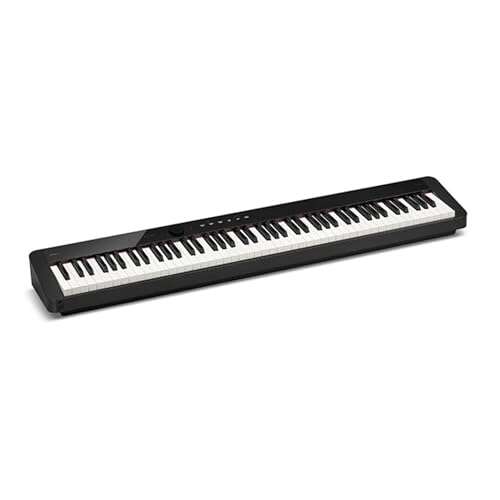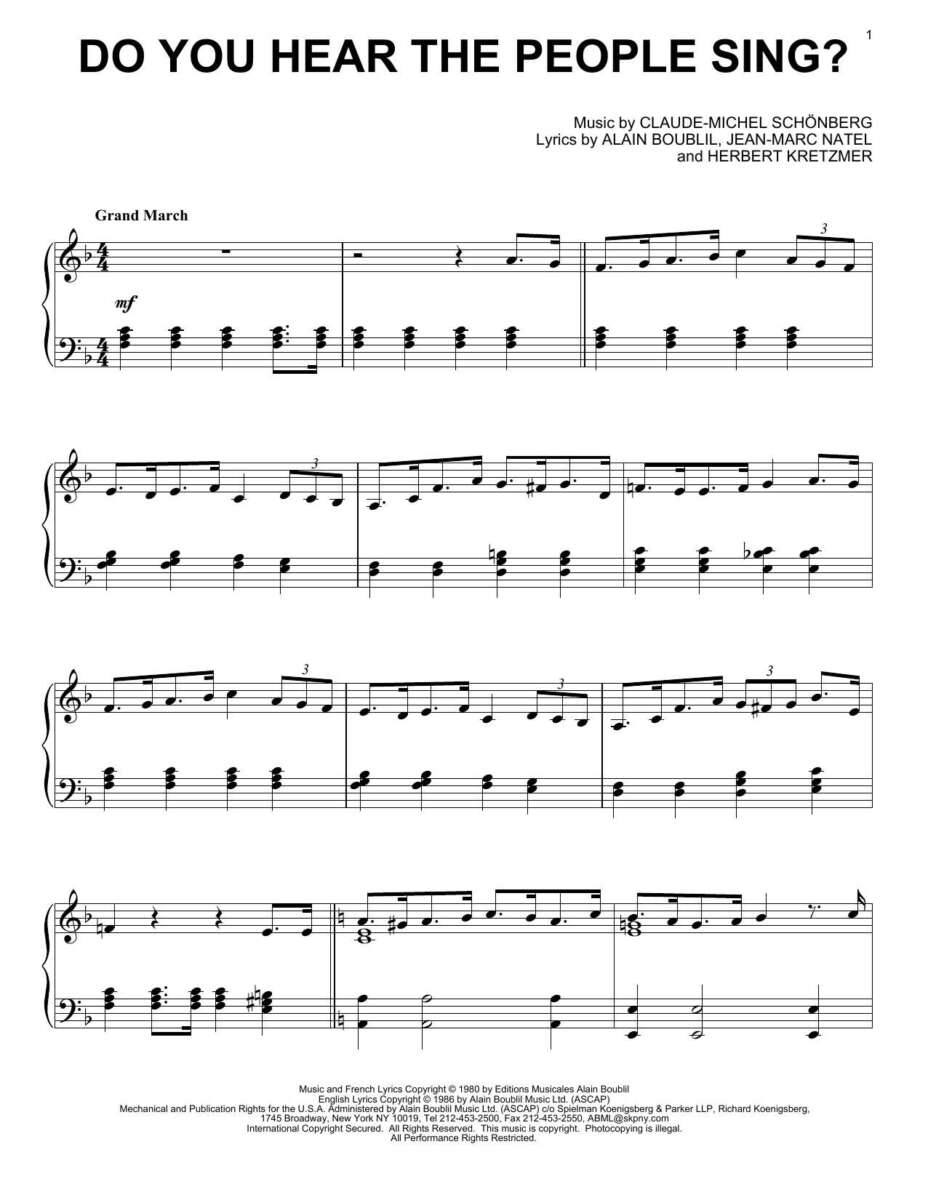
Do You Hear The People Sing Piano Sheet Music: Easy Guide
The best do you hear the people sing piano sheet music matches your level, key, and legal use.
“Do You Hear the People Sing?” is one of the most moving songs from Les Misérables. Its bold melody works well on piano, whether you are a beginner learning the main theme or an advanced player preparing a dramatic recital. The right do you hear the people sing piano sheet music can help you capture the song’s rising energy without making the arrangement feel too difficult or flat.
This guide explains where to find legal sheet music, how to choose the right arrangement, what to check before buying, and how to practice the song with musical expression. You will also learn how key, page layout, difficulty, licensing, and accompaniment style affect your playing experience.
What Is “Do You Hear the People Sing?”?
“Do You Hear the People Sing?” is a well-known musical theater song from Les Misérables. The music was written by Claude-Michel Schönberg, with English lyrics by Herbert Kretzmer. The stage musical is based on Victor Hugo’s novel Les Misérables.
The song appears during a major moment of public hope and resistance. That context matters when you play it. The piece is not only a melody with chords. It is a musical call to action.
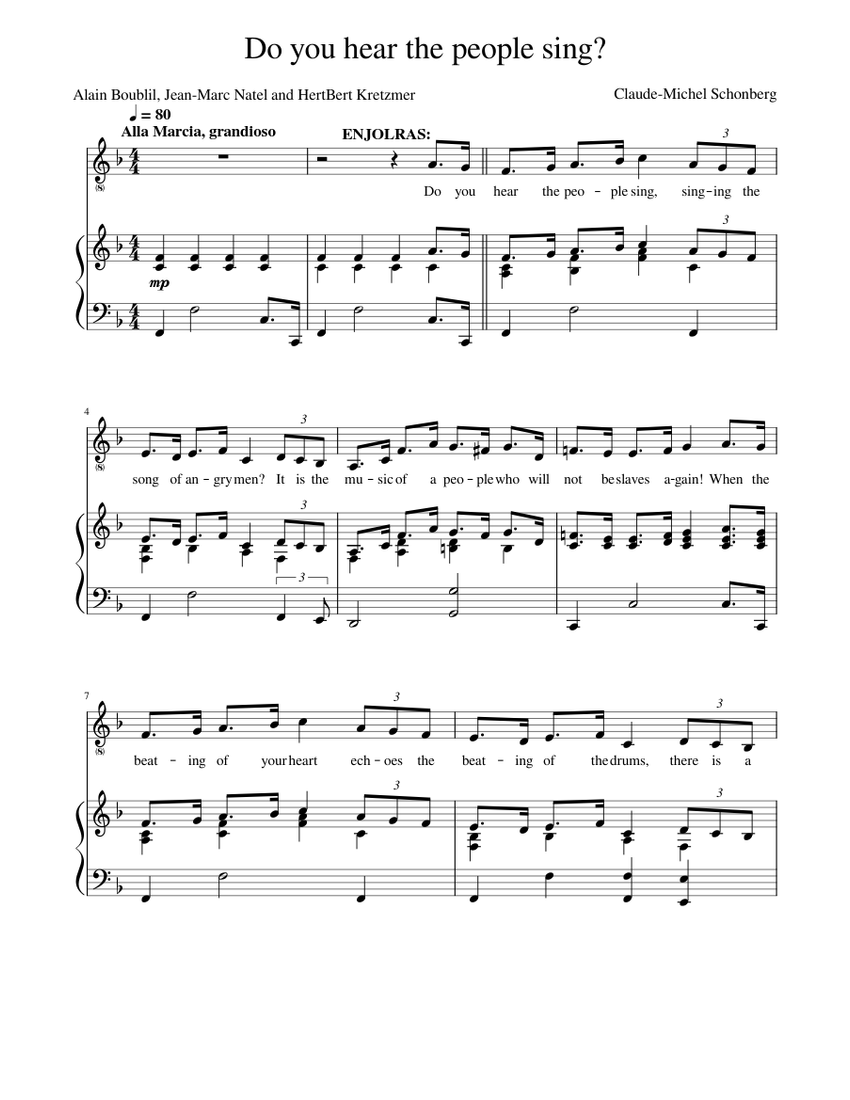
Good do you hear the people sing piano sheet music usually includes the main vocal melody, chord symbols, lyrics, and a piano accompaniment. Some versions are made for solo piano, while others support a singer or choir.
The song is often played at school concerts, theater events, community gatherings, weddings, and memorial programs. Its strong rhythm and wide melodic shape make it easy for listeners to recognize.

Choosing the Right Piano Sheet Music
Not every arrangement serves the same purpose. A beginner needs clear notes and simple chords. A performer may want a fuller version with wider movement, stronger bass lines, and more dramatic transitions.
Before you download or purchase do you hear the people sing piano sheet music, check these details:
• Skill level: Look for beginner, easy, intermediate, or advanced labels.
• Arrangement type: Decide whether you want solo piano, piano and voice, vocal duet, or choir accompaniment.
• Key signature: Choose a key that feels comfortable for your hands or singer.
• Page count: A longer version may include an introduction, bridge, interlude, and ending.
• Chord symbols: These help players who want to create their own accompaniment.
• Lyrics: Make sure the lyrics are included if you plan to sing.
• Preview quality: Check the first page and several difficult sections before buying.
A common mistake is choosing a version only because it looks cheap or has a short preview. The arrangement may omit important parts or use a key that feels awkward. A clear, accurate edition is usually worth more than a rushed transcription.
Where to Find Legal Sheet Music
The safest place to find do you hear the people sing piano sheet music is a reputable digital music store, a licensed publisher, or a physical music shop. These sellers normally identify the arranger, format, skill level, and permitted use.
Search for editions that clearly show:
• The composer and lyricist credits
• The arranger’s name
• The publisher or licensed seller
• The instrument format
• The level of difficulty
• The printing or download terms
Avoid websites that offer random scans with no publisher details. A file may look useful but contain wrong notes, missing pages, poor rhythm marks, or unauthorized copies.
Copyright rules vary by country. In the United States, a musical work and a specific arrangement can have separate rights. Buying a legal copy does not always allow public distribution, mass copying, or use in a ticketed performance.
If you are preparing a public event, ask the venue or organizer whether a performance license is needed. This step is especially important for schools, theaters, churches, and fundraising events.

Free Versus Paid Piano Arrangements
Many players search for free do you hear the people sing piano sheet music. Free material can be useful, but it should be checked with care.
A free arrangement may be:
• A public domain version
• A promotional sample
• A user-created arrangement
• A simplified lead sheet
• An unauthorized copy
The age of the original story does not automatically make every musical arrangement free to use. The Les Misérables musical and its songs have modern creators and rights holders.
Paid sheet music often gives you better value through:
• Cleaner engraving
• Correct rhythms
• Multiple pages in one file
• Transposition options
• Better piano voicings
• Legal permission for personal use
• Support for the composer, arranger, and publisher
Free do you hear the people sing piano sheet music can work for private study when it comes from a trustworthy source. Still, inspect the music before practicing. A wrong chord in the first page can create problems that spread through the whole song.
Understanding the Arrangement Style
The same song can sound very different in several piano formats. Understanding the style helps you choose an edition that fits your goal.
Easy solo piano
An easy solo arrangement reduces the texture. The right hand often carries the melody, while the left hand plays simple bass notes, octaves, or block chords.
This style is useful for new players. It may not include every orchestral detail, but it can still preserve the main mood of the song.
Intermediate solo piano
An intermediate version may add moving bass lines, broken chords, wider intervals, and a stronger introduction. It usually sounds fuller without becoming overly complex.
This is often the best choice for a personal performance. It gives the music shape while keeping the notes manageable.
Advanced concert arrangement
An advanced arrangement may imitate the energy of the stage orchestra. It can include thick chords, octave passages, fast inner movement, and large dynamic changes.
These versions need more hand strength and control. They also need careful pedaling, because dense chords can sound muddy when the sustain pedal stays down too long.
Piano and voice
Piano and voice do you hear the people sing piano sheet music normally places the vocal melody above a supportive accompaniment. The piano part should not overpower the singer.
Check the vocal range before choosing a key. A singer may prefer a transposed version that sits lower or higher than the original stage key.
How Difficult Is the Song?
The difficulty depends on the arrangement, not only on the song itself. The melody is familiar, but the full accompaniment can include large chords and repeated rhythmic patterns.
A beginner version may be suitable for someone who can:
• Read both treble and bass clefs
• Play simple chords
• Keep a steady beat
• Coordinate both hands
• Follow basic dynamic marks
An intermediate version is better for a player who can manage:
• Chord changes across several measures
• Broken-chord patterns
• Melody within a thicker texture
• Crescendos and sudden accents
• Basic pedal changes
Advanced arrangements may require octave control, strong chord balance, and stamina. If the last page feels too hard, you can still use a simpler edition and add expression through dynamics.
One useful test is to play the first page slowly. If you can read the notes with only a few stops, the arrangement may be appropriate. If every measure feels uncertain, choose an easier version.
How to Practice “Do You Hear the People Sing?”
A strong practice plan makes do you hear the people sing piano sheet music feel much less intimidating. Do not begin by playing the entire song at full speed.
Use this method:
-
Read the key signature and time signature.
-
Mark repeated sections and major transitions.
-
Practice the right hand alone.
-
Practice the left hand alone.
-
Play each hand slowly with a metronome.
-
Combine both hands in short sections.
-
Add the pedal only after the notes feel secure.
-
Increase the tempo in small steps.
-
Practice the ending separately.
-
Perform the entire piece without stopping.
The melody should remain clear at all times. If the accompaniment becomes louder than the tune, reduce the pressure in the supporting hand.
A useful image is to treat the melody like a speaker in a crowd. The chords create the crowd, but the main voice must still be heard.
Dynamics and Musical Expression
The emotional power of the song comes from its growth. It often begins with restraint and expands toward a strong, open sound.
Look for these expressive details in your do you hear the people sing piano sheet music:
• Start softly if the arrangement includes a quiet opening.
• Shape each phrase toward its main note.
• Use a gradual crescendo rather than increasing volume too quickly.
• Give repeated lines a fresh direction.
• Keep the pulse steady during dramatic sections.
• Use accents with control rather than striking every chord.
• Release the final phrase with intention.
The song should feel united, not rushed. Many players speed up when the music becomes exciting. A metronome can help you keep the beat while your dynamics grow.
If you are accompanying a singer, watch their breathing. Leave space at the end of phrases, and be ready to adjust the tempo slightly when needed.
Common Mistakes to Avoid
Even experienced players can make simple errors with this piece. Most problems come from choosing the wrong arrangement or practicing too quickly.
Playing every note at the same volume
The melody loses its shape when each note has equal weight. Use your fingers and wrists to create a clear rise and fall.
Using too much pedal
A large amount of pedal can blur the harmony. Change the pedal when the chord changes, and lift it during quick transitions.
Ignoring the lyrics
Even solo pianists benefit from knowing the words. The lyrics show where the musical phrases should lean and where the emotion should change.
Rushing the repeated sections
The repeated material should build in meaning, not only in speed. Keep the pulse firm and let the dynamics provide the energy.
Choosing a key without testing it
A singer may struggle if the arrangement sits too high. Play the vocal line or ask the singer to test the highest and lowest notes before rehearsing.
Trusting an unverified transcription
Some online files contain altered rhythms or incomplete endings. Compare the music with a reliable recording and use a reputable edition when accuracy matters.
A Practical Performance Plan
If you are preparing for an event, give yourself at least several focused practice sessions. A short plan can prevent last-minute stress.
First session
Read the entire piece. Circle difficult chords, key changes, and page turns. Do not worry about speed.
Second session
Work on hand coordination. Practice two or four measures at a time. Repeat each section until the movement feels natural.
Third session
Add dynamics and pedal. Record yourself on a phone and listen for uneven rhythm or a hidden melody.
Fourth session
Practice the full song. Include the introduction, transitions, and final ending.
Final session
Perform as if you are already on stage. Sit at the correct distance, turn pages smoothly, and keep going if you make a small mistake.
In my experience helping players prepare musical theater pieces, the final page deserves special attention. Players often practice the opening many times but lose confidence near the ending. A calm, prepared ending makes the whole performance sound more polished.
Digital, Printed, and Interactive Formats
Digital do you hear the people sing piano sheet music is convenient. You can store it on a tablet, transpose it, and print only the pages you need. A digital copy also works well for rehearsals when you need to change the key.
Printed music is often easier to read during long practice sessions. Many players find that paper makes it simpler to write finger numbers, pedal marks, and reminders.
Interactive formats may offer:
• Playback
• Adjustable tempo
• Transposition
• Individual part selection
• Practice loops
These tools are helpful, but they should not replace careful listening. Playback can show the notes, yet it may not teach you how to shape a phrase or balance the melody.
Choose the format that helps you practice consistently. The best file is not the most advanced one. It is the one you can read clearly and use with confidence.
Frequently Asked Questions About Do You Hear the People Sing Piano Sheet Music
Is “Do You Hear the People Sing?” hard to play on piano?
The melody is accessible, but the difficulty of the accompaniment varies. Beginner editions use simple chords, while advanced versions may include wide intervals, octave patterns, and thick textures.
What key is “Do You Hear the People Sing?” usually played in?
The key depends on the edition and arrangement. Piano and vocal versions may use a key that supports the singer, so check the key signature and vocal range before buying.
Can beginners learn this song?
Yes. Beginners should choose an easy solo piano arrangement and learn it in short sections. Start slowly, keep the rhythm steady, and add pedal only after the notes are secure.
Where can I get legal piano sheet music for the song?
Look at licensed digital music stores, established publishers, and local music shops. Confirm that the listing includes composer, arranger, publisher, format, and usage information.
Can I transpose the piano sheet music?
Many digital editions allow transposition, but not all do. If the file cannot be changed, a teacher, accompanist, or arranger may help move it to a more suitable key.
Does the piano arrangement include the lyrics?
Piano and vocal editions usually include lyrics. Solo piano arrangements may show only the melody and accompaniment, so read the product description before purchasing.
How should I use the sustain pedal?
Change the pedal with the harmony and lift it during chord changes or fast passages. Too much pedal can make the sound unclear, especially in fuller arrangements.
Conclusion
The right do you hear the people sing piano sheet music can turn a difficult performance into a rewarding one. Choose a legal edition that matches your skill, check the key and format, and study the melody before adding speed or heavy pedal.
Practice in small sections, keep the main tune clear, and let the music build with purpose. Whether you are learning for personal enjoyment or preparing for an audience, begin with an arrangement you can play accurately and expressively. Explore trusted sheet music options, test a preview when available, and share your performance goals in the comments.

Senior Music Reviewer
Alex Carter is a seasoned music reviewer with over a decade of experience in the world of sound and instruments. Passionate about helping musicians and enthusiasts make informed choices, he brings sharp insights and in-depth knowledge to every review. From classical instruments to modern gear, Alex combines technical expertise with a love for music to deliver content that resonates with readers.
As a Senior Music Reviewer and expert author on Tuneluma.com, Alex is dedicated to sharing honest evaluations, practical advice, and thoughtful commentary to guide readers in their musical journey.