How Much Are Guitar Strings: A Complete Price Guide
Guitar strings usually cost $6 to $30 per set, depending on type, brand, material, and playing style.
Knowing how much are guitar strings helps you choose a set that fits your guitar, sound, and budget. After comparing common string types and testing different sets over the years, I have found that the cheapest option is not always the best value. This guide breaks down real price ranges, hidden costs, replacement tips, and ways to spend wisely.
How Much Are Guitar Strings?
Most guitar strings cost between $6 and $30 for one set. The price depends on whether you play acoustic, electric, classical, or bass guitar.
Here is a simple price guide:
| Guitar string type | Typical price per set |
|---|---|
| Budget electric guitar strings | $5 to $10 |
| Premium electric guitar strings | $10 to $20 |
| Budget acoustic guitar strings | $6 to $12 |
| Premium acoustic guitar strings | $12 to $25 |
| Classical guitar strings | $7 to $20 |
| Coated guitar strings | $12 to $30 |
| 12-string guitar strings | $10 to $25 |
| Bass guitar strings | $15 to $40 or more |
These prices are common in the United States. Sales, multi-packs, shipping fees, and local store prices can change the final cost.
If you buy three or more sets at once, the price per set often drops. Some players pay around $4 to $8 per set during a sale, while specialty strings may cost much more.
What Affects the Price of Guitar Strings?
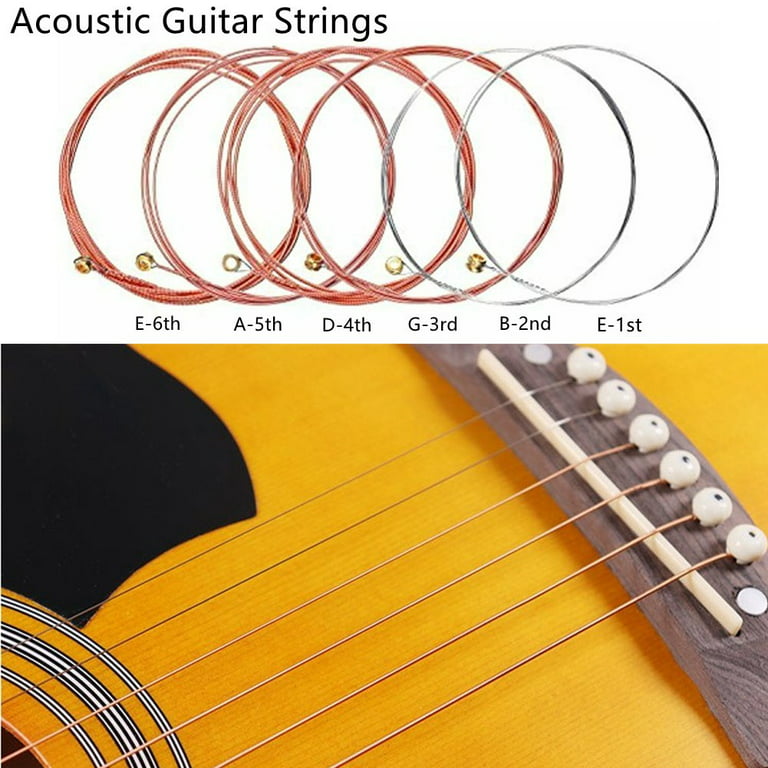
The answer to how much are guitar strings is not based on brand alone. Several features affect the cost, feel, life, and tone of a string set.
String material
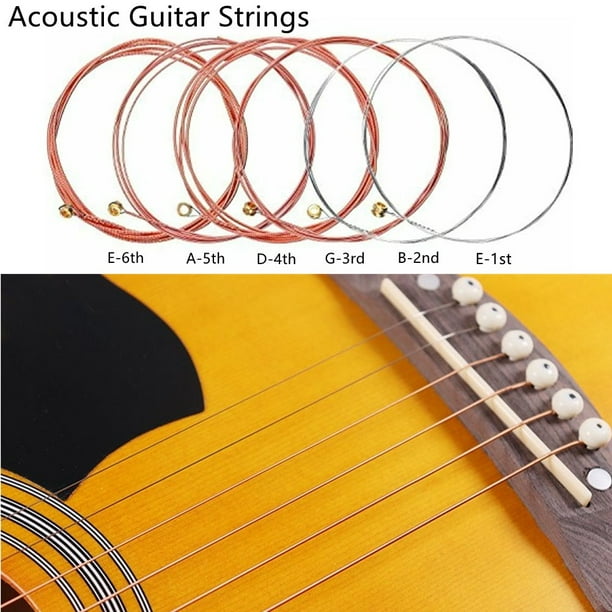
Most guitar strings use steel, nickel, bronze, phosphor bronze, nylon, or special alloys.
Electric guitar strings often use nickel-plated steel. Pure nickel strings can cost more and may produce a warmer sound.
Acoustic guitar strings commonly use 80/20 bronze or phosphor bronze. Phosphor bronze strings often cost a little more because they offer a balanced tone and good resistance to corrosion.
Classical guitar strings use nylon or similar synthetic materials. They have a different design and should not be replaced with steel strings.
Coating
Coated strings have a thin protective layer. This layer helps keep sweat, oil, and dirt away from the metal.
Coated sets often cost $12 to $30. They may last longer than standard strings, especially for players with sweaty hands or humid storage areas.
However, coated strings are not perfect. Some players feel that they sound less bright or feel slightly smoother than uncoated strings.
String gauge
Gauge means the thickness of the strings. Light, medium, and heavy gauges are common choices.
Gauge does not always change the price by much. Still, specialty gauges can cost more because they are made for certain tunings, scale lengths, or playing styles.
Light strings are easier to bend. Heavy strings can sound fuller and work well for lower tunings, but they may feel harder to play.
Brand and manufacturing quality
Well-known brands often charge more because of research, quality control, packaging, and distribution. A higher price does not guarantee that you will like the sound, but trusted brands usually offer more consistent quality.
The best way to compare how much are guitar strings is to compare similar products. A coated electric set should not be compared directly with a basic acoustic set.

How Much Are Electric Guitar Strings?
Electric guitar strings usually cost $5 to $20 per set. A standard six-string set is often cheaper than a seven-string, eight-string, or specialty tuning set.
Common electric guitar string prices include:
• Basic nickel-plated steel strings: $5 to $9
• Regular premium strings: $9 to $15
• Coated electric strings: $12 to $20
• Seven-string guitar sets: $8 to $18
• Specialty or extended-range sets: $12 to $25
Electric guitar strings use magnetic metal materials. The strings work with the guitar’s pickups, so material can affect both tone and output.
For example, nickel-plated steel often gives a bright and flexible sound. Pure nickel tends to sound warmer. Stainless steel can sound very bright and may feel rougher on some guitars.
When I compare electric sets, I pay close attention to feel. Two sets with the same gauge can feel different because of their core shape, winding method, and outer material.
How Much Are Acoustic Guitar Strings?
Acoustic guitar strings usually cost $6 to $25 per set. The most common choices are 80/20 bronze and phosphor bronze.
Basic acoustic sets often cost $6 to $10. Premium uncoated sets may cost $10 to $16. Coated acoustic sets often cost $14 to $25.
Acoustic string prices also vary by guitar size and string count. A 12-string acoustic set usually costs more because it contains twice as many strings.
Phosphor bronze strings are popular because they offer warmth, clarity, and a balanced response. 80/20 bronze strings often sound brighter and more direct when new.
A beginner may not hear a large difference between several brands at first. After playing for a while, your ear will become more sensitive to brightness, warmth, sustain, and finger feel.
How Much Are Classical Guitar Strings?
Classical guitar strings usually cost $7 to $20 per set. Premium sets can cost more when they use advanced materials or special tension designs.
Classical strings include:
• Nylon treble strings
• Wound bass strings
• Normal-tension sets
• High-tension sets
• Low-tension sets
Classical guitar strings are not the same as steel acoustic strings. Steel strings create too much tension for many classical guitars and can damage the instrument.
Normal-tension strings are a safe starting point for many players. High-tension strings may offer a firm feel and strong projection, while low-tension strings can feel softer and more relaxed.
If you are unsure which strings to buy, check your guitar maker’s recommendations. The correct tension can improve comfort and protect the neck and bridge.
How Much Are Bass Guitar Strings?
Bass guitar strings usually cost $15 to $40 or more per set. Five-string and six-string bass sets often cost more than four-string sets.
Bass strings use thicker wire and more material. They also require larger packaging and more specialized manufacturing.
Common bass string prices include:
• Four-string roundwound sets: $15 to $30
• Four-string flatwound sets: $25 to $45
• Five-string sets: $20 to $40
• Six-string sets: $25 to $50 or more
Roundwound strings are bright and common in rock, pop, country, and metal. Flatwound strings feel smoother and produce a warm sound that suits jazz, blues, and vintage styles.
Bass players often replace strings less often than guitar players. Some prefer the sound of fresh strings, while others like the softer tone of older strings.
Are Expensive Guitar Strings Worth It?
Expensive strings can be worth the money if they last longer, feel better, or provide the sound you want. They are not automatically better for every player.
A $20 coated set may be a better value than three $7 sets if it lasts three times as long. On the other hand, a beginner who is still learning may prefer affordable uncoated strings.
Consider these factors:
• How often you play
• How much your hands sweat
• Whether you perform in public
• How important tone is to you
• Whether you like bright or mellow strings
• How often you want to change strings
A working musician may spend more to avoid string failures during a show. A casual player may save money with a standard set and change it when the tone becomes dull.
The best value is the set that meets your needs at the lowest reasonable long-term cost.
How Often Should You Replace Guitar Strings?
Many players replace guitar strings every one to three months. Frequent players may change them every few weeks, while occasional players may use the same set for several months.
Replace your strings when you notice:
• A dull or lifeless tone
• Rust or dark spots
• Rough areas under your fingers
• Poor tuning stability
• Strings that feel stiff or sticky
• Frequent breakage
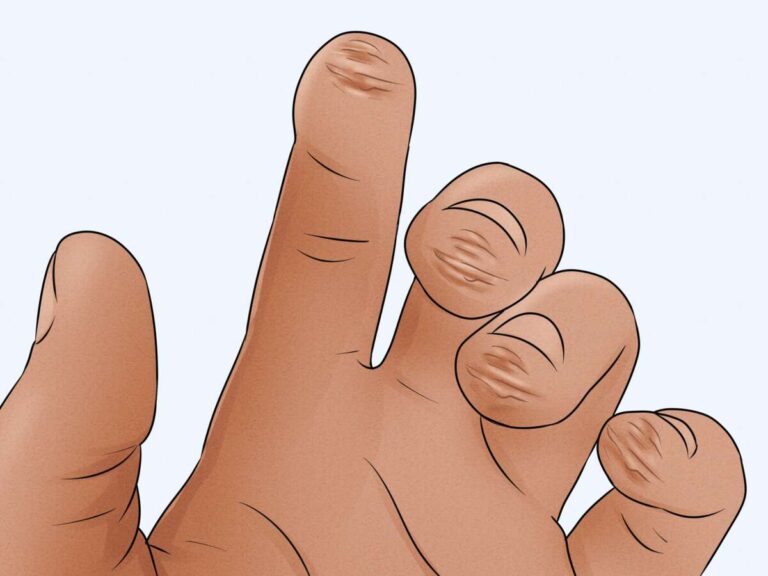
Sweat and skin oil slowly damage metal strings. Dirt also collects around the frets and bridge. This can make strings sound dull and may increase fret wear.
There is no single correct schedule. Your ears and hands are better guides than a calendar.
In my experience, one common mistake is waiting until every string is nearly dead. Fresh strings can make a guitar feel easier to play and can reveal setup problems that were hidden by old strings.

How Much Do Guitar Strings Cost Per Year?
The yearly cost depends on how often you change strings and which type you use.
For example, a casual player might buy four $8 sets each year:
$8 × 4 = $32 per year
A regular player might buy twelve $12 sets:
$12 × 12 = $144 per year
A performing musician might use twenty-four $18 sets:
$18 × 24 = $432 per year
These figures do not include tools, shipping, or emergency purchases. Buying multi-packs can reduce the cost.
You can estimate your yearly string budget with this simple formula:
Number of sets used each year × price per set = yearly string cost
Coated strings may reduce replacement time, but the upfront cost is higher. Keep notes for a few months and compare how long each set lasts.
Where Should You Buy Guitar Strings?
You can buy guitar strings from local music stores, large retailers, online music shops, and manufacturer websites.
Local music stores
Local stores let you ask questions and inspect the packaging. They may also help you choose the right gauge or string type.
The price may be slightly higher than online. Still, personal advice and immediate access can be valuable.
Online retailers
Online stores often offer a wider selection and lower prices. They are useful when you already know the brand, gauge, and instrument type you need.
Check shipping costs and delivery times. A low listed price may not be a bargain after shipping.
Multi-packs
Multi-packs are often the cheapest choice for regular players. Store extra sets in a cool, dry place and keep them sealed until needed.
Avoid buying a large supply of unfamiliar strings. Test one or two sets first to make sure you like the tone and feel.
How to Save Money on Guitar Strings
You do not need to sacrifice sound to lower your string budget.
• Buy multi-packs when you already trust the set.
• Compare the price per set, not only the package price.
• Look for seasonal sales and store promotions.
• Use a string winder to speed up changes and reduce frustration.
• Wash and dry your hands before playing.
• Wipe strings with a clean, dry cloth after playing.
• Store your guitar away from extreme heat and humidity.
• Avoid buying the wrong gauge for your instrument.
Cleaning your hands is one of the simplest ways to extend string life. It will not make strings last forever, but it can slow the buildup of oil and dirt.
Do not use household cleaners on guitar strings. Some products can damage the finish, hardware, or string coating.
Choosing the Right Guitar Strings
Price should be only one part of your decision. The correct strings should match your guitar, tuning, technique, and preferred sound.
Use this basic guide:
• Choose light strings for easier bends and a softer feel.
• Choose medium strings for a fuller sound and stronger projection.
• Choose heavy strings for lower tunings and firm picking.
• Choose coated strings if corrosion is a frequent problem.
• Choose uncoated strings if you prefer maximum brightness and a traditional feel.
• Choose phosphor bronze for a balanced acoustic tone.
• Choose 80/20 bronze for a brighter acoustic sound.
• Choose nickel-plated steel for a versatile electric tone.
Always check the manufacturer’s recommended gauge. A major gauge change can affect neck relief, action, intonation, and tuning.
If you change from light to heavy strings, your guitar may need a setup. A qualified guitar technician can adjust the instrument safely.
Common Mistakes When Buying Guitar Strings
Buying strings seems simple, but a few mistakes can waste money.
Buying the wrong instrument type
Electric, acoustic, classical, and bass strings are not interchangeable. Read the package carefully before purchasing.
Ignoring string gauge
A string set with the wrong gauge can make the guitar feel uncomfortable. It can also change the setup and tuning behavior.
Choosing only by price
The cheapest strings may sound good at first but lose their tone quickly. Compare durability and cost per month, not only the first purchase price.
Changing the string type too often
Trying new strings is useful, but constant switching makes it hard to learn what works. Test each new set for at least a few playing sessions.
Storing strings in damp conditions
Humidity can damage strings before you even install them. Keep unopened sets sealed and store them in a dry place.
Frequently Asked Questions About How Much Are Guitar Strings
How much are guitar strings for beginners?
Beginner guitar strings usually cost $6 to $12 per set. A standard, uncoated set is often the best starting point because it is affordable and easy to replace.
How much are guitar strings at a music store?
Most music stores sell guitar strings for about $7 to $25 per set. Specialty, coated, extended-range, and bass strings may cost more.
How long do expensive guitar strings last?
Premium or coated strings may last several weeks to a few months, depending on playing time, sweat, storage, and cleaning. They can be a good value when they remain usable longer than cheaper sets.
Are acoustic and electric guitar strings the same?
No. Acoustic and electric guitar strings use different materials and designs for different instruments and pickups. Using the wrong type can produce poor tone or create setup problems.
Can I put steel strings on a classical guitar?
Usually, no. Steel strings can create excessive tension and may damage a classical guitar’s neck, bridge, or top.
Are coated guitar strings worth the extra cost?
Coated strings are often worth it for players who play frequently or have sweaty hands. They cost more, but their longer usable life may lower the cost of frequent replacements.
Does string gauge change the price?
String gauge usually has only a small effect on price. Specialty gauges and sets for unusual tunings may cost more than standard light or medium sets.
Conclusion
Guitar strings usually cost $6 to $30 per set, while bass and specialty strings can cost more. Electric, acoustic, classical, and bass guitars each need the correct string type, material, and gauge.
The best choice depends on your playing habits, tone preferences, budget, and how long you want each set to last. Start with a reliable standard set, track how it feels and sounds, then try coated or premium options if they solve a real problem.
Choose your next set with confidence, install it carefully, and share your favorite guitar string brand or gauge in the comments.

Senior Music Reviewer
Alex Carter is a seasoned music reviewer with over a decade of experience in the world of sound and instruments. Passionate about helping musicians and enthusiasts make informed choices, he brings sharp insights and in-depth knowledge to every review. From classical instruments to modern gear, Alex combines technical expertise with a love for music to deliver content that resonates with readers.
As a Senior Music Reviewer and expert author on Tuneluma.com, Alex is dedicated to sharing honest evaluations, practical advice, and thoughtful commentary to guide readers in their musical journey.