How To Tune A Tom Tom Drum: Quick Pro Guide
Tighten lugs evenly, tune batter and resonant heads to taste, and check pitch across the drum.
I’ve spent years working with drums in practice rooms and small gigs, tuning kits so they sound right in many rooms. This guide walks you through how to tune a tom tom drum with clear steps, practical tips, and real-life fixes. You’ll learn the why and the how, so your toms sit well in both mixes and live sets.
Understanding the tom tom: anatomy, tone, and why tuning matters
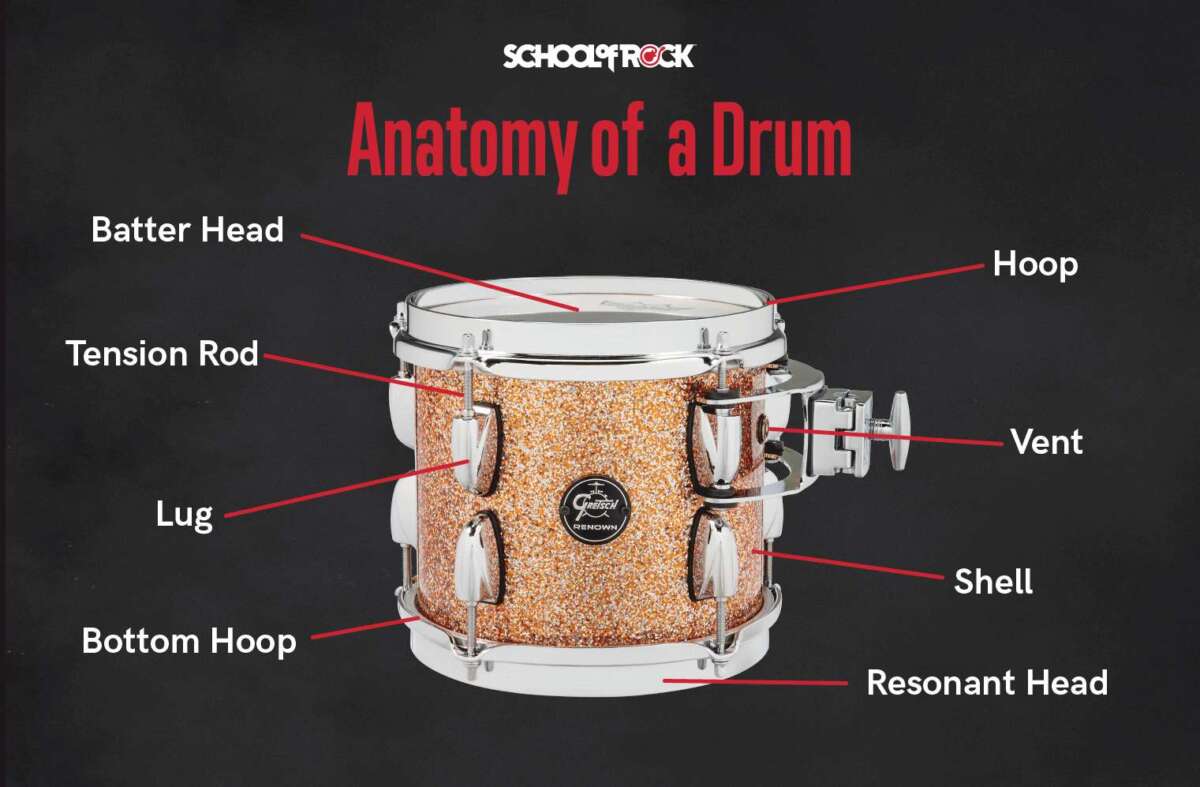
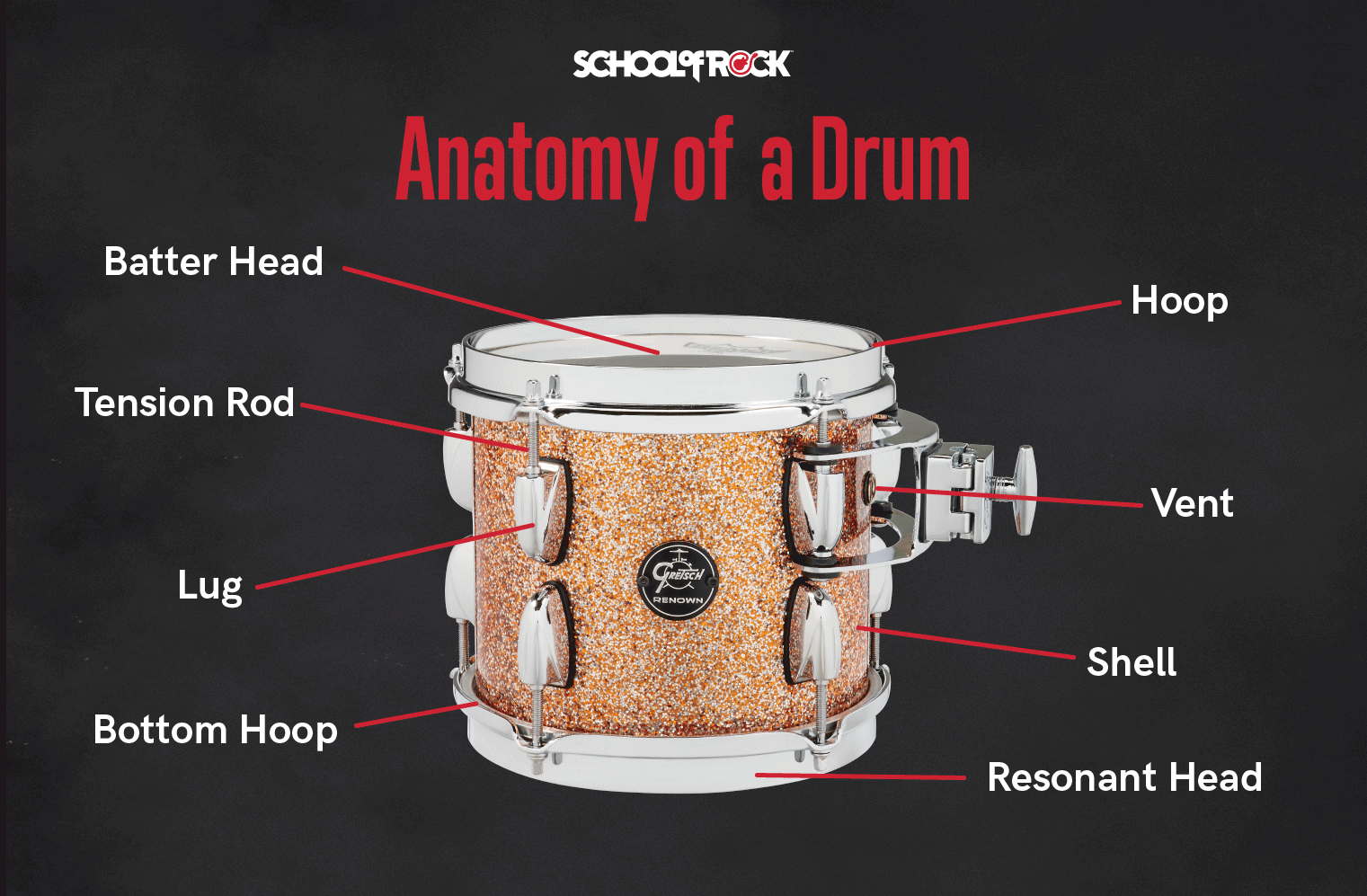
A tom tom is a pitched drum with two heads: the batter (top) and the resonant (bottom). Knowing the parts helps when you learn how to tune a tom tom drum. The shell, hoop, lugs, tension rods, heads, and mounting all shape the tone.
Why tuning matters
- Tuning sets pitch and sustain.
- Proper tuning brings out the drum’s character.
- Bad tuning causes unwanted overtones and dead spots.
Types of toms and heads
- Rack toms, floor toms, and piccolo toms each behave differently.
- Coated heads often sound warmer; clear heads sound brighter.
- Thinner heads tune higher and respond faster; thicker heads give more low end.
A quick note on pitch and musical use
- Low toms sit with the kick drum.
- Mid toms fill the middle range.
- High toms cut through fills and accents.
Source: drumeo.com
Tools and preparation for tuning a tom tom drum
You don’t need much to tune a tom tom. Start simple and add gear as you grow.
Essential tools
- Drum key for tension rods.
- Soft cloth for cleaning.
- Small straight edge or tape measure to check head seating.
Nice-to-have tools
- Drum dial or electronic tuner for exact pitch.
- Head lifter for stubborn rims.
- Muffling pads or gels for unwanted overtones.
Prep steps before you tune
- Loosen all tension rods until the head is even and slack.
- Wipe the bearing edge and rim to remove dust and debris.
- Seat the head by pressing lightly in the center, then finger-tighten each rod.

Source: schoolofrock.com
Step-by-step: how to tune a tom tom drum
Follow these clear steps to tune a tom tom drum with consistency and speed.
- Finger-tighten the rods
- Tighten each rod by hand until they feel snug and even.
- This centers the head and stops uneven seating.
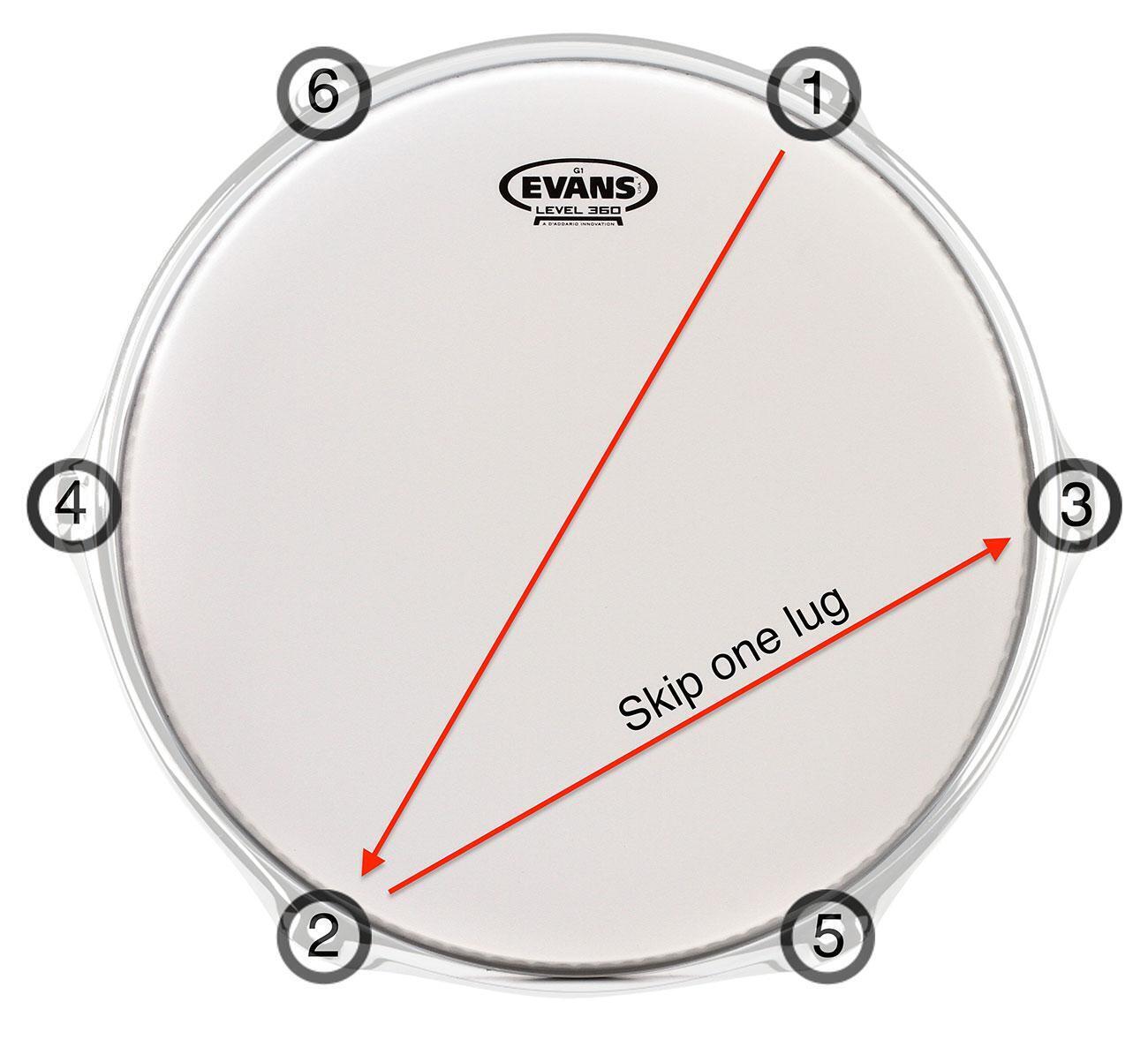
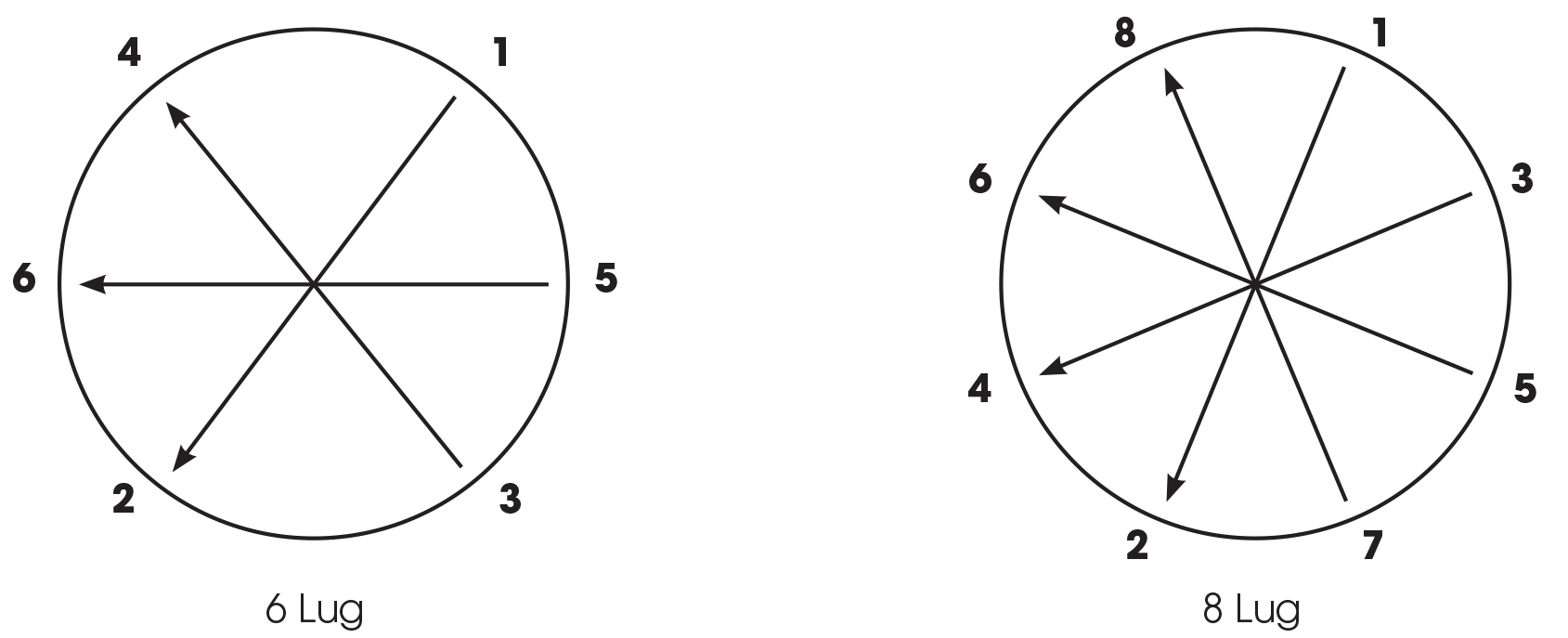
- Use a star pattern
- Turn each rod a half turn in a star or crisscross pattern.
- Move across the drum to keep tension even around the head.
- Tap-test the lug area
- Tap the head about an inch from each lug with a stick or finger.
- Listen for consistent pitch at each lug before raising overall tension.
- Raise pitch in small increments
- Make 1/8 or 1/4 turns per lug and recheck around the drum.
- Small turns maintain balance and reduce bad overtones.
- Tune the resonant head
- Tune the bottom head to taste. Match it close to the top for clear sustain or tune lower for boomier sound.
- For focused tone, tune bottom a few semitones below the top.
- Check tone while playing
- Play fills and hit the tom in normal playing spots.
- Adjust batter or resonant until the drum sits right in context.
Personal tip from experience
- I often tune by ear first, then confirm with a drum dial when recording. Over-tightening is the most common mistake.

Source: youtube.com
Tuning for tone, intervals, and context
How you tune a tom tom drum depends on style and setting. Small changes change the sound a lot.
Common tuning goals
- Open sustained toms for rock and big fills.
- Short, dry toms for funk and studio work.
- Medium sustain for pop and live band use.
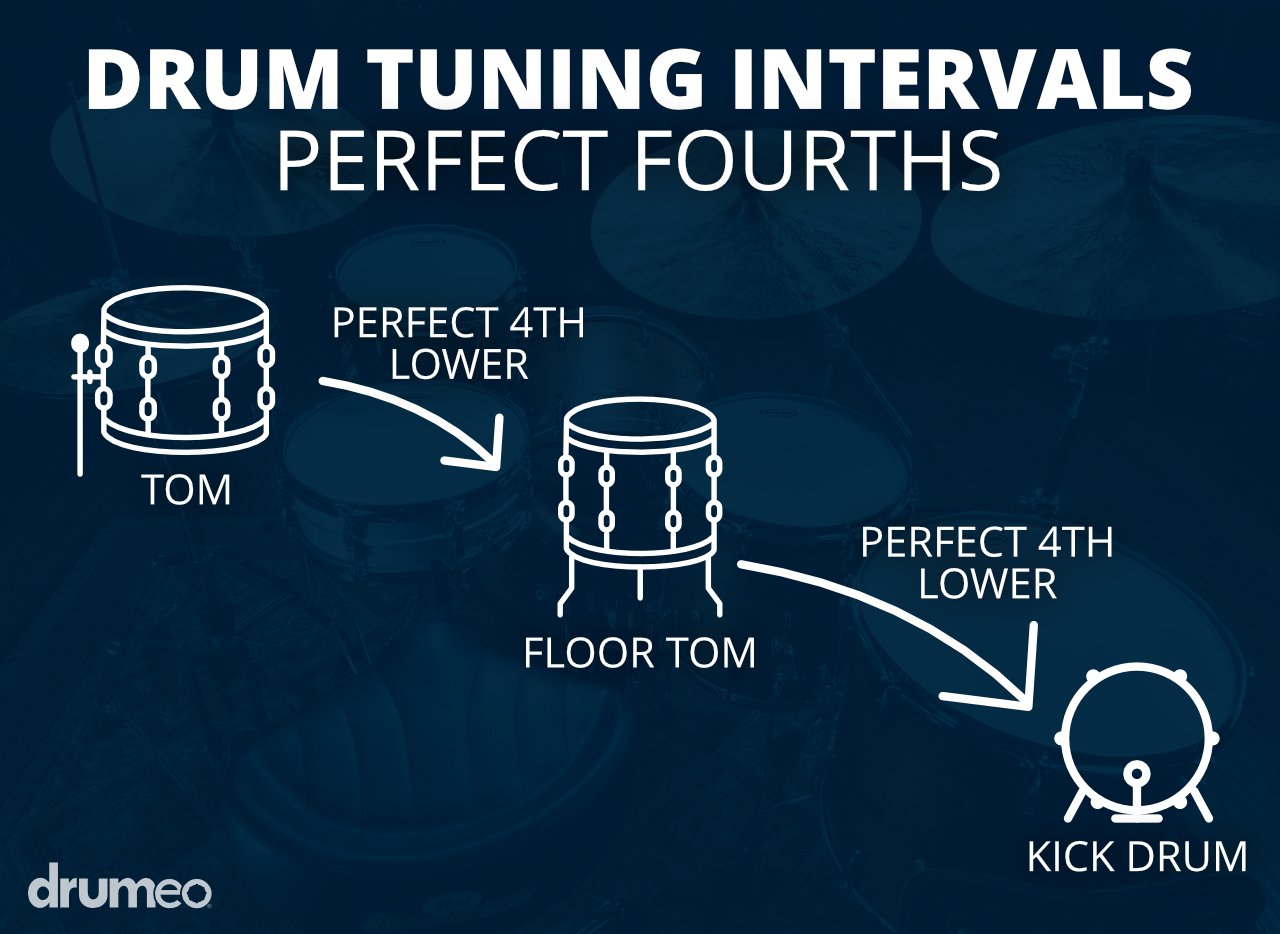
Tuning intervals between toms
- Tune toms in simple intervals so they blend: fourths, fifths, or octaves work well.
- Example: If low tom is D, mid tom can be G (fourth) and high tom C (fifth above G) for pleasing fills.
- Keep intervals consistent so fills sound musical.
Top vs bottom head choices
- Tight bottom head = brighter attack and longer sustain.
- Loose bottom head = warmer tone and shorter sustain.
- Experiment until the tom matches the kit and room.
Using a drum dial or tuner
- Drum dials give repeatable tension values.
- Tuners show pitch in Hz or musical notes.
- Use them when you need consistent results across sessions.
Source: schoolofrock.com
Common problems and fixes when tuning a tom tom drum
You’ll run into issues. Here are short fixes that work.
Ringing overtones
- Add mild muffling like a small ring or gel near the edge.
- Tune resonant head a bit lower to reduce wolf tones.
Uneven pitch around the drum
- Loosen and re-seat the head, then finger-tighten again.
- Use the star pattern and small turns.
Drum sounds dead or flat
- Check if the head is old or damaged. Replace if needed.
- Try a thinner head or tune higher for more resonance.
Mounting buzz or rattles
- Check the mount and hardware. Tighten loose screws.
- Add felt or rubber washers to reduce vibration.
Tuning that drifts with temperature
- Allow the drum to acclimate to the room.
- Recheck tuning before performances and after long drives.

Source: boldmusiclessons.com
Advanced techniques and experiments for great tom tone
Once you know the basics, try these methods to refine your sound.
Pitch mapping
- Tune toms to a scale to create melodic fills.
- Keep intervals small and logical so fills are musical.
Controlled sustain
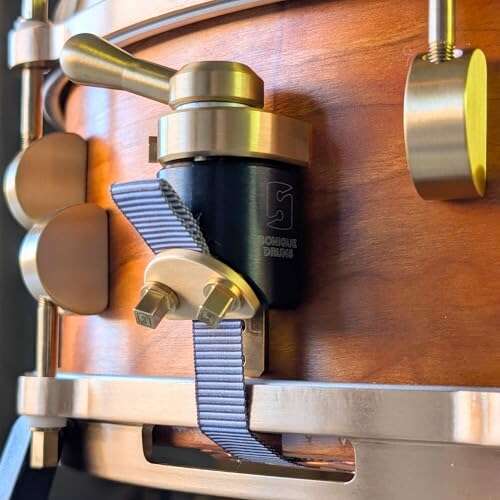
- Use internal damping like moon gels or foam for studio work.
- Use external clamps or tape for live sets to prevent wash.
Cross-head techniques
- Tune bottom slightly higher for a snappy chop.
- Tune bottom lower for a round, warm sound.
Recording tips
- Mics close to the batter and a room mic capture both attack and body.
- Record dry and add reverb later if you need a bigger space.
Personal experiment
- I once tuned a rack tom an interval higher than the snare to cut through in a small club. It changed fills and brought life to the set. Try small, subtle changes and listen.

Source: schoolofrock.com
Maintenance and long-term care
Good care keeps tuning stable and saves money.
Head lifespan and replacement
- Replace heads when dents or loss of tone appear.
- Rotate old heads to different toms to extend life.
Lug and hoop care
- Keep lugs clean and lightly lubricated on threads.
- Tighten loose lugs but avoid overtightening the threads.
Climate and storage
- Store drums in stable temperature and humidity.
- Use cases for travel and avoid leaving drums in hot cars.
Routine check
- Check tuning each week if you gig often.
- Re-seat heads after long storage or heavy play.
Source: soundpercussionlabs.com
Frequently Asked Questions of how to tune a tom tom drum
How tight should I make the tom tom head?
Tighten until the head feels even and the drum rings clearly without harsh overtones. Use small turns and trust your ears; a drum should have a clear pitch and musical sustain.
Should I tune the top and bottom heads to the same pitch?
You can, but you don’t have to. Matching them gives a clear tone and longer sustain. Tuning the bottom lower makes the drum darker and shorter.
Can I tune a tom tom drum by ear without tools?
Yes. Many drummers tune by ear using taps around the head and adjusting in a star pattern. Tools help with repeatability but ears guide the final tone.
How often should I change tom heads?
Change heads when tone drops, when they show visible damage, or every 6–12 months for regular players. Heavy hitters or road kits may need new heads more often.
What causes a tom to have a dead spot?
Dead spots come from uneven tension, damaged bearing edges, or a warped head. Re-seat the head, check lug tension, and replace the head if needed.
Is it better to tune toms high or low for recording?
Recordings often favor a balanced tone with controlled sustain. Tune to fit the song; slightly higher for attack, slightly lower for warmth. Use damping in the room if sustain is too long.
How do I stop my tom from rattling on the mount?
Tighten mount hardware and add felt washers where the tom contacts the stand. Check for loose screws and replace worn mounting parts.
(End of FAQ)
Wrap up and next steps
You now have a clear path for how to tune a tom tom drum. Start with proper prep, use the star pattern, tune both heads to taste, and check the drum in its musical context. Take time to listen and make small changes. Practice tuning before shows and note settings that work for each room.
Try this today: pick one tom, practice the finger-tighten and star pattern method, then record a short fill to compare changes. Share your results or ask questions below. If you want more tips, subscribe or leave a comment so I can cover mic placement and drum head myths next.

Senior Music Reviewer
Alex Carter is a seasoned music reviewer with over a decade of experience in the world of sound and instruments. Passionate about helping musicians and enthusiasts make informed choices, he brings sharp insights and in-depth knowledge to every review. From classical instruments to modern gear, Alex combines technical expertise with a love for music to deliver content that resonates with readers.
As a Senior Music Reviewer and expert author on Tuneluma.com, Alex is dedicated to sharing honest evaluations, practical advice, and thoughtful commentary to guide readers in their musical journey.