What Is A Drum Machine: Beginner Guide To Beats
A drum machine is an electronic device or software that creates and sequences drum and percussion sounds.
I’ve worked with drum machines in studios and on stage for years, and I’ll walk you through what is a drum machine, how it works, why it shaped modern music, and how to choose or use one today. This guide mixes clear explanations, practical tips, and firsthand lessons to help producers, performers, and curious listeners understand what is a drum machine and how it can fit into your workflow.
What is a drum machine?
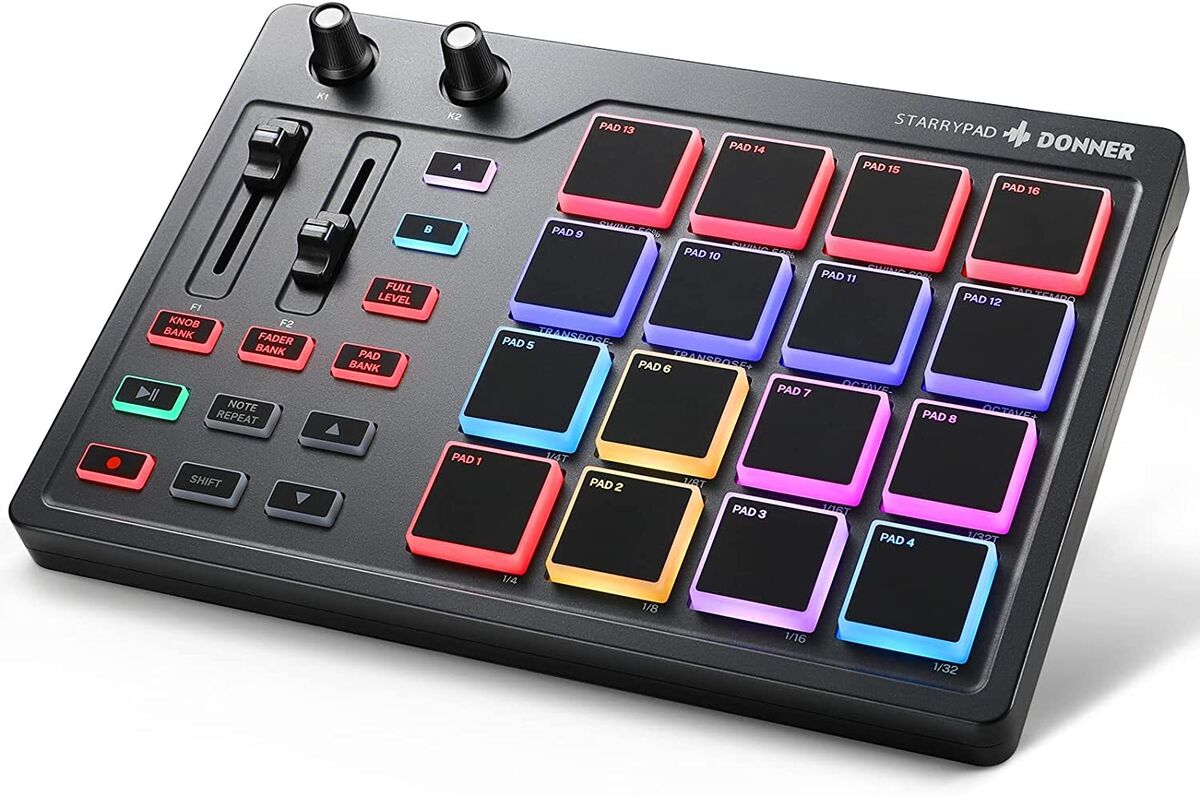
A drum machine is a tool that produces drum and percussion sounds and arranges them into patterns. It can be hardware, like a box with pads and knobs, or software inside a laptop or tablet. Many drum machines let you program beats, change sounds, and sync with other gear. Understanding what is a drum machine helps you pick the right tool for making rhythm quickly and creatively.
A short history of drum machines
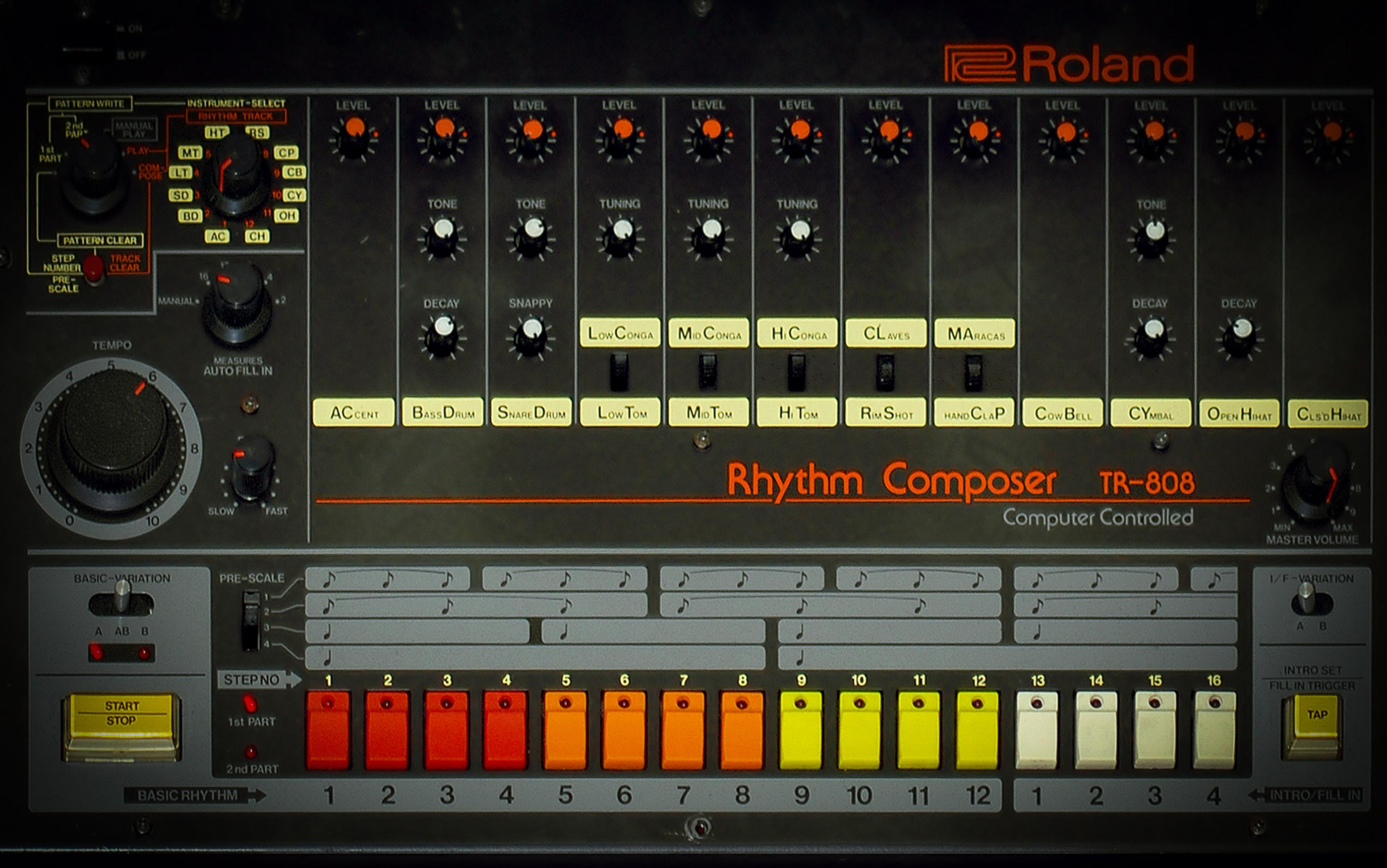
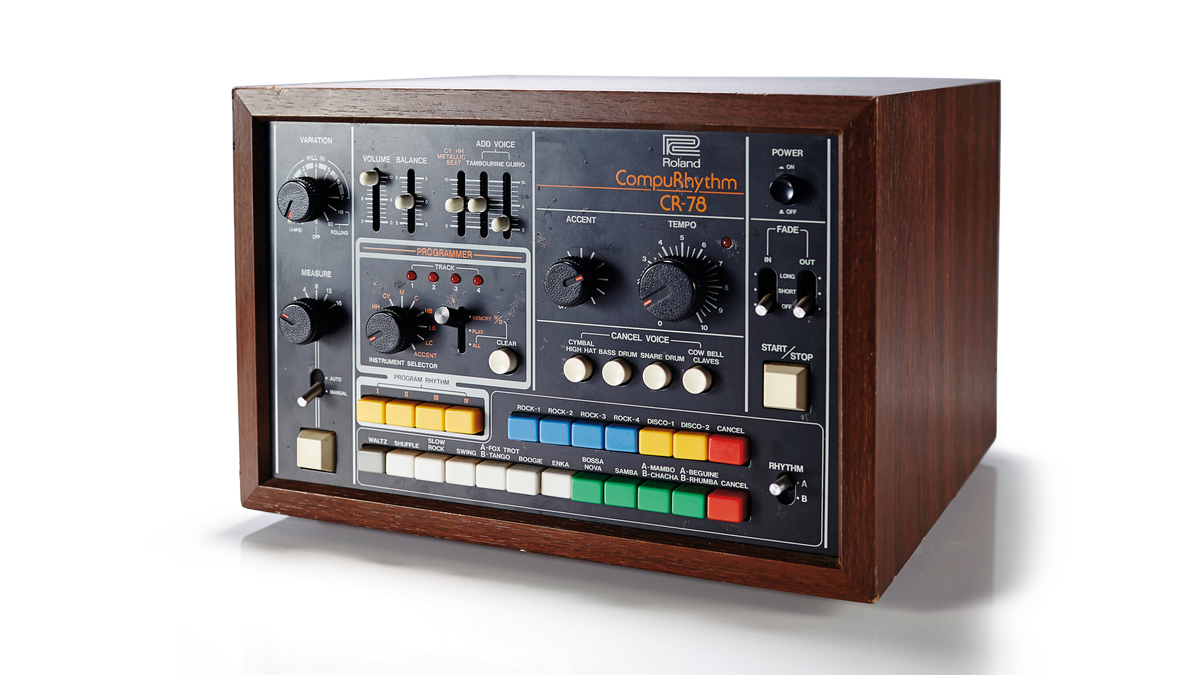
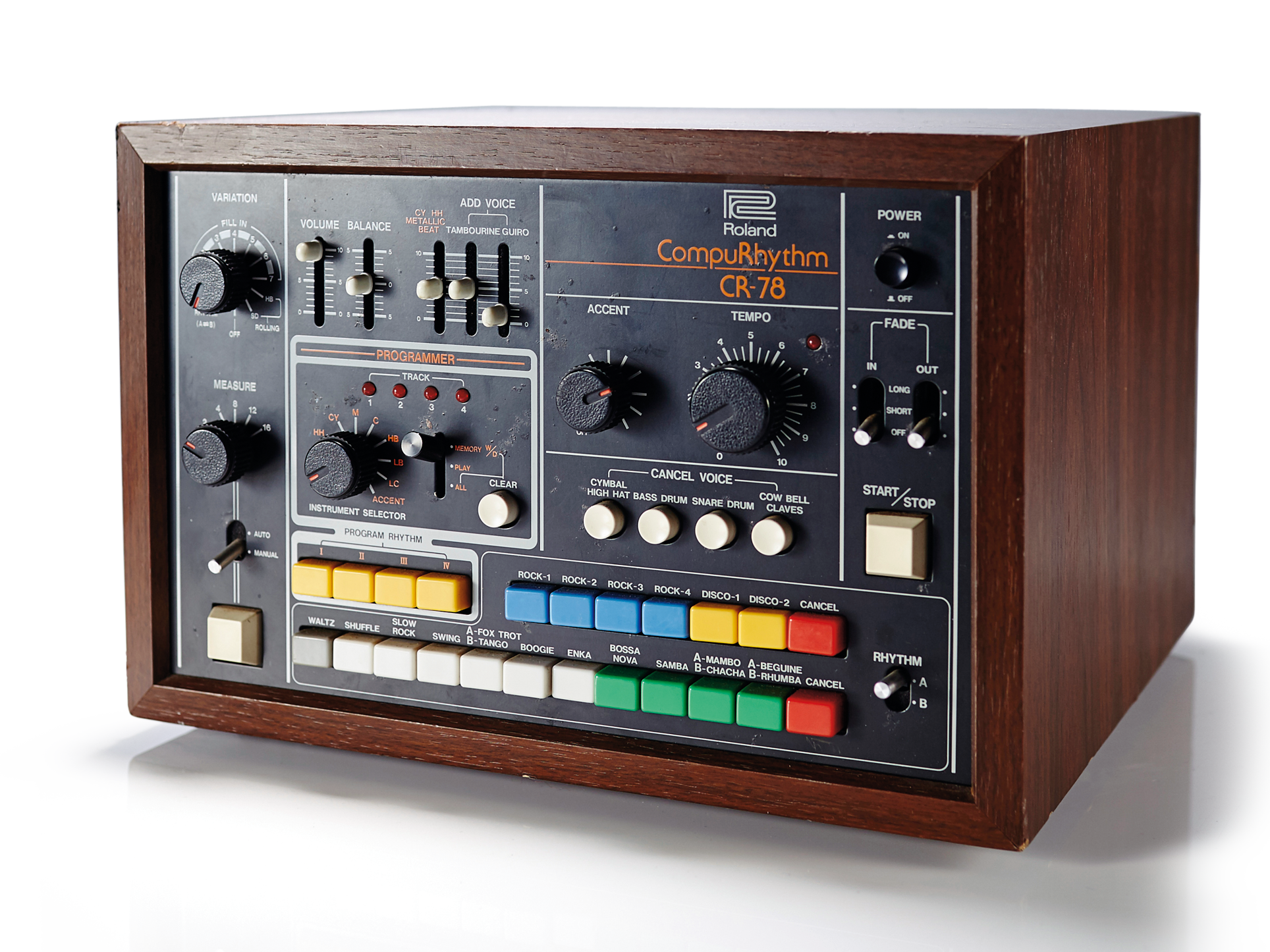
Early drum machines began as mechanical or electro-mechanical rhythm boxes in the mid-20th century. By the 1970s and 1980s, analog and digital drum machines introduced programmable patterns and distinctive electronic sounds. These devices changed genres from disco to hip-hop and techno by offering precise rhythms and unique timbres. Knowing what is a drum machine includes seeing its role in music history and production.
How a drum machine works
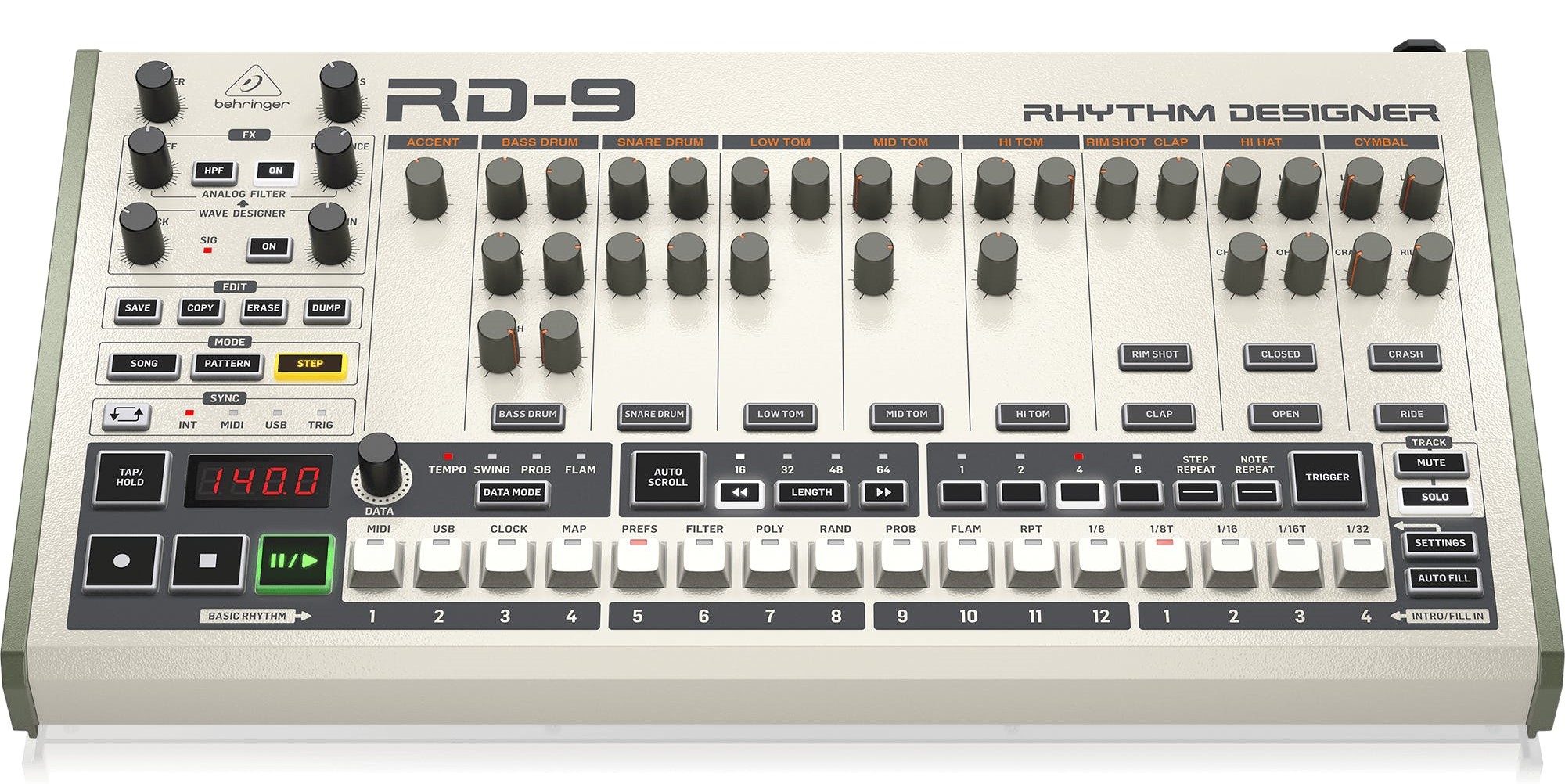
At its core, a drum machine plays back or generates drum sounds and sequences them in time. Basic elements include:
- A sound engine that uses synthesis or samples to produce drum hits.
- A sequencer that arranges hits into patterns and songs.
- Timing controls like tempo, swing, and quantize for groove.
- Connectivity such as MIDI and audio outputs to integrate with instruments and DAWs.
There are two main sound methods:
- Synthesis: Generates sounds with oscillators, filters, envelopes, and noise.
- Sampling: Plays back recorded drum hits or loops at different pitches and velocities.
Common workflow steps:
- Select or craft a sound.
- Place hits on the sequencer grid.
- Adjust timing, velocity, and effects.
- Chain patterns into a full arrangement.
PAA-style questions
- What is a drum machine used for? A drum machine creates rhythmic patterns for recordings, live sets, and practice. It replaces or complements live drummers.
- Can a drum machine sound natural? Yes, with velocity variation, swing, and humanization, it can sound organic. Layering samples also helps.
- Do I need a drum machine if I use a DAW? Not necessarily. DAWs include drum plugins, but a hardware drum machine can speed workflow and add character.
Types of drum machines
Drum machines come in different forms. Here are common types:
- Analog drum machines: Use analog circuits for warm, punchy tones.
- Digital drum machines: Use samples or digital synthesis for precise sounds.
- Sample-based machines: Let you load and manipulate recorded drums.
- Grooveboxes: Combine a drum machine with synths and sequencers.
- Software drum machines and plugins: Run inside DAWs and offer deep editing and effects.
Each type answers a different need for tone, workflow, portability, and budget. When you ask what is a drum machine for you, think about sound character and how you like to work.

Drum machine vs sampler vs drum kit
It helps to compare related tools:
- Drum machine: Focuses on sequencing and producing drum sounds. Often includes pads and a pattern editor.
- Sampler: Focuses on editing and replaying recorded sounds. A sampler can be used inside a drum machine or alone.
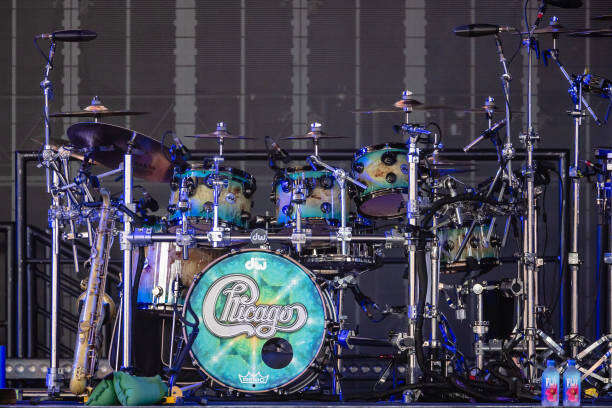
- Acoustic drum kit: Played live by a drummer. Offers full expressiveness and nuance but requires miking and space.
Each tool has a role. A drum machine excels at repeatable beats and electronic textures. Combining devices often yields the best results.
Uses and musical genres
Drum machines are everywhere. They shape the groove in many styles:
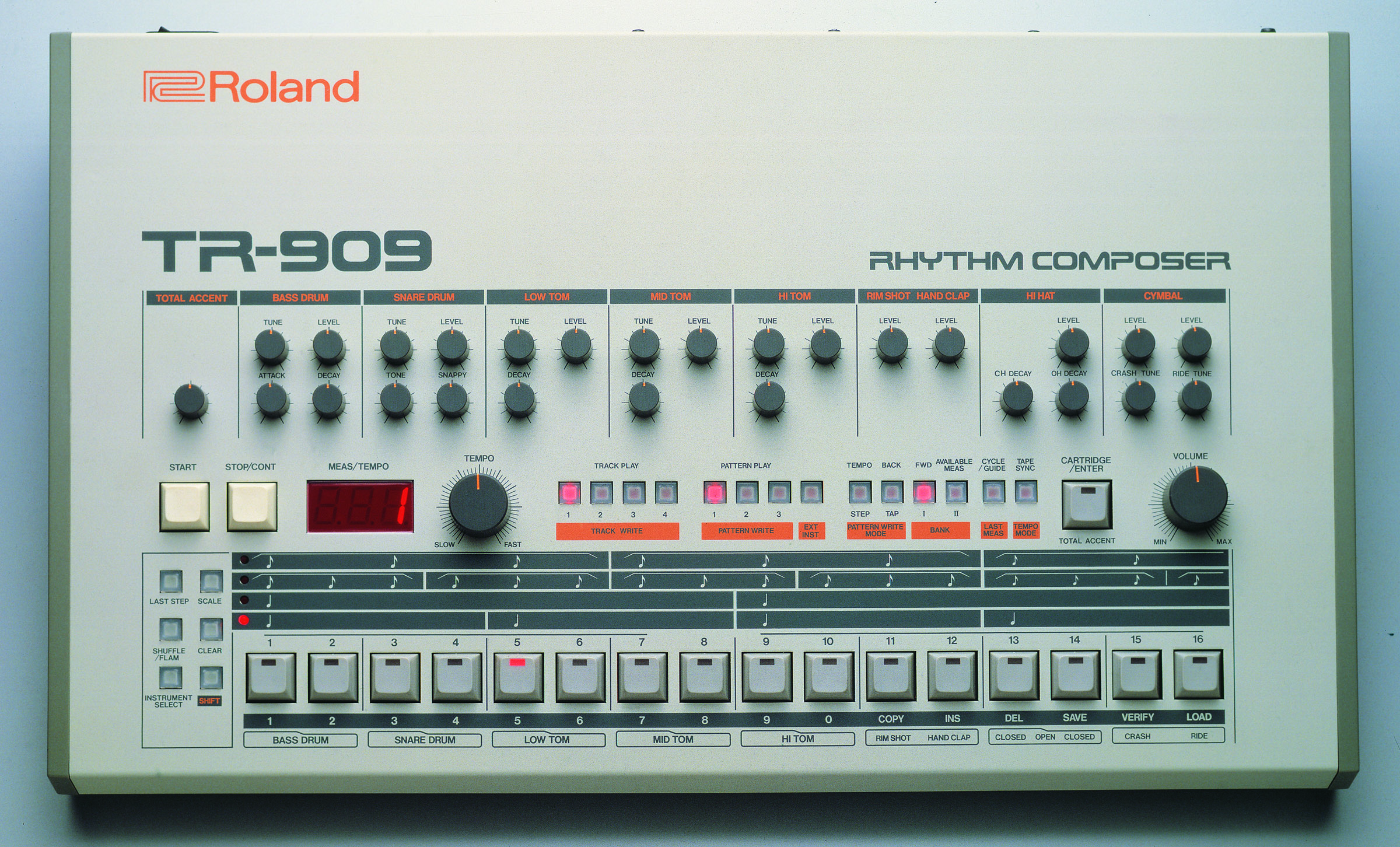
- Electronic and techno: Built around sequenced drum patterns and synthetic hits.
- Hip-hop: Uses programmed beats and chopped samples for rhythm and feel.
- Pop and rock: Drum machines add consistent grooves or augment acoustic drums.
- Experimental music: Sound design and rhythmic manipulation are key uses.
Producers use drum machines for sketching ideas, live sets, or polished productions. Knowing what is a drum machine in each context helps you choose whether to program, sample, or perform.
Benefits and limitations
Benefits of drum machines:
- Consistent timing and repeatability.
- Flexibility to craft or import sounds.
- Fast beat creation and pattern chaining.
- Portability for live performance and practice.
Limitations to consider:
- Can sound mechanical without humanization.
- Some models have limited memory or editing tools.
- Not a full replacement for a live drummer's expressiveness.
- Learning curve for advanced features and sequencing.
I’ve found that blending drum machines with live elements yields the best results. Use the machine for precision and the live player for feel.
How to choose a drum machine: practical buying guide
Decide on priorities before buying:
- Sound character: Do you want analog warmth, digital clarity, or sample flexibility?
- Interface: Do you prefer pads, knobs, or a screen-based workflow?
- Connectivity: Check MIDI, USB, CV/Gate, and audio I/O for your setup.
- Sequencer features: Pattern length, polyrhythms, swing, and steps matter.
- Portability and power: Battery options and size affect live use.
- Budget: Hardware ranges from affordable to high-end; software can be cost-effective.
Personal tips from my experience:
- Try it hands-on before buying if possible.
- Prioritize a workflow you enjoy; bad workflow ends projects.
- Check sample import and backup options to avoid data loss.
Common mistakes to avoid:
- Buying based only on nostalgia without testing modern features.
- Ignoring connectivity with your existing gear.
- Overlooking software updates and community support.
Practical tips and workflow tricks
Here are actionable ways to get better beats fast:
- Start with a simple pattern, then subtract to find the groove.
- Use velocity and micro-timing shifts to humanize sequences.
- Layer samples with synthesized hits for punch and character.
- Save pattern variations as snapshots to recall ideas quickly.
- Use swing sparingly; it can transform a robotic pattern into a groove.
- Route drum machine parts to separate channels in your DAW for mixing control.
A short real-world story: I once programmed a drum machine live and found the crowd responded more to small timing changes than to heavier sounds. That taught me to tweak timing first.
Frequently Asked Questions of what is a drum machine
What is a drum machine and how is it different from a drum kit?
A drum machine is electronic gear or software that creates and sequences drum sounds. An acoustic drum kit is played live and offers more expressive nuance than a programmed machine.
Can beginners use a drum machine?
Yes. Many drum machines are beginner-friendly with step sequencing and presets, while advanced users can dive into sound design and modulation.
Is a drum machine necessary for producing electronic music?
Not necessary, but very useful. Drum machines speed up beat creation and provide signature rhythmic tones common in electronic music.
How do drum machines connect to other gear?
Most drum machines use MIDI, USB, and audio outputs to sync with DAWs, synths, and other instruments for timing and sound routing.
Can I use a drum machine live with a band?
Yes. Drum machines are used live for click tracks, loops, or full rhythmic backing. Use separate outputs and monitor routing for better mix control.
How do I make a drum machine sound less robotic?
Vary note velocity, add slight timing shifts, layer multiple sounds, and use humanize or groove settings to add feel.
Are software drum machines as good as hardware?
Software can match or exceed hardware in features and sound quality. Hardware offers tactile control and hands-on performance that many producers value.
Does a drum machine require musical training?
No. Basic use needs no formal training. Learning basics of rhythm and timing improves programming skills quickly.
Can I import my own drum sounds into a drum machine?
Many modern drum machines allow sample import, letting you use custom sounds and recordings in your patterns.
What should I look for in a drum machine for live performance?
Look for reliable sync options, battery power or robust power supply, easy pattern switching, and sturdy build quality.
Conclusion
Drum machines changed how music is made by putting rhythm, timing, and sound design into a compact, programmable form. Whether you want to learn what is a drum machine for beat-making, live performance, or studio production, the right choice depends on sound, workflow, and connectivity. Try different models, practice sequencing with simple patterns, and blend drum machines with live elements to get the best results. If you’re curious, pick a beginner-friendly unit or plugin and start programming a beat today—then share what you create or ask questions below.

Senior Music Reviewer
Alex Carter is a seasoned music reviewer with over a decade of experience in the world of sound and instruments. Passionate about helping musicians and enthusiasts make informed choices, he brings sharp insights and in-depth knowledge to every review. From classical instruments to modern gear, Alex combines technical expertise with a love for music to deliver content that resonates with readers.
As a Senior Music Reviewer and expert author on Tuneluma.com, Alex is dedicated to sharing honest evaluations, practical advice, and thoughtful commentary to guide readers in their musical journey.