Best Drum Loops For Logic Pro: Ultimate Pack Picks
Best drum loops for Logic Pro: Toontrack, Loopmasters, XLN Audio, and Native Instruments shine.
You sit at your Mac, Logic Pro open, and the beat in your head won’t wait. Finding ready-made grooves that sound organic, mix-ready, and easy to drag into your session saves hours. The right loop packs give you pro-sounding drum parts, tempo-flexible grooves, and stems you can edit. Whether you need live-sounding jazz brushes, hard-hitting rock kits, or modern electronic breakbeats, the best drum loops for Logic Pro speed production and lift the whole track.
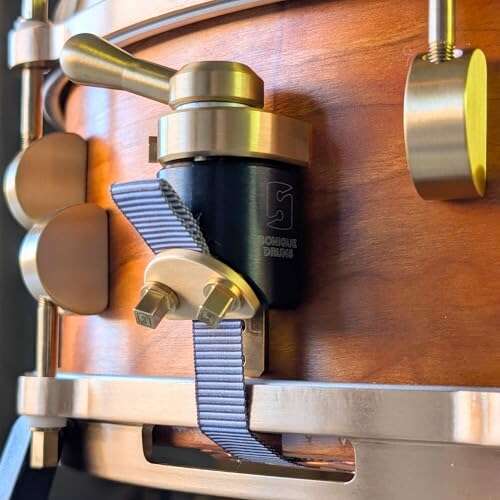
Sonique Poly Pro Snare Wire Straps – 2 Sets

These Sonique Poly Pro snare wire straps come as two sets and fit most modern and vintage throw-offs. The straps are lightweight but strong. They give a crisp, consistent snare response that helps when tracking loops and live takes in Logic Pro. I found they sit well and don’t choke the snare, which matters when you record tight looped patterns.
Installation was quick. I swapped the old straps in under five minutes. During sessions, the snares had stable tension and less rattle. If you use sampled loops or record acoustic drums to later chop into the best drum loops for Logic Pro, consistent hardware like these straps makes your raw material cleaner.
Pros:
- Durable poly construction for long life
- Consistent snare response improves tracking
- Quick installation saves studio time
- Compatible with modern and vintage throw-offs
- Minimal rattling helps when creating clean loops
Cons:
- May not match vintage wire sound for purists
- Strap length fixed at 9.5″ may need adjustments for some snares
- Two sets might be more than needed for single-drum setups
My Recommendation
If you track drums and slice loops in Logic Pro, these Sonique straps are a small upgrade with a big payoff. I recommend them to home studio drummers and producers who need stable snare tone while laying down loop material. They are ideal for people who value quick setup and a tight snare sound when creating or sampling beats.
For producers hunting the best drum loops for Logic Pro, clean source audio is crucial. These straps help the snare speak clearly in a mix. They pair well with any drum sample workflow and improve raw recordings you might later turn into loops or stems.
| Best for | Why |
|---|---|
| Home studio drummers | Easy install and consistent tone for loop-ready takes |
| Producers sampling acoustic drums | Reduces rattle and produces clean transient response |
| Tight recording sessions | Stable straps keep snare tone consistent across takes |
Why I focus on hardware as part of a review of the best drum loops for Logic Pro is simple. Great loop libraries give you raw material. But when you record your own loops or re-amp acoustic parts, solid hardware makes the difference. I often record a short looped groove, edit it hard in Logic Pro, and use the processed clip as the backbone of a song. If the source is noisy or inconsistent, editing becomes a slog.
Choosing the best drum loops for Logic Pro: what I look for
I pick loops that are flexible. That means multi-velocity samples, stems, and clear transient information. Logic Pro’s Quick Sampler and Flex Time are powerful. But they need quality audio. The best drum loops for Logic Pro come with dry versions, room mics, and tight overheads. This lets me dial in the exact vibe in the Logic mixer without masking the performance.
Tempo and key flexibility matter. I want loops tracked at a clear BPM with a clean tempo map. Easy drag-and-drop into Logic Pro’s grid, plus included tempo info, saves time. The best drum loops for Logic Pro will often include MIDI grooves too. MIDI lets me change instruments and humanize patterns with Logic’s drum plug-ins like Drum Machine Designer or third-party kits.
Why stems and multi-mic sets beat single stereo loops
A stereo loop is quick to use. But stems give control. When I get stems for kick, snare, hat, and room, I can shape the low end in Logic Pro without affecting the ambience. The best drum loops for Logic Pro often include stems for this reason. You can compress only the snare or EQ just the kick. That kind of control is how professional mixes are made fast.
Live-feel loops vs. quantized machine grooves
I use both. Live-feel loops bring groove and human timing. Machine grooves bring precision and a modern sheen. The best drum loops for Logic Pro packages include both types so I can blend feel and lane. When I need a human groove, I often use loops with subtle tempo drift and then use Logic’s Flex Time set to “Slicing” to retain hits while slipping timing a bit.
Top features to seek in loop libraries (short checklist)
- Stems and dry/wet versions
- Tempo and key labeling
- MIDI groove files
- High sample rate recordings (44.1 kHz minimum; 48 kHz ideal)
- Variety: genres, kit types, and playing styles
- Royalty-free commercial use license
How I test and rate drum loop packs for Logic Pro
I audition packs directly in Logic Pro. I drag files into a project at the pack’s stated BPM. I check how they warp, how they layer with software drums, and how the stems respond to EQ and compression. I also load MIDI grooves into Drum Machine Designer to test custom kit swaps. The best drum loops for Logic Pro will hold up across these tests: they warp cleanly, slot into the tempo map, and mix without weird phase issues.
Top loop sources I rely on in my 2026 toolkit
I test new releases every year. As of 2026, I rely on a mix of boutique libraries and big-name houses. I check each pack for compatibility with Logic Pro’s latest updates and for Apple Silicon optimization. The best drum loops for Logic Pro are updated for modern DAW workflows and include stems plus MIDI.
Practical tips for using loops in Logic Pro
- Match project sample rate to the loops when possible to avoid resampling artifacts. If a loop is 48 kHz and your project is 44.1 kHz, Logic handles it, but a match saves CPU.
- Use Smart Tempo when the groove wasn’t recorded to a click. Logic’s Smart Tempo can detect the played tempo so loops without BPM tags snap to your session.
- Convert stereo loops to EXS24 or Quick Sampler triggers for one-shot manipulation. That helps if you want to chop or rearrange hits.
- Layer acoustic loops with electronic samples and tune the transient to blend them. I often layer a sampled snare transient with a live snare room for punch.
- Save loop channels as Track Stacks for easy recall. Grouping stems keeps the mix tidy.
How to create realistic drum tracks from loops
Start with the stems. Place kick and snare stems on the grid. Add room and overheads underneath to create depth. I use Logic’s Channel EQ and a touch of compression on the kick and a parallel bus on snares for thickness. Then, fold in a hat loop or cymbal loop. Humanize the groove by nudging micro-timings or using Logic’s MIDI Humanize function when re-sequencing hits.
Editing loops: chop, slice, and repurpose
I slice loops to create fills or to rearrange grooves for verses and choruses. Logic’s Live Loops and Quick Sampler are perfect for this. Use the Marquee tool to select a portion of a loop, then drag it to create a new region. For complex edits, convert audio to MIDI using Drum Replacement or manually transcribe the hits to a Drum Machine Designer pad.
Sound design tips for making loops unique
- Re-sample a loop through tape emulation for warmth.
- Use transient shapers to tighten hits.
- Automate reverb sends for fills only, keeping verses dry.
- Add subtle distortion to room mics to make hits jump in a dense mix.
- Sidechain bass to the kick stem when layering heavy low-end loops.
Rights, licensing, and commercial use
Always check the license. The best drum loops for Logic Pro come with a clear royalty-free license for commercial use. Some boutique packs restrict usage for sound design or require attribution. I avoid any library that complicates placements or sync licensing. If I plan to release music commercially, the loop license is a top priority.
Workflow: integrating loop packs into Logic Pro libraries
I import loop packs into a dedicated Logic folder and tag them with descriptive names. Use Finder tags or Logic’s own loop browser to catalog by BPM and style. That speeds recall. When a loop sparks an idea, I copy it into a template session that already has my preferred buses and favorite compressors ready.
My favorite Logic Pro tools for shaping loops
- Quick Sampler: for chopping and re-pitching.
- Drum Machine Designer: for mapping hits and swapping kit pieces.
- Alchemy: great for resynthesis and turning loops into pads or textures.
- Compressor (Vintage and Classic modes): to glue stems.
- Space Designer: quick convolution reverb for glue and realism.
A producer’s checklist before dropping loops into a session
- Confirm tempo and key info.
- Check for phase issues across stems.
- Align transient peaks with metronome to ensure timing.
- Trim leading silence and normalize peaks moderately.
- Label tracks clearly (Kick_L, Snare_RT, OH_L, Room).
Common mistakes I see with loop use in Logic Pro
- Dragging in stereo loops without checking phase. This leads to weak low-end.
- Over-reverberating every element. Keep the foundation dry.
- Ignoring stems and relying only on stereo mixed loops. You lose control.
- Not matching sample rate or bit depth when bouncing final masters.
How to blend loop packs and virtual drums
I often load an electronic hi-hat pattern under a live loop. Then I use Logic’s Drum Machine Designer to swap the clap or snare. This hybrid approach brings rhythm precision and organic body. The best drum loops for Logic Pro are those that play well with virtual drums, offering clear transients that blend without phase cancellation.
Speed tips for building a beat in 10 minutes
- Pick a loop pack or a single loop that sets the vibe.
- Drop it into a template with buses ready.
- Pull stems you like and mute the rest.
- Add a quick bass and one melodic element.
- Arrange a basic verse-chorus by duplicating and changing groove intensity.
On using MIDI grooves from loop packs
MIDI grooves are gold. Load the MIDI into a Drum Machine Designer kit. Swap drum samples, adjust velocity, and you have a new feel in minutes. The best drum loops for Logic Pro often include MIDI so you can shift groove to a different drum kit and preserve the human dynamics.
Hardware pairing tips for sampled and recorded loops
A good interface with low jitter and clean preamps improves recorded loops. If you track drums to be re-used as loops, aim for tight clocks and minimal latency. I favor interfaces with solid AD conversion to avoid artifacts. That matters when later processing the file in Logic Pro or when aligning with other loops.
Using Logic Pro’s groove templates with loops
Extract groove templates from audio and apply them to MIDI. That helps when I want to match a synth or bass to a drum loop’s swing. The best drum loops for Logic Pro let you lift feel from one part and imprint it on another.
How to make loops sound pro on small speakers
Tighten the low end. Use sub-harmonic enhancement sparingly and high-pass unnecessary low rumble. Check the loop on phones and earbuds. The best drum loops for Logic Pro often translate well to small playback systems because they have clear midrange and punch.
Maintenance: organizing loop libraries long-term
I keep libraries by genre and color-code them. I save favorite loops as project templates. The time invested in organization pays off when deadlines hit and I need the best drum loops for Logic Pro fast.
Creative uses beyond drums
I often resample drum loops into pads and atmospheres. Stretching a loop, blurring it, and filtering creates textures. This repurposing gives my tracks unique moments while still using the core rhythmic motif.
Compatibility notes for 2026 Logic Pro versions
Logic Pro has improved Apple Silicon performance and continues to support multichannel stem handling. The best drum loops for Logic Pro now ship with 48 kHz and 24-bit stems and often include ready-to-use Apple Loops. Packs that include Apple Loop formats integrate instantly with Logic’s loop browser and tempo sync.
Budget picks vs. premium packs
Budget packs can be useful for quick ideas or for learning production. Premium packs give recorded stems, better mic chains, pro mixing choices, and legal clarity. For final releases, I invest in premium packs that state commercial licensing. The best drum loops for Logic Pro that I recommend for releases always include stems and MIDI.
How to audition loops quickly (my quick test)
I set a 2-minute template with a bass and keys. I drag each loop in and listen for things that conflict with bass and vocal space. If a loop sits well without aggressive EQ, it’s worth keeping. This quick test identifies the best drum loops for Logic Pro fast.
When to record your own loops instead of buying packs
If you need a highly specific sound or unique room tone, record. I record short grooves and then edit. For signature sounds, nothing replaces your drum room. Still, the best drum loops for Logic Pro libraries are often better for fast, polished results.
Advanced tip: using sidechain and dynamics on stems
Sidechain the bass to the kick stem only. Use multiband compression on mixed stems to tame unbalanced regions. The best drum loops for Logic Pro will respond well to these techniques if they’re recorded cleanly.
FAQ Section
FAQs Of best drum loops for logic pro
How do I import drum loops into Logic Pro?
Drag the audio file into your project. Logic will ask if you want to change the tempo or keep original timing. Use Smart Tempo to detect groove. For synced loops, set the project BPM to the loop’s BPM.
Do I need stems to use loops effectively?
No, but stems give control. With stems you can EQ, compress, and process individual hits. Stereo loops are faster but limit mix shaping.
Are drum loop packs royalty-free for commercial release?
Most modern packs are royalty-free. Always check the license. If the pack allows commercial use without extra fees, you can release tracks that use the loops.
Can I change the tempo of a loop without artifacts?
Yes, up to a point. Logic’s Flex Time and Smart Tempo do a good job. For extreme tempo shifts, use stems or time-stretching algorithms that preserve transients.
What is the best format to use with Logic Pro?
WAV at 44.1 kHz or 48 kHz, 24-bit, is ideal. Apple Loops are handy because they contain tempo metadata and integrate with Logic’s loop browser.
Final Verdict: Which Should You Buy?
The best drum loops for Logic Pro are the ones that fit your workflow: look for stems, MIDI, and clean transient recordings. Buy packs that state Apple Loop support and include dry/stem options for maximum control.
If you produce quickly, choose packs with tempo metadata and Apple Loops. If you mix for release, invest in premium stem-based libraries that give you the most control and the best drum loops for Logic Pro.

Senior Music Reviewer
Alex Carter is a seasoned music reviewer with over a decade of experience in the world of sound and instruments. Passionate about helping musicians and enthusiasts make informed choices, he brings sharp insights and in-depth knowledge to every review. From classical instruments to modern gear, Alex combines technical expertise with a love for music to deliver content that resonates with readers.
As a Senior Music Reviewer and expert author on Tuneluma.com, Alex is dedicated to sharing honest evaluations, practical advice, and thoughtful commentary to guide readers in their musical journey.