When Was The First Guitar Created: A 2026 Historical Guide
The first guitar-like instruments emerged over 3,500 years ago, though the modern guitar appeared around the 15th century.
Tracing the history of when was the first guitar created is a short trip through a very long story. I’ve spent years repairing vintage acoustic guitars and teaching music theory. That hands-on work shaped how I read the instrument’s past. Many people picture the guitar appearing all at once. In truth, the guitar is the result of thousands of years of craft, trade, and small design choices. To answer when was the first guitar created, we must look beyond modern electric models and into the world of early stringed instruments and resonant wood.
 <figcaption style=”font-size: 14px;color: #555;margin-top: 8px”>
Source: youtube.com
Exploring the Ancestry of the Guitar
When we ask when was the first guitar created, we must separate modern designs from their ancient cousins. Archaeology and music history point to early necked, stringed instruments with soundboxes as the main ancestors. Instruments such as the Tanbur in ancient Mesopotamia, the oud in the Middle East, and the Greek kithara shared features that later appear in guitars.
In my luthier work I see the same physics repeated. A hollow resonator, a tensioned string, and a fingerboard make sound in predictable ways. These ideas existed long before anyone used the word guitar. By the Middle Ages, those ideas had formed into lutes, vihuelas, and other plucked instruments. Those designs directly influenced the shapes and tunings that developed into what we now call the guitar.
Early Stringed Instruments: Mesopotamia to the Mediterranean
This section fills the gap between the earliest archaeological finds and the Renaissance instruments often called the “first guitars.” It gives context to when was the first guitar created by showing the chain of related instruments.
From Tanbur to Oud: key ancestors
Archaeologists have found depictions of long-necked instruments in Mesopotamia from around 2000–1500 BCE. The tanbur had a neck, a small soundbox, and plucked strings. The oud, a short-necked lute popularized in the medieval Islamic world, carried similar ideas westward. The Greek kithara and the Roman cithara added variations in shape and playing style. Each step passed on design ideas: neck length, frets or finger positions, resonant wood choices, and string materials.
Design elements that carried forward
Key design elements that persisted include: a hollow soundboard (often spruce or cedar), a neck to raise string length, and a system of tuning pegs. Early strings were gut, later replaced by nylon and steel. These materials affect tone, playability, and construction. When I repair old tops and bracing, I’m often reminded how consistent these building blocks are across time and culture.
Defining the Modern Guitar
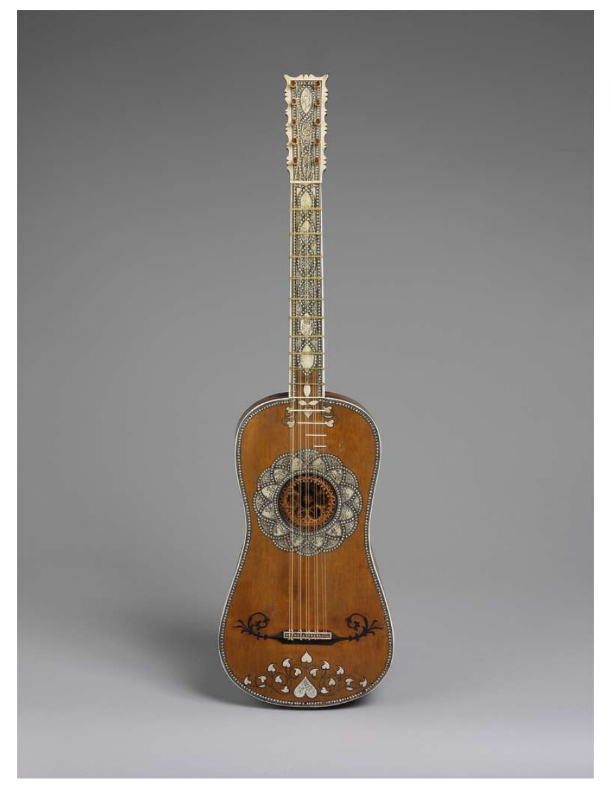
Most sources point to the 15th and 16th centuries as the time when the “modern” guitar began to take shape. In Spain, the four-course guitar (four pairs of strings or “courses”) became a popular, compact instrument. The Spanish palabra guitarra starts to appear in written scores and literature from this era. That is a key milestone for when was the first guitar created as a named instrument.
The Renaissance guitar and four-course instruments
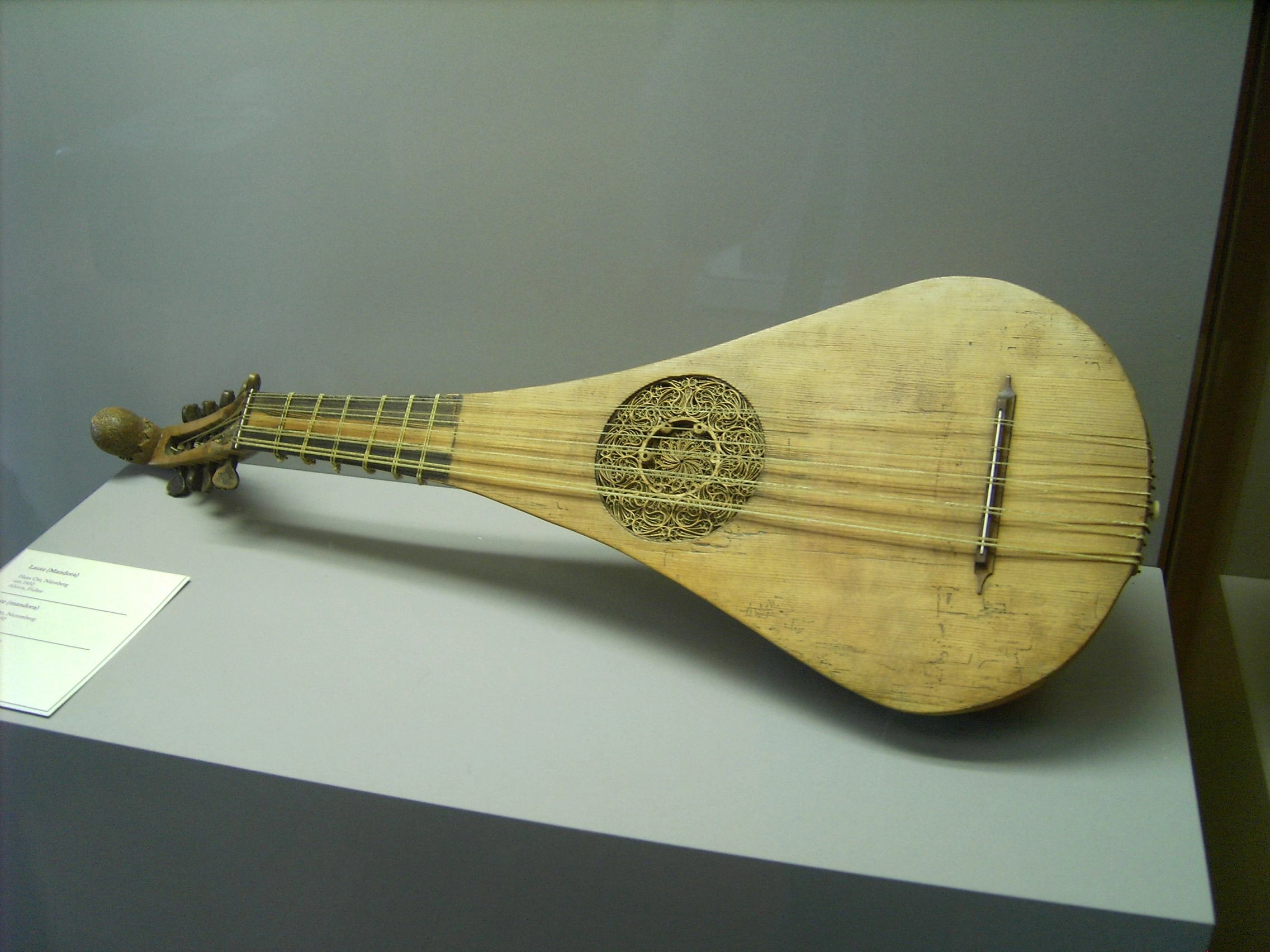
The Renaissance guitar was smaller than today’s instruments. Players used it for intimate court music and dance accompaniment. Tunings, string arrangements, and playing styles were different. Yet the basic silhouette — a flat-backed body and a straight neck — started to solidify. That shape made it easier to play and to build, compared with the rounded-backed lute.
From four courses to six single strings
The move from four courses to single-string setups happened over time. By the late 18th century makers like Gaetano Vinaccia in Naples are credited with building early six-string models (Vinaccia’s work in 1779 is often cited). That shift standardized modern tuning and opened new harmonic possibilities. It helped finalize the guitar’s role across folk, classical, and popular music.
How luthiers shaped the instrument
Luthiers gradually refined internal bracing, top thickness, and scale length. Bracing patterns, like fan bracing in classical guitars and X-bracing in steel-string acoustics, changed the tone and projection. I often experiment with bracing when restoring an old top. Small changes produce big tonal differences. These maker decisions molded the sound we now expect from classical, flamenco, and acoustic guitars.
Evolution and Cultural Significance
The story of when was the first guitar created is also a story of travel and change. As people moved, they carried instruments with them. Local woods, playing styles, and music needs shaped new variants. That is why the guitar family today includes classical, flamenco, steel-string acoustic, and many regional folk guitars.
I have taught players who ask why some guitars sound so different. It usually comes down to construction traditions. Flamenco tops are thin and percussive. Classical guitars use fan bracing for warmth. Steel-string acoustics use layered bracing and different tonewoods for volume. Knowing the tradition behind a guitar helps you understand its voice.
Regional types and their marks
Examples of regional influence include:
- Vihuela (Spain) — similar tuning to the lute and early guitar; used in Renaissance Spain for polyphonic music.
- Baroque guitar — five courses and ornate decoration; common in 17th-century Europe.
- Oud and saz — Middle Eastern instruments that influenced shape and technique when their music spread west.
- Charango — Andean small lute that shows how local materials (like armadillo shell historically) produce new variants.
Materials, bracing, and voice
Early makers used spruce, cedar, maple, and rosewood when available. Those woods remain mainstays today. Gut strings are replaced by nylon and steel. Modern hardware and adhesives improved stability. Still, the same simple idea — vibrating string, resonant body — drives the instrument. When I set up an old top, I treat the wood like a voice. The right bracing and thickness let that voice sing.

Frequently Asked Questions of when was the first guitar created
Did the ancient Greeks invent the guitar?
The Greeks made the kithara. Its name sounds like “guitar,” and it is an ancestor in the broad sense. But the kithara was a type of lyre and played differently. The guitar’s straight-necked, flat-backed form owes more to later lute and tanbur families than to the kithara alone.
What was the first six string guitar?
Many historians point to Gaetano Vinaccia of Naples as an early maker of six-string guitars around 1779. His instruments and those of his contemporaries helped fix the six-string layout and the common tuning we use now. This change widened harmonic range and made the guitar more versatile in both solo and ensemble settings.
Why is it difficult to pinpoint when was the first guitar created?
Pinpointing a single birth date is hard because the guitar evolved gradually. Different cultures developed similar instruments at different times. Names changed over centuries. The instrument we call a “guitar” slowly emerged from many designs and practices. That gradual change blurs a clean origin date.
What is the difference between a lute and a guitar?
A lute usually has a rounded, pear-shaped back and a neck set at a slight angle. A guitar typically has a flat back and a straight neck. Those structural differences change the way each instrument is braced and voiced. They also change playing techniques and repertoire.
Were early guitars made of the same materials as today?
Early makers used local woods such as spruce, cedar, and maple when they could. Those woods still appear in modern tops, backs, and sides. Hardware, glue, and string materials have changed. But the core tonewoods and the idea of a resonant soundboard remain remarkably consistent across centuries.
Conclusion
Answering when was the first guitar created is more about tracing a long chain of invention than naming one inventor. From Mesopotamian tanburs to the intimate Renaissance guitar, to the six-string models of the 18th century, the guitar grew step by step. Each region and maker added design choices that shaped tone and playability.
If you own a guitar, study its lineage. Look at its bracing pattern, soundboard wood, scale length, and string type. Those details tell a story. For players and builders, knowing the instrument’s history deepens technique and care. If this overview helped, leave a comment or share this guide with other music lovers!

Senior Music Reviewer
Alex Carter is a seasoned music reviewer with over a decade of experience in the world of sound and instruments. Passionate about helping musicians and enthusiasts make informed choices, he brings sharp insights and in-depth knowledge to every review. From classical instruments to modern gear, Alex combines technical expertise with a love for music to deliver content that resonates with readers.
As a Senior Music Reviewer and expert author on Tuneluma.com, Alex is dedicated to sharing honest evaluations, practical advice, and thoughtful commentary to guide readers in their musical journey.