How Do I Change Guitar Strings: The Ultimate 2026 Guide
Changing guitar strings involves loosening the old tension, removing the strings, inserting new ones, and tuning them correctly.
Learning how do i change guitar strings is a rite of passage for every guitarist. I still recall my first time. I cut the wrong string by accident and then spent hours figuring out how to lock it at the bridge. That day taught me patience and some useful tricks. Knowing how to restring a guitar saves money. It also keeps your tone clear and your playing reliable. This guide covers acoustic and electric guitars. I will share practical steps, tools, and tips I use. Read on to gain confidence and keep your guitar sounding great.

Tools You Need to Change Guitar Strings Efficiently
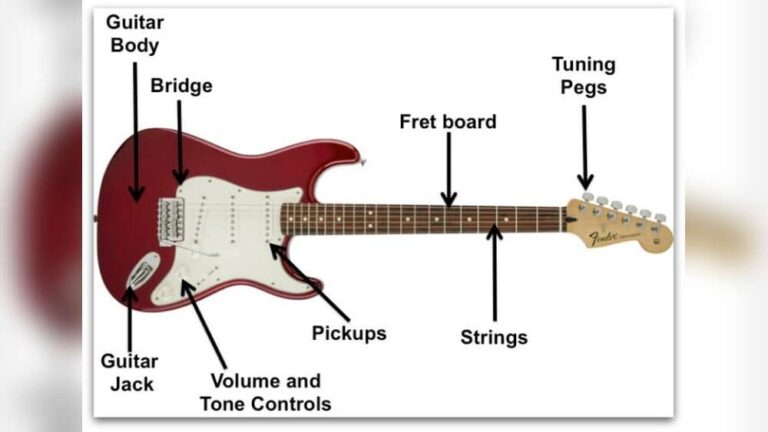
Before you start, gather a few essential tools to make the process smooth. I always lay everything out first. This saves time and prevents mistakes. You will need wire cutters to trim excess string ends. A peg winder speeds up tuning. Use a soft cloth to wipe the fretboard while the strings are off. A soft surface or a guitar stand will keep the instrument steady and safe.
- Wire cutters: These are crucial for safely removing old strings and trimming the sharp ends of new ones.
- Peg winder: This inexpensive tool turns the tuning pegs rapidly, saving your wrists from unnecessary strain.
- Cleaning cloth: Since the strings are off, use this time to polish the wood and clean the frets.
- Tuner: A clip-on or pedal tuner is necessary to bring your new strings up to the correct pitch accurately.
Optional but useful tools:
- String action gauge or ruler: For quick setup checks.
- String lubricant or fretboard oil: For cleaning and smooth feel.
- String stretcher: Speeds up break-in and tuning stability.

Step by Step Guide on How Do I Change Guitar Strings
The process of how do i change guitar strings starts by slowly unwinding the tuning pegs until the tension is gone. Work one string at a time if you prefer. This keeps some neck tension. For beginners, changing strings one at a time reduces stress on the neck and bridge. For floating bridges, always replace strings one at a time to avoid bridge collapse.
- Loosen the tension: Turn the pegs counter-clockwise to slacken each string. Do this slowly. Avoid sudden releases of tension.
- Removal: Carefully remove the string from the tuning post. On an acoustic, pull out the bridge pins with a pin puller or the notch on your winder. For an electric, feed the string out through the back or tremolo cavity.
- Preparation: Clean the fretboard and clear debris from the bridge, saddles, and nut slots. Check bridge pins or saddles for wear.
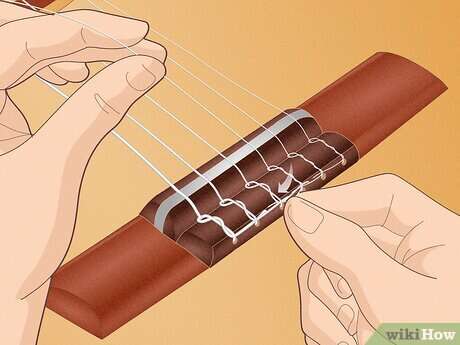
- Installation: Feed the new string through the bridge hole. Pull it tight and thread it through the tuning post hole. For through-body electrics, feed the ball end through the back cavity first.
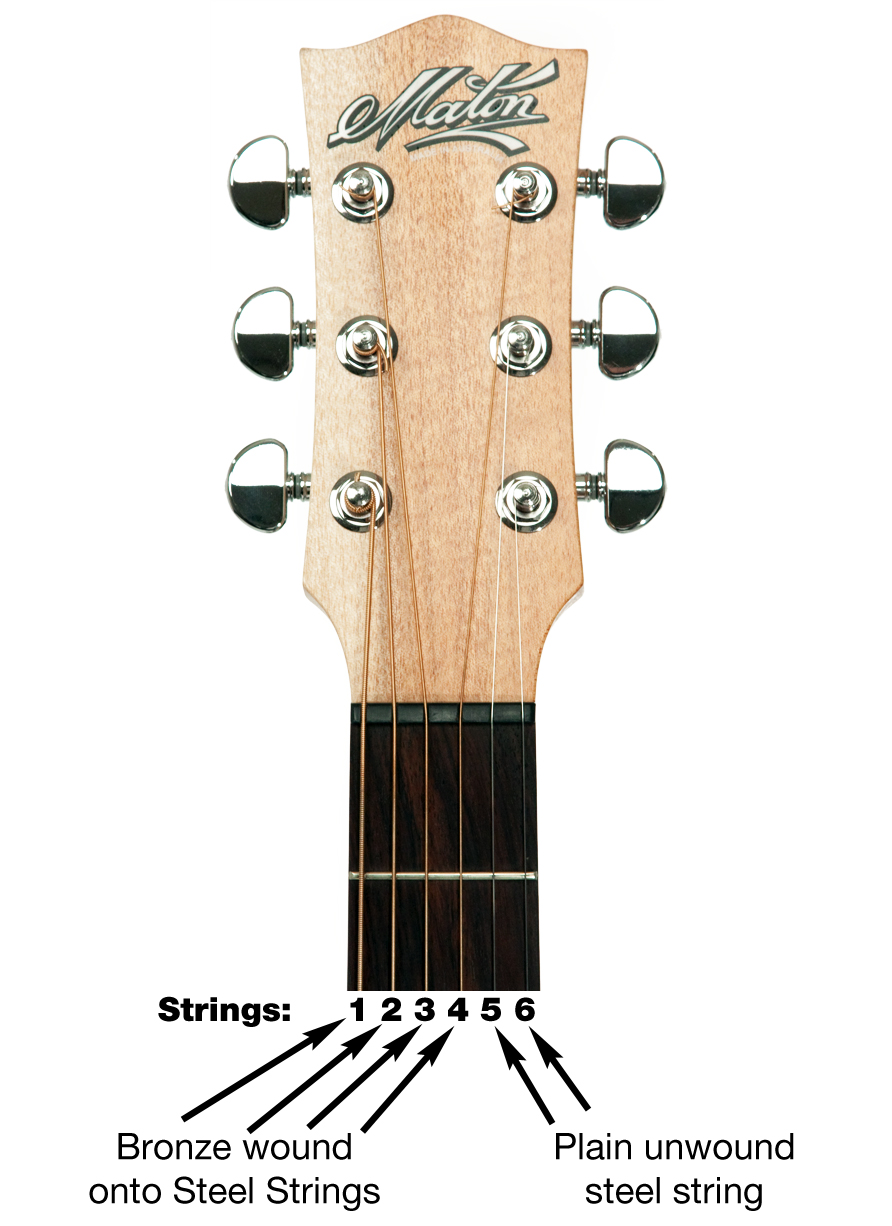
- Winding: Use your winder to wrap the string neatly around the peg. Aim for a downward spiral so the string winds from the top of the post toward the bottom. Keep wraps neat and close. This helps tuning stability.
- Stretching: Once installed, gently pull each string along its length. This pre-stretches the string and helps it stay in tune faster. Tune to pitch, repeat gentle stretching, then retune until stable.
Detailed stringing tips for clean winds and stable tuning
Leave a little slack when you insert the string into the tuning post. A rule of thumb is 2–3 extra wraps for thin strings and 3–4 for thicker ones. Make the first wrap cross over the tail of the string for a locked winding. Keep the windings neat and stacked below each other. This reduces slippage.
Quick steps for acoustic bridge pins
- Remove the old pin and string.
- Insert the ball end of the new string into the bridge hole.
- Push the bridge pin back in with the slot facing the correct direction.
- Pull the string up toward the headstock and begin winding.
Maintaining Your Guitar Post-String Change
Once you learn how do i change guitar strings, think about longevity. New strings often stretch and drift out of tune fast during the first hour of playing. My personal trick is to stretch each string lightly after winding. Then I retune. Repeat this until the pitch holds. Always wash your hands before you play. Oils and sweat speed corrosion and dull tone. Wiping strings after playing also helps them last longer.
Break-in and tuning stability
New strings need time to settle. Tune, stretch, and tune again. Play for 10–20 minutes, then check tuning once more. Repeat over a day or two. This short routine greatly improves stability and reduces tuning headaches during practice or gigs.
Cleaning and fretboard care
With the strings off, use a soft cloth and a small amount of fretboard oil if your neck is dry. Avoid over-oiling. Clean around the saddle, nut slots, and machine heads. Inspect the nut grooves. If they are dirty or worn, clean them gently or seek a tech if deeper work is needed.
Choosing strings and gauges
Your string choice affects tone, playability, and setup. Light gauges (e.g., .009–.042) are easier to bend and gentler on the fingers. Medium or heavy gauges (e.g., .010–.046 or higher) give fuller tone and more volume. Match string material to your style: phosphor bronze or 80/20 for acoustic brightness, nickel-plated or stainless steel for electric clarity. Try a few brands and gauges. Find what feels and sounds right for your guitar and playing style.

Frequently Asked Questions of how do i change guitar strings
How often should I change my guitar strings?
Most guitarists should change strings every one to three months. Play more often and you will change them more often. If strings sound dull, lose brightness, or show rust, replace them right away. Recording artists and gigging players often change strings before each show.
Do I need to replace all strings at once?
While you can replace a single broken string, I recommend changing the whole set at once. New strings sound brighter. Mixed-age strings can make tone uneven. A full set gives a balanced sound and makes setup checks easier.
Is it safe to remove all the strings at once?
Yes, for many guitars it is safe to remove all strings at once. However, it is often easier to change them one by one. Keeping some tension on the neck reduces the risk of neck twist or float-bridge movement. If you have a floating tremolo, change strings one at a time to keep bridge balance.
Why do my new strings go out of tune so fast?
New strings stretch naturally. They also need to seat into the nut, bridge, and tuning post. Speed up settling by gently pulling the strings along their length and retuning several times. Locking tuners or properly wound strings also help. If tuning problems persist, check the nut slots and tuning machine lubrication.
Should I use a specific brand of strings?
There is no single best brand. String choice depends on taste. Try different brands, gauges, and materials. Pay attention to coating options if you want longer life with less tone change. Many players prefer coated strings for longevity. Others prefer uncoated for a rawer tone.
How do I restring a classical (nylon) guitar differently?
Classical guitars use nylon strings with different knots at the bridge and slotted headstocks at the nut. Tie the correct knots and wind fewer wraps. Take care not to over-stretch nylon strings when you tune them up. Follow the same cleaning and care steps, but use nylon-specific products for the fretboard if needed.
Can changing string gauge affect my action or intonation?
Yes. Heavier strings increase neck tension and can raise action slightly. Lighter strings reduce tension and may lower action. If you change gauges significantly, you may need a setup. A proper setup includes truss rod, saddle, and intonation adjustments. If you are unsure, ask a guitar tech for a setup after a gauge change.
Conclusion
Knowing how do i change guitar strings is a fundamental skill that improves your playing life. You save money. You keep your tone fresh. You also understand your instrument better. The first few times feel slow. Each set gets easier and faster. Start by picking a fresh set of strings today and try these steps. If you found this guide helpful, feel free to share it with a fellow musician or leave a comment below with your own string-changing tips.

Senior Music Reviewer
Alex Carter is a seasoned music reviewer with over a decade of experience in the world of sound and instruments. Passionate about helping musicians and enthusiasts make informed choices, he brings sharp insights and in-depth knowledge to every review. From classical instruments to modern gear, Alex combines technical expertise with a love for music to deliver content that resonates with readers.
As a Senior Music Reviewer and expert author on Tuneluma.com, Alex is dedicated to sharing honest evaluations, practical advice, and thoughtful commentary to guide readers in their musical journey.