
How To Fix Buzzing Frets Without Filing Tools: Quick Fix
You can often fix buzzing frets without filing tools by adjusting action, relief, nut, and technique.
I’ve spent years fixing fret buzz in home studios and on stage. In this guide I’ll show step-by-step, practical ways to stop buzzing frets without filing tools. You’ll learn how to diagnose buzz, make safe adjustments, use simple household items as substitutes, and know when the problem needs a pro. Read on to get confident with how to fix buzzing frets without filing tools and keep your guitar singing.
Why frets buzz and what to look for
Fret buzz is an unwanted buzzing sound when a string vibrates against a fret. It can be faint or loud. The tone tells you where and why it happens.
Common causes
- Low action causing strings to hit frets when played.
- Uneven neck relief from humidity or string tension.
- High or sharp nut slots causing open-string buzz.
- Loose hardware, worn frets, or a loose truss rod.
- Playing technique or heavy right-hand attack.
How to spot the source
- Play each fret slowly along the neck. Note which frets buzz.
- Use a capo at the first fret and press the string at the 12th fret to isolate neck relief issues.
- Tap frets with a screwdriver to hear dead spots or loose frets.
This section helps you diagnose before you try any fixes. Accurate diagnosis saves time and prevents needless work.

Quick, no-filing fixes to stop buzzing frets
These are safe fixes you can do at home. Most require no filing tools. Try them in order from easiest to more involved.
Adjust the truss rod slightly
- Relief change affects how much the string curves over the neck.
- Turn truss rod a quarter turn at a time. Clockwise reduces relief; counterclockwise increases relief.
- Let the neck settle for a few hours before rechecking.
Raise the action at the saddle
- Raise bridge saddles slightly to lift string height.
- On acoustic guitars, raise saddle shims or use a thin strip of plastic/wood under the saddle.
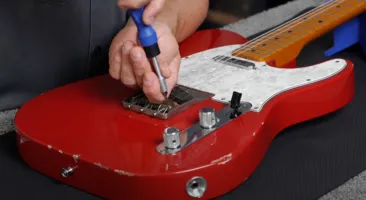
- On electric guitars, raise individual saddles with a small screwdriver.
Fix the nut slots
- Lubricate the nut with graphite from a pencil to reduce binding that can cause buzz.
- If a slot is too deep, add a thin shim (superglue mixed with wood dust or a small piece of plastic) in the slot to raise the string slightly.
- Smooth rough edges with fine sandpaper wrapped around a toothpick—no filing tool needed.
Check strings and tuning
- Old or worn strings buzz more. Replace strings if needed.
- Tune carefully. Over-tightening can pull the neck out of ideal relief.
Tighten loose parts
- Check tuner posts, strap buttons, and screws on the pickguard and bridge.
- Tighten loose hardware; rattles can mimic fret buzz.
Use dampening to isolate the buzz
- Place a small piece of felt or cloth under the strings near the bridge or nut to see if the buzz stops. This helps confirm the source.
Test after each change. Small adjustments can solve many problems quickly.

PAA-style: Will small truss rod turns damage the neck?
Small truss rod turns are safe when done in small increments. Make only quarter turns and wait hours to let the neck settle before rechecking.
PAA-style: Can new strings stop fret buzz?
Yes. New strings can reduce buzz by restoring proper vibration and tension, especially if old strings were corroded or uneven.
Alternative tools and household items that work
You don’t need a luthier’s bench to make fixes. Use household items safely as stand-ins.
Household substitutes
- Pencil graphite: Lubricates nut slots to stop binding.
- Fine sandpaper (600–2000 grit): Smooth rough nut edges. Wrap around a toothpick for control.
- Toothpicks or wooden shims: Raise nut slots or saddle height with glue.
- Small hex wrench or screwdriver: Adjust saddle height and truss rod on most guitars.
- Small file alternative: Emery board (nail file) for tiny fret ends or nut shaping when used very carefully.
How to use them safely
- Work slowly and test often.
- Use light pressure. It’s easier to remove more later than to repair over-removed material.
- Protect the fretboard and finish with masking tape.
These alternatives let you address common problems. Always stay conservative in material removal.

Step-by-step check and repair routine
Follow this routine for a clean, methodical fix. It helps you find and fix the issue without filing tools.
- Visual inspection
- Look for loose frets, cracked nut, or warped neck.
- Note which strings and frets buzz.
- Tune and clean
- Replace strings if older than a few months.
- Wipe the fretboard and strings.
- Measure and test neck relief
- Capo at first fret. Press the last fret. Check gap at 7th–9th fret.
- Adjust truss rod a quarter turn if needed.
- Raise action as needed
- Small saddle lifts on electric or acoustic can stop buzzing.
- Use shims under saddle for acoustic guitars.
- Address nut slots
- Graphite or thin shims can fix too-deep slots.
- Smooth edges carefully with fine sandpaper.
- Isolate with dampening
- Use cloth or felt to mute string sections and find buzz origin.
- Final tune and play test
- Retune and play across the neck for any remaining buzz.
- Recheck relief and action after a day of settling.
Repeat steps if needed. This routine is safe and effective for how to fix buzzing frets without filing tools.

When a pro is needed: limits of non-filing fixes
Some problems need a luthier. Know when to stop and seek help.
Signs to see a pro
- Deep or unevenly worn frets causing buzz at many frets.
- Neck that won’t stabilize after truss rod adjustments.
- Cracked neck, major finish damage, or loose/floating fingerboard.
- Buzz that persists after action raises and nut fixes.
Why pro work helps
- Luthiers can level and crown frets, re-fret, or do complex refrets.
- They have precision tools and experience to restore playability safely.
Being honest about limits protects your guitar. If simple fixes don’t work, get an expert diagnosis.

Personal experience, tips, and common mistakes
I’ve fixed dozens of guitars on kitchen tables and tour buses. Here’s what I learned.
What worked for me
- A pencil and a steady hand often fixed nut binding.
- Shimming the saddle on an old acoustic stopped buzz in 70% of cases.
- Replacing strings and a light truss rod turn solved many stage problems.
Common mistakes to avoid
- Over-tightening the truss rod. It can warp the neck.
- Sanding too much from nut slots. You can lower action too far.
- Ignoring hardware rattles while chasing fret issues.
Practical tips
- Keep a maintenance kit with a tuner, small screwdriver set, pencil, soft cloth, and spare toothpicks.
- Make small changes and test for a day before more adjustments.
- Record the original settings before you change anything.
These hands-on tips will save you time and keep your guitar safe while you learn how to fix buzzing frets without filing tools.

Benefits and limitations of non-filing fixes
Understanding pros and cons helps you choose the right approach.
Benefits
- Fast and cheap. Most fixes use common items.
- No special tools needed. Good for beginners.
- Often reversible if you use shims and lubrication.
Limitations
- Not a cure for heavily worn frets or severe neck damage.
- Some fixes are temporary; proper repair may be needed later.
- Risk of worsening the issue if you remove material carelessly.
Use non-filing fixes for diagnosis and simple problems. For deep repairs, plan a professional setup.
Frequently Asked Questions of how to fix buzzing frets without filing tools
What is the first thing I should check when frets buzz?
Check string age and tuning, then inspect for loose hardware. Play each fret to find the exact buzzing spot.
How much should I turn the truss rod at once?
Turn the truss rod a quarter turn at a time. Wait hours before rechecking to let the neck settle.
Can I fix a deep nut slot without filing tools?
Yes. Use a thin shim or glue with a toothpick and sand lightly with fine paper to raise the string height slightly.
Will raising saddle height affect intonation?
Yes, raising the saddle can change intonation slightly. Check tuning at the 12th fret and adjust as needed.
How long should I wait after adjustments to re-evaluate?
Wait several hours to a day for the neck and components to settle before final checks.
Conclusion
You can solve many common fret buzz issues without filing tools by diagnosing the source and using careful adjustments. Start with simple fixes: new strings, pencil graphite on the nut, small truss rod tweaks, and saddle shims. If problems persist or the frets are worn, consult a luthier for a long-term fix. Try the steps here, keep changes small, and test often. If this guide helped, try the fixes on your guitar, leave a comment below with your results, or subscribe for more hands-on repair tips.

Senior Music Reviewer
Alex Carter is a seasoned music reviewer with over a decade of experience in the world of sound and instruments. Passionate about helping musicians and enthusiasts make informed choices, he brings sharp insights and in-depth knowledge to every review. From classical instruments to modern gear, Alex combines technical expertise with a love for music to deliver content that resonates with readers.
As a Senior Music Reviewer and expert author on Tuneluma.com, Alex is dedicated to sharing honest evaluations, practical advice, and thoughtful commentary to guide readers in their musical journey.