How Many Strings Does A Guitar Have: The Ultimate 2026 Guide
While the standard guitar typically features six strings, the total number of strings can range from four to eighteen. I’ve taught guitar and repaired instruments for more than a decade. In that time I’ve worked on everything from simple entry-level acoustic guitars to complex custom builds and extended-range instruments. Knowing how many strings does a guitar have is the first step in choosing the right instrument for your musical goals. Whether you’re a beginner learning chords or an experienced player chasing new tones, this guide explains string counts, tunings, and practical trade-offs so you can make a smart choice.

The Standard Six String Configuration
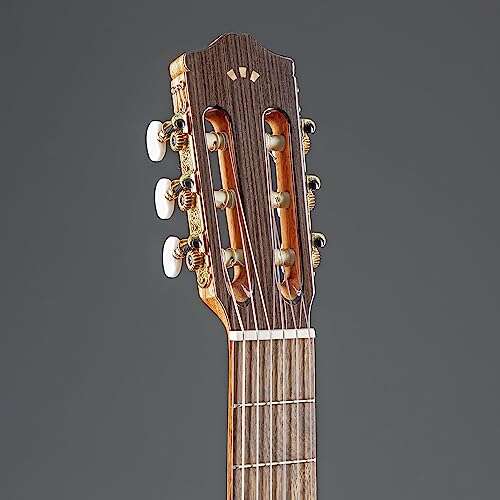
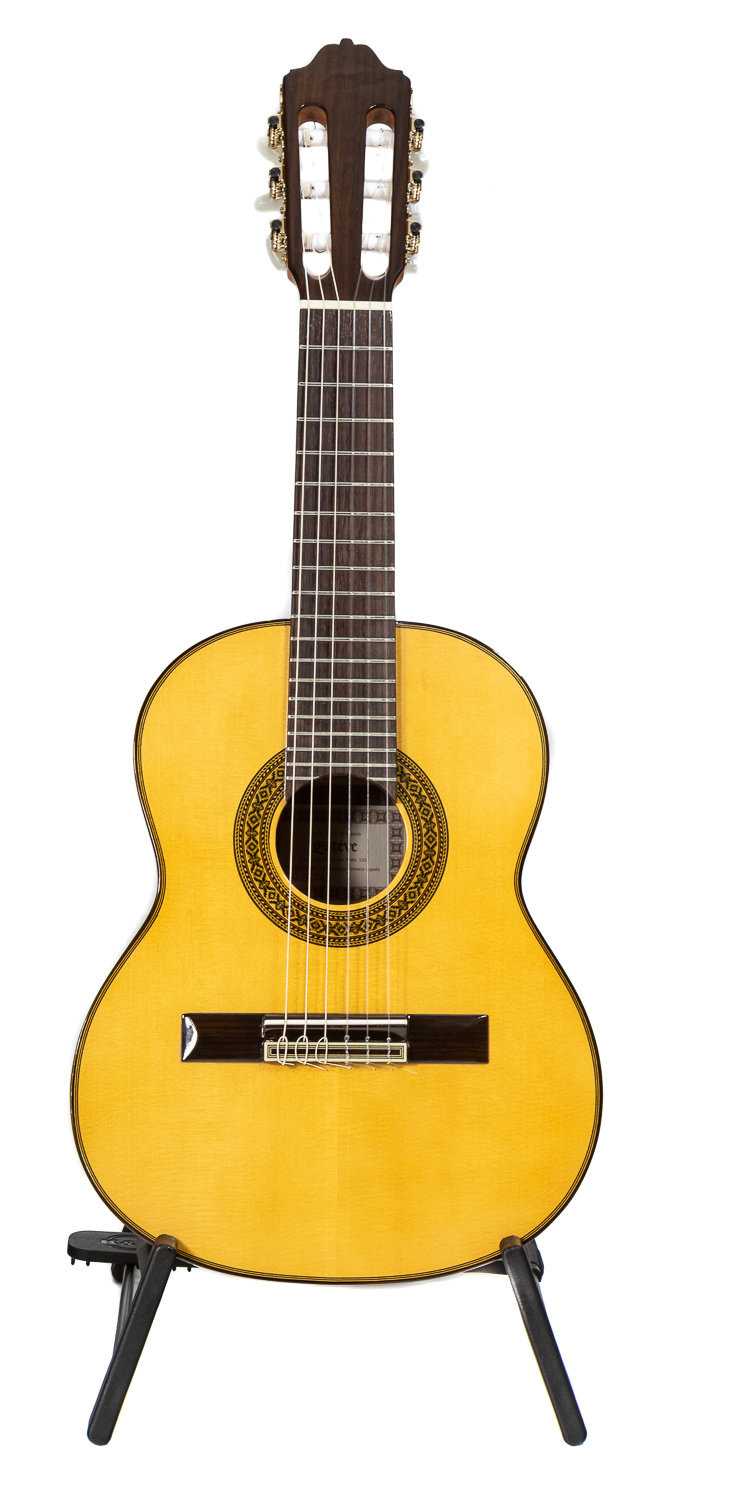
The vast majority of guitars you’ll see in shops, on stage, or in homes are six-string instruments. Standard tuning is E-A-D-G-B-E. This tuning is the global norm for both acoustic and electric guitars. So when someone asks how many strings does a guitar have, they usually mean a six-string guitar.
From a technician’s point of view, the six-string layout strikes a great balance between range and playability. It gives you enough notes to play rich chords and melodic leads, while keeping the neck comfortable for most players. For new students, I recommend starting on a six-string. It builds strong basics before you move to odd or extended string counts. If you want practical help with setup and playability, see my notes on setup and maintenance below.

Exploring Four and Seven String Variations
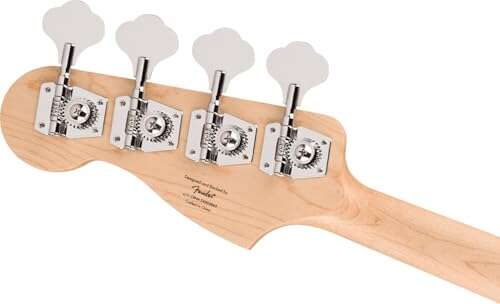
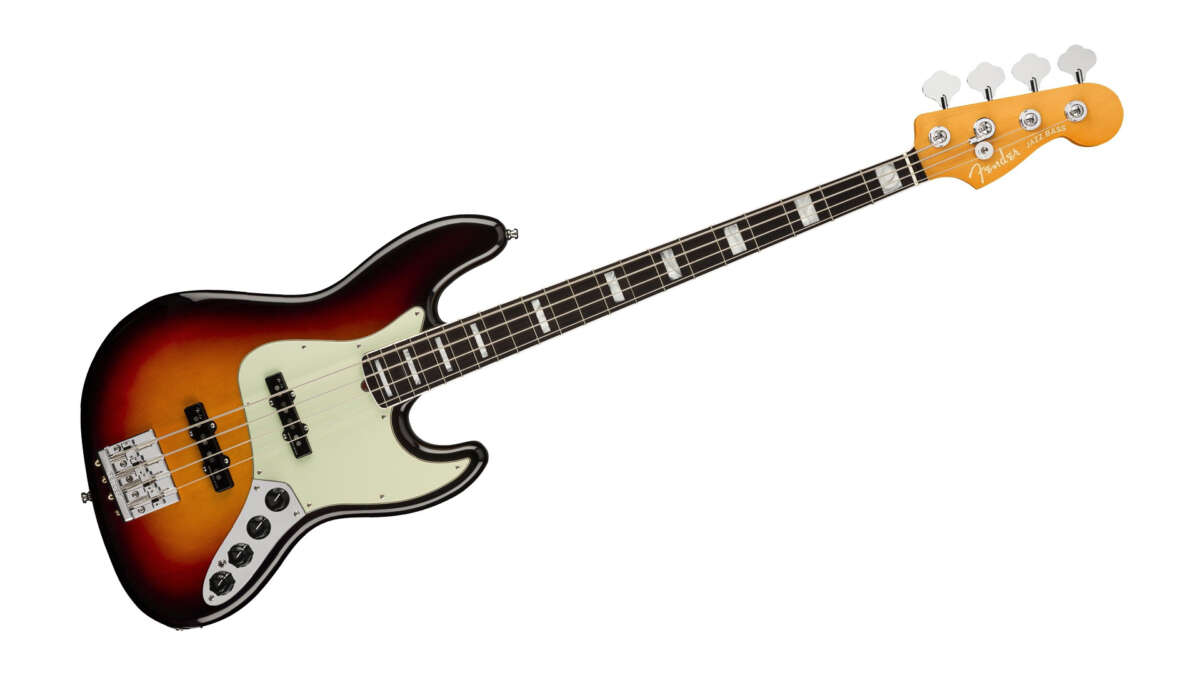
Music offers many string-count options. Bass guitars commonly have four strings. They focus on low frequencies and anchor the rhythm. Tenor guitars also use four strings and are tuned differently for specific styles.
Seven-string guitars add a low B string below the low E. This extra string extends the instrument’s low range. Jazz and metal players use seven-strings to get deeper, heavier tones. As a player, you will need to adapt your muting and fretting technique. The added string opens new voicings and riffing shapes that standard guitars can’t reach.
Advanced Multi String Instruments
Progressive, experimental, and modern metal scenes use eight-string, nine-string, and even more. A twelve-string guitar is a different animal. It pairs strings in courses. Usually the lower four courses pair in octave intervals and the top two pair in unison. That pairing creates a rich, chorus-like shimmer that fills out rhythm parts.
Eight-string guitars extend the lower range even more. They often require a wider neck and different scale length. Players in djent and technical metal use eight-strings to mix low chugs with clear upper-register leads. In my teaching, I tell students that music theory still applies. You simply map the same shapes across a wider fretboard.
Common Guitar Tunings and Examples
Changing string count also changes common tunings. Here are useful examples you’ll see often:
- Standard 6-string: E-A-D-G-B-E — the default for most music.
- Drop tunings (6-string): Drop D (D-A-D-G-B-E) or Drop C — used in rock and metal to lower pitch and simplify power chords.
- 7-string standard: B-E-A-D-G-B-E — adds low B for extended low range.
- 8-string standard: F#-B-E-A-D-G-B-E (one common variant) — extends even lower for djent and prog styles.
- 12-string: Pairs tuned E-A-D-G-B-E in courses — creates a chorus-like sound for rhythm work.
- 4-string bass: E-A-D-G — standard for electric bass, providing low-end foundation.
Each tuning changes fingering, chord shapes, and scale patterns. When you add strings, you extend range and alter how you visualize the neck. That’s a trade-off between reach and simplicity.
Factors Influencing Your Choice of Strings
Your choice should match the music you want to play. Folk and singer-songwriters often favor six-string acoustics. Bassists and groove players use four-string basses. Modern prog and djent players may prefer eight-string guitars for low, tight chugs.
Comfort matters too. Hand size and neck width affect playability. I’ve helped many students test guitars. If a seven-string neck feels too wide, don’t force it. Playability affects practice time and progress more than chasing extra strings.
Pros and Cons by String Count
Quick comparison to help you decide:
- 4 strings — Pros: simpler for rhythm and low-end work. Cons: limited chord voicings compared to six-strings.
- 6 strings — Pros: most versatile for chords, solos, and learning. Cons: limited low range versus extended instruments.
- 7 strings — Pros: extra low notes and broader range. Cons: wider neck; requires new muting habits.
- 8+ strings — Pros: huge range and modern tones. Cons: steep learning curve, setup complexity, and heavier necks.
- 12 strings — Pros: thick, ringing rhythm sound. Cons: harder to fret; more tension and maintenance.
Setup, Strings, and Maintenance (What to Ask at a Shop)
When you try guitars in a shop, check these practical points:
- Neck shape and width — Does it fit your hand?
- Action and intonation — Are frets buzzing or notes going sharp?
- Scale length — Longer scales help with low tunings and string tension.
- Pickup style (electric) — Do pickups balance low-end clarity with upper note presence?
- String gauge — Heavier gauges keep low notes tight; lighter gauges are easier to bend.
Proper setup reduces fret buzz, stabilizes tuning, and improves tone. If you’re moving to seven or eight strings, you’ll likely need a new setup with different nut slots, a truss rod adjustment, and possibly a longer scale length. I do these adjustments in my shop and always recommend a professional setup when adding nonstandard strings.
Frequently Asked Questions of how many strings does a guitar have
Is a four-string instrument still considered a guitar?
Technically, most four-string instruments are bass guitars or tenor guitars. They share the guitar family DNA, but they serve different roles. A bass focuses on low-frequency support. A tenor guitar is used for specific tunings and styles. Both are valid, but they are not the same as a standard six-string.
Why do some guitars have twelve strings?
Twelve-string guitars pair strings to make a fuller sound. The paired strings are tuned in octaves or unisons. This creates a natural chorus or shimmering effect. Folk and rock rhythm players use 12-strings to add depth and texture to strumming parts.
Can a beginner learn on a seven-string guitar?
Yes, but I usually recommend starting on a six-string. Six-strings simplify chord shapes and technique. Once you master basics, moving to a seven-string becomes easier. If your goal is metal or extended-range playing, you can start on seven-strings with the right guidance.
Do eight-string guitars require different techniques?
Yes. Eight-strings often need extra muting techniques to control sympathetic vibrations. The wider neck also changes hand positioning. Scale length and string gauge matter. Players must adapt their right-hand and left-hand habits for clean playing.
How does the string count affect tuning?
Adding strings usually extends the range downward or upward. That means standard tunings change, and chord shapes shift. You’ll often use alternate or custom tunings with extended-range guitars. Learning how scales map across a wider neck helps you transfer your skills quickly.
Practical Tips for Choosing the Right String Count
Here are short, practical tips from my years of teaching and repair work:
- Try before you buy. Play several models and string counts in the same visit.
- Start with a six-string to build fundamentals unless you have a clear reason to jump to extended range.
- If you want low, precise chugs, choose a longer scale and heavier strings for seven- or eight-string guitars.
- For big rhythm sound without losing playability, try a twelve-string acoustic for recordings or live layering.
- Ask about setup costs. Extended-range guitars often need a custom setup to play well.
Conclusion
Understanding how many strings does a guitar have opens many musical doors. Choices run from the simplicity of a four-string bass to the lush, layered sound of a twelve-string acoustic. The six-string remains the most popular and flexible choice. But exploring seven, eight, or twelve strings can refresh your playing and inspire new ideas.
My advice: visit a local shop. Play different instruments. Pay attention to neck feel, scale length, and setup. Pick what motivates you to practice. If this guide helped, consider subscribing to our newsletter for more tips on gear, setup, and playing. Tell us in the comments which string configuration you prefer and why — I read them and often reply with practical tips.

Senior Music Reviewer
Alex Carter is a seasoned music reviewer with over a decade of experience in the world of sound and instruments. Passionate about helping musicians and enthusiasts make informed choices, he brings sharp insights and in-depth knowledge to every review. From classical instruments to modern gear, Alex combines technical expertise with a love for music to deliver content that resonates with readers.
As a Senior Music Reviewer and expert author on Tuneluma.com, Alex is dedicated to sharing honest evaluations, practical advice, and thoughtful commentary to guide readers in their musical journey.