What Do Piano Pedals Do: A Complete Guide For 2026
Piano pedals are simple mechanical tools that change sustain, volume, and tone. They add emotional depth and shape your sound.
I have taught piano for years. I often see beginners treat the floor pedals as an afterthought. They spot three levers and wonder why fingers alone do not suffice. Learning what do piano pedals do turns playing notes into making music. When you learn how these pedals move the hammers, dampers, and strings, you gain the power to shape sound. Think of pedaling as painting with tone. In this article I will demystify those foot controls so you can get more from your playing.
Understanding the Damper Pedal
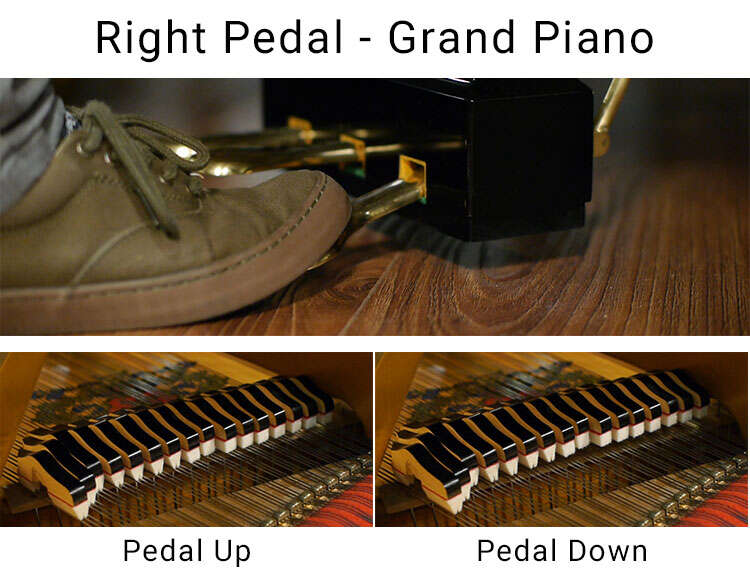
The damper pedal sits on the right. Many players call it the sustain pedal. Pressing it lifts all the felt dampers away from the strings. That lets the struck strings keep vibrating after your fingers leave the keys. The result is a fuller sound and a smooth link between phrases.
Early on, I found the damper pedal the hardest to time. I still tell students: listen to the piano’s decay. If you hold the pedal too long, notes will blur. If you change the pedal too early, the line will sound choppy. Knowing what do piano pedals do means learning to balance clarity and sustain.
For technical detail: when dampers lift you get true sustain plus sympathetic resonance. Other strings vibrate subtly with the played notes. This enriches tone but can also muddy harmony. Use the damper pedal with harmonic changes in mind. Try to lift the pedal when the harmony changes to avoid a wash of sound.

The Soft Pedal Explained
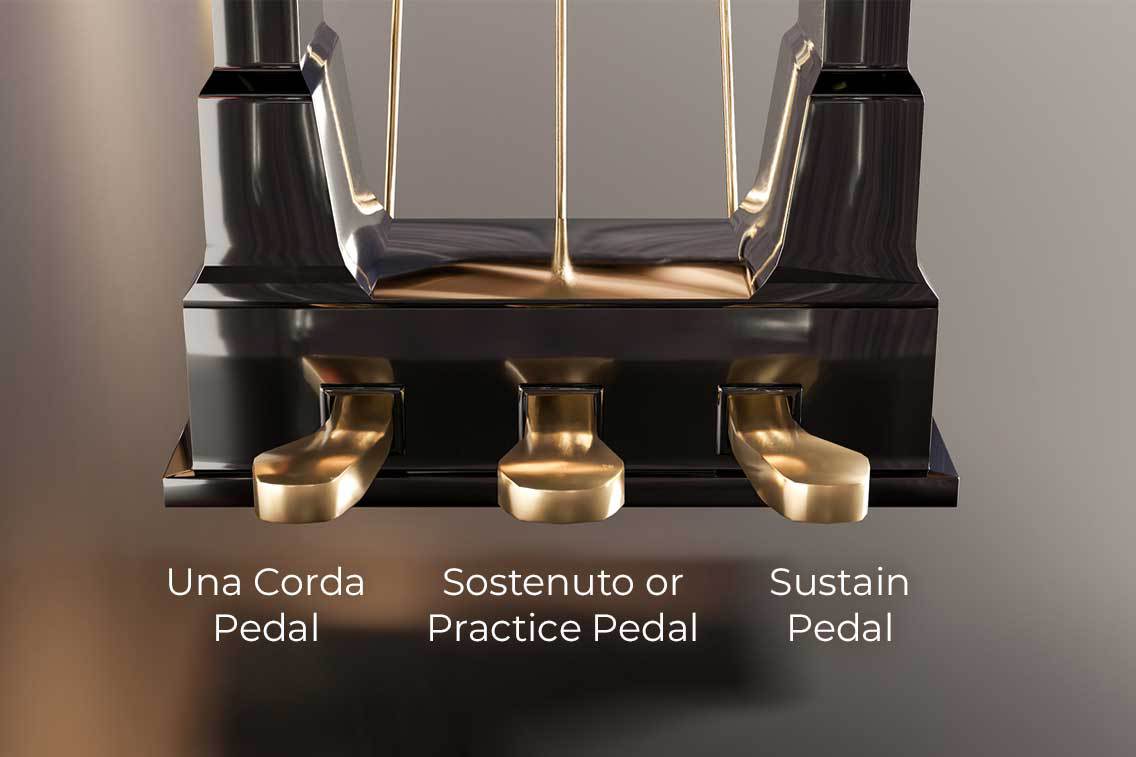
The soft pedal, called una corda, sits on the left. On a grand piano, it shifts the keyboard and action slightly to the side. The hammers then hit fewer strings. The sound becomes quieter, warmer, and more veiled.
I use this pedal when I want a sense of quiet closeness. Beginners often treat it like a volume knob. It is not just about making sound softer. It changes tonal color and texture. That nuance is why understanding what do piano pedals do matters.
On many upright pianos the left pedal does something different. It often moves the hammers closer to the strings or adds a felt strip. That reduces volume but does not change tone the same way a grand does. When you switch instruments, notice the tactile and sonic differences of the soft pedal.
The Purpose of the Sostenuto Pedal
The middle pedal causes the most confusion. On many upright pianos it acts as a practice mute. On grand pianos it is a sostenuto pedal. The sostenuto sustains only the notes you hold down when you press it. Any notes you play after that are not held.
That selective sustain lets you hold a bass note or chord while playing moving lines above it. Composers and advanced players use it for complex textures. You may not need it daily, but it unlocks advanced repertoire and clearer layering. Knowing what do piano pedals do includes understanding when selective sustain helps musical clarity.

Frequently Asked Questions of what do piano pedals do
Do all pianos have three pedals?
Most modern grand pianos have three pedals. Many uprights have two. The middle pedal on uprights often works differently than on grands. Always test the pedals on any piano you use.
Can I play piano without using the pedals?
Yes. You can play notes and make music without pedals. But pedals add depth, resonance, and tone color. They help you achieve the professional sound used in classical and modern music.
Is it hard to learn how to use the pedals?
It asks for coordination. But with steady practice it becomes reflex. Focus on how your foot movement changes the sound. Practice small actions and listen closely. That trains both ear and foot.
Why does my piano sound muddy when I use the pedal?
Mud usually means you hold the damper pedal too long. Notes overlap and clash. Practice lifting the pedal when the harmony changes to keep the sound clean. Use half-pedaling to blur less and keep tone clarity.
Should my heel be on the ground while pedaling?
Yes. Keep your heel down as a pivot. That gives you subtle control. Use small ankle motions rather than big leg movements.
How the Damper Pedal Works: Mechanics and Acoustics
Here are the key mechanical and acoustic effects of the damper (sustain) pedal:
- It raises all dampers off the strings. That allows sustain and sympathetic resonance.
- Sympathetic resonance enriches tone by making related strings vibrate lightly.
- It changes the decay curve of notes. Notes ring longer and blend.
- It affects clarity. Proper use enhances legato; poor use creates harmonic clutter.
Understanding these effects helps you choose when and how long to pedal. Think about harmony and voicing when you press and release.
Pedaling Techniques: Half-Pedaling, Syncing, and Flutter Pedal
There are a few standard techniques that improve control and musicality.
- Full pedaling: Press all the way down for full sustain. Use this for broad, long passages.
- Half-pedaling: Release the pedal partway to reduce sustain. This helps keep clarity while keeping some resonance.
- Sync pedal (change with harmony): Lift and reapply the damper pedal exactly when harmony changes. This prevents blurring.
- Flutter or quick pedaling: Rapidly lift and press for a shimmering effect. Use sparingly for color or baroque-style effects on modern pianos.
Practice each technique slowly. Listen for how the sustain and tone change. Record yourself to hear details you might miss while playing.
Common Pedal Mistakes and How to Fix Them
- Holding too long: Fix by practicing pedal changes on harmonic shifts.
- Using pedal to cover bad legato: Fix by improving finger connection and articulation first.
- Relying only on the right pedal: Learn expressive uses of soft and sostenuto pedals too.
- Wrong pedal on uprights: Check what the middle or left pedal does on your instrument before using it.
Correcting these mistakes improves tone and musical clarity fast.
Practice Exercises for Pedal Mastery
Try these short drills to build reliable pedal habits:
- Play a three-chord progression. Press and lift the damper pedal exactly on each chord change. Count while you do it.
- Practice scales with half-pedaling. Use a lighter pedal release between scale degrees to keep tone clean.
- Hold a low bass note, press sostenuto (if available), and play a melody on top. This builds independence between hands and feet.
- Record short pieces with and without pedal. Compare and adjust.
Do these drills 5–10 minutes a day. Small, focused practice gives steady gains.
Grand vs Upright: Pedal Differences
Pedals work differently across instruments. On a grand piano, una corda shifts the action and changes hammer strike point. On many uprights, the left pedal moves hammers closer or adds felt. The middle pedal on grands is a true sostenuto. On uprights it often mutes the sound for quiet practice. Know your piano’s pedal functions before you apply advanced techniques. This avoids surprises in tone and response.
When to Use Each Pedal in Music
Here are simple, practical guidelines:
- Damper / sustain: Use for legato, broad chords, and when you want resonance.
- Soft / una corda: Use for intimate passages, color shifts, or to thin the sound.
- Sostenuto: Use for holding selected notes while playing independent lines above them.
Always match pedal choices to style, era, and the musical effect you want.
Frequently Asked Questions of what do piano pedals do (Extended)
Below are quick answers that music students ask me most often.
How do I learn half-pedaling?
Start slowly. Press the pedal fully, then lift a bit until you hear less sustain. Repeat in small steps. Use simple pieces and focus on small adjustments.
Will pedals damage my piano?
No. Proper pedaling is part of normal playing. But if a pedal feels loose or sticks, have a technician check the mechanism. For repairs see this guide.
How do I keep the sound clean when pedaling?
Listen for harmonic changes and lift the pedal on those points. Practice the sync method and learn to combine finger legato with light pedaling.
Conclusion
Mastering what do piano pedals do is a big step for any pianist. The damper, soft, and sostenuto pedals give you color, sustain, and clarity. They let you shape tone and emotion. The foot is as important as the hand for musical expression. Start practicing pedal coordination today. Focus on clean releases, listen closely, and use these exercises regularly.
If you found these tips helpful, subscribe to our newsletter for more technical insights or leave a comment below to share your progress!

Senior Music Reviewer
Alex Carter is a seasoned music reviewer with over a decade of experience in the world of sound and instruments. Passionate about helping musicians and enthusiasts make informed choices, he brings sharp insights and in-depth knowledge to every review. From classical instruments to modern gear, Alex combines technical expertise with a love for music to deliver content that resonates with readers.
As a Senior Music Reviewer and expert author on Tuneluma.com, Alex is dedicated to sharing honest evaluations, practical advice, and thoughtful commentary to guide readers in their musical journey.