How To Avoid Wrist Pain While Playing Piano: Quick Tips
Use relaxed technique, neutral wrist alignment, targeted warm-ups, and frequent short breaks.
I’ve helped dozens of students and worked through my own wrist strain as a pianist, so I know how frustrating wrist pain can be. This article explains how to avoid wrist pain while playing piano with clear steps you can use today: ergonomic setup, warm-ups, technique fixes, exercises, and a practice plan that keeps you playing pain-free for years. Read on for practical tips, simple exercises, and real-world advice you can try at the piano right now.

Why wrist pain happens when playing piano
Wrist pain while playing the piano comes from a few common causes. Overuse is the top reason. Repeating the same motions for long stretches strains tendons and muscles. Poor technique and wrist position make that strain worse. A low bench, slumped shoulders, or collapsed wrists force tendons to work too hard. Medical issues like tendonitis, carpal tunnel, or joint problems can also cause pain. Age, existing injury, or weak forearm muscles raise risk.
Common mechanical causes
- Tension in the fingers and forearm that travels into the wrist.
- Bending the wrist up or down (extension or flexion) for long periods.
- Using finger-only motion without engaging the arm and shoulder.
- Playing too fast or too long without breaks.
Knowing the cause helps pick the right fix. If you learn how to avoid wrist pain while playing piano, you cut risk and keep improving your playing.
Signs and red flags: when to see a professional
Mild stiffness or a dull ache is often a warning sign you can fix with rest and technique changes. Sharp pain, numbness, tingling, or swelling are red flags. Pain that wakes you at night or worsens despite rest needs medical attention. If pain limits your hand use or alters your technique, see a hand therapist or physician.
Get evaluated if:
- Pain lasts more than a week despite rest.
- You have numbness, pins-and-needles, or weakness.
- Swelling or loss of range of motion appears.
Early help prevents chronic issues and gets you back to the piano faster.

Daily routine to avoid wrist pain while playing piano
A consistent routine prevents problems. Build warm-ups, timed practice blocks, and short recovery moves into every session. This lowers the chance you’ll need long time off.
Sample daily routine
- Warm-up 5 minutes: gentle finger taps, slow scales with light touch.
- Technique block 20–30 minutes: focused exercises that use arms and fingers.
- Repertoire block 30–45 minutes: break pieces into short runs.
- Cool-down 3–5 minutes: shake hands lightly and do gentle wrist stretches.
- Breaks: rest 3–5 minutes every 20–30 minutes of playing.
Timing matters. Short, frequent rests beat one long break at the end of practice. This routine helps you learn how to avoid wrist pain while playing piano while still making steady progress.

Technique adjustments and ergonomic tips
Small technique changes give big results. Think of the arm as a power source that moves fingers. Use gravity and arm weight rather than squeezing with fingers.
Key setup and posture tips
- Bench height: sit so elbows are level with the keys or slightly above. This keeps wrists neutral.
- Distance from keys: sit far enough so forearms line up with the keys. Avoid reaching.
- Wrist alignment: keep wrists neither dropped nor overly raised. Aim for a straight line from forearm to hand.
- Arm usage: move from the elbow and shoulder for larger leaps. Reserve fingers for small movements.
- Relaxation: let shoulders and forearms stay loose. Tension in the shoulder shows up at the wrist.
Technique drills
- Play slow scales focusing on even arm weight.
- Practice arpeggios while feeling the forearm guide the hand.
- Use rubato or slow practice to retrain motion patterns.
These ergonomic steps are central to how to avoid wrist pain while playing piano for the long term.

Strengthening and mobility exercises for pianists
Strength and mobility reduce overload. Do short, daily exercises that target wrist and forearm muscles. I used a five-minute routine every day after I had a flareup. It helped me return to full playing in weeks.
Easy exercises to try
- Wrist circles: slowly circle the wrist 10 times each direction. Keep fingers relaxed.
- Wrist flexor stretch: extend the arm, palm up, and gently pull fingers back with the other hand for 20–30 seconds.
- Wrist extensor stretch: extend the arm, palm down, and pull fingers down gently for 20–30 seconds.
- Tendon glides: slide fingers through a sequence of positions from straight to hook to fist to full fist. Repeat 8–10 times.
- Eccentric wrist lowering: use a light weight or water bottle. Lift with both hands, lower with one hand slowly for 8–10 reps.
Frequency and progression
- Do mobility daily and strength 3–4 times per week.
- Start light. Increase reps or resistance slowly.
- Stop any move that causes sharp pain and consult a therapist.
These exercises aid recovery and show you practical ways to avoid wrist pain while playing piano.

Practice plan and long-term prevention
Long-term habit is the best protection. A plan that blends technique, fitness, and rest keeps you playing for years.
Weekly plan example
- 3 focused technique sessions per week (20–30 minutes).
- 2 sessions of strengthening or cross-training (30 minutes).
- Daily short warm-ups every practice day.
- One full rest day each week for recovery.
Other long-term tips
- Cross-train with general upper-body strength and posture work.
- Track pain and energy. If practice regularly brings pain, reduce volume and reassess technique.
- Sleep, nutrition, and hydration support tissue repair.
- Consider periodic check-ins with a piano teacher or hand therapist.
Being proactive is the core of how to avoid wrist pain while playing piano long term.

Quick common questions (PAA-style)
What immediate steps stop wrist pain during practice?
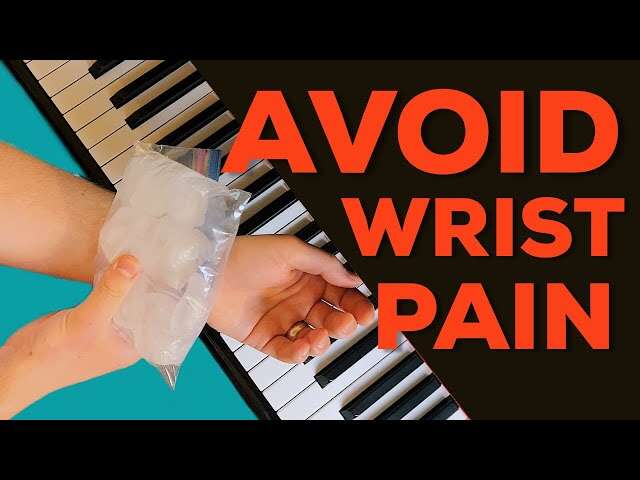
- Stop playing and rest for a few minutes. Apply ice if there is swelling and try gentle wrist stretches.
Can changing bench height really help?
- Yes. Small seat height shifts can change wrist angle and reduce strain immediately.
Is strengthening always needed?
- Not always, but targeted strengthening helps most players by balancing muscles and improving endurance.
Common myths about wrist pain and piano playing
Myth: Pain is normal and you must endure it.
- Truth: Pain is a sign something is wrong. Enduring pain risks chronic injury.
Myth: Only fingers matter for piano technique.
- Truth: The arm, shoulder, and wrist all work together. Good technique spreads effort across joints.
Myth: Bigger practice hours equal faster progress.
- Truth: Quality and smart rest beat raw hours. Short, mindful sessions prevent injury and help memory.
Understanding these myths helps you make choices that truly reduce pain and improve playing.
Frequently Asked Questions of how to avoid wrist pain while playing piano
How long should my warm-up be before playing piano?
Aim for 5–10 minutes of gentle warm-up before practice. Focus on finger taps, scales, and wrist mobility to wake muscles and tendons.
How often should I take breaks during practice?
Take a short break every 20–30 minutes. Even a 3–5 minute pause reduces tension and prevents overuse.
Can wrist braces help when playing piano?
Wrist braces may help short term by limiting harmful motion, but they can weaken muscles if overused. Use braces sparingly and work on technique and strength.
What stretches help prevent wrist pain for pianists?
Do wrist flexor and extensor stretches, tendon glides, and wrist circles. Hold each static stretch for about 20–30 seconds and repeat 2–3 times.
When should I see a doctor for piano-related wrist pain?
See a doctor if you have persistent pain, numbness, or swelling lasting more than a week. Seek urgent care for sharp pain or loss of hand function.
Conclusion
Protecting your wrists is a mix of good setup, mindful technique, targeted warm-ups, and consistent recovery. Start with small changes: adjust bench height, practice in short blocks, and add five minutes of daily mobility. Those steps make a big difference and help you play with more ease and less pain. Try the routines here, track how your hands feel, and make gradual changes that fit your body and goals. If you found this helpful, try a week of the warm-up and practice plan, subscribe for more tips, or leave a comment about your experience.

Senior Music Reviewer
Alex Carter is a seasoned music reviewer with over a decade of experience in the world of sound and instruments. Passionate about helping musicians and enthusiasts make informed choices, he brings sharp insights and in-depth knowledge to every review. From classical instruments to modern gear, Alex combines technical expertise with a love for music to deliver content that resonates with readers.
As a Senior Music Reviewer and expert author on Tuneluma.com, Alex is dedicated to sharing honest evaluations, practical advice, and thoughtful commentary to guide readers in their musical journey.