
How Does A Piano Work: The Inner Mechanics Explained 2026
A piano works by using a complex internal mechanism of hammers that strike vibrating strings when keys are pressed.
Understanding how a piano works is like peering into the beating heart of a mechanical masterpiece. As a long-time piano technician, I have spent years marveling at the thousands of moving parts that turn a simple touch of a finger into a resonant, musical sound. Whether you are a beginner or a seasoned player, knowing the inner mechanics of how does a piano work will deepen your appreciation for every note you play. In this article I will share clear, practical explanations and hands-on insights. Let’s explore the engineering that makes this timeless instrument sing.

The Anatomy of Sound Production
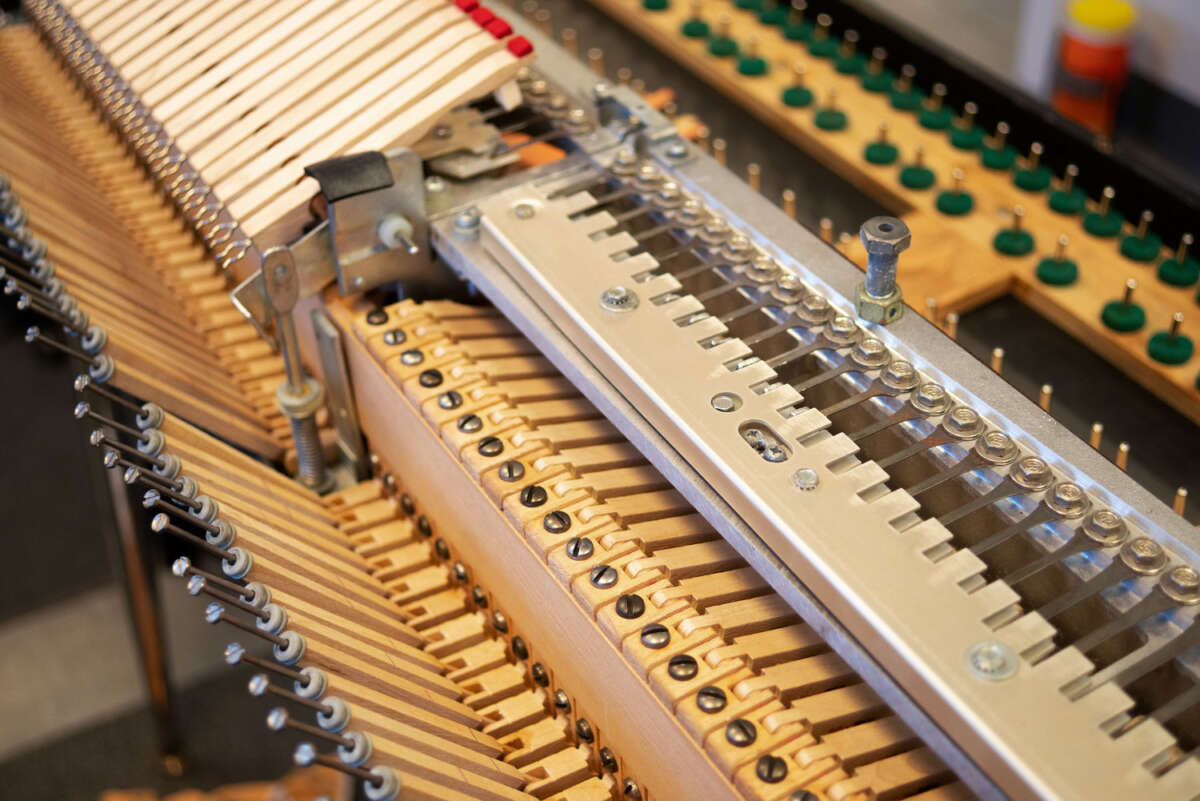
The piano is often called a percussion instrument because it relies on the physical strike of a hammer against a string. When you press a key, you are not just playing a note; you are triggering a kinetic chain reaction that spans the entire instrument. This happens through the action, a precise assembly of levers, springs, and felt that translates touch into sound. The design of the action determines responsiveness, repeatability, and dynamic range.
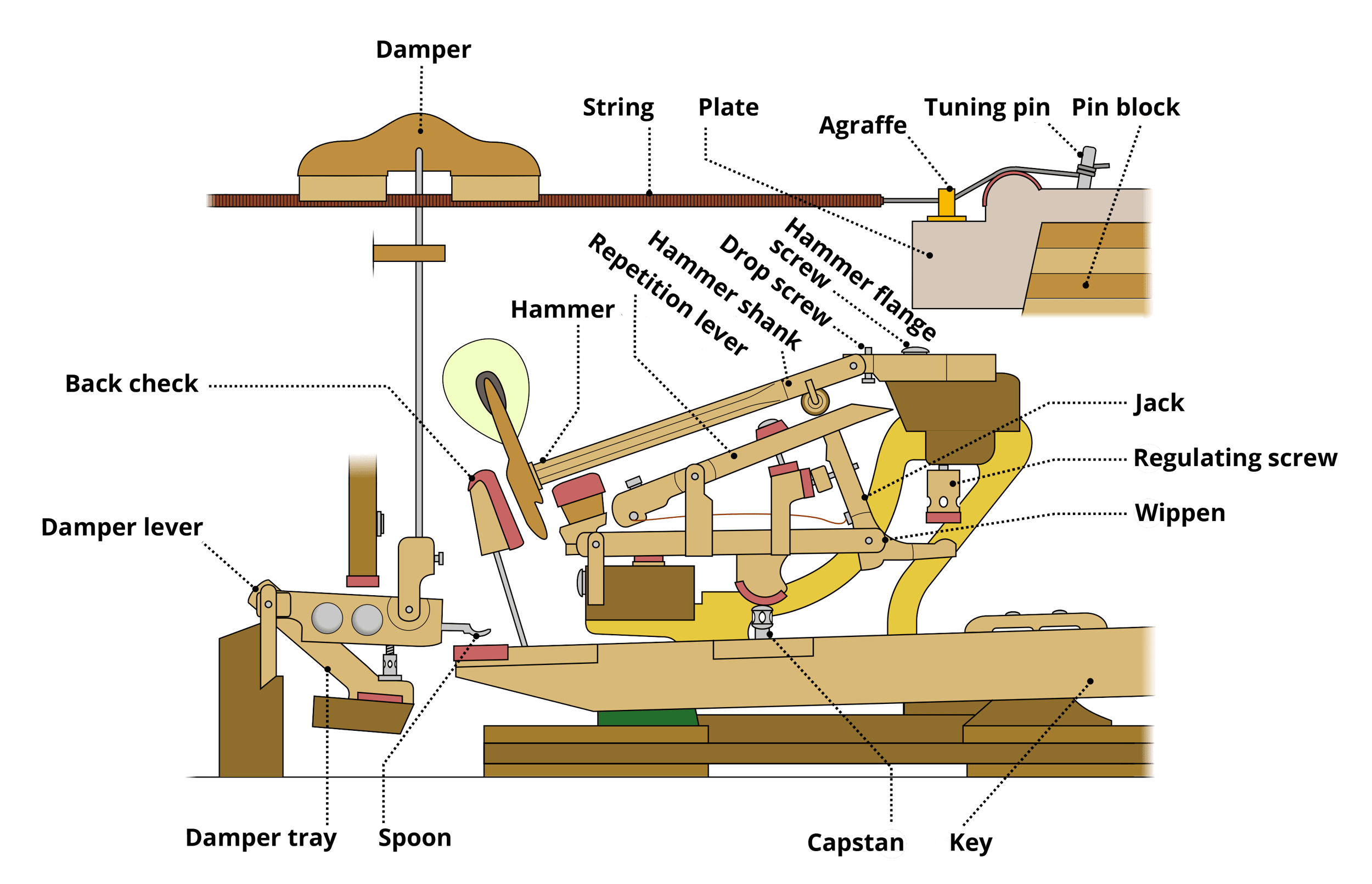
The process begins at the key. When you push a key down, the back of the key rises. That movement lifts the wippen and the hammer shank. The hammer then travels toward the string and gains momentum. In the last millisecond, an escapement mechanism allows the hammer to fall back slightly. That prevents the hammer from resting on the string and damping its vibration. The string can then ring freely and produce a clear, singing tone.
The Role of the Strings and Soundboard
After the hammer strikes, the string vibrates at a specific frequency to create pitch. A single vibrating string is quiet by itself. The soundboard acts as a natural amplifier. It takes the tiny energy from the strings and spreads it into the air. The result is a sound that can fill a room.
The strings are stretched across a heavy cast iron plate. That plate holds more than 20 tons of tension in many pianos. High tension helps create a brighter, more sustained sound. When I tune pianos, I adjust the tension of these steel wires to align pitch and tone across the keyboard. Without the cast iron frame and the spruce soundboard, the piano would lose its voice.
Pedals and Their Mechanical Impact
Pedals give the performer direct control over tone and sustain. The sustain pedal, or damper pedal, is the most used. Pressing it lifts all the dampers from the strings. That lets notes ring and lets other strings vibrate sympathetically. The result is a richer, more blended sound.
The soft pedal, or una corda, works differently on grands and uprights. On a grand piano it shifts the action slightly so hammers strike fewer strings or a softer area of felt. On an upright it moves the hammers closer to the strings, shortening their travel. The middle sostenuto pedal, found on many grands and professional uprights, sustains selected notes while leaving others unaffected. These pedals are key tools for shaping dynamics and color while you play.

Maintenance and the Physics of Touch
I treat the piano like a living machine. Wood and felt react to humidity and temperature. The soundboard can swell or contract. That shifts tuning and action geometry. If you ask how does a piano work across seasons, remember these materials move. That movement changes string tension and hammer alignment.
Consistency in touch comes from careful regulation. Regulation is the process of adjusting tiny screws, felts, and levers inside the action. It ensures each key feels the same. If one note feels heavier, the action geometry has likely shifted. Regular regulation and tuning keep the instrument responsive and playable.

Frequently Asked Questions of how does a piano work
Why do some pianos have two pedals while others have three?
Standard upright pianos often have two pedals. Most grand pianos and professional uprights include a middle sostenuto pedal. The sostenuto pedal sustains specific notes while leaving others free. That gives more control over complex textures and modern repertoire.
What is the purpose of the dampers in a piano?
Dampers are small felt blocks that rest against strings to stop vibration when a key is released. Without dampers, notes would overlap and the sound would be a messy wash. Dampers let you shape phrasing and silence between notes.
Does the material of the hammer affect the sound?
Yes. Hammer felt is a major tone factor. Harder felt creates a brighter, more projecting tone. Softer felt gives a mellow, warm tone. Technicians also “voice” hammers by needling or hardening felts to fine-tune timbre.
Why do pianos go out of tune so easily?
Pianos have over 200 strings under heavy tension. Wooden parts expand and contract with humidity. These changes move the tuning pins by tiny amounts. That alters pitch. Regular tuning and a stable humidity range reduce tuning drift.
Is the piano a string or percussion instrument?
It is both. The piano uses strings to produce sound, but a hammer strike starts the vibration. That is why it’s often listed as both a percussion and a string instrument. It is best described as a keyboard instrument with percussive mechanics and string vibration.
Key components at a glance (added section)
To make sense of all the parts, here are the main components and why they matter:
- Keys: The interface between player and action. They control velocity and start the motion.
- Action: The mechanical assembly of levers, wippens, jacks, and repetition mechanisms that move the hammers.
- Hammers: Felt-covered mallets that strike strings. Their density affects tone and dynamics.
- Strings: Steel (and copper-wound for bass) wires tuned to pitch. Tension and length determine frequency.
- Soundboard: Usually spruce. It amplifies string vibration into audible sound.
- Plate (frame): Cast iron support that holds string tension safely.
- Bridge: Transfers string vibrations to the soundboard.
- Pinblock and tuning pins: Hold string tension and allow tuning adjustments.
- Dampers: Stop strings from vibrating when keys are released.
- Pedals: Sustain, una corda, and sostenuto—each alters sound or technique.
Action: Step-by-step — what happens when you press a key (added section)
Here is the action in small steps. I use this list when I teach repair students:
- Finger depresses key. The back of the key rises.
- The wippen and jack push upward. The hammer shank moves forward.
- The hammer accelerates toward the string.
- Escapement allows the hammer to release and fall back just before contact.
- Hammer strikes the string, setting it vibrating.
- Dampers lift off until the key is released (unless sustain pedal holds them up).
- String vibration travels via the bridge into the soundboard, which projects sound.
Small variations in any step change tone and feel. That is why fine regulation matters.
Common issues and quick troubleshooting tips (added section)
Here are problems I see most often and how I address them on the job:
- Sticky or sluggish keys: Check for humidity, swelling, or worn bushings. Regulation or bushing replacement often fixes this.
- Uneven touch: Look for misaligned action parts or compressed felts. Regulation brings balance back.
- Poor sustain or buzzing: Inspect dampers, bridges, and loose parts. Tightening and aligning parts usually helps.
- Out of tune: Tune the piano and stabilize humidity. Use a humidifier or dehumidifier if needed.
- Harsh tone: Consider voicing the hammers (needling or hardening) and checking string condition.
Tips for care and tuning frequency (added section)
Simple care keeps a piano sounding its best. I recommend these easy habits:
- Tune new or moved pianos three to four times in the first year. Then tune twice a year for most environments.
- Keep relative humidity around 40–50% when possible. Use a room humidifier or a piano humidifier system for stability.
- Avoid direct sunlight and heating vents. Those cause uneven drying and warping.
- Have a technician do regulation and voicing every few years, depending on use.
Conclusion
The piano remains one of the most impressive inventions in musical history. It mixes physics, woodworking, metallurgy, and craftsmanship into one instrument. By exploring how does a piano work, you gain respect for the balance between hammer, string, and soundboard. I hope my hands-on notes make the inner workings clearer. Look inside your own instrument when you can. Visit a technician to see parts in motion. Keep practicing, stay curious, and feel free to reach out with questions as you continue your musical journey.

Senior Music Reviewer
Alex Carter is a seasoned music reviewer with over a decade of experience in the world of sound and instruments. Passionate about helping musicians and enthusiasts make informed choices, he brings sharp insights and in-depth knowledge to every review. From classical instruments to modern gear, Alex combines technical expertise with a love for music to deliver content that resonates with readers.
As a Senior Music Reviewer and expert author on Tuneluma.com, Alex is dedicated to sharing honest evaluations, practical advice, and thoughtful commentary to guide readers in their musical journey.