How Much Does A Piano Weigh: Complete Guide For 2026
A piano typically weighs between 300 and 1,200 pounds, depending heavily on its style, size, and specific construction materials.
Understanding how much does a piano weigh is a rite of passage for any musician or homeowner who has ever faced the task of moving one. I’ve helped friends move grand pianos down narrow staircases and I’ve spent years studying piano care. From that work I learned two things fast: pianos are heavier than they look, and guessing the weight can lead to damage or injury. A simple dolly and a few helpers are not always enough. Whether it’s a compact upright or a concert grand, knowing the actual weight helps you protect floors, your back, and the instrument. This guide breaks down the numbers, the reasons, and the safe steps to plan your move with confidence.
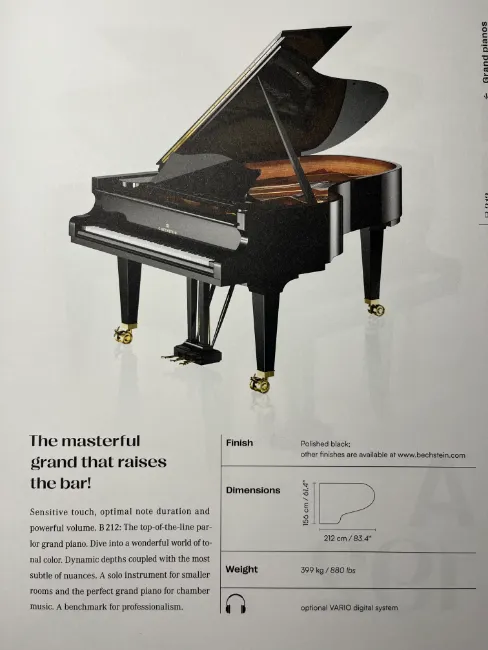
Why Piano Weight Varies So Significantly
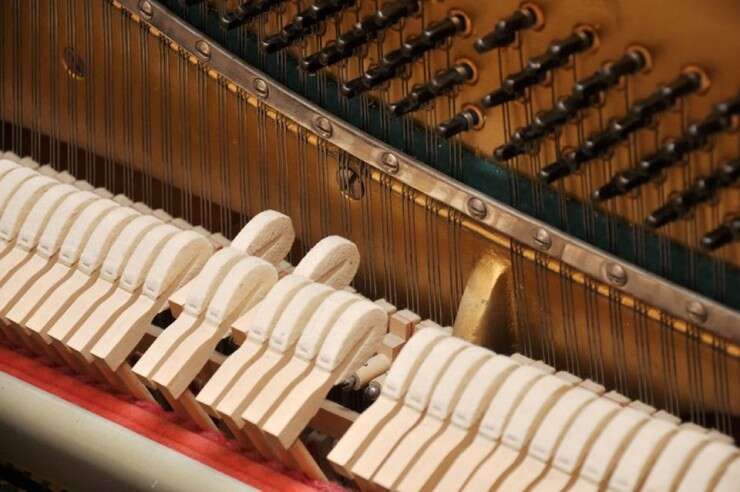
When people ask how much does a piano weigh, they expect a single number. The answer is a range. A piano is a precision machine built from heavy parts. It uses high-tension steel strings, a thick cast-iron plate, and dense hardwood. The cast-iron plate is often the biggest reason a piano is so heavy. It must handle thousands of pounds of string tension. The wood, the action parts, and the size of the soundboard add more weight.
Main parts that affect weight
- Cast-iron plate (or harp): very dense. Major weight contributor.
- Soundboard and case wood: old-growth hardwoods are heavier.
- Action and key bed: many metal and wooden parts add up.
- Strings and tuning pins: thin but many; they add measurable weight.
- Extra features: cabinets, bench, and built-in electronics.
Typical piano weights by type
Here are practical weight ranges you can use when planning a move or checking floor capacity. These are typical ranges. Specific models can vary.
| Piano type | Typical weight | Notes |
|---|---|---|
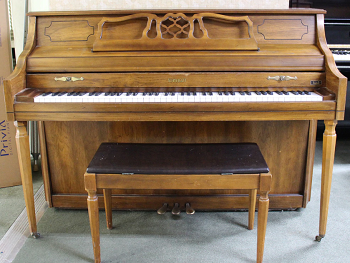
| Spinet (small upright) | 300–400 lb | Compact, still needs at least two movers. |
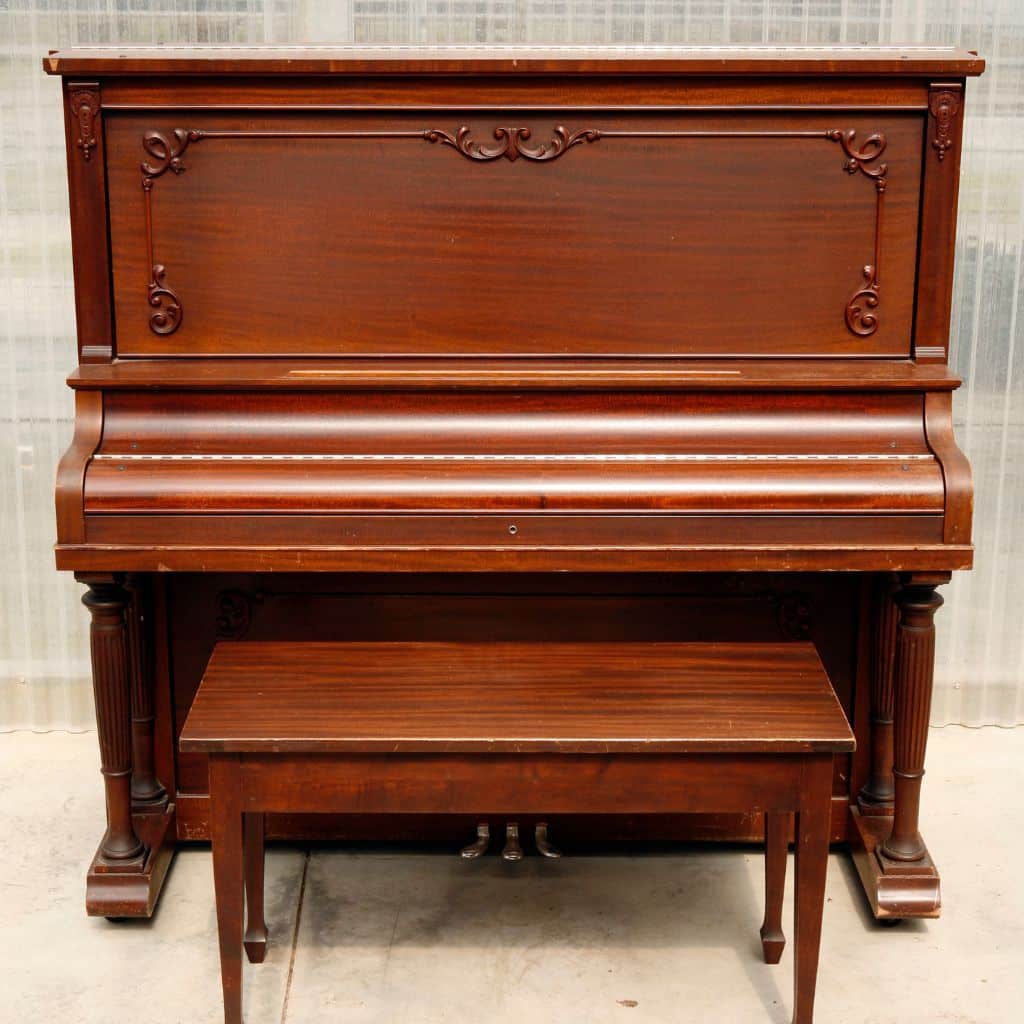
| Console / Studio upright | 350–700 lb | Common in homes and schools. |
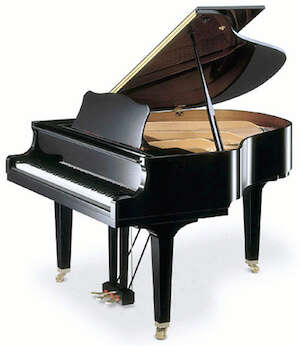
| Baby grand | 500–800 lb | Shorter string length but heavy frame. |
| Professional / Parlor grand | 700–1,000 lb | Larger soundboard, more wood and iron. |
| Concert grand | 1,000–1,200+ lb | Big frames, thick plates, long strings. Often exceeds 1,000 lb. |
| Digital piano | 50–150 lb | No cast-iron plate or strings. Easier to move. |
The type of wood matters. Old-growth maple or mahogany adds weight. New composites can cut weight. Electronic parts add a little, but not much compared with the plate and wood. I still remember lifting part of a Steinway frame. The grain and density made it feel like lifting a small safe. That’s why I always respect the numbers and plan accordingly.
Practical Tips for Moving Pianos
If you are curious about how much does a piano weigh, you are likely planning a move. Moving a piano needs more than muscle. It needs planning and the right gear. I’ve seen people cause floor damage or injure themselves by underestimating a piano’s weight. Here are safe, practical steps I use and recommend.
Before you move
- Measure doorways, hallways, and stair turns. Check clearance twice.
- Find load-bearing walls and strong floor areas. Place the piano near joists when possible.
- Check stair strength. Older homes may need a structural check.
- Remove loose items: music, bench, lamps. Those add weight and clutter.
Moving gear I recommend
- Heavy-duty piano dolly made for the instrument’s shape and center of gravity.
- Piano skid board (or piano board) that spreads weight across the floor.
- Professional moving blankets and heavy straps to secure the lid and keyboard cover.
- Rubber floor protectors and ramp boards for threshold transitions.
- At least 3–4 strong helpers for uprights; more for grands and stairs.
How I handle the lift
- Always strap the piano first. Secure the keyboard and lid.
- Use moving blankets under straps to protect the finish and edges.
- Roll the piano on a dolly when possible. Lock the wheels before lifting ramps or turning.
- When lifting, use your legs. Keep your back straight. Communicate every step.
- Never lift an upright from the back. This can strain the frame or ruin the soundboard.
Remember to add the weight of moving equipment when you plan. Most professional movers use specialized boards and floor protectors. If you DIY, copy that practice. It distributes the piano’s load and lowers the chance of floor damage.
Frequently Asked Questions of how much does a piano weigh
Is it safe to put a heavy piano on a second floor?
Most modern residential floors can hold a piano. Older homes may be different. If your house is old, consult a structural engineer. Place the piano near a load-bearing wall when you can. That spreads the weight across joists. Use a piano board to distribute weight over more floor area.
Does the age of the piano affect its weight?
Yes. Older pianos often use denser, old-growth woods and thicker iron plates. Those materials add weight. Modern manufacturing is more efficient. Newer pianos can keep strength with slightly less mass. But exceptions exist. Some modern concert grands are very heavy by design.
Can a digital piano weigh as much as an acoustic one?
No. Digital pianos are much lighter. They usually weigh between 50 and 150 pounds. They have no cast-iron plate or heavy strings. That makes them easier to move and kinder to floors. They do not need the same structural considerations as acoustic pianos. For more on instrument types, see that comparison.
How much does a spinet piano weigh?
A spinet is the smallest upright type. It generally weighs between 300 and 400 pounds. They look small but still need at least two people and the right equipment to move safely. Don’t try to slide one across a floor without protection. It can scratch or dent expensive wood floors.
Why do movers charge more for stairs?
Stairs add risk. The weight shift on stairs can damage the piano or break a mover’s grip. The movers need more manpower and more careful techniques. They also often need extra insurance for stair moves. Because of how much does a piano weigh, stairs require extra planning and cost.

Quick checklist before you move a piano
- Confirm piano type and approximate weight.
- Measure the path: doors, turns, stair widths, ceiling height.
- Plan helpers and gear: dolly, straps, blankets, skid board.
- Protect floors with plywood or slider pads.
- Label tight spots and rehearse the move in place.
- Hire professional piano movers for grands, stair moves, or tight layouts.
Conclusion
Determining how much does a piano weigh is the first step to responsible ownership and safe transport. From a small spinet to a concert grand, respect the weight. Know the role of the cast-iron plate, the wooden frame, and the action. Measure your route. Use the right gear. When in doubt, call professional movers who specialize in pianos. I’ve seen well-loved instruments saved from harm by a careful move. Treat your piano right and it will fill your home with music for decades. For more tips on maintaining your piano or to learn about the history of these instruments, feel free to subscribe to our newsletter or explore our library of guides.

Senior Music Reviewer
Alex Carter is a seasoned music reviewer with over a decade of experience in the world of sound and instruments. Passionate about helping musicians and enthusiasts make informed choices, he brings sharp insights and in-depth knowledge to every review. From classical instruments to modern gear, Alex combines technical expertise with a love for music to deliver content that resonates with readers.
As a Senior Music Reviewer and expert author on Tuneluma.com, Alex is dedicated to sharing honest evaluations, practical advice, and thoughtful commentary to guide readers in their musical journey.