How Many Keys Are On A Piano: The Complete 2026 Guide
A standard modern piano has 88 keys, consisting of 52 white keys and 36 black keys in total.
Having spent years teaching piano in dusty studios and performing on stages ranging from intimate jazz bars to concert halls, I have encountered everything from antique uprights to cutting-edge digital workstations. The question of how many keys are on a piano seems simple, but it acts as a gateway to understanding the history, mechanics, and evolution of music itself. Whether you are a beginner looking to purchase your first instrument or a curious enthusiast, understanding the architecture of the keyboard is essential. Let us explore the nuances of piano design and discover why the 88 key standard became the benchmark for musicians worldwide.

The Standard Piano Layout
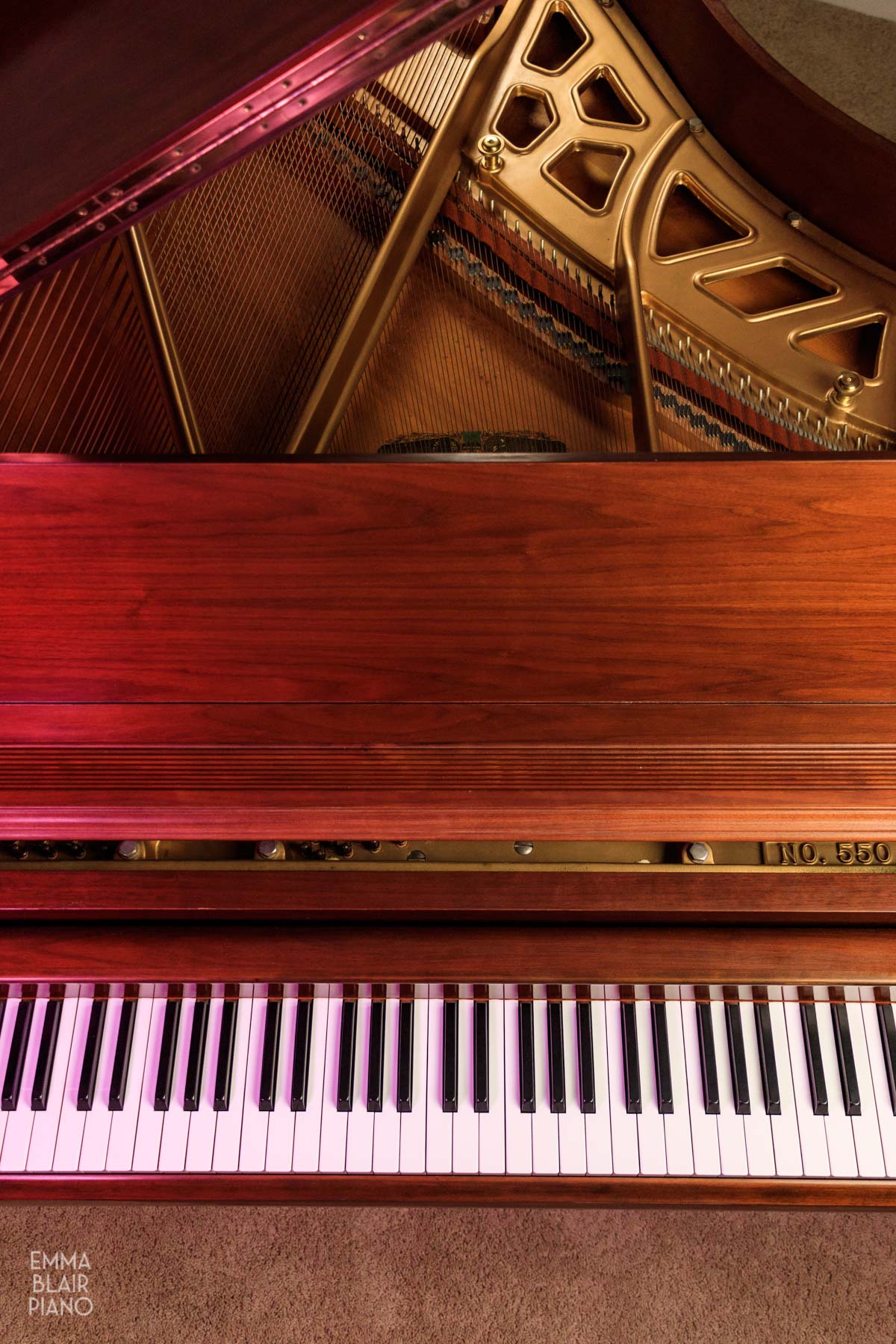
The modern piano is a marvel of engineering that balances acoustic physics with musical expression. Most acoustic grand and upright pianos feature exactly 88 keys. This range covers seven full octaves plus a minor third, spanning from the lowest A0 to the highest C8. This configuration was not chosen by accident; it represents a functional sweet spot that allows composers to explore a vast frequency range without the instrument becoming unwieldy.
When I first started playing, I remember feeling intimidated by the sheer number of keys. However, learning the pattern of white and black keys makes the layout much less daunting. The white keys represent the natural notes, while the black keys represent the sharps and flats. This organized arrangement is designed to help your brain recognize harmonic patterns quickly. Understanding how many keys are on a piano is the first step toward mastering the geography of the instrument.

Variations in Key Count
While 88 is the industry standard, you might occasionally encounter instruments that deviate from this number. Many entry level digital keyboards or older upright pianos often come with 61 or 76 keys. I once practiced on a portable 61 key keyboard when traveling, and while it was helpful for basic exercises, I quickly realized that playing complex classical pieces was difficult because I kept running out of keys at the top and bottom registers.
Manufacturers often reduce the number of keys on smaller digital models to save space and reduce costs. These versions are perfectly adequate for students learning chords or basic melodies. However, if you plan on pursuing formal training, an 88 key instrument is highly recommended to ensure you can play the full repertoire exactly as the composer intended. If you are ever unsure about a specific model, checking the manufacturer specs is the most reliable way to confirm how many keys are on a piano.
Why 88 Keys Became the Norm
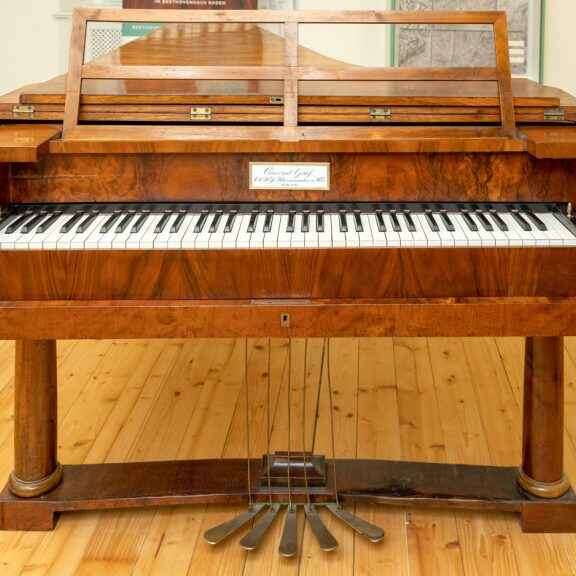
The shift toward the 88 key standard occurred gradually throughout the late 19th century. Early pianos had far fewer keys, often ranging between 60 and 80. As composers like Beethoven and Liszt pushed the boundaries of musical expression, they demanded a wider range of notes. Manufacturers responded by expanding the internal frame of the piano to accommodate more strings and hammers.
By the 1880s, the 88 key configuration solidified as the gold standard. It provided a perfect balance, offering enough depth for orchestral-style arrangements while remaining physically manageable for the performer. From my experience, having access to those extra lower notes provides a rich, resonant foundation that is missing on smaller instruments. This evolution highlights how the physical design of the instrument directly influenced the history of music composition.

Frequently Asked Questions of how many keys are on a piano
Are all 88 keys weighted the same?
On an acoustic piano, the weight of the keys varies slightly because the hammer mechanisms get progressively larger toward the bass end. Digital pianos try to simulate this feel through weighted action, which provides a more authentic experience for the player.
Can I learn to play on a keyboard with fewer keys?
Yes, you can certainly learn the fundamentals of music theory and technique on a 61 or 76 key keyboard. However, you will eventually need access to a full 88 key piano to play advanced pieces that utilize the extreme ends of the register.
Do some pianos have more than 88 keys?
Some high end boutique piano manufacturers create custom instruments with 92 or even 97 keys to provide extra resonance. These additional keys are very rare and are usually found on specialized concert grands rather than home instruments.
How do I count the keys if I am a beginner?
You can count the keys by identifying the repeating pattern of 12 notes, consisting of 7 white keys and 5 black keys. Each of these 12 note groups forms one octave, and an 88 key piano simply repeats this pattern across the entire length of the keybed.
Does the number of keys affect the sound quality?
The number of keys itself does not determine quality, but a full 88 key instrument usually features better materials and construction. A well maintained 88 key piano will almost always offer a deeper, more professional tone than a compact model.
Conclusion
Understanding how many keys are on a piano provides more than just a piece of trivia; it gives you the context needed to choose the right tool for your musical journey. Whether you settle for a space saving 61 key model or commit to the full range of an 88 key acoustic grand, the most important factor is the time you spend practicing. The architecture of the piano is designed to facilitate creativity, and the standard layout serves as a universal language for musicians across the globe. I encourage you to sit down at a piano today, explore the full span of the keyboard, and let the music guide you. If you have any questions about choosing your first instrument, feel free to leave a comment below or check out our additional resources on piano maintenance and technique.

Senior Music Reviewer
Alex Carter is a seasoned music reviewer with over a decade of experience in the world of sound and instruments. Passionate about helping musicians and enthusiasts make informed choices, he brings sharp insights and in-depth knowledge to every review. From classical instruments to modern gear, Alex combines technical expertise with a love for music to deliver content that resonates with readers.
As a Senior Music Reviewer and expert author on Tuneluma.com, Alex is dedicated to sharing honest evaluations, practical advice, and thoughtful commentary to guide readers in their musical journey.