What Is A Djembe Drum: Ultimate Guide For Beginners
A djembe drum is a West African hand drum with a goblet shape and rich tonal range.
I’ve spent years playing and teaching percussion, and I’ll walk you through exactly what a djembe drum is, why it matters, and how to choose, care for, and play one. This article explains the djembe’s origin, parts, sound, rhythms, and real-life tips from my experience. Read on to gain practical knowledge and confidence whether you want to buy your first djembe drum or deepen your playing.

What is a djembe drum: definition and history
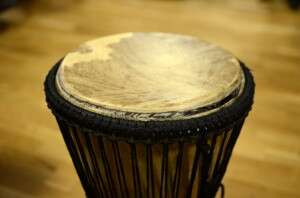
A djembe drum is a single-headed hand drum from West Africa. It has a goblet shape and is traditionally carved from one piece of hardwood. The drumhead is usually goatskin. The djembe drum grew from community and ceremonial use. It is central to many West African music traditions and spread worldwide in the 20th century.
The word "djembe" comes from a Bambara phrase that roughly means "everyone gather together in peace." Ethnomusicologists note its role in storytelling, dance, social events, and rites of passage. Knowing what a djembe drum is includes understanding that it is both a musical instrument and a cultural object.
Anatomy and materials: what makes a djembe drum sound the way it does
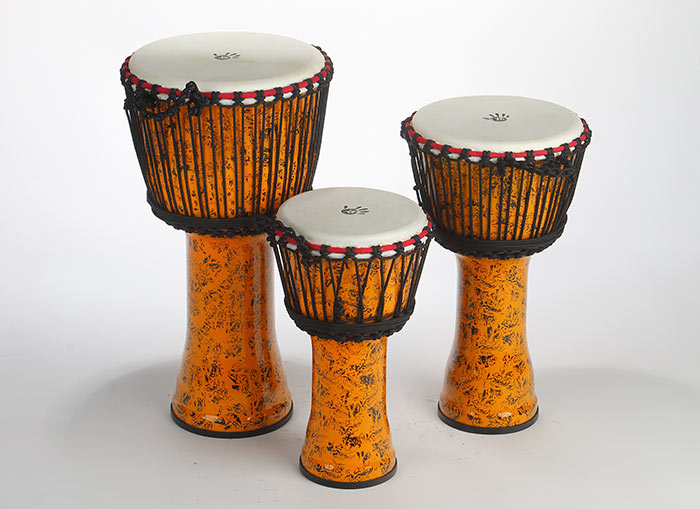
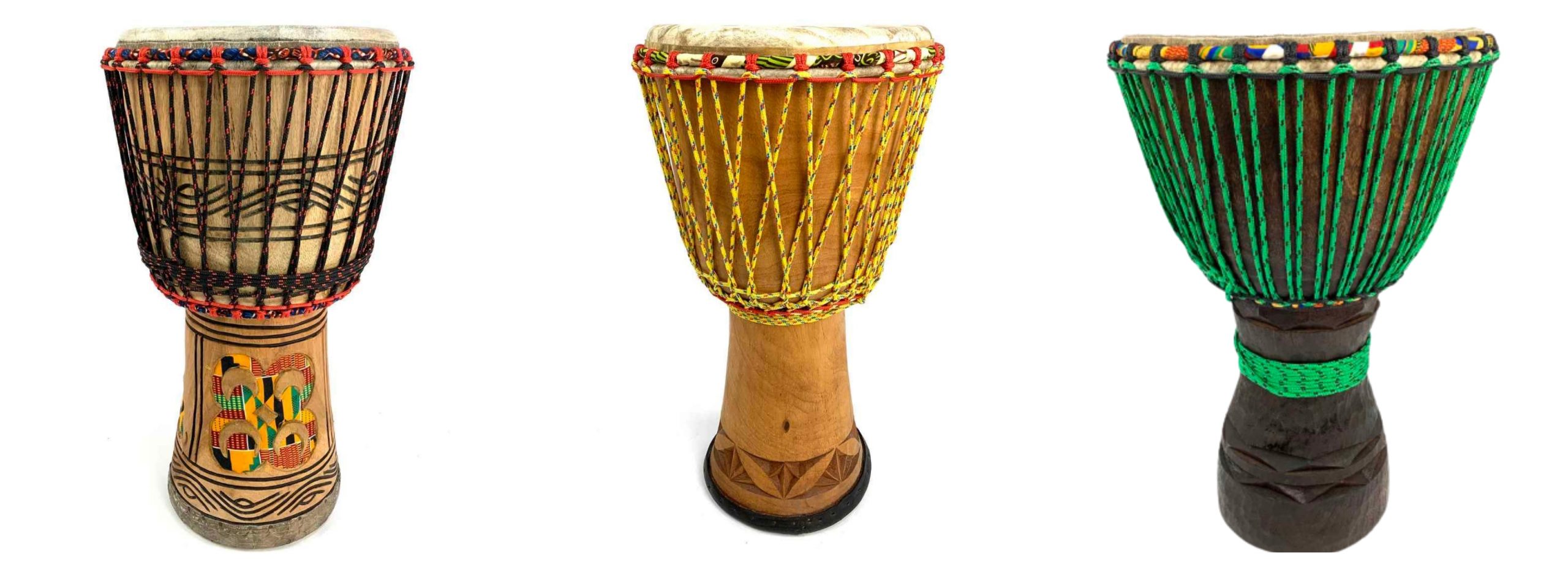
Understanding what a djembe drum is requires learning its parts. The main parts are the shell, head, tuning system, and rope. Each part affects tone and durability.
Shell
The shell is carved from wood or made from synthetic material. Traditional shells use hardwoods like iroko or lenke. Shell shape and wood density shape resonance.
Head
The head is usually goatskin. Thickness, age, and how it’s treated change the sound. Synthetic heads exist and handle humidity better.
Tuning system
Rope tuning holds the head tight. Vertical and horizontal knots change tension. Proper tuning gives clear bass, tone, and slap sounds.
Rope and hardware
Rope quality and material influence stability. Metal rings under the head help hold the skin in place. These elements combine to create the djembe drum voice.
How a djembe drum sounds and basic playing techniques
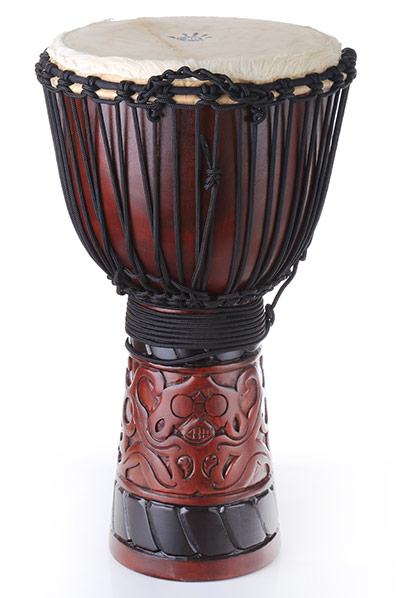
If you ask what a djembe drum sounds like, expect three core tones: bass, tone, and slap. Each tone uses a different hand position and strike depth.
Bass
Hit the center with a flat hand. The sound is low and rounded. Bass anchors the rhythm.
Tone
Strike near the edge with fingers together. Tone is clear and melodic. It carries the groove.
Slap
Strike the edge with a relaxed wrist and spread fingers. Slap is sharp and bright. It adds excitement.
Practice basics slowly. Use simple patterns and keep your hands relaxed. Over-tightening fingers or using stiff wrists reduces volume and can cause injury. From my teaching, new players improve fastest by practicing these three tones in short daily sessions.
Rhythms, styles, and cultural context
To fully know what a djembe drum is, you need to know its role in music. The djembe drum leads rhythms in ensembles with dunun drums, bells, and vocals. Rhythms vary by region and occasion.
Common rhythms
Kuku: a dance rhythm from coastal Guinea used for celebration.
Djole: used in mask and initiation ceremonies.
Suku: a fast rhythm often used for energetic dances.
Ensemble playing
The djembe often plays lead patterns and improvisation. Dunun drums provide the foundational pulse. Group dynamics emphasize call-and-response and listening.
Cultural respect
The djembe drum is not just a prop. It carries cultural meaning. When learning, honor traditions and seek guidance from knowledgeable teachers.
Buying, caring for, and tuning a djembe drum
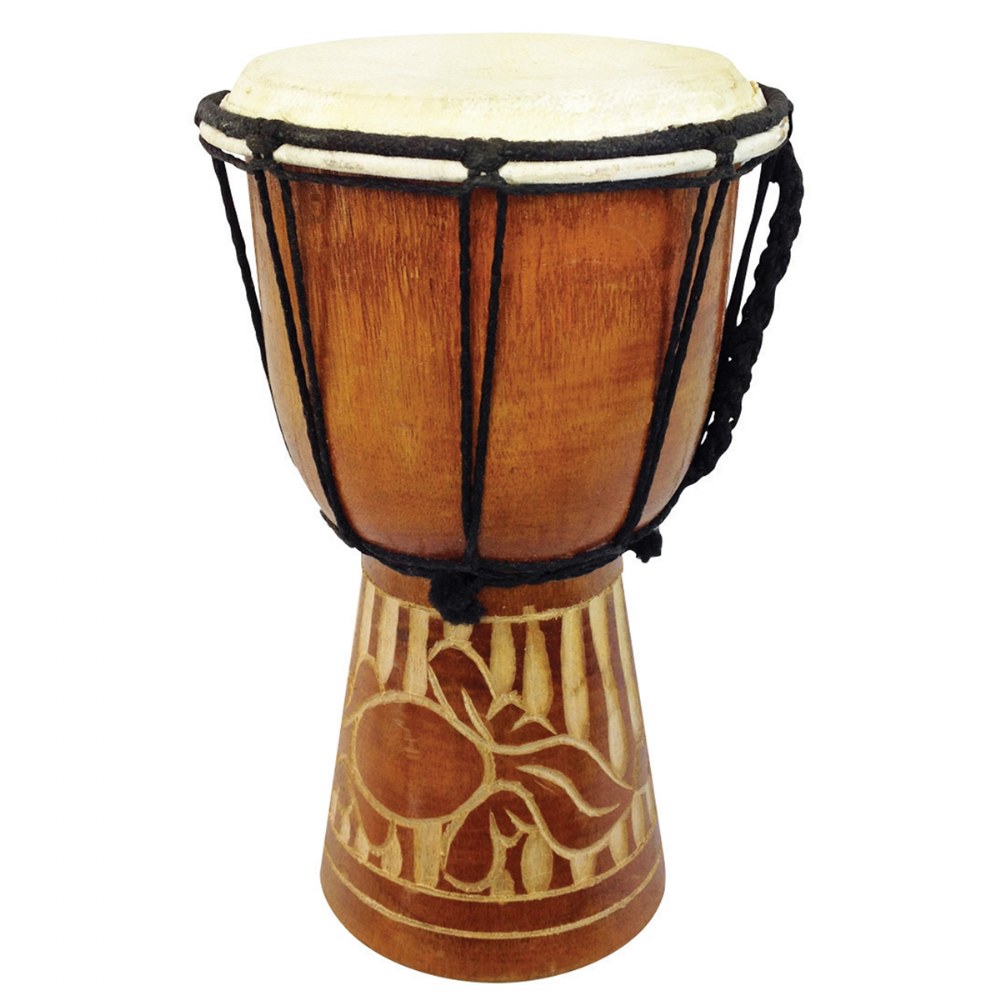
When learning what a djembe drum is for purchase, think about sound, size, and materials. A good beginner djembe balances price and sound quality.
Buying tips
Try different sizes: 10–12 inch heads suit children; 12–14 inch heads suit adults.
Test bass, tone, and slap for clarity.
Choose solid construction and good rope work.
Care
Keep the djembe drum dry and away from extreme heat.
Soak and stretch a natural skin occasionally to maintain tone.
Use a padded bag when transporting.
Tuning
Use rope or tuning wrench for metal systems. Tighten slowly and listen for even tone. Regular retuning is normal due to weather changes.
From my experience, a well-cared-for djembe drum lasts decades and keeps improving in tone as the skin ages.
Common mistakes, practice tips, and my personal experience
I’ve taught many beginners what a djembe drum is and seen recurring errors. Fixing these saves time and improves sound quickly.
Common mistakes
Hitting with stiff fingers or locked wrists reduces tone and can cause pain.
Over-tuning the head to try for louder sound can break the skin.
Ignoring posture and hand position limits progress.
Practice tips
Short daily practice beats long weekly sessions.
Record yourself to hear timing and tone.
Play with others to learn ensemble cues.
Personal story
Early in my drumming journey I bought a cheap djembe drum online. It sounded thin and the rope failed quickly. I traded up after a year, learned proper tuning, and my tone improved dramatically. Lesson learned: invest in a decent instrument and learn tuning basics.

Related instruments and modern variations
When people ask what a djembe drum is, they often compare it to other hand drums. Understanding relatives helps you choose the right percussion.
Related instruments
Dunun: bass drums that accompany the djembe drum.
Ashiko: another West African drum with a conical shape.
Cajon: a box drum used in many modern styles.
Modern variations
Synthetic djembes resist humidity.
Hybrid shells use layered woods or composites.
Tunable metal systems replace rope for easy tuning.
These variations keep the djembe drum relevant in global music while preserving core techniques.

Frequently Asked Questions of what is a djembe drum
What materials are used to make a djembe drum?
Traditional djembes use carved hardwood shells and goatskin heads. Modern versions may use synthetic shells and synthetic heads for durability.
How do I tune a djembe drum?
Tune a djembe drum by tightening the vertical ropes or using a wrench for mechanical systems. Tighten evenly and check bass, tone, and slap as you go.
Is the djembe drum hard to learn?
The basics of a djembe drum are easy to learn with practice, but developing control and speed takes time. Short daily practice sessions lead to steady improvement.
Can children play a djembe drum?
Children can play a djembe drum when the size and weight fit them. Smaller drums are better for young players to avoid strain and improve technique.
How should I care for a djembe drum in different climates?
Keep a djembe drum out of extreme heat and humidity. For natural heads, adjust tuning and store in a padded case when traveling to different climates.
Conclusion
Knowing what a djembe drum is gives you a path from curiosity to confident playing. You now know the djembe drum’s history, parts, sounds, rhythms, buying tips, and care. Start with basic bass, tone, and slap practice and protect your drum from weather. Try playing with others and seek guidance from experienced players to grow faster.
Take action: try a short daily practice routine, test a few drums in person, or join a local circle to feel the music. Leave a comment about your djembe drum journey or subscribe for more practical tips and lessons.

Senior Music Reviewer
Alex Carter is a seasoned music reviewer with over a decade of experience in the world of sound and instruments. Passionate about helping musicians and enthusiasts make informed choices, he brings sharp insights and in-depth knowledge to every review. From classical instruments to modern gear, Alex combines technical expertise with a love for music to deliver content that resonates with readers.
As a Senior Music Reviewer and expert author on Tuneluma.com, Alex is dedicated to sharing honest evaluations, practical advice, and thoughtful commentary to guide readers in their musical journey.