How To Learn The Drums: Fast Practice Plan For Beginners
Start simple: learn basic beats, practice rudiments, use a metronome, and play with songs.
I’ve taught and played drums for over a decade, and I know how to learn the drums in a way that sticks. This guide walks you step by step through gear, technique, practice routines, reading, groove building, and common pitfalls. Read on if you want clear, tested advice that turns practice time into real progress.

Why learning the drums matters and what to expect
Learning the drums builds timing, coordination, and confidence. If you want to play with bands or just jam to your favorite songs, knowing how to learn the drums will get you there faster.
Drumming is physical and musical. You will improve by training hands, feet, and ears together. Expect steady gains, small plateaus, and big breakthroughs when skills connect.
Essential gear to get started
You do not need an expensive drum kit to learn. Start with a practice pad, a pair of sticks, a metronome (app is fine), and headphones for playing along with songs.
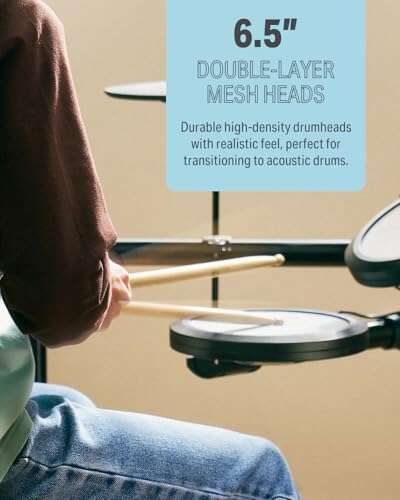
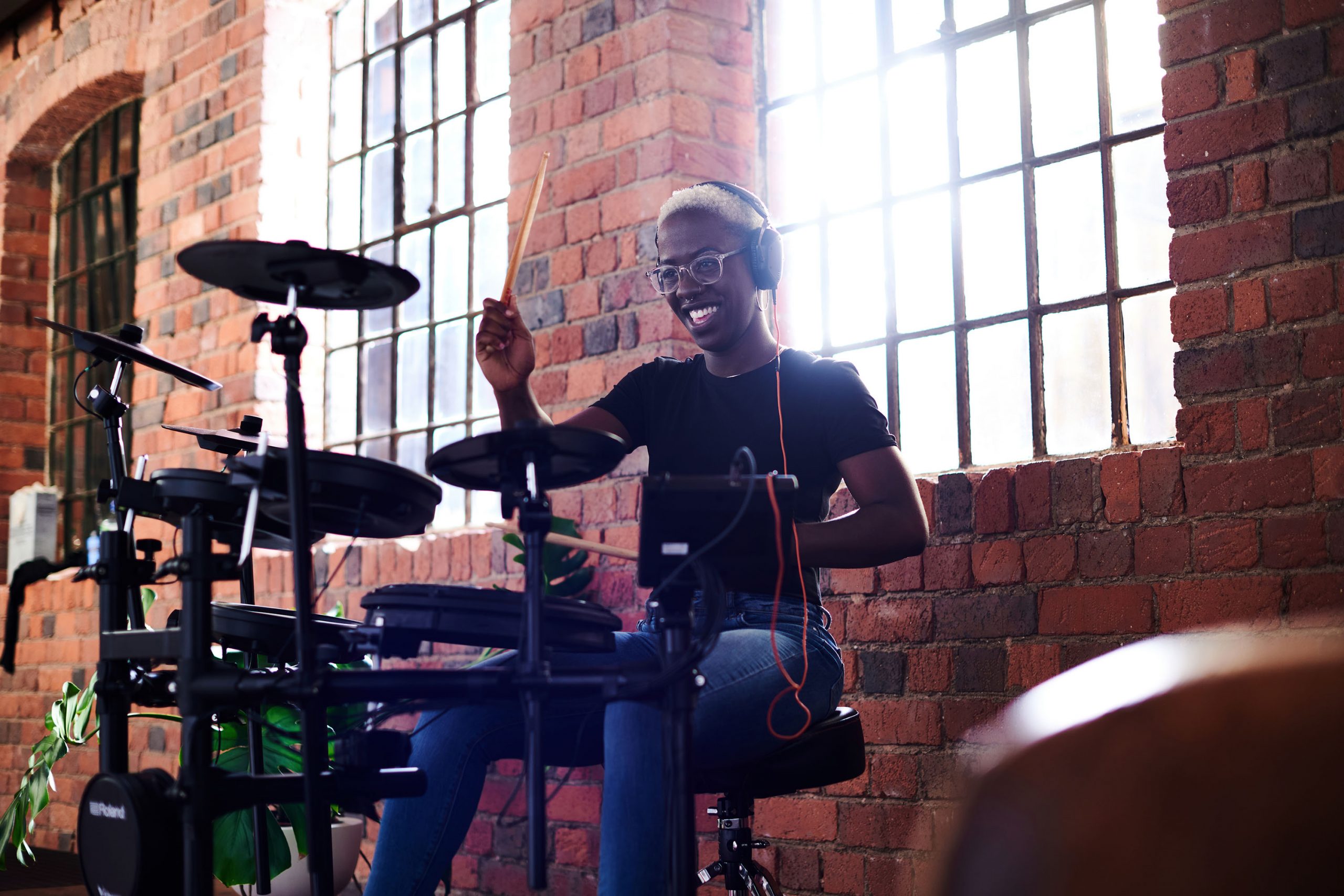
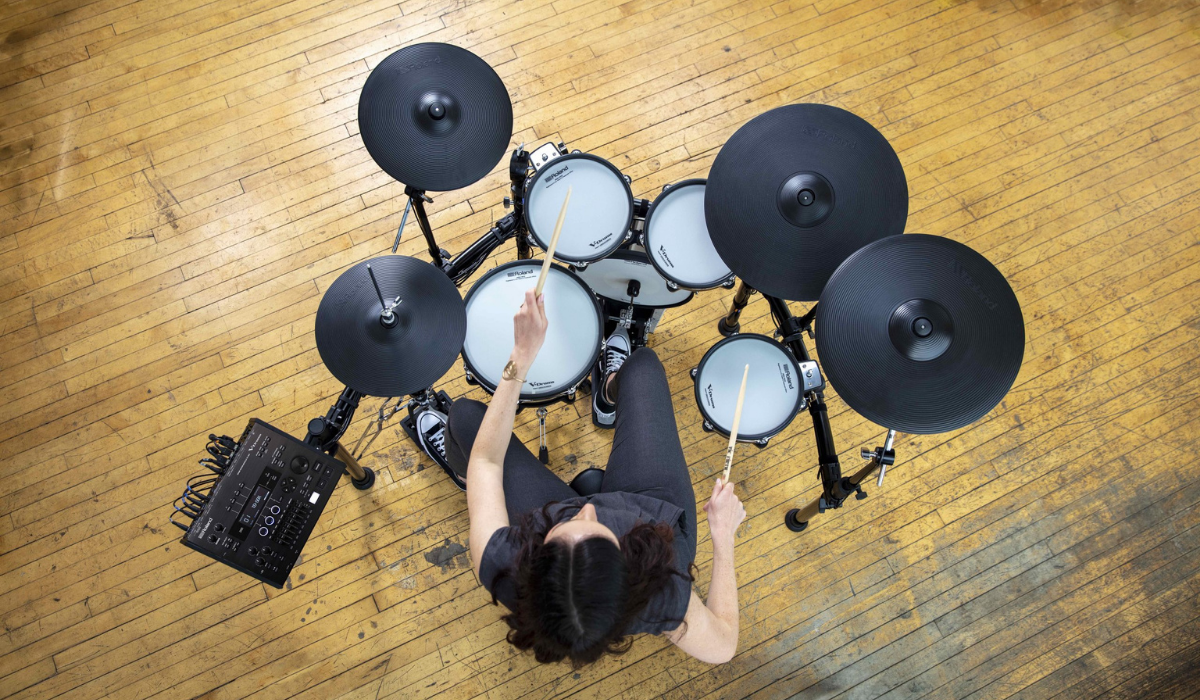
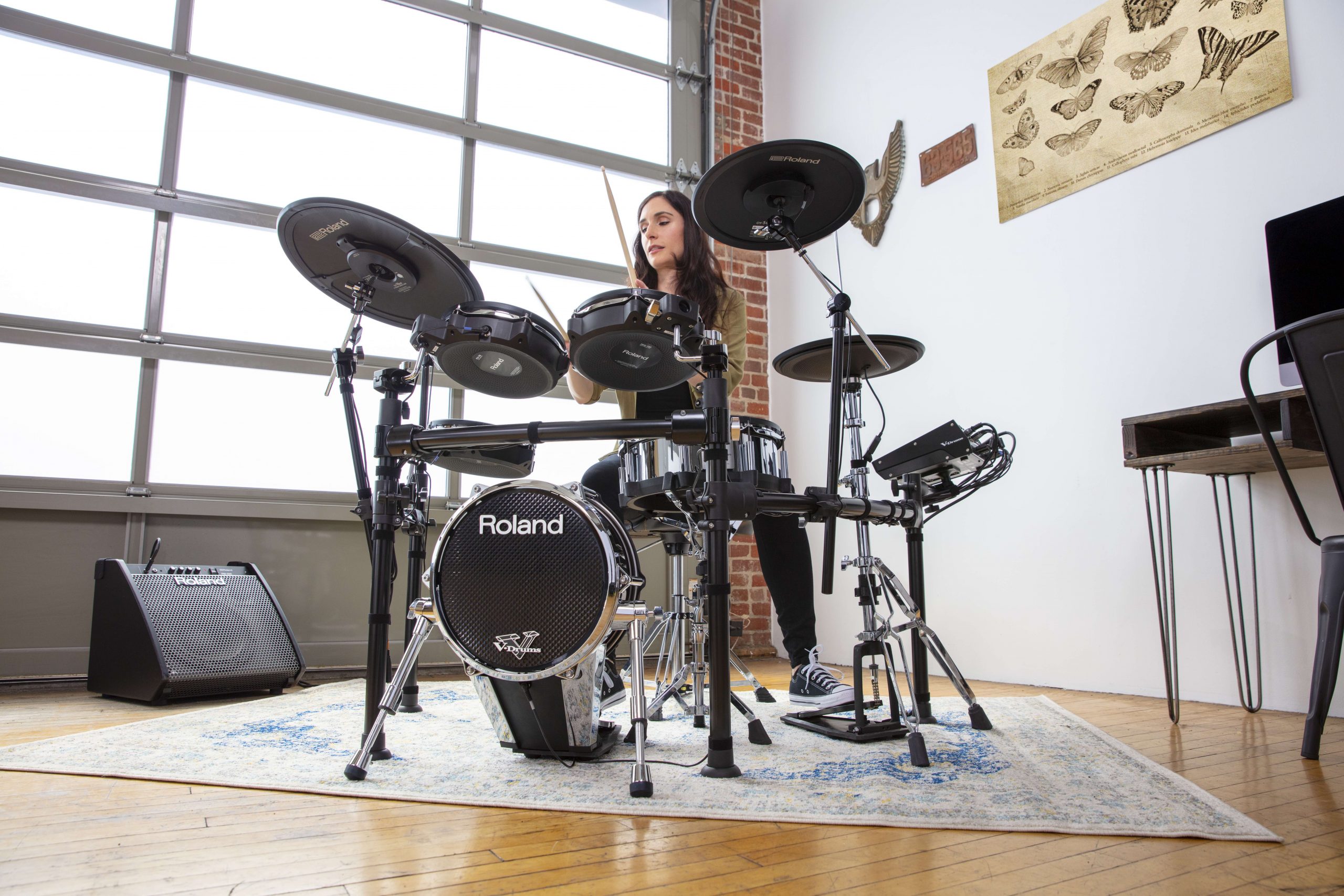
If budget allows, add a basic acoustic or electronic drum kit after three to six months. Electronic kits are quiet and great for home practice. Focus on comfort and playability over brand names.

Basic technique and posture
Good posture and grip are the foundation. Sit slightly forward on the throne, keep your back straight, and relax your shoulders.
Grip the stick so it pivots at the fulcrum near your thumb and index finger. Use wrist motion for most strokes and reserve finger control for finesse. Practice slow, clean strokes to build control.
Rudiments and coordination exercises
Rudiments are the vocabulary of drumming. Start with single stroke roll, double stroke roll, paradiddle, and flams.
Practice each rudiment slowly with a metronome. Use 10–15 minutes of rudiments at each practice. These drills build speed, evenness, and coordination across hands and feet.

Building timing: the metronome and grooves
Timing is the most important skill for drummers. Practice with a metronome daily. Start at a slow tempo and only increase when you can play cleanly.
Work on basic grooves in common time and 4/4 pocket. Play along with songs and backing tracks. Practicing with real music teaches you feel and musical placement.
Reading, charts, and simple theory
Reading basic drum notation helps you learn faster. Learn note values (quarter, eighth, sixteenth) and common symbols for snare, bass, and hi-hat.
Study simple charts and transcribe beats from songs. Transcribing trains your ear and gives you practical patterns to use in real playing situations.

Practice plan: a realistic weekly routine
Consistency beats marathon sessions. Aim for 20–45 minutes daily rather than long, infrequent sessions.
Sample week:
- Warm-up and rudiments for 10 minutes.
- Timing and metronome work for 10 minutes.
- Grooves and fills for 10–15 minutes.
- Play-along or song practice for 10 minutes.
Rotate focus each week and track progress in a practice log.

Playing with others and jamming
Playing with other musicians teaches listening and dynamics. Start by playing along to recordings, then move to live jamming with friends.
Focus on keeping steady time, leaving space, and supporting the song. Communication and simple parts matter most in group settings.
Common mistakes and how to avoid them
Mistake: trying to move too fast. Slow practice builds control. Mistake: ignoring timing. Use a metronome every session. Mistake: poor posture. Fix seat height and grip to avoid injury.
Be patient with progress. Small, consistent steps beat sporadic heroics.
Electronic drums, pads, and silent practice
Electronic kits and pads are perfect for noisy homes. They let you practice rudiments, grooves, and dynamics quietly. Many kits include built-in coaching tools and play-along tracks.
A pad and metronome can carry you through the first year of learning. Use headphones when practicing to stay focused.
How long does it take to get good?
How to learn the drums depends on your goals. To play basic grooves and keep time, most players see clear progress in 3–6 months. To perform confidently in bands, plan for 1–2 years of focused practice.
Progress is about quality of practice, not just hours. A clear plan and steady habits accelerate results.
Practice tools, apps, and learning options
Use metronome apps, slow-down audio tools, and video lessons. Online teachers, in-person lessons, and method books all work. Mix methods to stay motivated.
Choose tools that match your learning style. Track your practice and set small, measurable goals.
Personal experiences and lessons learned
I once practiced rudiments for months before playing a real groove. The muscle memory paid off. I also learned to avoid overloading practice sessions with too many goals.
A simple routine and honest self-checks kept me progressing. Record yourself and listen back; it reveals things playing in the moment can hide.
PAA-style questions (quick answers)
How long should I practice daily when learning drums?
Start with 20–30 minutes daily and increase as focus and stamina improve.
Do I need lessons to learn drums?
Lessons speed progress, but motivated self-study with good resources can work too.
Can I learn drums online only?
Yes. Online lessons and structured courses are effective if you stay disciplined and get occasional feedback.
Frequently Asked Questions of how to learn the drums
What is the first thing to learn on drums?
Start with seat height, grip, and single-stroke rudiments. These build the control you need for grooves.
How long until I can play along with songs?
You can play simple songs in a few weeks with focused practice. More complex music takes months.
Is it better to learn on acoustic or electronic drums?
Both work. Acoustic drums give natural feel, electronic kits offer quiet practice and built-in tools.
How important is reading music for drummers?
Reading helps, but many drummers learn by ear. Reading expands options and speeds learning in formal settings.
Should I use a metronome every practice?
Yes. A metronome trains internal time and prevents bad habits. Use it for warm-ups and timing drills.
Can adults learn drums effectively?
Absolutely. Adults often progress quickly because of better focus and consistency.
How to avoid wrist and back pain while playing?
Use correct posture, relaxed grip, and regular breaks. Warm up before long sessions and stretch after.
Conclusion
Learning the drums is a clear path of small, steady steps. Start with good gear, solid technique, metronome practice, and a weekly plan. Track progress, play with others, and stay patient—consistency turns practice into musical skill.
Try one focused 30-minute session today: warm up, work on a rudiment, practice a groove with a metronome, and play a song. Leave a comment about your goals or subscribe for more practice plans and tips.

Senior Music Reviewer
Alex Carter is a seasoned music reviewer with over a decade of experience in the world of sound and instruments. Passionate about helping musicians and enthusiasts make informed choices, he brings sharp insights and in-depth knowledge to every review. From classical instruments to modern gear, Alex combines technical expertise with a love for music to deliver content that resonates with readers.
As a Senior Music Reviewer and expert author on Tuneluma.com, Alex is dedicated to sharing honest evaluations, practical advice, and thoughtful commentary to guide readers in their musical journey.