What Is A Drum Fill: Easy Guide To Rock Your Beats
A drum fill is a brief, intentional drum pattern that connects, accents, and surprises the listener.
I’ve spent years playing and teaching drums in studios and live rooms, so I know how a clear answer helps you improve fast. This article explains what is a drum fill, why fills matter, how to play them, and how to practice fills so they sound musical and intentional.
What is a drum fill: a clear definition
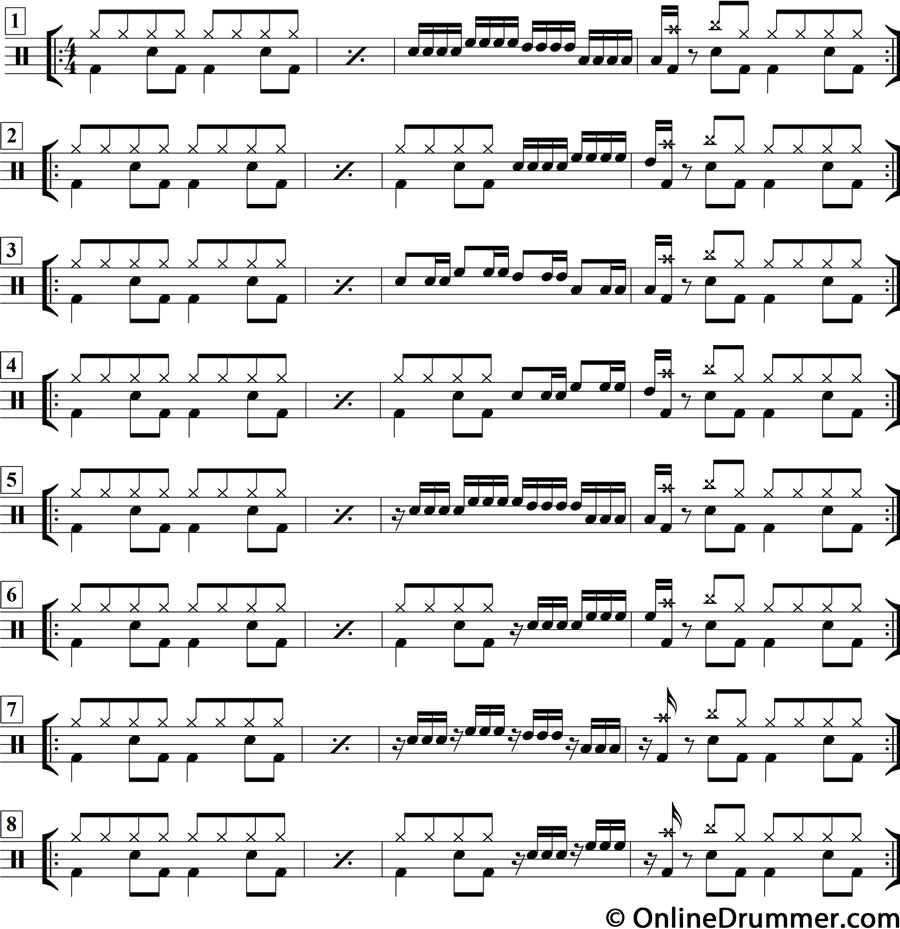
A drum fill is a short rhythmic phrase on the drum kit that bridges one section of a song to another. It can be one beat, two beats, or a full bar. The aim is to add interest, mark transitions, or emphasize emotional moments.
To unpack what is a drum fill, think of it like punctuation in a sentence. It tells the band and listener, “Something is changing.” Fills can be loud or soft, simple or complex, but they always serve the music.
Why drum fills matter in music
Fills do more than show off technique. They:
- Signal transitions between verses, choruses, and bridges.
- Add tension or release at key moments.
- Create dynamics and keep the listener engaged.
- Highlight a song’s groove or shift the mood subtly.
When you ask what is a drum fill in terms of purpose, know this: well-placed fills make a song feel deliberate. Poor fills can sound like interruptions. The difference is musical taste and control.
Basic components of a drum fill
A fill combines several elements. Knowing these makes them easier to create and teach.
- Timing
- A fill must fit the song’s time signature and tempo.
- Groove context
- It usually follows or complements the main groove.
- Orchestration
- Choice of drums and cymbals (snare, toms, kick, hi-hat) shapes the sound.
- Subdivision
- Fills are built from subdivisions: eighths, sixteenths, triplets, etc.
- Dynamics
- Accent placement and volume give the fill direction.
Understanding these parts answers not just what is a drum fill, but how it functions inside a song.

Common types of drum fills and examples
Familiar fill types help you pick one fast when playing live.
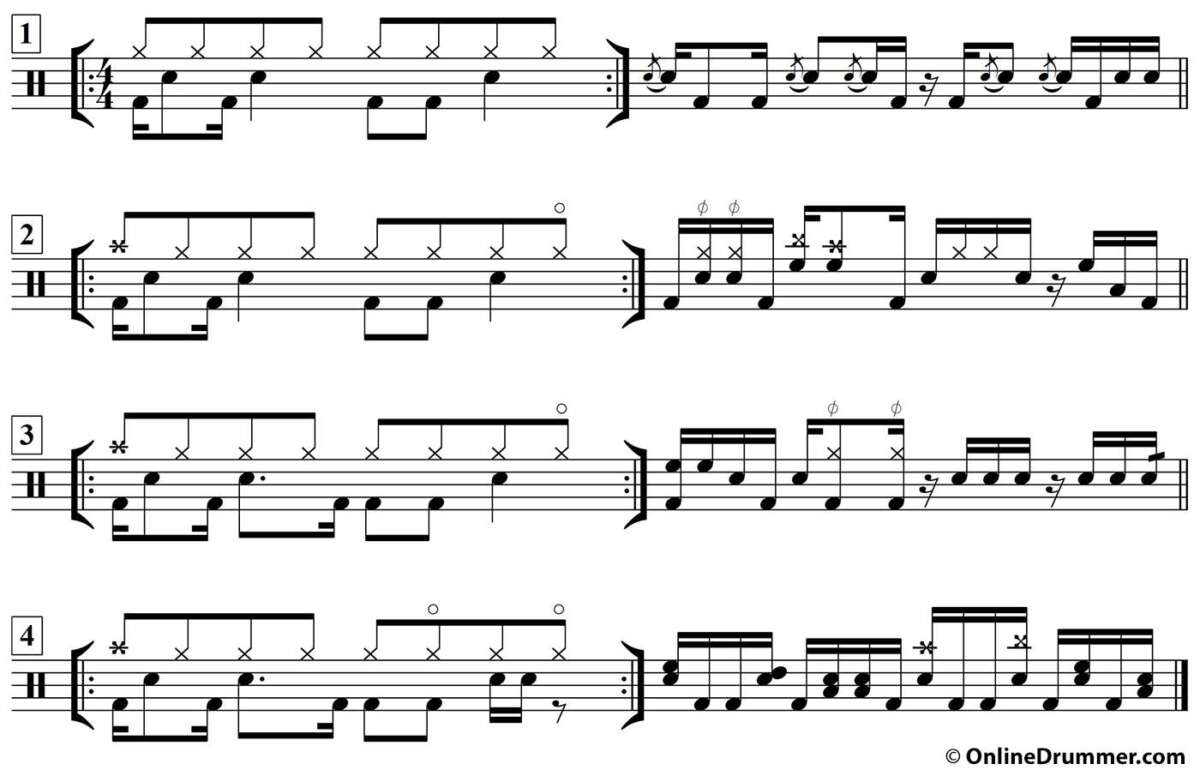
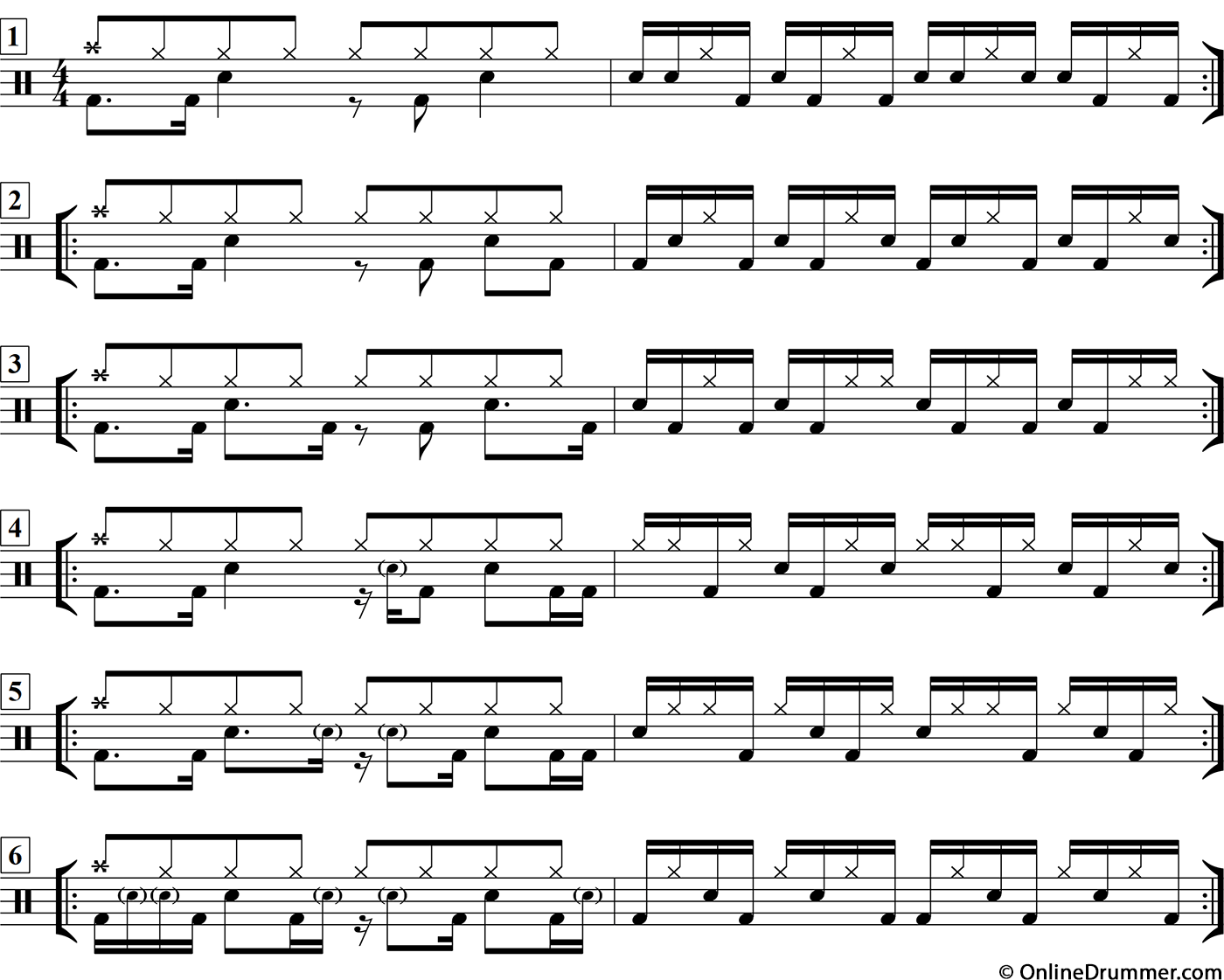
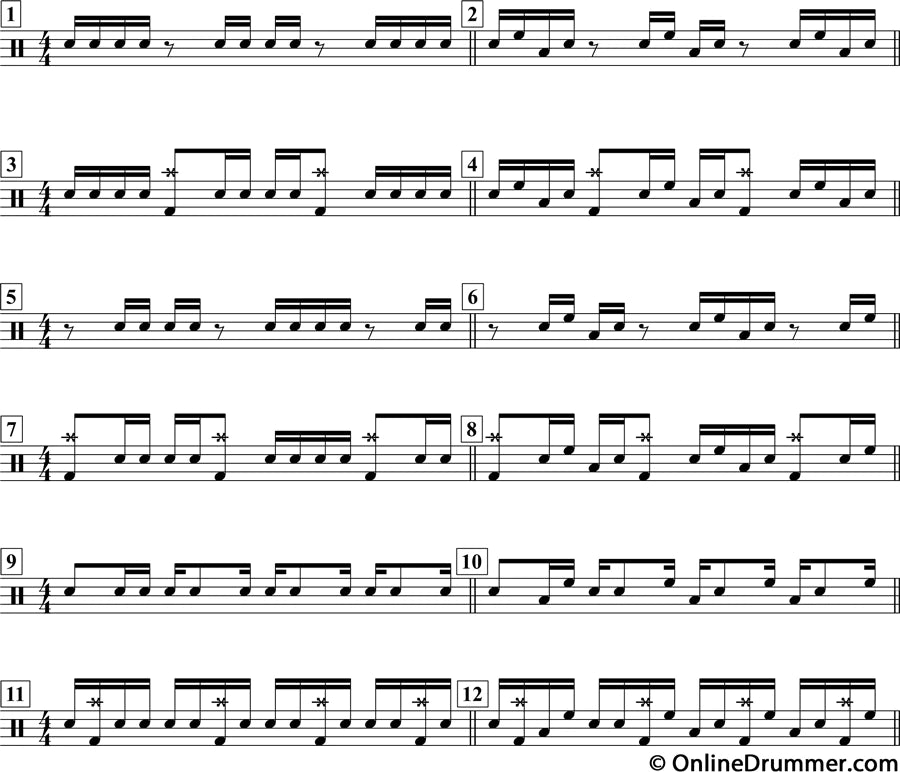
- Single-stroke fills
- Alternating RLRL around the kit. Simple and musical.
- Double-stroke fills
- RRLL patterns for a fuller, flowing sound.
- Tom-based fills
- Move across toms for a melodic effect.
- Linear fills
- No two limbs hit at the same time; very clean.
- Paradiddle-based fills
- Use rudiments for funky accents and syncopation.
- Triplet fills
- Use 16th-note triplets for swing or heavier motion.
When practicing, map each fill to a part of a song. That helps you remember when to use them, and it answers real-world questions about what is a drum fill in different genres.

How to create musical drum fills
Make fills that serve the song by following steps.
- Listen first
- Identify the song’s groove and mood.
- Start simple
- Use one or two beats at first. Keep the groove intact.
- Phrase around the melody
- Let the fill support the song’s vocal or instrument line.
- Use space
- Silence can be as powerful as notes.
- End clearly
- Land back on the groove on beat one or a predictable subdivision.
These steps show how to answer “what is a drum fill” practically— it’s not just notes, it’s musical choice.

How to practice drum fills effectively
Good practice turns fills into reliable tools. Try this routine.
- Warm up with single and double strokes for five minutes.
- Practice fills in 4-bar loops at slow tempo.
- Use a metronome and move the fill across different beats.
- Practice fills in various subdivisions and tempos.
- Record and review your fills to judge musicality, not just speed.
From my own teaching, the mistake I saw most was rushing to flashy fills. Stick to this routine and you’ll build musical fills that work every time.

Common mistakes and how to avoid them
New players often make the same errors. Fix these to sound grown-up fast.
- Playing fills that clash with the groove
- Keep feel and tempo consistent.
- Overplaying
- Less is often more. Choose fills that breathe.
- Poor orchestration
- Use toms and cymbals wisely to avoid a cluttered sound.
- Timing errors
- Practice with a metronome and count subdivisions out loud.
A simple mental check — “Does this serve the song?” — helps avoid many fill mistakes and clarifies what is a drum fill’s role.
Genre examples: how fills differ by style
Fills change with genre. Here’s how they typically behave.
- Rock
- Big tom hits, solid backbeat, clear landing on beat one.
- Pop
- Short, tasteful fills that support vocals.
- Jazz
- Syncopated, lighter touches using cymbals and snare cross-sticking.
- Funk
- Tight, precise 16th-note fills that lock to the groove.
- Metal
- Fast, aggressive fills with double bass and heavy snare accents.
Knowing genre helps answer the practical side of what is a drum fill for each musical context.
Personal insights and lessons learned
I learned early that fills should tell a story. A few lessons from playing and teaching:
- Less is more: A simple two-beat fill can be more powerful than a long solo.
- Count out loud: Saying “one-e-and-a” saved my timing many times.
- Use dynamics: A soft fill before a loud chorus creates huge impact.
- Learn rudiments: They give your fills vocabulary to be creative.
I once played a set where I used the same flashy fill too often. The band sounded tired. I swapped to simpler fills and the song breathed. That experience shows the real answer to what is a drum fill: it’s a musical tool, not a solo stunt.
Quick practice plan for the next 30 days
Follow this simple plan to improve fills fast.
- Week 1
- Practice single-stroke fills and find 5 musical spots in songs.
- Week 2
- Add doubles and tom moves. Record one song per practice.
- Week 3
- Work on dynamics and linear fills at slow tempo.
- Week 4
- Put fills into full songs and play with a band or backing track.
This plan helps you answer and embody what is a drum fill through focused repetition.
PAA-style questions (short helpful answers)
Q: What is a drum fill used for?
A: A drum fill signals changes, adds interest, and emphasizes song moments. It helps guide the band and listener.
Q: How long should a drum fill be?
A: Fills are typically one or two beats, or one bar, but length depends on the song’s style and phrasing.
Q: When should I practice fills?
A: Practice them daily in short sessions, moving from slow to tempo and focusing on musical placement.
Q: Are rudiments necessary for fills?
A: Rudiments are very helpful because they build control and vocabulary for fills, but you can use simple patterns too.
Q: Can fills be improvised?
A: Yes. Improvised fills are common, but keep them tasteful and within the song’s feel.
Frequently Asked Questions of what is a drum fill
What exactly is a drum fill?
A drum fill is a short, varied drum pattern used to decorate or transition within a song. It differs from the main groove and draws attention to a change.
How do fills connect song sections?
Fills act as musical markers that lead from verse to chorus or into a bridge. They cue listeners and other musicians that a new section is coming.
What drums are best for fills?
Snares and toms are the most common, with cymbals used for accents. The kit choice depends on the sound you want and the song’s style.
How do I choose a fill for a song?
Match the fill’s energy to the song. Use subtle fills in quiet songs and bolder fills in high-energy parts to support the music.
Can beginners play drum fills?
Yes. Beginners should start with simple single-stroke or two-beat fills and practice timing. Gradually add complexity as skill improves.
How important is timing for fills?
Timing is crucial. A perfectly played fill that lands off the beat still sounds wrong. Use a metronome and count subdivisions until it becomes automatic.
Conclusion
Drum fills are short, purposeful phrases that add shape, energy, and clarity to music. Knowing what is a drum fill means understanding its role, practicing with focus, and choosing fills that serve the song. Start simple, build control, and aim to make every fill a musical choice rather than a stunt. Try one focused practice session this week: pick a song, add a simple two-beat fill at the chorus, and record it. Then tweak it until it feels right. If you found this useful, leave a comment, subscribe for more drum tips, or share a fill you’re proud of.

Senior Music Reviewer
Alex Carter is a seasoned music reviewer with over a decade of experience in the world of sound and instruments. Passionate about helping musicians and enthusiasts make informed choices, he brings sharp insights and in-depth knowledge to every review. From classical instruments to modern gear, Alex combines technical expertise with a love for music to deliver content that resonates with readers.
As a Senior Music Reviewer and expert author on Tuneluma.com, Alex is dedicated to sharing honest evaluations, practical advice, and thoughtful commentary to guide readers in their musical journey.