What Is An 808 Drum: Essential Guide For Producers
An 808 drum is a deep, punchy bass kick and classic electronic percussion sound.
I’ve spent years producing tracks and teaching music tech, so I can explain what is an 808 drum clearly and practically. This article breaks down what is an 808 drum, where it came from, how it works, and how to use it in modern music. Expect hands-on tips, mixing tricks, and real-life lessons from my studio sessions that help you get the sound right every time.

What is an 808 drum? Definition and origin
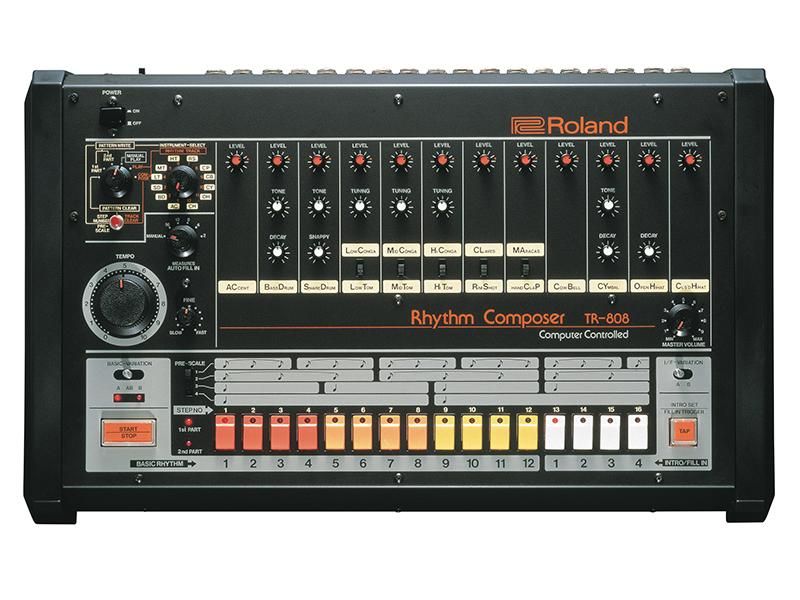
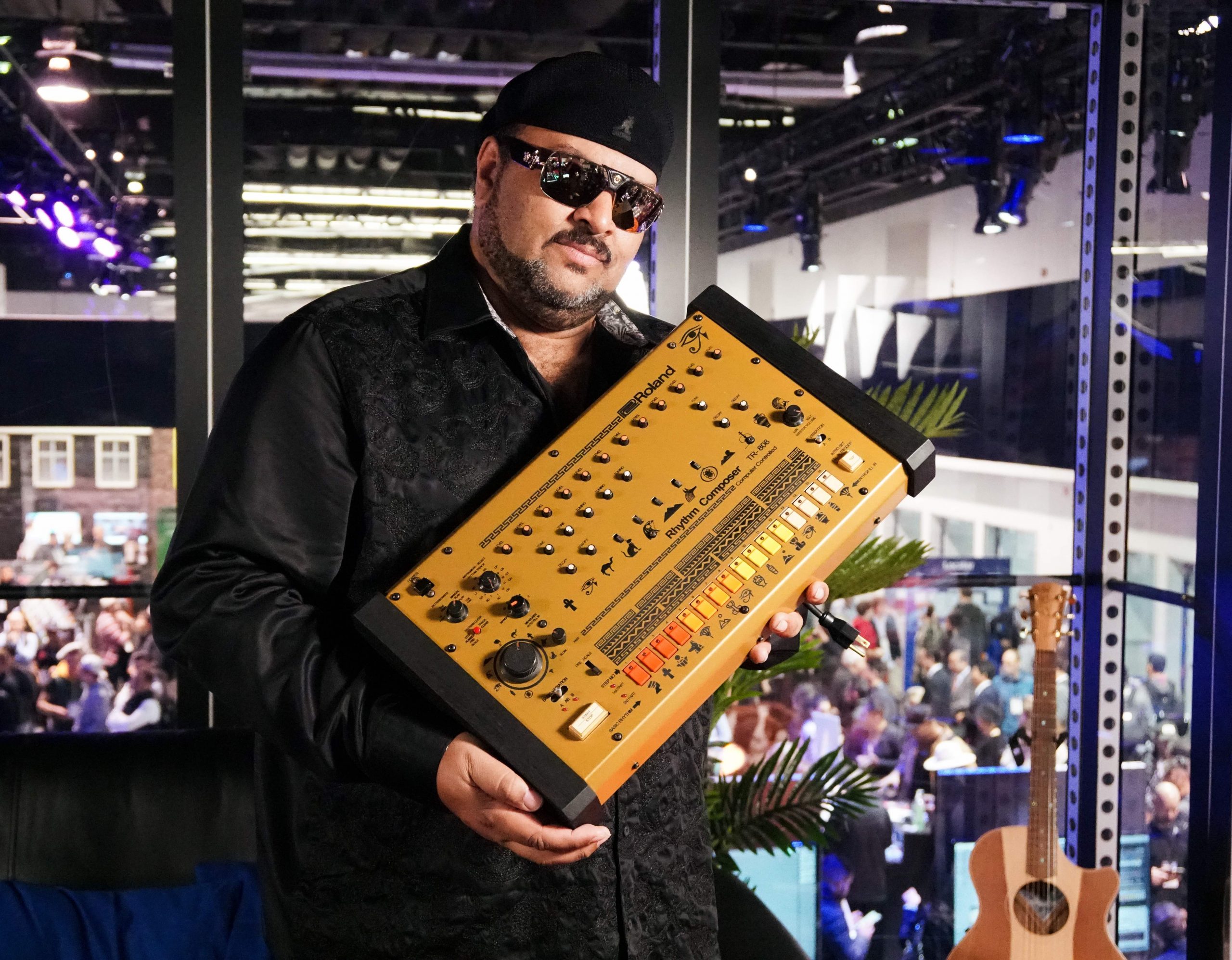
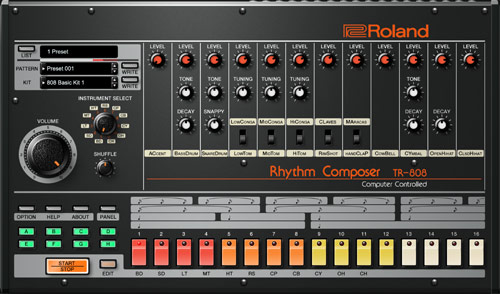
An 808 drum refers to the distinctive bass kick and percussion sounds originally made by the Roland TR-808 drum machine. The TR-808 came out in the early 1980s and used analog circuitry to make drums that were warm, synthetic, and unlike acoustic kits. Producers quickly adopted its booming low end and crisp snares, and the term "808" became shorthand for the deep bass kick and related percussion textures.
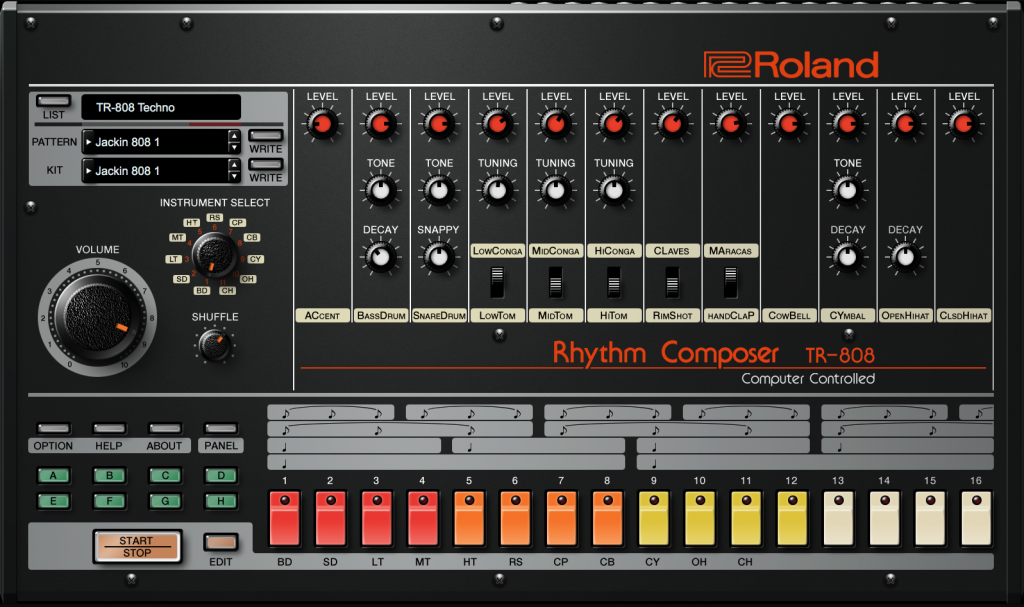
Knowing what is an 808 drum means understanding both the hardware history and the sonic signature: a long, tunable low-frequency sine-like kick, and several other characterful sounds like cowbell and snare. Today, what is an 808 drum also includes sample packs and software emulations that recreate or expand on that original character.
How an 808 drum creates its sound
At its heart, the 808 kick is a synthesized tone. It uses shaped waveforms and envelope control to produce a pitch that drops quickly. That pitch drop and long decay give the sound its deep thump and perceived weight.
Key technical traits
- Sub sine component that provides the low-end power and feel.
- Pitch envelope that starts higher and falls fast to create the hit and click.
- Minimal midrange attack unless layered with other elements.
- Analog-style circuitry or modeled algorithms in software to add warmth.
Understanding what is an 808 drum helps you recreate it: short attack, long low decay, and controlled click for transients. These elements combine to make the kick feel big without clashing with other instruments.
Why the 808 drum matters in music and culture
The 808 changed modern music. It helped define early hip-hop, electro, dance, and later trap and pop. Producers use what is an 808 drum to deliver physical impact. The low frequencies translate to body movement and club pressure.
Cultural impact highlights
- Shaped entire genres and beat styles.
- Became a status symbol for modern production.
- Inspired new techniques in tuning and mixing bass.
When you ask what is an 808 drum in the context of a track, you’re really asking how to create that emotional and physical effect that listeners feel in their chest. Its cultural weight makes it more than a sound—it's part of musical identity.

How to use an 808 drum in production: practical tips
Using an 808 well requires both technical care and musical taste. Below are practical steps you can use in any DAW.
Choose or design the right 808
- Use a clean sine-based 808 for sub-heavy tracks.
- Pick a longer decay for slower tempos and a shorter decay for fast beats.
- Tune the 808 to the song key so it complements chords and vocals.
Mixing and processing
- High-pass non-bass elements to make space for the 808.
- Use a transient or click layer for punch if the 808 lacks attack.
- Apply light compression to control peaks.
- Use gentle saturation or distortion to add harmonics for playback on small speakers.
- Sidechain bass to the kick or vocal if necessary to avoid masking.
Arrangement tips
- Don’t play the 808 continuously; give it space so its impact matters.
- Automate pitch slides for stylistic effects.
- Layer with a snappy click or short kick to make the 808 readable on all systems.
I’ve tuned 808s by ear in many mixes. A quick trick: solo the 808 and sweep a narrow EQ band to find problematic frequencies, then notch or boost slightly to make it sit. That saved a track I mixed for a client and kept the kick clear on phone speakers.
Common 808 drum types, gear, and plugins
The original hardware and its modern descendants offer many options. You can use samples, synths, or emulations depending on workflow and budget.
Options available
- Classic hardware: the original TR-808 units, now rare and prized.
- Sample packs: one-shot 808 samples in WAV or AIFF format.
- Synth-based plugins: emulate the pitch envelope and sine sub.
- Dedicated 808 plugins: tools that include tuning, distortion, and layering.
When deciding which to use, consider how much control you want over the pitch envelope and harmonic content. In my projects, I often start with a sampled 808 for speed, then switch to a synth plugin if I need precise tuning or modulation.

Mixing mistakes to avoid with an 808 drum
Small mistakes can kill the impact of an 808. Avoid these common errors.
Common pitfalls
- Leaving the 808 untuned to the track key, causing clashes with instruments.
- Overloading the low end with other bass sources.
- Relying on raw sub only, which disappears on small speakers.
- Using heavy EQ cuts that remove the natural body of the 808.
Fixes that work
- Tune the fundamental frequency to the root note.
- Use multiband processing to tighten the sub and add presence higher up.
- Test mixes on phone speakers and in a car to ensure the 808 translates.
From experience, the biggest mistake is assuming loud equals good. A tight, well-tuned 808 at moderate level often reads better than a louder, muddy one.
Real-use examples and creative 808 techniques
Practical ways producers use 808s to create interest and emotion.
Creative uses
- Pitch glide effects across bars for tension in trap beats.
- Rhythmic gating or sidechain patterns synced to the groove.
- Layering a click or mid-range transient for clarity on earbuds.
- Splitting sub and top end into separate channels for targeted processing.
I once replaced a bass guitar with a tuned 808 in an R&B production. The 808 carried both the groove and the low end. I added a subtle distortion on the upper harmonics so the part remained audible on laptops. The result felt modern and tight.

People Also Ask — Quick PAA-style questions
What frequency range does an 808 drum occupy?
- The core sub of an 808 typically sits between 30 Hz and 80 Hz, while any click or harmonics sit in the 200 Hz to 2 kHz range.
Can I make an 808 on any synth?
- Yes. Any synth that offers a sine or low-frequency oscillator plus a pitch envelope can create an 808-style kick.
Should I mix 808s in mono?
- Mixing the sub of an 808 in mono helps maintain low-end focus and prevents phase issues on club systems.
Is an 808 always a kick drum?
- Often yes, but the term can also refer to other TR-808 percussion sounds like toms or cowbells in certain contexts.
How loud should an 808 be in a mix?
- Aim for balance. It should be felt more than heard, filling the low end without overpowering vocals or the main beat.
Frequently Asked Questions of what is an 808 drum
What is an 808 drum used for in music?
An 808 drum is used to provide deep low-end impact and rhythmic foundation in many genres. Producers rely on it for bass weight and groove.
How do I tune an 808 drum to my song?
Find the root note of the song and adjust the 808’s pitch until its strongest harmonic matches that note. Small pitch changes make a big difference, so tune by ear and check in context.
Can an 808 drum replace a bass guitar?
Yes, an 808 can replace or complement a bass guitar in many styles, especially electronic, hip-hop, and trap. Layering an 808 with a bass guitar can also provide fullness.
Do I need special speakers to hear an 808 drum?
While low-end monitors help, you can work with headphones and reference mixes on consumer speakers. Use translation checks like phone playback to ensure the 808 reads well.
How do I prevent an 808 drum from sounding muddy?
Control competing low frequencies, use high-pass filters on other instruments, and apply subtle distortion to add harmonics that make the 808 audible on small speakers.
Is sampling an original TR-808 better than using plugins?
Both approaches work. Samples give quick results, while plugins offer deeper control over envelope and harmonics. Choose based on the project needs.
Can I use an 808 drum in acoustic genres?
Yes, but use it sparingly and with context. In acoustic settings, a gentle 808 sub or a tuned 808 can add warmth without overwhelming natural instruments.
How do producers make 808s punchy on club systems?
They use layered transient clicks, parallel compression, and subtle harmonic distortion to make the 808 audible on large PA systems while preserving sub energy.
What file format is best for 808 sample use?
WAV or AIFF at 24-bit is standard for quality and headroom. High sample rate is optional but not necessary for sub-focused 808s.
Are 808 drums copyrighted?
The sound concept is not copyrighted, but specific sampled recordings may be. Use licensed samples or create your own to avoid issues.
Conclusion
Understanding what is an 808 drum gives you access to one of modern music’s most powerful tools. You now know its origin, how it produces that deep sub, practical mixing steps, and creative tricks to make it work in any track. Start by tuning and testing your 808 in context, then use small processing moves to let it translate across systems. Try the tips in your next session and listen on multiple devices to refine the sound. If this helped, leave a comment, subscribe for more production guides, or share a beat you made using these techniques.

Senior Music Reviewer
Alex Carter is a seasoned music reviewer with over a decade of experience in the world of sound and instruments. Passionate about helping musicians and enthusiasts make informed choices, he brings sharp insights and in-depth knowledge to every review. From classical instruments to modern gear, Alex combines technical expertise with a love for music to deliver content that resonates with readers.
As a Senior Music Reviewer and expert author on Tuneluma.com, Alex is dedicated to sharing honest evaluations, practical advice, and thoughtful commentary to guide readers in their musical journey.