What Does A Panda Drum Sound Like: A Unique Animal Sound
A panda drum sounds warm, mellow, and resonant, with soft notes that feel like a blend of handpan and tongue drum.
The exact sound depends on the drum’s size, metal, tuning, and playing method. In this guide, you’ll learn what does a panda drum sound like in real playing, how its notes behave, and how it compares with similar instruments.

What does a panda drum sound like?
A panda drum usually produces a calm, rounded, bell-like tone. Its notes are clear but soft, so the instrument feels peaceful rather than sharp or aggressive. Many listeners compare it to a mix of a steel tongue drum, handpan, singing bowl, and gentle bell.
The sound often has three main parts:
• A clear attack when your finger or mallet strikes the note
• A warm body of sound that follows the strike
• A light sustain that slowly fades into the air
The result is a simple but rich voice. One note may sound deep and earthy, while another may sound bright and glassy. When several notes are played in a slow pattern, the sounds blend like small drops falling into a quiet pond.
What does a panda drum sound like in a room? It is usually not very loud. Its volume suits bedrooms, yoga spaces, meditation rooms, classrooms, and small acoustic performances. A hard strike can increase volume, but the instrument still tends to keep a smooth tone.
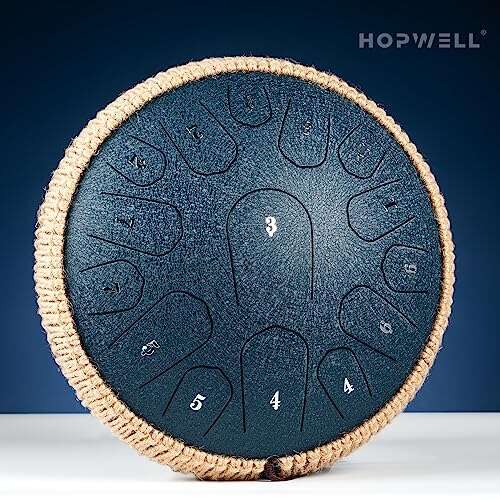
The name “panda drum” is not always used in one strict way. Some sellers use it for a steel tongue drum with a panda design. Others may use it for a compact handpan-style instrument. Because of this, two panda drums can sound different even when they share the same name.
The main qualities of a panda drum’s sound
The sound of a panda drum is easier to understand when you separate it into tone, pitch, sustain, and resonance.
Warm and rounded tone
Most panda drums have a soft tone with few harsh overtones. This makes them easy to listen to for long periods. The sound may remind you of a wooden xylophone, but it normally has more metal resonance and a longer ring.
A warm tone works well for slow melodies. It can also support background music without taking over the entire room.
Gentle attack
The attack is the first part of a note. On a panda drum, the attack is often smooth and controlled. A rubber or silicone mallet creates a softer start, while a harder mallet creates a clearer and brighter strike.
Finger playing gives a quieter and more muted sound. This is useful when you want to practice late at night or play near someone who is resting.
Moderate sustain
Sustain describes how long a note continues after you play it. A panda drum often has medium sustain. The note rings long enough to create atmosphere, but it may fade sooner than a large handpan.
Sustain changes with the note, drum size, tuning, and build quality. Low notes often feel fuller and last longer. Higher notes may speak faster and fade sooner.
Natural resonance
Resonance gives the drum its full, living quality. When one note vibrates, nearby parts of the instrument can respond. This creates a soft halo around the main pitch.
A well-made drum should sound open rather than dull. If every note stops at once, the instrument may have weak resonance, poor tuning, or a very thick shell.

How the sound is made
Most panda drums use a hollow metal body with cut or shaped tone areas. These areas vibrate when struck. The hollow chamber helps the vibration spread and makes the sound louder and fuller.
A tongue drum has metal tongues cut into its surface. Each tongue is tuned to a specific note. When you strike one, it bends and vibrates at its tuned frequency.
Some panda drums use a design closer to a handpan. These instruments have raised tone fields rather than long cut tongues. They may create more overtones and a wider range of touch-sensitive sounds.
The playing surface also affects the result. A thin surface may respond quickly and sound bright. A thicker surface may feel more solid and produce a deeper tone. The inner chamber, paint, finish, and tuning method can all change the final voice.
This is why videos can sometimes be misleading. A microphone may make a panda drum sound more bass-heavy or more spacious than it feels in person. Room walls also reflect the sound and can make the sustain seem longer.
What does a panda drum sound like when played with different tools?
The tool you use can change the character of the instrument more than many beginners expect.
Playing with your fingers
Finger playing creates a quiet, soft sound. The notes often have less attack and more intimacy. This method works well for simple melodies, personal practice, and meditation.
Fingers also give you more control over small details. You can tap lightly, brush the surface, or use different parts of the fingertip to change the tone.
Playing with rubber mallets
Rubber mallets usually create the most balanced sound. They produce enough volume for a small group while keeping the note warm and rounded.
For many beginners, rubber mallets are the easiest choice. They reduce the risk of harsh strikes and help each note speak clearly.
Playing with wooden mallets
Wooden mallets give the drum a brighter and more direct attack. The notes may sound sharper and more percussive. This can be useful in a rhythmic piece, but strong playing may become too loud or hard-edged.
Use light pressure at first. A panda drum does not need heavy force to produce a full note.
Playing with soft beaters
Soft beaters create a gentle, low-attack sound. They can make the instrument feel dreamy and distant. This tone suits sound baths, relaxation sessions, and quiet recordings.
The trade-off is lower volume and less definition. Fast melodies may sound blurred if the beater is too soft.

What does a panda drum sound like compared with similar instruments?
Comparing the panda drum with familiar instruments can make its sound easier to picture.
Panda drum versus handpan
A handpan usually has a wider, more complex sound field. It can produce strong bass, singing overtones, and subtle changes in tone through hand pressure. A panda drum is often smaller, simpler, and easier for a new player to control.
Both instruments can sound calming and spacious. However, a handpan may feel more like a wide landscape, while a panda drum may feel like a clear set of stepping stones.
Panda drum versus steel tongue drum
These instruments may be very similar. In fact, some products sold as panda drums are steel tongue drums with a decorative panda shape or image.
A standard steel tongue drum often has clearly marked tongues and a predictable note layout. A panda drum may have the same basic design but a different shape, finish, scale, or tuning.
Panda drum versus kalimba
A kalimba has a bright, plucked sound. Its notes have a quick attack and a clear metallic twang. A panda drum usually has a rounder sound with more air and body.
The kalimba is often better for crisp repeating patterns. The panda drum is often better for slow, open phrases.
Panda drum versus singing bowl
A singing bowl creates a long, continuous ring with layered overtones. A panda drum creates separate musical notes. You can use it to play a melody, while a singing bowl is more focused on sustained resonance.
Both can support relaxation, but they serve different musical roles.

What affects the sound of a panda drum?
If you are trying to predict what does a panda drum sound like before buying one, check these details.
Scale and tuning
The scale controls the emotional color of the instrument. A minor scale often sounds reflective or mysterious. A major or pentatonic scale may sound bright, open, and easy to use.
A pentatonic scale is friendly for beginners because many notes work well together. It reduces the chance of striking a note that clashes with the rest of your melody.
Drum size
A larger drum often produces deeper notes and a fuller body. A smaller drum may sound brighter, quicker, and more portable.
Size does not guarantee quality. A well-tuned small drum can sound better than a poorly made large one.
Material and construction
Steel type, surface thickness, welding, shaping, and tuning all matter. A strong build can improve stability and resonance. A weak build may create buzzing, uneven volume, or notes that drift out of tune.
Look for clear audio samples. Try to find recordings made with a normal microphone, not only heavily edited studio tracks.
Room acoustics
A hard room with tile or bare walls reflects more sound. This can make the drum seem louder and longer. A carpeted room absorbs some of the ring and gives a drier, more direct sound.
If you practice in a small bedroom, the drum may sound warmer than it does outdoors. Always judge the instrument in the setting where you plan to use it.
Playing technique
A light strike near the center of a tone area may sound full and round. A strike near the edge may sound thinner or more percussive. Each drum has a preferred striking spot.
One common beginner mistake is hitting too hard. Heavy strikes can flatten the tone, create unwanted noise, and make the instrument less musical.

How to test a panda drum before buying
A careful test can reveal much more than a product description. Use the following process if you can try the drum in person.
-
Play every note with the same light touch.