Is The Viola Better Than The Violin: Key Differences
Introduction
For musicians in the United States, neither the viola nor the violin is always “better.” The better choice depends on your sound, body comfort, musical goals, and access to a good teacher and instrument.
Choose the violin if you want a bright sound, a large solo repertoire, and many beginner programs to choose from. Choose the viola if you prefer a warm, deep tone and enjoy harmony, inner parts, chamber music, and orchestra playing.
The most useful test is simple: hold both instruments, play a few notes, and notice which sound makes you want to keep playing. A skilled teacher can also help you compare size, posture, and tone before you buy or rent.
Viola vs. Violin: What Is the Difference?
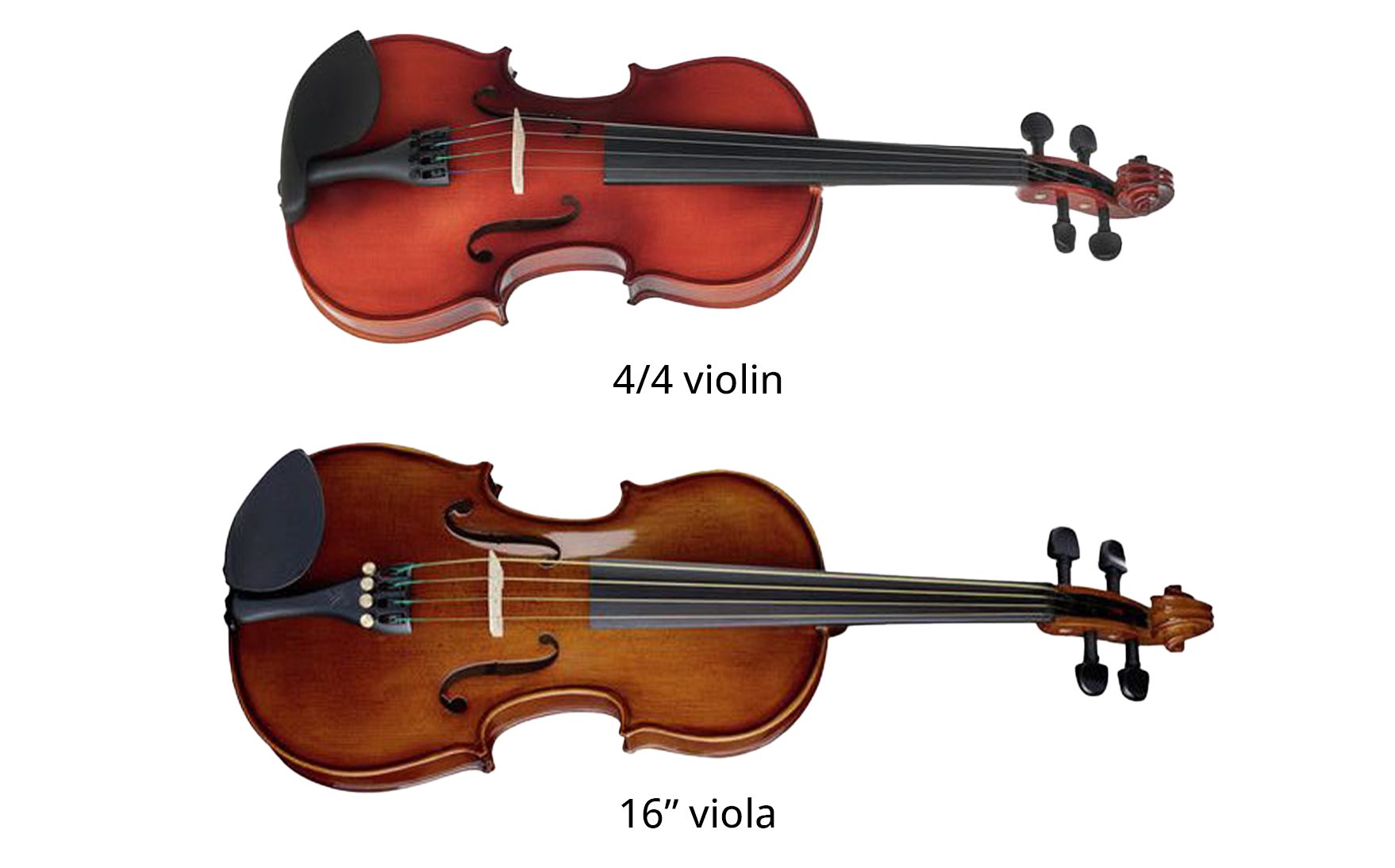
The violin and viola belong to the same bowed-string family, but they are not the same instrument. They differ in size, tuning, tone, clef, and common musical roles.
| Feature | Violin | Viola |
|---|---|---|
| Standard tuning | G3–D4–A4–E5 | C3–G3–D4–A4 |
| Number of strings | Four | Four |
| Sound | Bright, clear, focused | Warm, dark, rich |
| Main clef | Treble clef | Alto clef |
| Common roles | Melody, solo, high harmony | Harmony, inner parts, lower melody |
| Typical feel | Smaller and more agile | Larger and more physically demanding |
| Solo visibility | Very high | Lower, but still important |
| Orchestra function | Often carries the main tune | Adds depth and harmonic color |
The violin has a higher E string. The viola has a lower C string. This gives the viola a lower and darker sound.
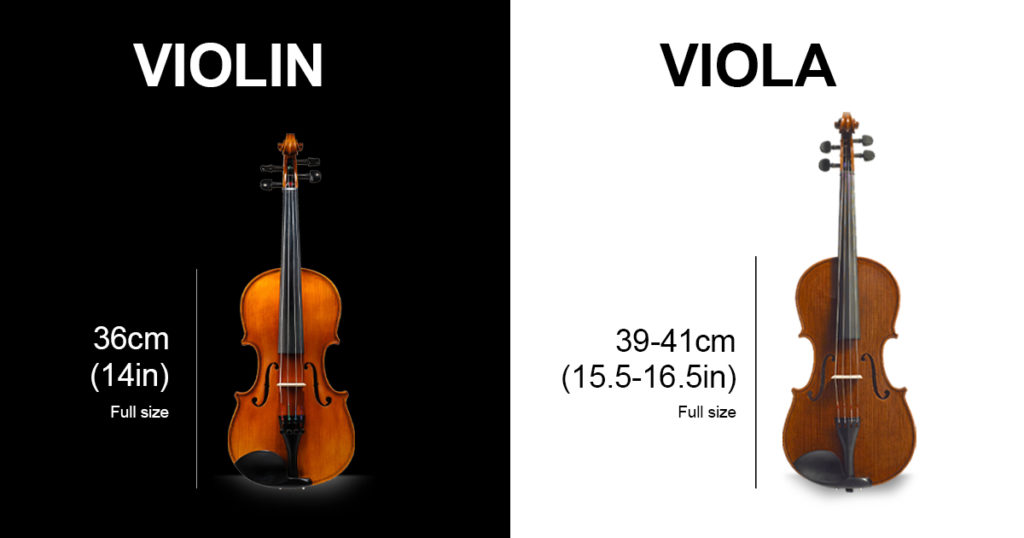
A viola is usually larger than a violin, but its size is not perfectly fixed. Violins use standard fractional sizes for children and a full-size 4/4 model for most adults. Violas have less uniform sizing, so two instruments labeled with the same length may feel quite different.
Tuning and range
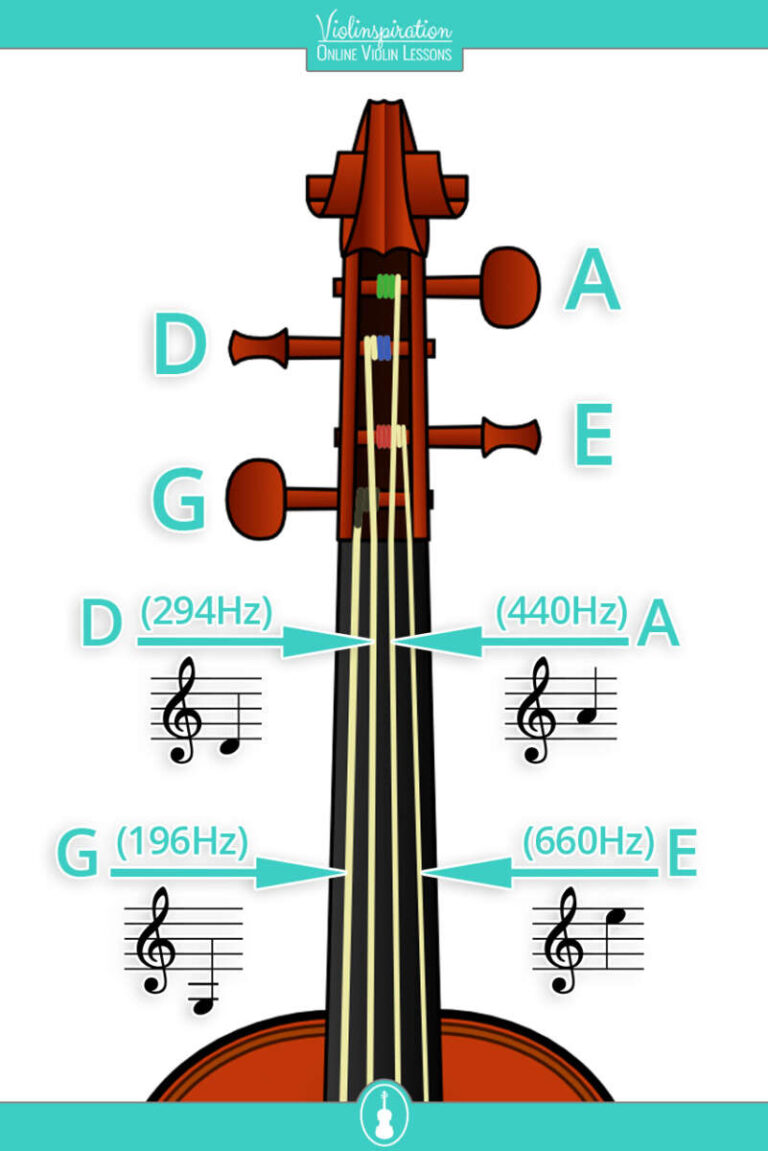
The violin is tuned in fifths:
- G
- D
- A
- E
The viola is also tuned in fifths:
- C
- G
- D
- A
The viola’s lowest string is a fifth lower than the violin’s lowest string. Its highest open string is the same as the violin’s second-highest open string.
This tuning changes the player’s job. Violin music often rises above the ensemble. Viola music often fills the space between the violin, cello, and bass.
Clef and reading music
Most violin music uses treble clef. Viola music mainly uses alto clef, with treble clef used for higher passages.
Alto clef is not difficult because of the instrument itself. It is simply a new reading skill. A violinist who switches to viola may need time to stop reading every note as treble clef. This adjustment can take days, weeks, or months, depending on practice.
Is the Viola Easier to Play Than the Violin?
The viola is not automatically easier. It may feel easier in some ways and harder in others.


The larger viola body can make the instrument feel less cramped for some adult players. Its wider spacing may also help players who dislike the close string spacing of a violin.
However, the viola needs more reach. Its strings may require more left-hand movement, and the player may need a broader bow stroke to create a full sound. The larger body can also make posture harder if the instrument is too big.
The violin has a smaller body and shorter string length. This can make quick passages and high notes feel more accessible. Yet violin technique is exposed. Small errors in pitch, bow angle, or tone can stand out clearly.
Which instrument is easier for a beginner?
For many children and small adults, the violin is easier to fit because it comes in many fractional sizes. A teacher can usually find a violin that matches the player’s arm length and hand size.
For adults, the answer is less clear. A full-size violin may feel compact, while a well-fitted viola may feel natural. A large viola can cause strain if the player has limited reach.
The key factor is fit, not the label on the case.
How the viola can feel harder
A viola may be harder when:
- The instrument is too large.
- The player has to stretch to reach notes.
- The bow is too light or too short for the instrument.
- The player uses violin technique without adapting the arm and hand.
- The player has not learned alto clef.
- The instrument does not respond well.
How the violin can feel harder
A violin may be harder when:
- The bright sound feels too exposed.
- The player dislikes frequent high notes.
- The smaller body feels cramped.
- The player feels pressure to play lead parts.
- The instrument is poorly set up.
- The player struggles with the high level of beginner competition.
Neither instrument removes the need for practice. Both require balance, relaxed movement, accurate intonation, bow control, and steady rhythm.

Is the Viola Better for Your Sound and Musical Taste?
The viola is better if you love a warm, mellow, and deep sound. The violin is better if you prefer a bright, clear, and singing tone.
This difference is not only a matter of taste. It changes how the instruments fit into an ensemble.
A violin often carries a melody that must rise above other instruments. A viola often supports the harmony and connects the upper and lower strings. In a string quartet, the viola can act like a bridge between the violins and cello.
That does not make the viola less important. It gives the viola a different musical purpose.
Choose the violin if you enjoy:
- Clear melodies
- High notes
- Solo playing
- Fiddle music
- Bluegrass
- Folk music
- Many school orchestra parts
- A large range of published music
Choose the viola if you enjoy:
- Darker tone colors
- Harmony
- Countermelodies
- Chamber music
- Orchestra inner parts
- Rich lower notes
- Supporting a group sound
- A less common instrument
A player who loves the viola’s sound is more likely to practice. That long-term interest matters more than a small difference in physical difficulty.


Which Instrument Has Better Opportunities in the United States?
In the United States, the violin usually offers more beginner programs, teachers, method books, auditions, and solo opportunities. The viola often offers strong demand in school orchestras, youth ensembles, chamber groups, and community orchestras.
This does not mean every viola player will receive a place automatically. Skill, location, age, ensemble size, and local demand all matter.
A school orchestra may have many violinists but fewer violists. A student who moves from violin to viola may become useful to an ensemble quickly. Some programs encourage this change because balanced string sections need violas.
Violin opportunities
The violin is common in:
- School orchestras
- Youth symphonies
- Solo competitions
- Chamber groups
- Folk and bluegrass bands
- Worship groups
- Professional orchestras
- Commercial recording
Because the violin is common, competition can be strong. There are many players at nearly every level.
Viola opportunities
The viola is common in:
- School and youth orchestras
- String quartets
- Chamber ensembles
- Community orchestras
- College music programs
- Professional orchestras
- Contemporary music groups
A good violist can be valuable because ensembles need a balanced viola section. Still, musicianship remains the main factor. Choosing viola only because it seems less competitive is not a reliable plan.
What about college and career paths?
Both instruments can lead to advanced study and professional work. A violinist may find more solo auditions, while a violist may find a different mix of ensemble and chamber opportunities.
Career success depends on more than instrument choice. It also depends on:
- Practice habits
- Music reading
- Rhythm
- Listening skills
- Ensemble behavior
- Teacher quality
- Audition preparation
- Local opportunities
- Adaptability

Which Instrument Costs More?
The violin and viola can cost similar amounts at comparable quality levels. The instrument itself is only part of the budget.
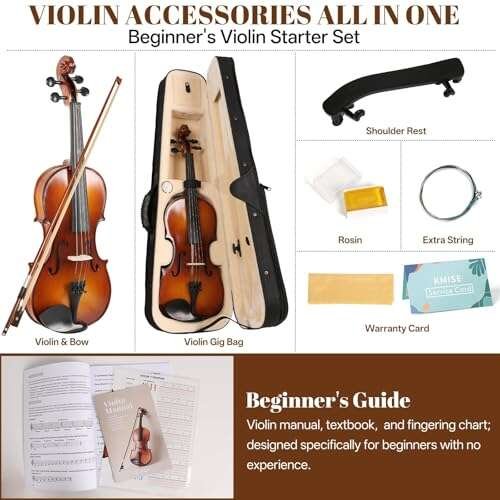
A beginner should also plan for:
- Bow
- Case
- Rosin
- Shoulder rest or other support
- Replacement strings
- Lessons
- Repairs and adjustments
- Music
- Insurance, if needed
Prices vary widely by region, maker, condition, and setup. A cheap instrument with poor setup may be harder to play than a modest instrument adjusted by a qualified luthier.
Do not compare only the sticker price. Compare the full starter cost and the instrument’s condition.


Rental or purchase?
Renting is often sensible for a child who may change size or interest. A rental program may let the player exchange a small instrument for a larger one as they grow.
Buying may make sense when:
- The player is committed.
- The size is stable.
- A teacher approves the instrument.
- The instrument has a fair return policy.
- A repair professional has checked it.
For a first instrument, a teacher’s advice is often more useful than a long online product list.
Does a viola need special accessories?
Some accessories are shared with violins, but size matters. A viola may need a larger shoulder rest, case, or mute. Strings must match the instrument’s scale length and design.
Never assume that a violin accessory will fit a viola. Check the maker’s size range or ask a music shop.

How to Decide Between Viola and Violin
Use this five-step process before you commit.
1. Listen to both instruments
Hear a live violin and viola if possible. Recordings can help, but speakers and microphones change tone.
Ask yourself:
- Which sound do I enjoy?
- Which sound would I like to make?
- Do I prefer bright or dark tone?
- Do I enjoy melody or harmony?
2. Test the physical fit
Hold each instrument with help from a teacher. Check whether:
- The left hand can reach the notes without strain.
- The shoulder stays relaxed.
- The neck does not twist sharply.
- The bow arm can move freely.
- The instrument does not feel heavy or unstable.
A player should not choose a large viola to “grow into.” An oversized instrument can make technique and posture harder.
3. Try basic playing tasks
With a teacher, try:
- Open strings
- Simple scales
- Short bows
- Long bows
- A basic melody
- A few notes in first position
Notice which instrument feels more natural. Do not judge only by the first few minutes. New muscles and new movements can feel strange on either instrument.
4. Check local support
Look for:
- Qualified teachers
- School orchestra programs
- Youth ensembles
- Rental shops
- Repair shops
- Community music groups
A strong local teacher can matter more than a small difference between instruments.


5. Rent before buying when possible
A short rental period can reveal whether the instrument fits your body and interest. Ask about exchanges, maintenance, insurance, and return terms.

Common Mistakes to Avoid
The most common mistake is choosing by appearance or reputation instead of fit and sound.
Avoid these errors:
- Buying a large viola without a size check
- Assuming the violin is always easier
- Choosing viola only because there may be less competition
- Buying the cheapest instrument online
- Ignoring pain or numbness
- Treating a poor setup as a personal failure
- Switching instruments without learning its technique
- Buying accessories without checking size
- Expecting fast progress after a few lessons
- Comparing instruments without using similar-quality examples
Pain is not a normal sign of progress. Mild muscle fatigue can happen as you learn, but sharp pain, numbness, tingling, or lasting discomfort calls for a break and advice from a qualified teacher or health professional.
A teacher should also check posture if the player lifts the shoulder, bends the wrist sharply, presses too hard, or twists the neck.

Key Takeaways
- The violin is usually better for players who want bright tone, melody, solo work, and many beginner resources.
- The viola is usually better for players who prefer warm tone, harmony, chamber music, and orchestra depth.
- The viola is not automatically easier than the violin.
- Proper size and setup matter more than the instrument’s name.
- In the United States, violin programs are more common, but skilled violists can be valuable in ensembles.
- Renting both instruments before buying is often the safest choice.
- A good teacher should help with fit, posture, sound, and the first instrument selection.
Frequently Asked Questions
Is the viola harder to play than the violin?
The viola can be harder because it is larger, uses wider spacing, and mainly uses alto clef. The violin can be harder because its tone and pitch errors are very exposed. Difficulty depends on body size, setup, teacher support, and practice.
Should a beginner start on violin or viola?
Either can work. A beginner should start with the instrument that fits well and inspires regular practice. Children often have more size choices with violin, while some adults prefer the viola’s lower sound and larger feel.
Can a violinist switch to viola?
Yes. Violinists already understand bowing, string crossings, rhythm, and basic left-hand technique. They still need to adjust to the viola’s size, sound production, string spacing, and alto clef.
Can a violist switch to violin?
Yes. The smaller instrument may feel quick and compact at first. A violist may need to adjust to the violin’s higher E string, brighter tone, closer spacing, and frequent high passages.
Is viola good for a shy musician?
It can be. Viola parts often support the group rather than carrying every main melody. However, ensemble playing still requires confidence, preparation, and active listening. A shy player should choose the viola because they like it, not because it guarantees less attention.
Does playing viola help you get into an orchestra?
It may help in areas where ensembles need more violists, but it is not a guaranteed advantage. Auditions still measure pitch, rhythm, tone, reading, and musical skill. The best reason to choose viola is a genuine interest in its sound and role.
Is the viola better for adults?
Some adults find the viola comfortable because of its broader feel and lower sound. Others find the size tiring. Adult players should test several sizes with a teacher instead of assuming that a larger instrument will feel better.
Sources and Evidence
The key technical facts in this guide are based on standard instrument design and established music education references:
- Smithsonian Institution, overview of the violin family: Smithsonian Folkways
- Library of Congress, string instrument and music collections: Library of Congress
- Encyclopaedia Britannica, violin and viola reference entries: Britannica
- The American String Teachers Association, teaching and string education resources: ASTA
- The National Association for Music Education, school music resources: NAfME
These sources support general information about the violin family, instrument roles, music education, and standard playing practice. They do not prove that one instrument is better for every individual.
Conclusion: Which Is Better for You?
The violin is better if you want a bright, high sound, a wide range of solo music, and many beginner programs. The viola is better if you want a deep tone, enjoy harmony, and like the sound of the middle voice in an ensemble.
The best choice is the instrument that fits your body, holds your interest, and has good local teaching support. Before you buy, try both with a teacher, compare their sound, and rent the one that feels most natural.

Senior Music Reviewer
Alex Carter is a seasoned music reviewer with over a decade of experience in the world of sound and instruments. Passionate about helping musicians and enthusiasts make informed choices, he brings sharp insights and in-depth knowledge to every review. From classical instruments to modern gear, Alex combines technical expertise with a love for music to deliver content that resonates with readers.
As a Senior Music Reviewer and expert author on Tuneluma.com, Alex is dedicated to sharing honest evaluations, practical advice, and thoughtful commentary to guide readers in their musical journey.