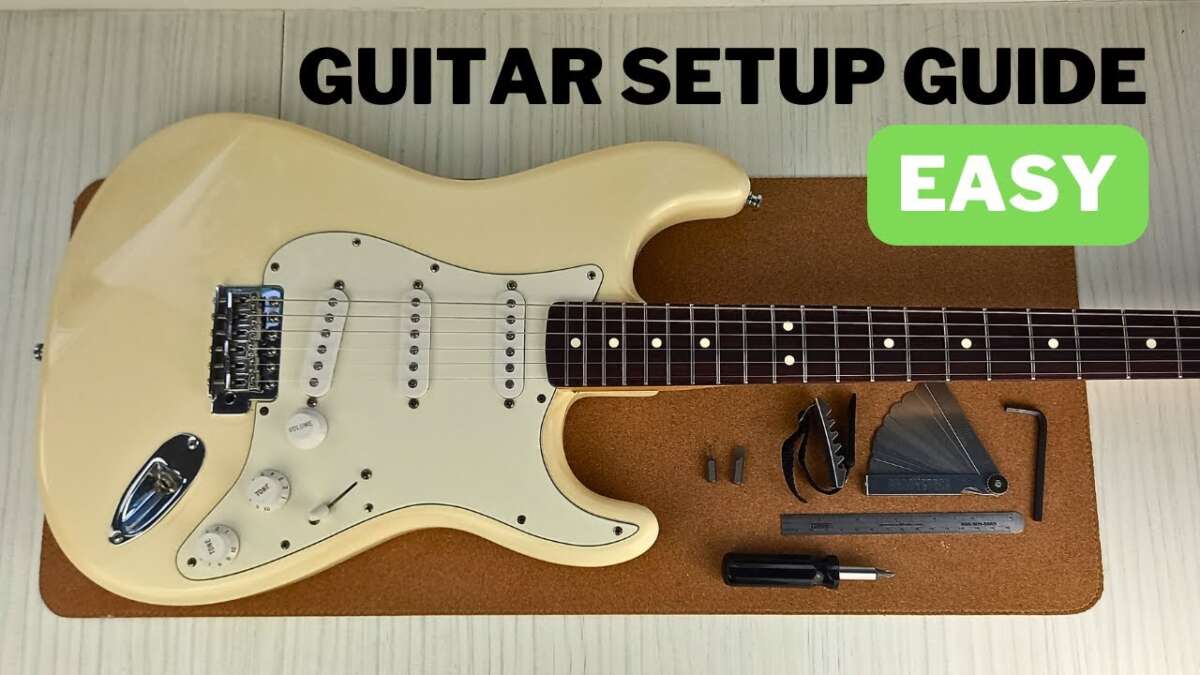
How Do You Set Up A Guitar: Easy Step-By-Step Guide
To set up a guitar, replace worn strings, adjust neck relief, set action, check intonation, and test every note.
Learning how do you set up a guitar can make a good instrument feel smooth, stable, and easy to play. A proper setup also helps solve buzzing, tuning problems, stiff frets, and poor intonation. This guide explains each step in a safe order, with practical tips for electric, acoustic, and bass guitars.

What Does a Guitar Setup Include?
A guitar setup is a group of small adjustments that improve playability, tuning stability, tone, and comfort. It is not the same as simply changing the strings. A full setup checks how the neck, bridge, nut, frets, and tuning hardware work together.
When someone asks, “How do you set up a guitar?” the answer depends on the instrument and the player. A low action may suit a fast rock player, while a higher action may work better for strong strumming or slide guitar.
A standard guitar setup may include:
• Installing the correct strings
• Cleaning the fretboard and guitar body
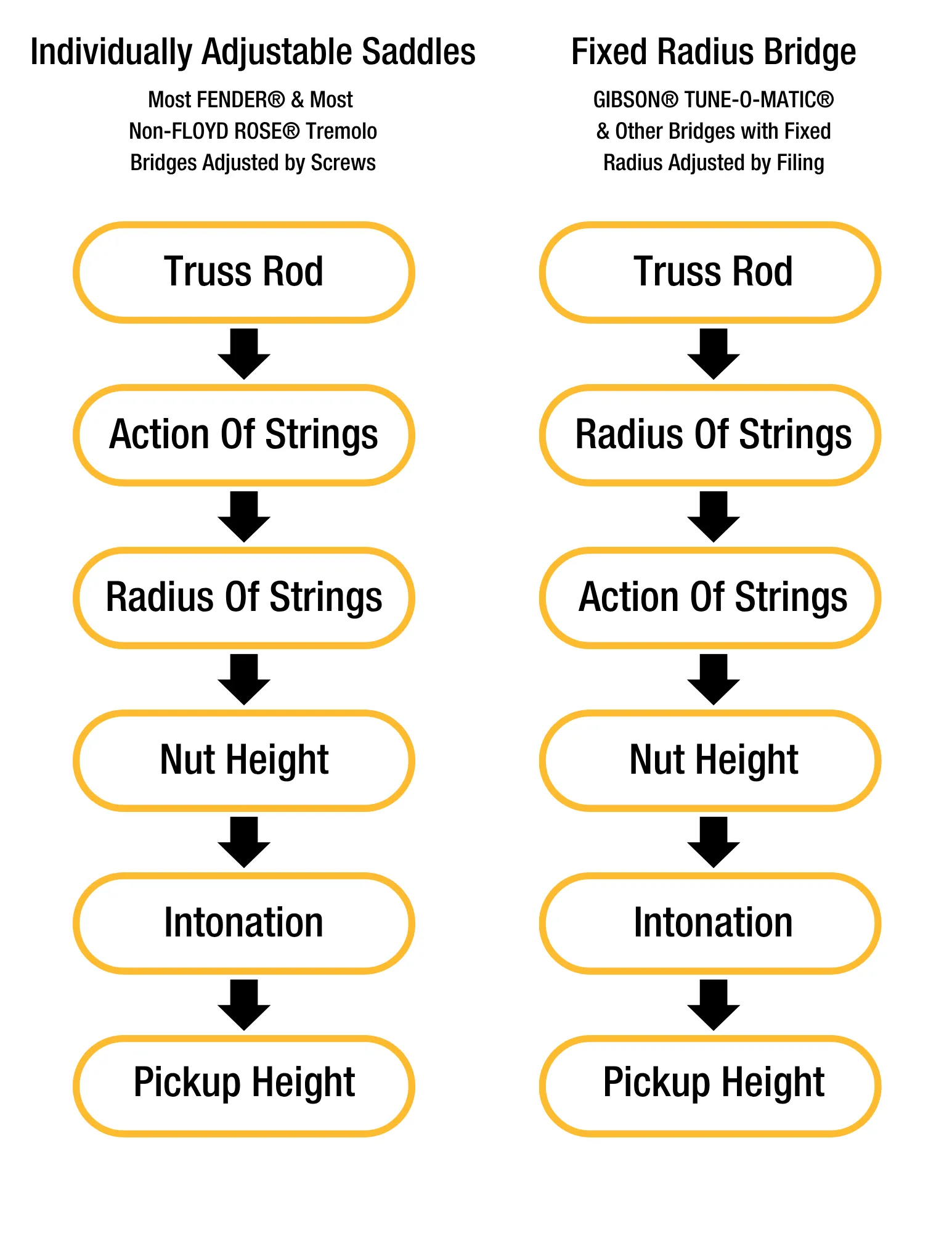
• Adjusting neck relief with the truss rod
• Setting string height, also called action
• Checking nut slots
• Adjusting bridge saddles
• Setting electric guitar pickup height
• Checking intonation
• Testing tuning stability and fret buzz
Guitar makers publish different measurement ranges for their instruments. Those factory specifications are useful starting points, but they are not strict rules. Your playing style, string gauge, tuning, climate, and guitar design all affect the final setup.
Tools You Need for a Guitar Setup
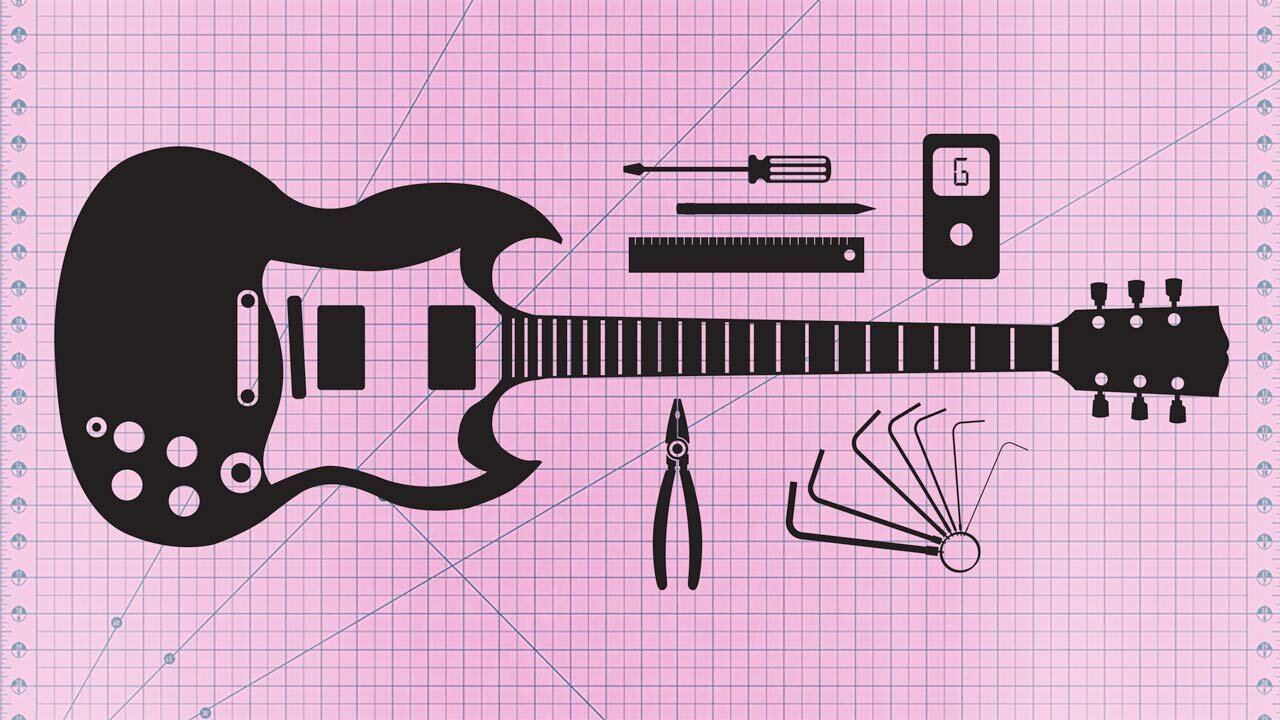
You do not need a full repair shop to learn how do you set up a guitar. A small, accurate tool kit is enough for most basic adjustments.
Gather these tools before you begin:
• Fresh strings in the correct gauge
• Electronic tuner or reliable tuning app
• Capo
• String winder and wire cutters
• Phillips and flat-head screwdrivers
• Allen or hex keys that fit your bridge and truss rod
• Feeler gauges
• Small ruler marked in 64ths of an inch or millimeters
• Fretboard cleaner suited to your fretboard wood
• Guitar polish and clean microfiber cloths
• String action gauge, if available
• Small flashlight
Use the correct truss rod wrench whenever possible. A poorly fitting tool can damage the adjustment nut, and that repair may require a skilled technician.
Before making an adjustment, take a photo of the original settings. You can also write down the number of turns, saddle positions, and pickup heights. This simple habit makes it easier to reverse a change.

Prepare the Guitar Before Adjusting It
The first step in how do you set up a guitar is a careful inspection. Do not adjust the truss rod or bridge before checking for larger problems.
Look for:
• Loose tuning machines
• Cracks near the bridge or neck joint
• Lifted acoustic guitar bridge
• High or loose frets
• A warped neck
• Loose screws
• Damaged nut slots
• Bridge parts that do not move freely
If the neck is badly twisted, the bridge is lifting, or the truss rod will not turn with light pressure, stop. These problems need professional attention.
Place the guitar on a stable work surface. Support the neck with a soft neck cradle or folded towel. Keep small screws and bridge parts in a cup so they do not disappear under your workbench.
I learned this lesson early: rushing into an adjustment often creates a second problem. A setup works best when you inspect first, change one thing at a time, and test after each change.
Install the Right Guitar Strings
String choice is one of the most important parts of how do you set up a guitar. A change in string gauge changes the tension on the neck, the feel under your fingers, and sometimes the amount of fret buzz.
Use the gauge recommended by the guitar maker unless you have a clear reason to change it. Common electric guitar sets include 9–42, 10–46, and 11–49. Acoustic guitar sets often use light, custom light, medium, or extra-light gauges.
When changing strings:
-
Loosen and remove the old strings.
-
Clean the fretboard while it is easy to reach.
-
Check the nut, bridge, and tuning posts for sharp edges.
-
Install each new string correctly.
-
Stretch the strings gently by hand.
-
Tune the guitar several times.
-
Cut off excess string only after the string holds tension.
Do not remove all strings from some acoustic guitars with floating or delicate bridge parts unless the maker allows it. Most modern guitars are fine, but gradual replacement can reduce sudden changes in tension.
New strings need time to settle. Tune them, stretch them lightly, and tune again before making final adjustments.