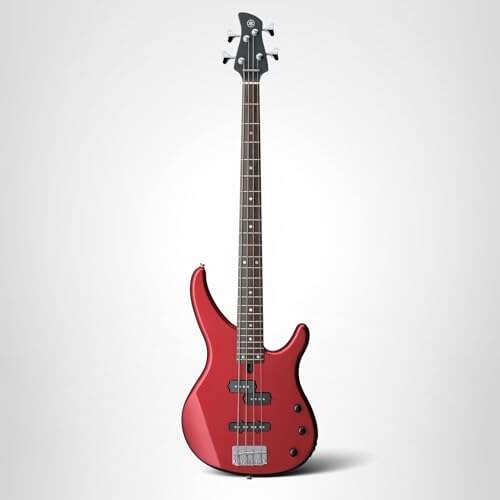
Yes, you can use a guitar amp with a bass guitar, but only at low to moderate volume and with care. A guitar amp will usually produce sound from a bass, yet its speaker and cabinet may not handle deep bass frequencies or high volume safely.
For quiet practice, recording, or a short test, a guitar amp may work. For rehearsals, live shows, or loud playing, use a bass amp, powered speaker, or bass-rated modeling system instead. The main risk is not the bass guitar’s signal. The risk is pushing a guitar speaker beyond what it can handle.

What happens when you plug a bass into a guitar amp?
A bass guitar sends an electrical signal that a guitar amp can usually accept. The amp will amplify that signal, just as it does with an electric guitar.
The difference is in the sound and the load. A bass produces lower frequencies and often sends more energy to the speaker. Most guitar amps are voiced for guitar’s midrange and use speakers designed for that job.
This creates three common results:
- The bass may sound thin or lack deep low end.
- The amp may distort sooner than expected.
- The speaker may suffer damage if you play loudly.
A small tube guitar amp may produce a pleasing, dirty bass tone at low volume. Many players like this sound for garage rock, blues, punk, and recording. It is not the same as clean, full-range bass amplification.
The speaker is the main concern
The amplifier section may survive a bass signal, especially in a solid-state combo. The speaker is more likely to be the weak point.
A bass speaker must move more air at low frequencies. If a guitar speaker is not built for that movement, its cone can travel too far. This is called excessive excursion. Repeated over-excursion can loosen, distort, or tear the speaker.
A guitar speaker may also heat up when you send a strong bass signal through it for a long time. This can damage the voice coil.
That does not mean one quiet bass note will destroy a guitar amp. Damage becomes more likely when you combine deep bass, high volume, heavy distortion, and long playing time.

When is a guitar amp safe for bass?
A guitar amp is generally suitable for bass when you keep the volume modest and avoid extreme low-end boost. Short practice sessions are much safer than loud rehearsals.
Use these conditions as a practical guide:
| Situation | Risk level | Practical advice |
|---|---|---|
| Testing a bass for a few minutes | Low | Keep the volume low |
| Quiet home practice | Low to moderate | Avoid heavy bass boost |
| Recording at controlled volume | Low to moderate | Monitor the speaker and sound |
| Small rehearsal with drums | Moderate to high | Use a bass amp instead |
| Loud gig or outdoor performance | High | Do not rely on a typical guitar combo |
| Guitar amp head into an unknown cabinet | High | Check impedance and power first |
The exact risk depends on the amp model, speaker size, cabinet design, power rating, and playing style. A 12-inch guitar speaker may handle bass better than a small 8-inch speaker, but size alone does not prove that it is bass-rated.
Solid-state guitar amps
Solid-state guitar amps are often the safer choice for temporary bass use. Their power sections do not have the same output-transformer concerns as tube amps, and many can tolerate a moderate bass signal.
The speaker still sets the limit. Do not assume that a solid-state amp is safe at full volume just because it has no tubes.
Tube guitar amps
Tube guitar amps can produce a warm, compressed bass tone. However, you should be more careful with the speaker and output stage.
A tube amp normally needs a proper speaker load. Never run a tube amp without a suitable speaker or approved load connected. Do not change the speaker, cabinet, or impedance setting unless you understand the amp’s requirements.
A bass guitar will not automatically damage a tube amplifier. The danger comes from loud low-frequency energy, an incorrect speaker load, or operating the amp outside its design limits.
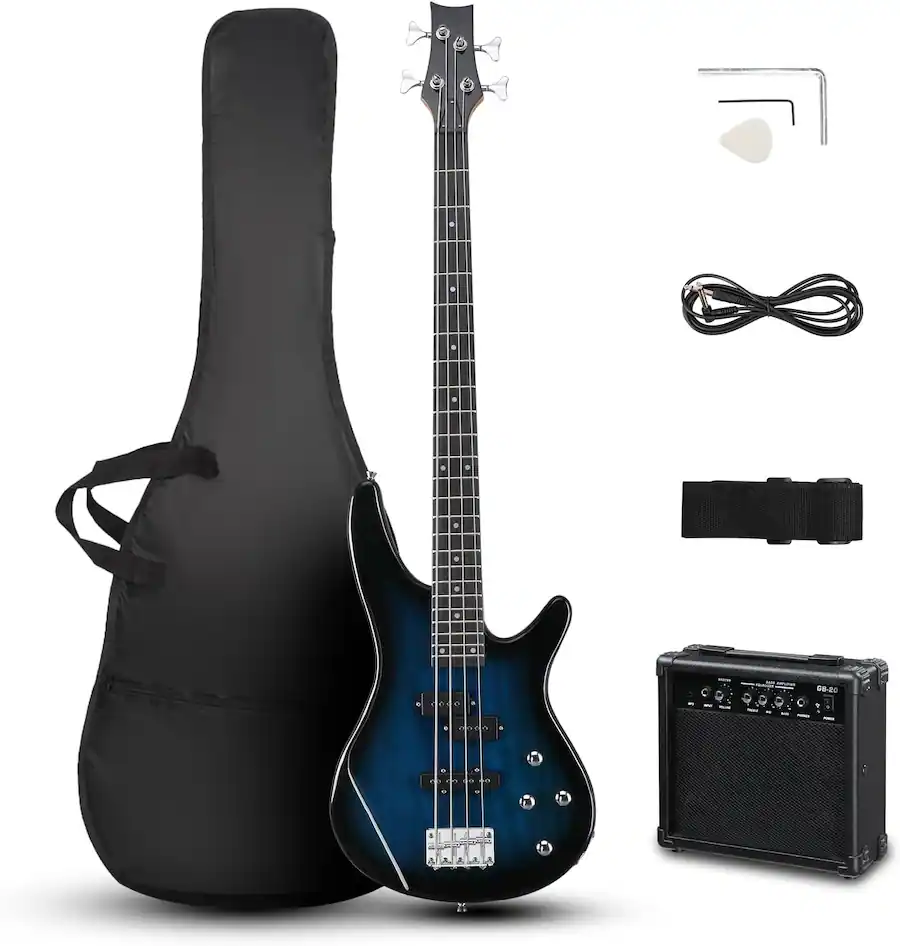
How to use a guitar amp with a bass safely
Follow this process before you turn up the volume.
1. Check the amp and speaker
Find the amp’s manual or rear-panel label. Look for:
- Speaker impedance, such as 4, 8, or 16 ohms
- Rated output power
- Speaker size
- Built-in bass, middle, and treble controls
- Headphone, line, or recording outputs
- Any warning about speaker replacement or external cabinets
If the amp has a separate head and cabinet, check both parts. The head and cabinet must have compatible impedance and suitable power handling.
2. Start with a flat tone
Set the bass control near the middle. Keep the volume low. Turn off bass boost, resonance, deep, contour, and loudness effects at first.
A large low-end boost can put more stress on the speaker than the bass guitar alone. Start with a plain signal so you can hear how the amp responds.
3. Turn up slowly
Plug in the bass with the amp switched off or set to standby when appropriate. Set the bass volume control around halfway, then raise the amp volume slowly.
Listen for:
- Rattling
- Crackling
- Fuzzy distortion on clean notes
- Flapping or chuffing from the speaker
- Sudden changes in volume
- A burning smell
Stop at once if you hear mechanical noise or smell overheated parts. A little musical tube breakup is different from a speaker that sounds loose or damaged.
4. Keep playing time short at first
Play for a few minutes, then let the amp rest. Check whether the speaker or cabinet feels unusually hot. Do not touch exposed electrical parts, tubes, or internal components.
If the sound stays clean and the speaker remains quiet, the setup may be suitable for low-volume use. That still does not make it a good choice for loud bass performance.
5. Use a high-pass filter when available
A high-pass filter reduces very low frequencies below a selected point. If your pedal, preamp, interface, or modeler has one, it can reduce speaker stress.
This does not turn a guitar speaker into a bass speaker. It simply removes some of the frequencies most likely to cause excessive cone movement.
6. Stop before the amp reaches its limit
Do not use the amp’s maximum volume as your test. Bass can sound acceptable at one volume and become unsafe a small turn later.
If you need more volume, switch to a bass amp or a full-range powered speaker. Adding more bass to a guitar combo is not a safe substitute for a larger, bass-rated system.

Will a guitar amp sound good with a bass?
It can sound good for a specific style, but it usually will not sound like a proper bass rig.
Guitar amps often emphasize the middle frequencies that help a guitar cut through a mix. Bass amps usually provide stronger low-frequency output and may stay cleaner at higher volume.
A guitar amp can give bass a:
- Mid-focused sound
- Natural or simulated tube breakup
- Compressed response
- Loose or vintage character
- Smaller, less powerful low end
That tone may work well for recording. It may also suit a distorted bass part where clarity and deep extension are less important.
For modern clean bass, slap, extended-range bass, or low tunings, a guitar amp is usually a poor match. It may sound weak, distort too early, or struggle to reproduce the lowest notes.
Active and passive basses
Both active and passive basses can connect to a guitar amp. The difference is output level.
An active bass has a battery-powered preamp. Its signal may be hotter and can overload the guitar amp’s input sooner. If the sound is harsh or clips immediately, lower the bass’s onboard volume or use the amp’s input pad if it has one.
A passive bass usually sends a lower signal and may be easier to control. It can still overload the amp if you boost the bass heavily or use high-output pickups.
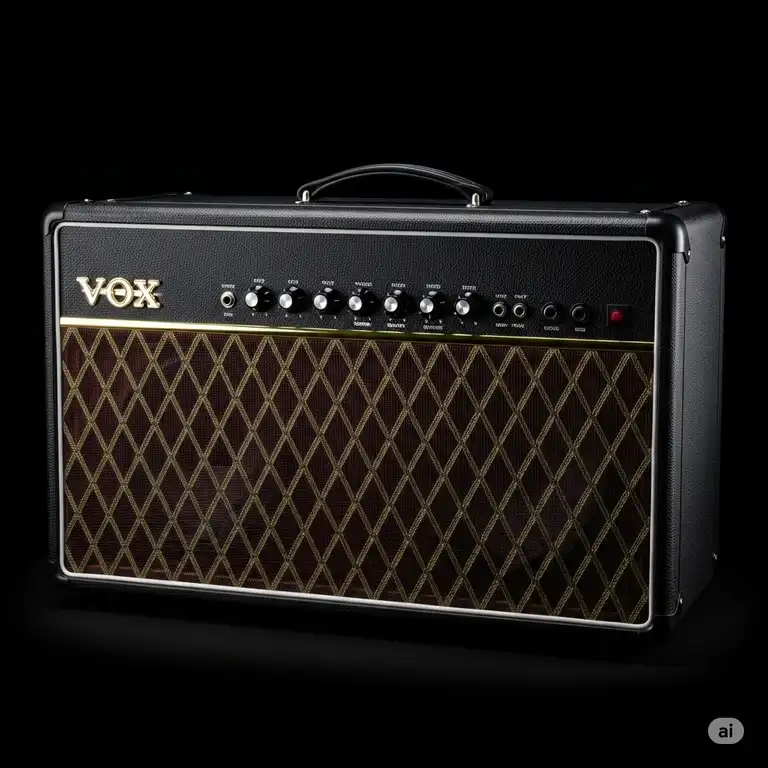
Can a bass damage a guitar amp?
Yes, a bass can damage a guitar amp, but normal low-volume use is unlikely to cause harm. The greatest risk is damage to the speaker rather than instant failure of the amplifier electronics.
Risk rises when you:
- Play at high volume
- Boost the bass control heavily
- Use a low-tuned or extended-range bass
- Run a fuzz or distortion pedal with strong low end
- Use a small guitar speaker
- Play for a long time without breaks
- Ignore rattling or cone noise
- Connect an incorrect speaker load to a tube amp
A guitar speaker can fail even when the amp itself still powers on. The speaker may develop rubbing, buzzing, reduced output, or a permanent rattle.
Warning signs of speaker damage
Stop using the setup if you notice:
- A scraping sound when playing low notes
- A paper-like flapping noise
- Buzzing that was not present before
- A burned smell
- A voice coil that rubs when the cone moves
- A sudden drop in volume
- Distortion at settings that were previously clean
Do not open the amp to inspect it unless you know how to work safely around electrical equipment. Tube amplifiers can retain dangerous voltages even after they are unplugged. A qualified amplifier technician should inspect suspected internal faults.

Can you connect a bass amp to a guitar speaker?
Do not connect a bass amp head to a guitar speaker unless the speaker and cabinet are rated for the amplifier’s output and impedance.
A bass amplifier can send more power and low-frequency energy than a guitar speaker can handle. Even if the plug fits, the connection may still be unsafe.
Check three things:
- Impedance: The cabinet’s ohm rating must match the amplifier’s permitted load.
- Power handling: The cabinet should handle the amp’s output with a sensible safety margin.
- Connection type: Use the correct speaker cable, not a guitar instrument cable.
Never connect a speaker output to a guitar’s input, audio interface input, or another amplifier’s input. Speaker-level signals are much stronger than instrument-level signals and can damage equipment.
Also avoid connecting two amplifier outputs together. Use a proper line-level device, mixer, load box, or approved switching system when combining equipment.
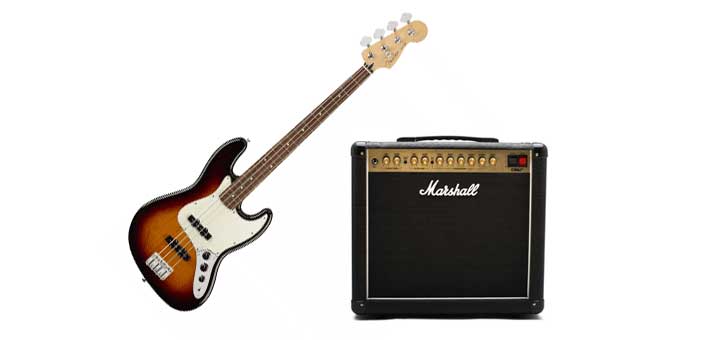
Better alternatives for practicing bass
A dedicated bass amp is the simplest choice, but it is not the only one.
Use a small bass combo
A bass combo includes a bass-rated amplifier and speaker in one cabinet. It is built to handle low frequencies and is usually the most direct solution for home practice.
Use headphones
A bass headphone amp, multi-effects unit, or modeling device can provide quiet practice. This avoids sending loud low-frequency energy through a guitar speaker.
Use an audio interface
An audio interface lets you record bass into a computer or tablet. Software can provide amp simulation, cabinet simulation, equalization, and effects.
Use headphones or suitable monitor speakers. Ordinary computer speakers may not reproduce bass well at high levels.
Use a full-range powered speaker
A full-range powered speaker can work with a bass preamp, modeler, or pedalboard. Confirm that the speaker is designed for the level and frequency range you need.
A powered PA speaker may reproduce bass cleanly, but it does not automatically provide the same tone or feel as a bass amp.
Use a guitar amp with a bass preamp cautiously
A bass preamp can shape the signal before it reaches the guitar amp. This may improve tone, but it cannot increase the speaker’s safe power or excursion limits.
Keep the output moderate and avoid excessive low-end boost.

Guitar amp versus bass amp
The key difference is not simply wattage. It is the whole system: preamp voicing, power section, speaker, cabinet, and intended frequency range.
| Feature | Typical guitar amp | Typical bass amp |
|---|---|---|
| Main tonal focus | Guitar midrange | Low end, low mids, and clean headroom |
| Speaker design | Guitar-focused | Bass-focused |
| Low-frequency output | Often limited | Usually stronger |
| Natural distortion | Common design goal | Often delayed or controlled |
| Best use with bass | Quiet practice, effects, recording | Rehearsal, live use, full bass tone |
| Main concern | Speaker stress and weak low end | Size, cost, and transport |
Some modern guitar amps use full-range speakers or digital modeling. Some bass amps include guitar-friendly channels and effects. The label alone does not tell you everything, so check the manual and speaker specifications.
Common mistakes to avoid
Turning up the bass control to fix a thin sound
This may make the sound fuller, but it also increases speaker stress. Try lowering the guitar amp’s treble or middle control first, or use a system designed for bass.
Assuming a higher watt rating makes the setup safe
Wattage does not tell the whole story. A powerful amplifier can still damage an under-rated speaker. A lower-powered amplifier can also cause trouble if it is driven hard into an unsuitable cabinet.
Using a guitar cabinet with a bass head
A matching plug is not proof of compatibility. Check impedance and power handling before connecting any amplifier head to a cabinet.
Using an instrument cable as a speaker cable
Instrument cables are not built for speaker-level current. Use a proper speaker cable between an amplifier head and passive cabinet.
Ignoring a little noise
Rattling and flapping are warnings, not normal bass tone. Stop and investigate before the speaker fails.
Using a tube amp without the correct load
A tube amp needs the load specified by its design. If you are unsure, consult the manual or a qualified amp technician before powering it on.

Frequently asked questions
Can I practice bass through a small guitar amp?
Yes, if you keep the volume low and avoid strong bass boost. A small guitar amp is suitable for short practice sessions, but it may sound thin and should not be used as a loud bass rig.
Can I play bass through a tube guitar amp?
Yes, at controlled volume and with the correct speaker load. Tube breakup can create a useful bass sound, but deep bass at high volume may damage the speaker.
Can I use a guitar pedal with a bass amp?
Usually, yes. Most guitar pedals work with bass, although some reduce low end or have an input that clips with a strong bass signal. Check the pedal’s frequency response if preserving deep bass matters.
Is a bass amp safe for an electric guitar?
Usually, yes. A bass amp can reproduce guitar, but the tone may be cleaner, darker, or less mid-focused than a guitar amp. Use guitar effects or a preamp if you want more familiar guitar response.
Can I use headphones from a guitar amp for bass?
Only if the amplifier’s headphone output is designed for that use. Do not connect headphones to a speaker output unless the manufacturer specifically permits it. A headphone or modeling device made for bass is often the safer option.
Conclusion
You can use a guitar amp for a bass guitar when the volume is low, the tone is controlled, and the speaker shows no signs of stress. It can be useful for practice, recording, or a deliberately distorted sound.
For clean low end, loud rehearsals, live performances, low tunings, or long playing sessions, use a bass amp or full-range system. If the amp rattles, smells hot, or distorts in a mechanical way, stop playing and have it checked.
The safest next step is simple: check the amp’s manual, start with every control near the middle, raise the volume slowly, and switch to a bass-rated speaker when you need more volume or deeper sound.

Senior Music Reviewer
Alex Carter is a seasoned music reviewer with over a decade of experience in the world of sound and instruments. Passionate about helping musicians and enthusiasts make informed choices, he brings sharp insights and in-depth knowledge to every review. From classical instruments to modern gear, Alex combines technical expertise with a love for music to deliver content that resonates with readers.
As a Senior Music Reviewer and expert author on Tuneluma.com, Alex is dedicated to sharing honest evaluations, practical advice, and thoughtful commentary to guide readers in their musical journey.