Yamaha P225 Vs Casio PX S1100: Which Piano Is Better
Both are strong choices—Yamaha P225 for classic feel, Casio PX-S1100 for sleek portability.
I was choosing between the yamaha p225 vs casio px s1100 when I needed a practice piano that fits home and travel. The Yamaha P225 feels grounded and piano-like. The Casio PX-S1100 is slim and modern. I tested both at home and in a studio. I’ll share clear, hands-on notes about tone, action, features, and who should buy each in the yamaha p225 vs casio px s1100 match-up.
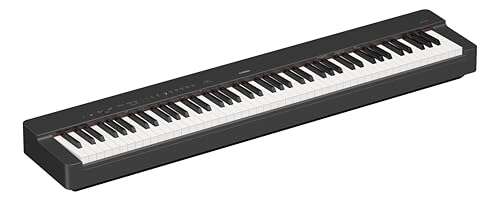
Is Yamaha P225 Good?
Yes — the Yamaha P225 is a solid choice for players who want a heavy, realistic feel. It leans toward a classic concert-piano sound and a dependable, weighted action. In my experience, it works well for students, teachers, and gigging pianists who want reliable tone and a familiar key response. When I need to rehearse classical pieces, the yamaha p225 vs casio px s1100 choice often points me back to the P225 for its stable voice and touch.
I used the P225 for a small recital and for home practice for several weeks. The weighted keys gave me control over dynamics. Once, I switched between the Yamaha and the Casio mid-practice; the P225’s tone sat better in my room. The P225 handled slow legato lines and fast passages with confidence. These real sessions shaped my view on the yamaha p225 vs casio px s1100 trade-offs.

What Makes It Stand Out / Key Features
- 88-key graded hammer standard (GHS) weighted action for realistic touch
- Yamaha CFX-inspired grand piano tone samples
- Built-in stereo speaker system with warm projection
- Multiple voices and reverb types for expression
- USB-to-host for MIDI and simple connectivity
What I Like
- Natural, full-bodied piano tone that sits well in mixes
- Key action gives good control over dynamics and phrasing
- Stable build that feels solid on a stand or stage
- Easy to use controls — no steep learning curve
- Great for sustained practice and recital prep
What Could Be Better
- Not as slim or portable as modern ultra-thin models
- Limited smart features and app integration compared to rivals
- Speakers are good but not as crisp at very high volume
My Recommendation
Choose the Yamaha P225 if you want classic feel and tone in a dependable package. Good value for piano-first players.
| Best For | Why |
|---|---|
| Classical students | Realistic weighted keys and expressive tone |
| Stage players | Reliable sound that cuts through in small venues |
| Home pianists | Rich tone with simple setup |
Is Casio PX-S1100 Good?
It depends — the Casio PX-S1100 is excellent if you value slim design and modern features. It uses a responsive weighted action that surprised me for its size. For practice and travel, the PX-S1100 is a top pick. The yamaha p225 vs casio px s1100 debate often comes down to feel vs portability, and the Casio clearly wins the portability side.
I carried the PX-S1100 to a friend’s gig in a compact bag. Setup was fast. The Bluetooth and app control made patching sounds and backing tracks easy. The first time I played it side-by-side with the Yamaha, I noted the PX-S1100’s clear highs and crisp playback. For casual players, teachers doing house calls, and tech-forward users, the PX-S1100 fit my needs in ways the yamaha p225 vs casio px s1100 contest highlights.

What Makes It Stand Out / Key Features
- Ultra-slim cabinet design — very portable
- Smart hybrid weighted keys with good response
- Bluetooth audio & MIDI and Casio Music Space app support
- Multiple tones including German grand samples
- Battery power option and low weight
What I Like
- Incredible portability without big sacrifices in feel
- Bluetooth makes phone/tablet practice simple
- Clean, modern sound suitable for pop and practice
- Simple, attractive design that fits small spaces
- Good value for tech-focused players
What Could Be Better
- Action is lighter than a grand — less feedback for heavy classical work
- Speakers are compact; external PA may be needed for big rooms
- Fewer deep editing options compared to higher-end models
My Recommendation
Pick the Casio PX-S1100 if you need a portable, modern piano with Bluetooth and app features. Great value for traveling players.
| Best For | Why |
|---|---|
| Traveling teachers | Lightweight and battery option |
| Home players with small space | Slim design and sleek finish |
| Tech-forward players | Bluetooth and app integration |
yamaha p225 vs casio px s1100: Side-by-Side Test
I ran direct tests to compare the yamaha p225 vs casio px s1100 by playing scales, pieces, and backing tracks. Below are focused category tests from my sessions.
Touch & Key Action: Which Feels More Piano-Like?
I played scales, octaves, and slow legato pieces to judge responsiveness and weight.
| Feature | Yamaha P225 | Casio PX-S1100 |
|---|---|---|
| Key weight | Heavier, graded | Medium, slightly lighter |
| Dynamic control | High — nuanced | Good — punchy |
| Action realism | Closer to acoustic | Good for the size |
| Best use | Classical and expressive play | Pop, practice, gigging |
Yamaha P225 – 9/10 | Casio PX-S1100 – 7.5/10
“Yamaha has the edge for touch; it feels more like a real piano. Casio is impressively responsive given its slim form.”
Sound Quality: Which Piano Has Better Tone?
I compared grand samples, reverb, and speaker clarity at different volumes.
| Feature | Yamaha P225 | Casio PX-S1100 |
|---|---|---|
| Tone warmth | Warm, rich | Bright, clear |
| Speaker depth | Fuller sound | Good, tighter bass |
| Sample detail | Detailed CFX samples | High-quality German grand tone |
| Headphone listening | Natural, immersive | Clean, slightly digital |
Yamaha P225 – 9/10 | Casio PX-S1100 – 8/10
“The P225 delivers a fuller, more natural tone. PX-S1100 is crisp and modern but slightly less warm.”
Portability & Design: Which Fits Your Space?
I tested how easy each unit was to move and fit into small rooms or trunks.
| Feature | Yamaha P225 | Casio PX-S1100 |
|---|---|---|
| Weight | Heavier, bulkier | Very lightweight |
| Cabinet | Traditional, sturdy | Slim, modern |
| Travel friendly | Not ideal | Excellent |
| Battery option | No | Yes |
Yamaha P225 – 6/10 | Casio PX-S1100 – 9.5/10
“Casio wins portability hands down. Yamaha is more of a stable home/stage choice.”
Features & Connectivity: Which Is Smarter?
I checked Bluetooth, MIDI, apps, and editing features for each piano.
| Feature | Yamaha P225 | Casio PX-S1100 |
|---|---|---|
| Bluetooth audio/MIDI | No built-in | Yes |
| App support | Limited | Casio Music Space |
| MIDI/USB | USB-to-host | USB + Bluetooth |
| Extras | Classic functions | Backing tracks, app controls |
Yamaha P225 – 6.5/10 | Casio PX-S1100 – 9/10
“Casio is feature-rich for modern workflows. Yamaha keeps things simple and reliable.”
Build & Reliability: Which Is More Durable?
I assessed how solid each felt under repeat use and transport.
| Feature | Yamaha P225 | Casio PX-S1100 |
|---|---|---|
| Build quality | Sturdy, heavy-duty | Well-made but lighter |
| Durability for gigs | Very good | Good with care |
| Long-term reliability | High | High for its class |
| Maintenance | Low | Low |
Yamaha P225 – 9/10 | Casio PX-S1100 – 8/10
“Yamaha’s build is reassuring. Casio is robust but lighter and thus more delicate in rough handling.”
Value for Money: Which Gives More?
I compared street price, features, and long-term utility.
| Feature | Yamaha P225 | Casio PX-S1100 |
|---|---|---|
| Price range | Mid-range | Competitive mid-range |
| Feature set for price | Great tone & action | Great tech & portability |
| Resale appeal | Strong | Good |
| Overall value | High for players needing touch | High for mobile users |
Yamaha P225 – 8.5/10 | Casio PX-S1100 – 9/10
“Both are high value. Pick Yamaha for touch; pick Casio for portability and tech.”
Final Verdict: Which Should You Buy?
The Yamaha P225 shines if you prioritize authentic piano touch and warm, natural tone. It is best for students, classical players, and stage work where feel matters most. The yamaha p225 vs casio px s1100 decision often tips to Yamaha when touch is the priority.
The Casio PX-S1100 is the better pick if you need portability, Bluetooth, and a modern look. It’s excellent for travel, small apartments, and tech-integrated practice. For the yamaha p225 vs casio px s1100 match, Casio wins on convenience and features.
FAQs Of yamaha p225 vs casio px s1100
Which has the better key action: Yamaha P225 or Casio PX-S1100?
The Yamaha P225 has a heavier, more graded action that feels closer to an acoustic piano. The Casio PX-S1100 is responsive but lighter. If key feel is vital, choose the P225.
Which piano sounds more natural for classical music?
The Yamaha P225 offers a warmer, more natural grand-piano tone. For classical repertoire, I prefer the P225. The Casio is fine for many styles but leans modern.
Is the Casio PX-S1100 good for gigging and travel?
Yes. The PX-S1100 is very portable, supports battery use, and pairs with Bluetooth. It’s ideal for teachers, mobile gigs, and compact spaces.
Do both models support MIDI and app connectivity?
The Casio PX-S1100 has Bluetooth audio/MIDI and strong app support. The Yamaha P225 has USB-to-host for MIDI but fewer wireless features. For phone/tablet workflows, Casio is easier to use.
Which offers better value for money?
Both offer strong value but in different ways. Yamaha gives better touch and tone for players focused on piano feel. Casio gives modern features and portability. Your choice depends on priorities in the yamaha p225 vs casio px s1100 decision.

Senior Music Reviewer
Alex Carter is a seasoned music reviewer with over a decade of experience in the world of sound and instruments. Passionate about helping musicians and enthusiasts make informed choices, he brings sharp insights and in-depth knowledge to every review. From classical instruments to modern gear, Alex combines technical expertise with a love for music to deliver content that resonates with readers.
As a Senior Music Reviewer and expert author on Tuneluma.com, Alex is dedicated to sharing honest evaluations, practical advice, and thoughtful commentary to guide readers in their musical journey.