What Is A Violin Bow: Essential Guide For Beginners
Introduction
For violin students, teachers, and players in the United States, a violin bow is more than an accessory. It is the tool that turns the violin’s strings into sound. A good bow helps you control volume, tone, rhythm, and expression in a school orchestra, community ensemble, church group, or professional performance.
A violin bow is a slender, curved stick strung with horsehair. When the hair moves across a violin string, friction makes the string vibrate. The violin then turns that vibration into the sound you hear.
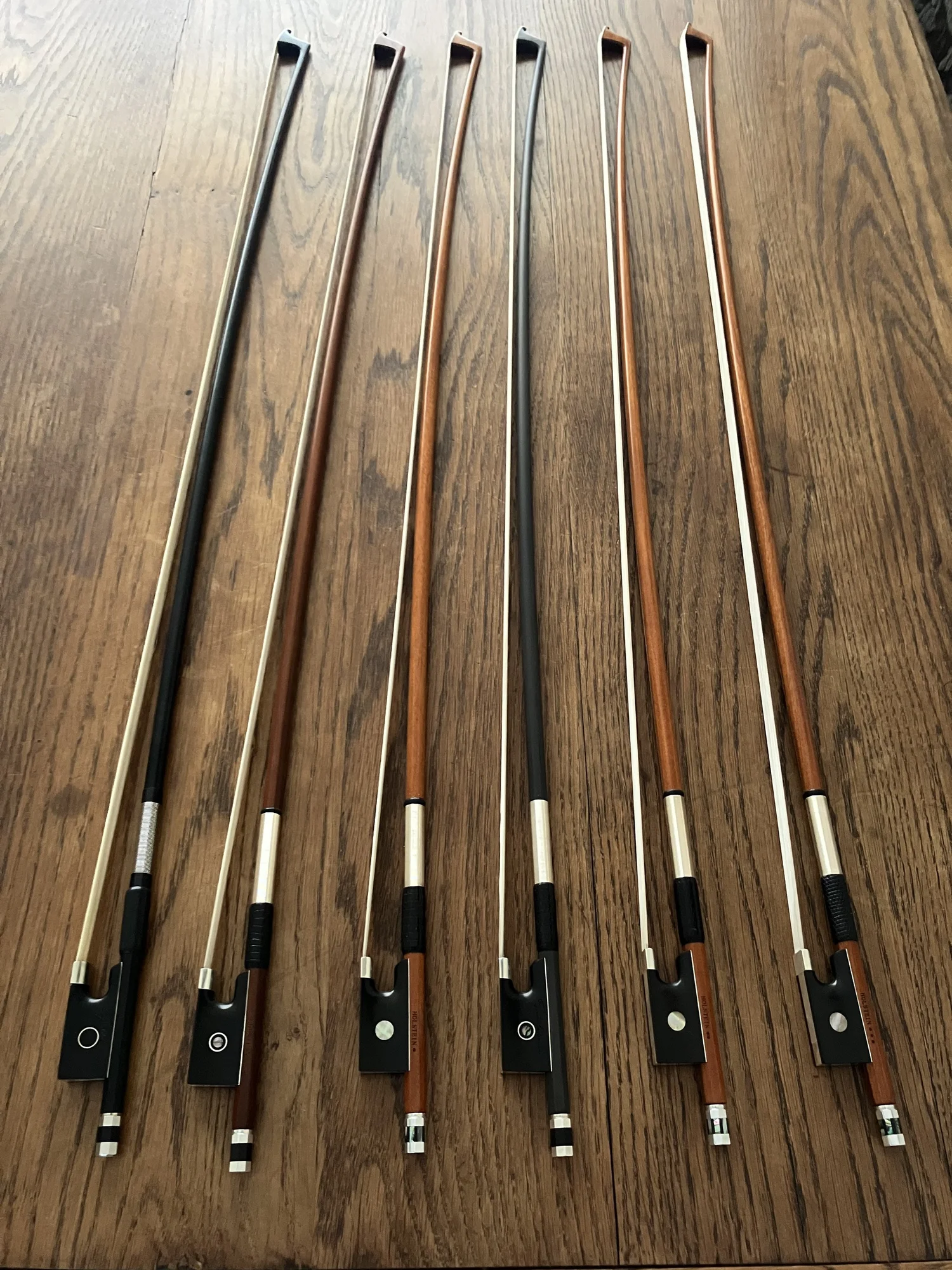
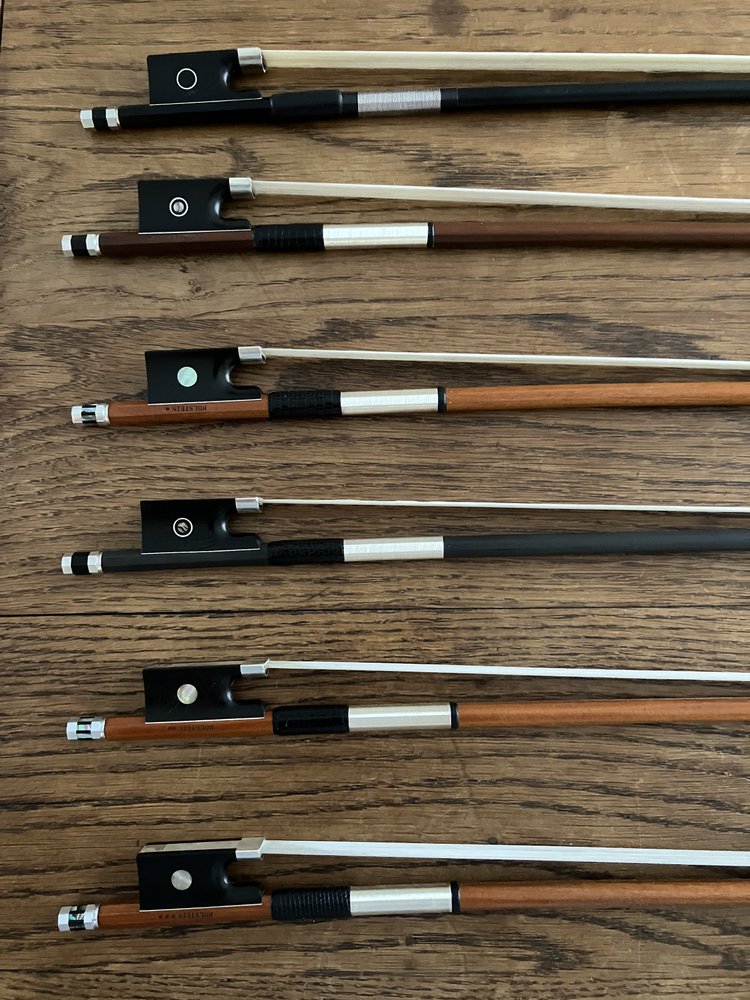
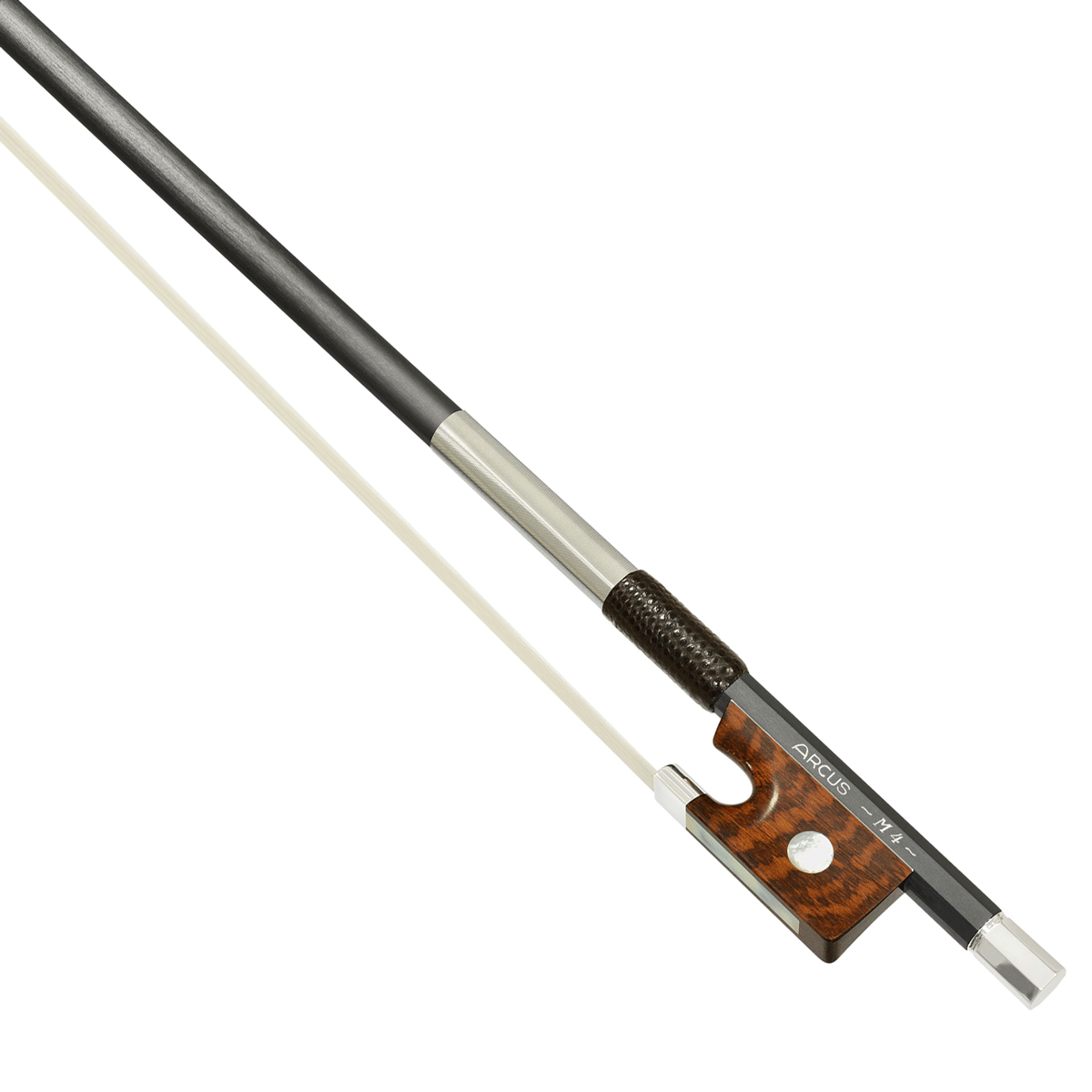
The bow also includes a frog, screw, tip, grip, and winding. Each part affects balance, comfort, and control. The bow does not simply “pull” sound from the violin. It gives the player a way to shape each note.
What Does a Violin Bow Do?
A violin bow makes the strings vibrate through controlled friction. The player tightens the bow hair, applies rosin, and draws the bow across a string. The hair grips and releases the string many times each second. This motion creates a steady vibration.
The bow controls several parts of violin playing:
- Volume: More bow speed and suitable pressure can create a louder sound.
- Tone: The contact point, bow speed, and pressure change the color of the note.
- Articulation: Bow direction and pressure help create smooth, short, sharp, or accented notes.
- Dynamics: The player can make a phrase grow louder or softer.
- Rhythm: Clear bow changes help define the timing of a passage.
- Expression: Vibrato affects pitch color, but the bow often shapes the main emotional character of a note.
A violin can make a sound without a bow through plucking, called pizzicato. However, plucking does not provide the same sustained control as bowing. The bow is the main tool for producing a long, connected violin tone.
How does the bow create sound?
The bow hair has a rough surface after rosin is applied. As the player moves the bow, the hair briefly catches the string and then lets it go. This repeated catch-and-release action causes the string to vibrate.
The bridge transfers that vibration to the violin body. The body then moves air and produces the sound that reaches the listener.
A useful way to picture this is to think of the bow as a controlled gear between the player and the string. Small changes in speed, angle, pressure, and contact point can make a large difference in sound.
The bow does not need to press as hard as many beginners expect. Too much pressure can stop the string from vibrating freely and create a scratchy or harsh tone.

What Are the Parts of a Violin Bow?
A violin bow has several parts. Each one has a clear job, and damage to one part can affect the whole bow.
| Part | What it is | Main function |
|---|---|---|
| Stick | The long wooden or synthetic body | Provides spring, strength, and balance |
| Hair | Strands fixed from the tip to the frog | Grips the string and creates friction |
| Frog | The lower grip held by the player | Holds the hair and helps balance the bow |
| Screw | The turning mechanism at the frog | Tightens and loosens the hair |
| Tip | The upper end of the bow | Holds the hair and protects the stick |
| Winding | Wire, thread, or other wrap near the frog | Adds weight and protects the stick |
| Grip or thumb leather | Material near the frog | Improves comfort and protects the stick |
| Button | The end piece attached to the screw | Gives the player a surface to turn |
The stick
The stick is the long part that gives the bow its shape and spring. Traditional high-quality violin bows often use pernambuco, a dense tonewood from Brazil. Brazilwood is also used, especially in many student and intermediate bows.
The stick may be round or octagonal. An octagonal stick has eight flat sides. Shape alone does not prove that one bow is better than another. The stick’s stiffness, camber, balance, weight, and workmanship matter more than the number of sides.
Some modern bows use carbon fiber or other synthetic materials. These bows can offer consistent construction and may handle changes in humidity well. They can be useful for students, outdoor performances, travel, and players who want a durable bow.
The hair
Most violin bows use horsehair. The hair is stretched from the frog to the tip and tightened with the screw.
Bow hair is usually white, though some bows use dark hair. Color does not by itself show quality. The condition, evenness, cleanliness, and proper installation of the hair matter more.
Hair wears out over time. It can become smooth, dirty, uneven, or too thin to grip the string well. A bow may need a rehair even when the stick remains in good condition.
The frog
The frog is the section held near the player’s hand. It supports the lower end of the hair and helps give the bow its balance.
Many frogs include an eye, slide, metal fittings, and a ferrule. These small parts help secure the hair and support the frog’s structure.
The frog may be made from ebony or another hard material. Some bows also have decorative details, such as a metal-mounted frog or an ornamental eye. These features can affect value, but they do not automatically improve playability.
The screw and button
The screw lets the player adjust hair tension. Turning it one way tightens the hair. Turning it the other way loosens the hair.
The bow should not be played with loose hair. It also should not be tightened until the stick becomes straight or the hair feels rigid. The stick should usually retain a visible inward curve, known as camber, while the bow is under normal playing tension.

What Are Violin Bows Made Of?
Violin bows are made from wood, carbon fiber, fiberglass, and other composite materials. The material affects feel, durability, cost, and repair options.
Pernambuco bows
Pernambuco has long been valued by bow makers for its strength, flexibility, and ability to hold a useful camber. Many important historic bows were made from pernambuco.
The supply of pernambuco is limited, and the wood is subject to international trade controls. Buyers should ask for clear information about the bow’s origin and any documents needed for travel.
A pernambuco bow may be valuable, but the wood alone does not determine quality. A well-made bow must also have good balance, sound workmanship, a stable stick, and suitable playing behavior.
Brazilwood bows
“Brazilwood” is a broad trade term used for several types of wood. Many student bows use this material because it can provide a lower-cost option.
Brazilwood bows may work well for beginners and developing players. Their quality can vary widely, so the player should judge the actual bow rather than rely only on the label.
Carbon-fiber bows
Carbon-fiber bows are made from a strong synthetic material. They often provide consistent weight and shape. They may also be less affected by normal humidity changes than some wooden bows.
A carbon-fiber bow is not automatically better or worse than a wood bow. Its feel depends on the design, balance, stiffness, hair, and setup.
Fiberglass and composite bows
Fiberglass bows are common in some beginner outfits. They are often durable and affordable. They may not offer the same response or refinement as a well-made pernambuco or carbon-fiber bow, but they can be suitable for a new student.
The best material depends on the player’s needs. A young student who frequently drops equipment may benefit from durability. An advanced player may care more about subtle balance and tone control.

How Much Does a Violin Bow Weigh?
A full-size violin bow commonly weighs about 58 to 65 grams, not including the violin. This is a general range, not a rule for judging quality.
Weight alone does not tell you how a bow will feel. Two bows with the same weight can feel very different because of their balance and stiffness.
Important factors include:
- Balance point: Where the bow feels heaviest in the hand.
- Stiffness: How much the stick resists bending.
- Camber: The curve built into the stick.
- Response: How quickly the bow reacts to changes in pressure and speed.
- Spring: How the stick supports bouncing strokes.
- Grip comfort: How naturally the hand can hold and guide the bow.
A bow that feels too heavy at the tip may tire the hand. A bow that feels too light or soft may make certain strokes harder to control. The right choice depends on the player’s hand, technique, violin, and music.
Violin bow sizes
A full-size violin normally uses a full-size bow. Smaller violins need smaller bows, such as bows for:
- 1/16-size violins
- 1/10-size violins
- 1/8-size violins
- 1/4-size violins
- 1/2-size violins
- 3/4-size violins
The correct size should match the violin and the player’s reach. A child should not use a full-size bow simply because it is available. A teacher or violin shop can help check whether the player can reach the tip comfortably while maintaining a relaxed hand.
How Should You Use a Violin Bow?
Use the bow with relaxed control, straight travel, and suitable tension. Beginners often focus on moving the bow, but the goal is to move it in a way that lets the string vibrate freely.
Basic bowing steps
- Check the hair tension. Tighten the hair until it is firm, but do not over-tighten it.
- Apply a small amount of rosin. New or freshly rehaired bows may need more rosin at first. Do not cover the hair with excessive rosin.
- Place the bow between the bridge and fingerboard. The usual contact area is near the middle of this space.
- Keep the bow near a right angle to the string. A crooked bow can produce an uneven or scratchy sound.
- Start with slow, even strokes. Use a small part of the bow at first.
- Keep the hand flexible. The wrist and fingers should not lock.
- Listen to the tone. Adjust speed, pressure, and contact point rather than forcing the bow.
- Loosen the hair after playing. This protects the stick and helps the bow keep its shape.
A clean tone usually comes from a balance of three things: bow speed, pressure, and contact point. If one changes, the player often needs to adjust the others.
What is the best place to bow?
The ideal contact point changes with the music. Near the bridge, the string can produce a strong and focused sound, but it usually needs controlled pressure and speed. Near the fingerboard, the sound can become softer and more open.
For basic practice, begin between the bridge and fingerboard. Keep the bow moving parallel to the bridge. As your skill grows, experiment with different contact points under teacher guidance.

How Much Rosin Should You Use on a Violin Bow?
Use enough rosin for the hair to grip the string, but not so much that the sound becomes dusty, sticky, or harsh.
A new bow may need several slow passes with rosin. An already-used bow may need only a few passes after several playing sessions. The right amount depends on the type of rosin, hair condition, playing time, climate, and the violinist’s technique.
Signs of too much rosin include:
- White dust on the violin
- A rough or gritty sound
- Excess residue on the strings
- A bow that feels sticky
- Rosin buildup near the bridge
Signs of too little rosin include:
- The bow slides across the string
- The sound starts slowly
- Notes feel weak or unstable
- The hair does not grip during normal bowing
Wipe rosin dust from the strings and violin after playing with a clean, soft cloth. Do not use household cleaners, alcohol, or water on the violin unless a qualified repair professional recommends a specific product.

How Do You Care for a Violin Bow?
Good bow care is simple: loosen the hair after every playing session, keep the bow dry, and protect it from impact and heat.
Follow these care steps:
- Loosen the hair after playing. Do not leave the bow fully tightened in the case.
- Wipe the stick and frog. Use a clean, dry cloth to remove rosin and hand oil.
- Avoid touching the hair. Skin oil can reduce grip and soil the hair.
- Store the bow in a proper case. The bow should not move freely inside the case.
- Keep it away from heat. Do not leave it in a hot car, near a heater, or in direct sun.
- Check the hair often. Uneven or missing hair can affect the bow’s response.
- Use a qualified bow technician for repairs. Bow work requires specialized tools and skill.
Never tighten a bow when the hair is wet. Never try to repair a cracked stick with household glue. A crack, loose tip, broken frog, or damaged screw can become more serious if the bow is used.

When Does a Violin Bow Need a Rehair?
A violin bow needs a rehair when the hair is worn, uneven, dirty, or no longer grips the strings properly. Many players rehair a bow about once or twice a year, but playing time and hair condition matter more than a fixed schedule.
Common signs include:
- Many broken or missing hairs
- Hair that is very uneven from side to side
- Hair that stays loose even when the screw is tightened
- A slippery bow that does not respond to normal rosin
- Dark, dirty, or oily hair
- A rough tone that does not improve with basic setup
- A frog or tip that no longer holds the hair securely
A rehair replaces the old hair but does not correct every problem. If the stick is warped, cracked, or poorly balanced, the bow may also need repair or adjustment.
A violin shop or trained bow technician should inspect serious damage. Do not pull out loose hairs one by one unless a teacher or technician has shown you how to do so safely. Pulling can disturb the hair wedge or cause more damage.
How Do You Choose a Violin Bow?
Choose a bow by how it works with your violin and hand, not by material, brand, or appearance alone.
When trying a bow, compare the following:
| Test | What to look for |
|---|---|
| Open strings | A clear sound without excess scratch |
| Slow bows | Stable tone and easy control |
| Short strokes | Quick response without the bow feeling stiff |
| Smooth string crossings | Comfortable balance and flexible handling |
| Soft playing | The bow still grips at low volume |
| Louder playing | The tone stays open rather than breaking up |
| Tip and frog | Similar control at both ends of the bow |
| Long practice | No unusual hand or arm strain |
Try the bow on your own violin when possible. A bow that sounds good on one instrument may feel less effective on another.
Beginners should also bring their teacher. Teachers can often spot tension, poor balance, or technique problems that may be mistaken for a bow problem.
Should you buy a wood or carbon-fiber bow?
The better choice depends on the player.
- Wood may suit players who want a traditional feel and are willing to handle the bow carefully.
- Carbon fiber may suit players who want consistent construction, durability, or a reliable travel bow.
- Fiberglass may suit beginners who need a basic and affordable option.
- A professionally adjusted bow may suit advanced players who need precise response for demanding bow strokes.
Price can provide a rough guide, but it is not proof of performance. A higher price may reflect the maker, condition, materials, history, or rarity. It does not guarantee that the bow will feel right in your hand.

Common Violin Bow Mistakes
The most common bow problems come from tension, poor care, or using more force than the string needs.
Over-tightening the hair
A player may tighten the bow to make it feel stronger. This can put unnecessary stress on the stick and make the bow harder to control.
Tighten the hair only until it has suitable playing tension. The stick should not look straightened into a rigid line.
Using too much pressure
Heavy pressure can crush the string’s vibration. Try using more bow speed or moving closer to the bridge before adding force.
Holding the bow too tightly
A locked thumb, stiff wrist, or tense fingers can limit control. The bow hand should guide the bow while allowing small movements in the fingers and wrist.
Leaving the bow tightened
This can reduce the life of the hair and place avoidable stress on the stick. Loosen the hair every time you put the bow away.
Touching the hair
Oil from the fingers can make the hair slippery. Hold the bow by the frog and stick, not by the hair.
Cleaning with household products
Furniture polish, glass cleaner, alcohol, and water can damage varnish or fittings. Use a dry, soft cloth unless a qualified repair professional gives different instructions.

Violin Bow FAQs
Is a violin bow made from horsehair?
Most traditional violin bows use horsehair. The hair is stretched between the frog and tip and coated with rosin so it can grip the strings. Synthetic hair also exists, but it is less common than horsehair in standard violin use.
Can you play a violin without a bow?
Yes. You can pluck the strings with your finger, which is called pizzicato. However, you cannot produce the same sustained notes, bow strokes, or tone changes without a bow.
How long does a violin bow last?
A well-maintained bow can last for many years or even generations. The hair will need replacement much sooner than the stick. A crack, severe warp, damaged frog, or failed screw may require professional repair.
Is a heavier violin bow better?
No. A heavier bow is not automatically better. Balance, stiffness, response, and comfort matter more than weight alone.
Can a violin bow be repaired?
Many bow problems can be repaired, including worn hair, loose fittings, damaged grips, and some cracks. Repair options depend on the location and severity of the damage. A qualified bow technician should assess valuable or damaged bows.
How do I know if my bow is too tight?
If the hair is extremely taut, the stick looks almost straight, or the bow feels hard and rigid, it may be too tight. Loosen it slightly and ask a teacher or technician to check the correct tension.
Conclusion
A violin bow is a tensioned tool that uses rosin-coated hair to make the strings vibrate. Its stick, hair, frog, screw, tip, and grip work together to control tone, volume, articulation, and expression.
The best bow is not always the most expensive or the one made from a certain material. It is the bow that feels balanced, responds clearly, works well with your violin, and supports relaxed technique.
Start by checking the bow’s size, condition, hair, balance, and comfort. Keep the hair loose when stored, remove rosin dust after playing, and use a qualified technician for rehairing or repairs. For a purchase decision, compare several bows on your own violin with help from a teacher or reputable violin shop.

Senior Music Reviewer
Alex Carter is a seasoned music reviewer with over a decade of experience in the world of sound and instruments. Passionate about helping musicians and enthusiasts make informed choices, he brings sharp insights and in-depth knowledge to every review. From classical instruments to modern gear, Alex combines technical expertise with a love for music to deliver content that resonates with readers.
As a Senior Music Reviewer and expert author on Tuneluma.com, Alex is dedicated to sharing honest evaluations, practical advice, and thoughtful commentary to guide readers in their musical journey.