If you live in the United States and plan to buy a violin for a student, family member, church, or music program in Nigeria, the final cost depends on more than the instrument’s sticker price. Shipping, exchange rates, import charges, accessories, and repairs can change the total.
Quick answer
A violin in Nigeria may cost about ₦80,000 to more than ₦5 million, depending on its quality, condition, brand, and size.
For most new learners, a realistic budget is:
- Basic beginner violin: ₦80,000–₦250,000
- Better student violin: ₦250,000–₦700,000
- Intermediate violin: ₦700,000–₦2 million
- Professional or high-end violin: ₦2 million and above
- Used violin: About ₦50,000–₦1.5 million, depending on condition
These are planning ranges, not fixed live prices. Nigerian prices change with the naira-to-dollar exchange rate, stock levels, seller location, and import costs. Always confirm the current price before paying.
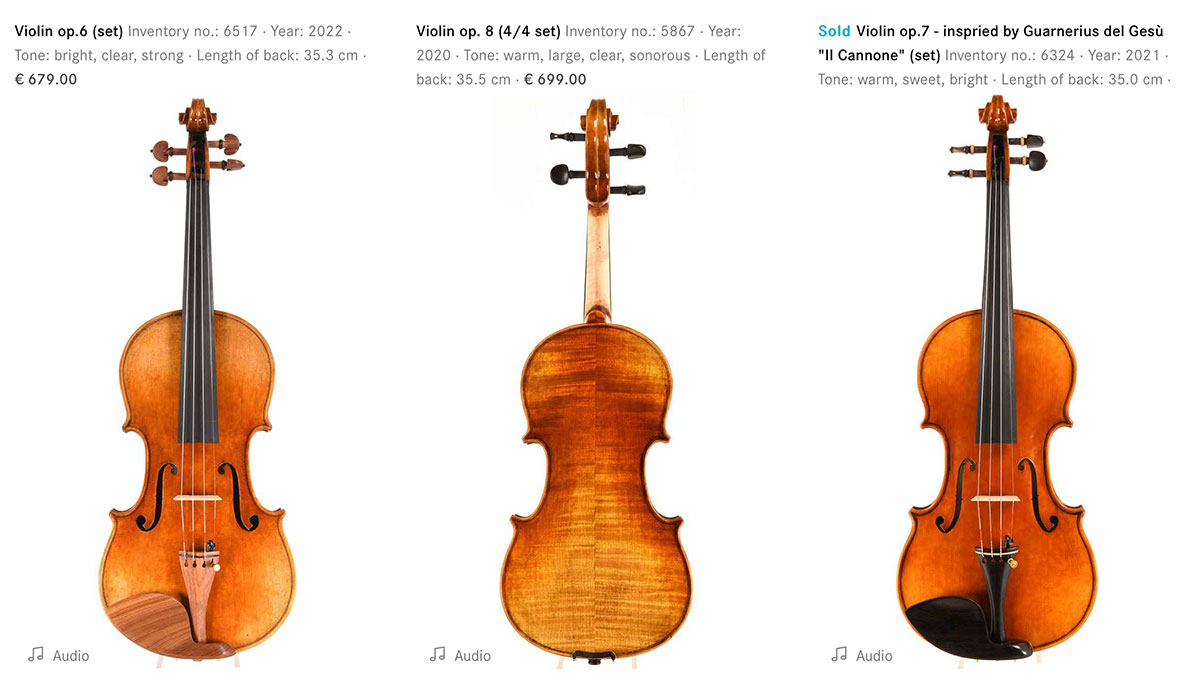
Violin price ranges in Nigeria
The table below shows the main price groups. It can help you set a budget before you visit a music shop or contact an online seller.
| Violin type | Typical planning range in Nigeria | Best for |
|---|---|---|
| Very basic student violin | ₦80,000–₦150,000 | Short-term practice or first lessons |
| Entry-level full-size violin | ₦150,000–₦250,000 | New learners on a tight budget |
| Good student violin | ₦250,000–₦700,000 | Regular lessons and school music |
| Intermediate violin | ₦700,000–₦2 million | Serious students and advancing players |
| Professional violin | ₦2 million–₦10 million or more | Performers and advanced musicians |
| Used violin | ₦50,000–₦1.5 million | Buyers who can inspect the instrument |
| Electric violin | ₦200,000–₦1.5 million or more | Amplified practice and performance |
A very cheap violin may look attractive, but price alone does not show quality. Two violins with the same price can differ greatly in setup, tone, playability, and condition.
A properly set-up student violin is often a better choice than the cheapest new violin available. Poor setup can make the strings hard to press, the bridge unstable, and the sound thin or harsh.
What affects the cost of a violin in Nigeria?
The largest price factors are size, materials, setup, brand, condition, and import cost.
1. Size
Violins come in several sizes. Common sizes include:
- 1/16
- 1/10
- 1/8
- 1/4
- 1/2
- 3/4
- 4/4, also called full size
A full-size violin is for most adults and many older children. Younger players need smaller violins. A smaller violin is not always much cheaper, especially when it comes from a known maker.
Do not choose a size only by age. Arm length and hand reach matter. A teacher or skilled violin seller should help measure the player.
2. New or used condition
A used violin can cost much less than a new one. It can also offer better value if it was made well and cared for.
However, damage may be hidden. Check for:
- Open seams
- Cracks in the top or back
- A warped neck
- A loose or badly cut bridge
- Pegs that slip
- A fingerboard that is not level
- A missing sound post
- Severe scratches or signs of water damage
Repair costs can quickly remove the saving from a cheap used violin. Ask a violin teacher, luthier, or experienced player to inspect it before purchase.
3. Wood and construction
Most acoustic violins use spruce for the top and maple for the back, ribs, and neck. Very low-cost models may use lower-grade wood, laminated wood, or factory parts with limited finishing.
Better construction can improve:
- Tuning stability
- Comfort
- Response
- Volume
- Tone
- Long-term repair value
Wood type alone does not guarantee a good violin. Craft quality and setup matter just as much.
4. Brand and maker
Known student brands often cost more because they have more consistent construction and better quality control. A handmade violin may cost much more, but the price depends on the maker’s skill, reputation, age, condition, and sound.
Do not pay a high price simply because a seller uses words such as “professional,” “master,” or “concert.” Ask for clear details about the maker, model, condition, and repair history.
5. Setup
Setup means preparing the violin so that it can be played correctly. It may include:
- Fitting the bridge
- Adjusting the sound post
- Shaping the nut
- Smoothing the fingerboard
- Fitting the pegs
- Installing suitable strings
- Checking the tailpiece and fine tuners
A factory violin may need setup after delivery. A violin with good setup can feel much easier to play than a more expensive violin that was poorly prepared.
6. Import and exchange costs
Imported violins are affected by:
- The seller’s wholesale cost
- The dollar-to-naira exchange rate
- Freight charges
- Insurance
- Customs duties or taxes
- Port and clearing fees
- Local delivery
- Currency conversion fees
A violin that costs $200 in the United States may cost much more after it reaches Nigeria. The product price is only one part of the final cost.

How much should a beginner spend?
A beginner in Nigeria should usually plan for ₦150,000 to ₦500,000 for the violin and basic accessories. A cheaper instrument may work for a first trial, but it should still be playable and safe.
A practical beginner package may include:
- Violin
- Bow
- Case
- Rosin
- Shoulder rest, if needed
- Extra strings
- Basic tuner
Very cheap packages often include low-quality bows and weak cases. The violin may still be usable, but the player may need to replace parts soon.
For a child who is unsure about continuing, renting or borrowing may be sensible if that option exists. For a student taking regular lessons, buying a properly set-up student violin can be more economical over time.
Suggested budgets
| Buyer | Sensible starting budget |
|---|---|
| Child trying violin for the first time | ₦100,000–₦250,000 |
| Beginner taking weekly lessons | ₦150,000–₦500,000 |
| Serious student | ₦400,000–₦1 million |
| Advanced student | ₦1 million–₦3 million |
| Performer or collector | ₦2 million and above |
These budgets are broad because local stock and exchange rates can shift prices quickly.
What does a complete violin outfit cost?
The violin is not the only item you need. A complete outfit may cost more than the instrument alone.
| Item | Possible planning range |
|---|---|
| Beginner violin outfit | ₦80,000–₦250,000 |
| Better bow | ₦30,000–₦250,000 or more |
| Violin case | ₦25,000–₦200,000 |
| Rosin | ₦5,000–₦40,000 |
| Shoulder rest | ₦10,000–₦80,000 |
| Replacement strings | ₦15,000–₦150,000 or more |
| Electronic tuner | ₦5,000–₦50,000 |
| Basic setup or repair | Varies by shop and problem |
These figures are budget guides. Accessories may be included in a package, but included items are not always equal in quality.
A useful buying rule is to reserve 10% to 25% of the instrument budget for setup, replacement strings, transport, and small repairs. Older or imported violins may need more.

Is a cheap violin worth buying?
A cheap violin can be worth buying when it is correctly sized, playable, and inspected. The lowest-priced violin is not always the lowest-cost choice.
A poor violin may cause problems such as:
- Strings that sit too high
- A bridge that falls over
- Pegs that do not hold
- A bow that is difficult to control
- A harsh or weak sound
- Cracks that need repair
- Frustration for the learner
These problems can slow progress. A beginner may think they lack talent when the real problem is the instrument.
Before buying a cheap violin, test these points:
- The neck should feel straight.
- The bridge should stand upright.
- The strings should be properly aligned.
- The pegs should turn and hold.
- The bow should have usable hair and correct tension.
- The case should protect the violin.
- The instrument should produce a clear sound on each string.
- There should be no major cracks or open seams.
If you cannot inspect the violin, ask the seller for clear photos and a short playing video. A video cannot replace an in-person inspection, but it may reveal serious problems.
New versus used violins in Nigeria
A new violin offers a clearer buying process. You can often ask about the model, warranty, return policy, and setup. A used violin may offer better sound or materials for the same budget, but it carries more risk.
Choose new when:
- You are buying for a young beginner.
- You cannot inspect the instrument.
- You need a return option.
- You want a complete package.
- You do not know how to identify repairs.
Choose used when:
- An experienced player can inspect it.
- The seller provides its repair history.
- The price reflects its condition.
- The violin has a known maker or reliable origin.
- You can test it before payment.
Be careful with online marketplace listings. Ask whether the photos show the exact violin being sold. Confirm the size, included accessories, location, delivery method, and return terms.
Do not send a large payment to an unknown seller without checking the seller’s identity and transaction history.
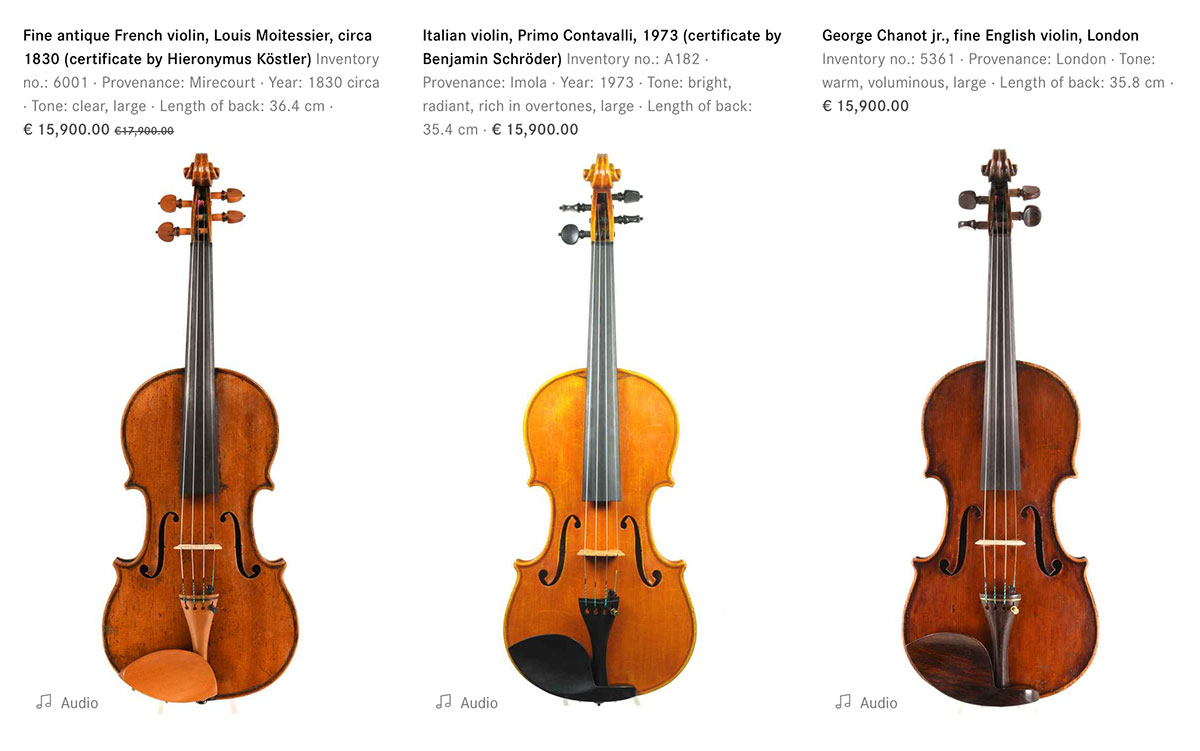
Buying a violin from the United States for delivery to Nigeria
A US-based buyer may find a wider range of brands and used instruments. However, international delivery can add risk and cost.
Before ordering, calculate:
Total cost = violin price + shipping + insurance + payment fees + import charges + local delivery + setup
For example, this is a hypothetical calculation:
- Violin: $250
- Shipping and insurance: $90
- Payment or conversion fees: $15
- Possible import and handling costs: $50–$120
- Local setup: equivalent of $20–$60
The final cost could be far above the original $250 price. The exact import charge depends on the classification, declared value, shipping route, and rules applied at entry.
Before payment:
- Confirm the current exchange rate.
- Ask the seller how the violin will be packed.
- Buy shipping insurance when available.
- Check whether the case is included.
- Ask about returns for damage or wrong size.
- Confirm who pays customs and clearing charges.
- Verify the recipient’s phone number and delivery address.
- Keep the invoice and payment record.
A violin should travel in a firm case with padding. Extreme heat, sudden temperature changes, and rough handling can damage wood instruments. Let the violin rest and adjust to the new environment before making major setup changes.

Where can you buy a violin in Nigeria?
Common buying options include:
- Local music shops
- Instrument dealers
- Music schools
- Church music departments
- Online Nigerian marketplaces
- Importers
- Private sellers
- International retailers
A local music shop gives you the best chance to inspect the violin and ask for setup. A marketplace may offer more price choices, but the quality can vary widely.
Music schools and teachers may know reliable sellers. Their recommendation does not remove the need to inspect the violin, but it can reduce the chance of buying an unsuitable instrument.
When comparing sellers, ask:
- What is the exact size?
- Is the violin new or used?
- Is the bow included?
- Is the case included?
- Has the violin been set up?
- Are there cracks or repairs?
- Can I test it before payment?
- Is there a return or exchange policy?
- Is delivery included?
- What happens if it arrives damaged?
A seller who cannot answer basic questions may not be the best choice, even if the price is low.
Common mistakes to avoid
Buying by appearance
A shiny finish does not prove good sound or construction. Focus on playability, condition, and setup.
Choosing the wrong size
A child should not use a full-size violin simply because it costs less or will “last longer.” The wrong size can make playing uncomfortable and difficult.
Ignoring the bow
The bow is part of the playing system. A weak, crooked, or poorly haired bow can make a decent violin feel bad.
Forgetting replacement costs
Strings, rosin, repairs, lessons, and transport add to the ownership cost. Include them in your budget.
Paying before checking delivery terms
Ask whether the listed price includes delivery, customs, taxes, and local handling. “Free delivery” may cover only part of the journey.
Trusting an unusually low price
A very low price may reflect damage, missing parts, a counterfeit listing, or a violin that is not ready to play. Compare the offer with similar instruments and ask for proof of condition.

How to get the best value
The best value usually comes from buying the most playable violin you can afford, not the cheapest one.
Use this process:
- Set a total budget in naira.
- Decide whether you need a full-size or fractional-size violin.
- Compare at least three sellers.
- Separate the instrument cost from accessory and delivery costs.
- Ask for setup details.
- Test the violin or have a teacher test it.
- Check the return and damage policy.
- Keep money aside for strings and repairs.
If two violins have similar prices, choose the one with better setup, a stronger case, and a seller who offers clear after-sales help.
For a beginner, a reliable student violin with a good setup is usually more useful than a costly instrument that is difficult to play.
Frequently asked questions
What is the cheapest violin price in Nigeria?
A basic violin may start at around ₦80,000, although very low-cost models may have poor setup or weak accessories. A more dependable beginner budget is often ₦150,000 to ₦300,000.
Is ₦100,000 enough to buy a violin in Nigeria?
It may be enough for a basic package or a used violin. It may not be enough for a well-made new violin with strong accessories and professional setup. Inspect the instrument before paying.
How much is a full-size violin in Nigeria?
A full-size beginner violin may cost about ₦150,000 to ₦500,000. Better student and professional full-size violins can cost much more.
Are violins cheaper in the United States than in Nigeria?
The listed US price may be lower for some brands, but shipping, insurance, exchange fees, customs, and local setup can reduce or remove the saving. Compare the full delivered cost.
Should I buy a new or used violin?
Buy new if you need a simple purchase with less inspection risk. Buy used if an experienced player can check the instrument and the price reflects its condition.
Final recommendation
For most new learners, plan for ₦150,000 to ₦500,000 for a playable violin outfit in Nigeria. Spend more if the student will study seriously or perform often.
Before buying, confirm the current naira price, check the violin’s size and condition, and ask whether setup is included. A teacher, luthier, or experienced violinist can help you avoid expensive mistakes.
Prices change often, so use these ranges for planning and request a current quote from a trusted Nigerian seller before completing the purchase.

Senior Music Reviewer
Alex Carter is a seasoned music reviewer with over a decade of experience in the world of sound and instruments. Passionate about helping musicians and enthusiasts make informed choices, he brings sharp insights and in-depth knowledge to every review. From classical instruments to modern gear, Alex combines technical expertise with a love for music to deliver content that resonates with readers.
As a Senior Music Reviewer and expert author on Tuneluma.com, Alex is dedicated to sharing honest evaluations, practical advice, and thoughtful commentary to guide readers in their musical journey.