If you are in the United States and planning to buy a violin in India—or comparing Indian prices with US prices—the short answer is simple: a violin in India can cost anywhere from about ₹2,000 to more than ₹5,00,000. Most new student violins fall between ₹4,000 and ₹20,000, while better intermediate instruments often cost ₹20,000 to ₹75,000.
The right price depends on the violin’s size, materials, setup, brand, skill level, and whether it is acoustic or electric. A very cheap violin may look like a bargain, but poor setup can make it hard to play and costly to repair.
Violin price in India at a glance
The following ranges are useful for planning. They are indicative retail ranges, not fixed prices. Prices may change with the brand, seller, city, taxes, shipping, and seasonal discounts.
| Violin type | Typical price in India | Best for |
|---|---|---|
| Basic 1/4, 1/2, or 3/4 violin | ₹2,000–₹6,000 | Young beginners |
| Basic full-size violin | ₹3,000–₹10,000 | Casual beginners |
| Better student violin | ₹8,000–₹20,000 | Regular learners |
| Intermediate violin | ₹20,000–₹75,000 | Advancing players |
| Advanced or professional violin | ₹75,000–₹5,00,000+ | Serious performers |
| Handmade or master-built violin | ₹1,50,000–₹10,00,000+ | Professionals and collectors |
| Electric violin | ₹8,000–₹1,00,000+ | Stage use, recording, and amplified practice |
A complete beginner outfit often costs more than the violin alone. You may also need a bow, case, rosin, shoulder rest, extra strings, and professional setup.
What changes the cost of a violin in India?
The biggest price differences come from construction quality and setup. Two violins can look similar but feel very different when played.
Size
Violins come in several sizes:
- 1/16, 1/10, and 1/8: Very young children
- 1/4 and 1/2: Small children
- 3/4: Older children and some smaller players
- 4/4: Standard full size for most teens and adults
A smaller violin is not always cheaper. Some high-quality children’s instruments cost more than basic full-size models because they use better materials and careful construction.
A teacher or violin shop should help choose the size. Do not select a size only by age. Arm length and hand reach matter more.
Wood and construction
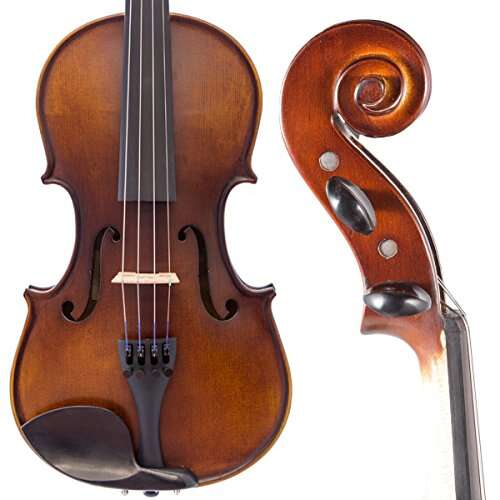
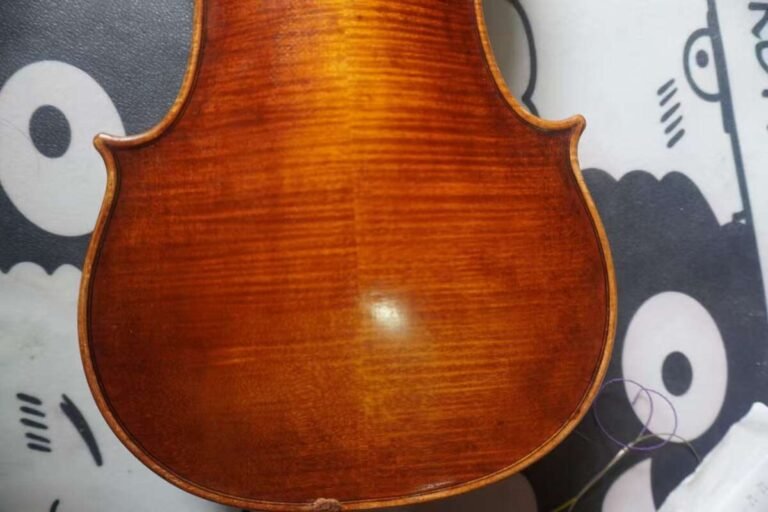
Most acoustic violins use spruce for the top and maple for the back, sides, and neck. Low-cost models may use laminated wood or factory-made parts. Higher-priced violins often use solid tonewood, better carving, and more careful varnish work.
These details affect:
- Tone
- Response
- Tuning stability
- Comfort
- Long-term repair value
Wood alone does not guarantee a good violin. A well-set-up student violin can be easier to play than a poorly made instrument with expensive materials.
Factory-made versus handmade
Most entry-level violins sold in India are factory-made. They are affordable and suitable for many first-time learners.
Handmade violins usually cost more because the maker spends more time on:
- Carving the top and back
- Shaping the neck
- Fitting the bridge
- Adjusting the soundpost
- Applying varnish
- Testing the tone
“Handmade” does not always mean “better.” The maker’s skill, setup quality, and the individual instrument matter.
Brand and origin
Imported brands can cost more because of shipping, customs, taxes, distributor margins, and currency changes. Indian-made violins may offer better value for local buyers, especially when service and repairs are easier to access.
A famous brand can provide more consistent quality. Still, the brand name should not replace an in-person test or a teacher’s advice.
Setup quality
Setup is one of the most overlooked parts of the price.
A violin setup may include:
- Fitting the bridge
- Adjusting the soundpost
- Shaping the nut
- Checking the fingerboard
- Aligning the pegs
- Replacing poor strings
- Checking the bow
A cheap violin with a good setup may be a better choice than a cheaper violin that arrives unplayable.

How much should a beginner spend on a violin in India?
Most adult beginners should plan to spend ₹6,000 to ₹15,000 for a usable student violin. A child’s first violin may cost ₹3,000 to ₹10,000, depending on size and quality.
A basic violin under ₹3,000 can work for short-term use, but it carries more risk. Common problems include high string action, weak pegs, rough fingerboards, poor bows, and thin or harsh tone.
For a serious beginner who plans to take lessons for at least a year, a budget of ₹10,000 to ₹20,000 is often more practical. This range may provide a better setup, stronger parts, and a violin that does not need immediate replacement.
Suggested beginner budgets
| Budget | What to expect | Who it suits |
|---|---|---|
| Under ₹4,000 | Basic outfit; quality may vary | Short trial or very limited budget |
| ₹4,000–₹8,000 | Entry-level student violin | New learners |
| ₹8,000–₹15,000 | More reliable student instrument | Regular lessons |
| ₹15,000–₹30,000 | Better student or early intermediate model | Committed players |
These ranges include the violin in many common listings, but the included accessories differ. Always check whether the listing includes a bow, case, and rosin.
What is included in a violin outfit?
A violin outfit normally includes the violin, bow, and case. Some packages also include rosin and a shoulder rest.
Before buying, check the exact contents. A low-priced package may include accessories that need quick replacement.
Common included items
- Violin
- Bow
- Hard or soft case
- Rosin
- Shoulder rest, sometimes
- Extra strings, sometimes
- Tuner, sometimes
Extra costs to plan for
| Item or service | Typical planning cost in India |
|---|---|
| Better bow | ₹1,000–₹15,000+ |
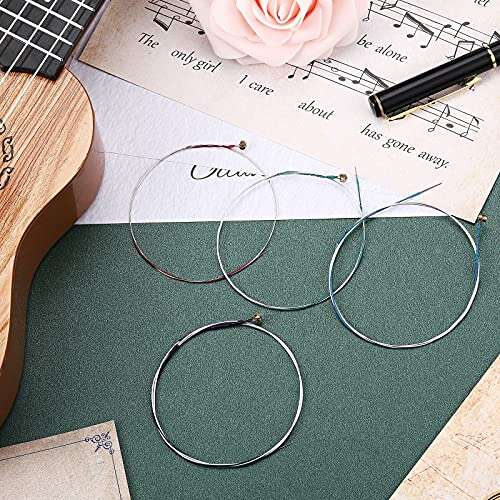
| Violin strings | ₹500–₹8,000+ per set |
| Shoulder rest | ₹500–₹3,000 |
| Rosin | ₹150–₹1,500 |
| Tuning clip or digital tuner | ₹200–₹2,000 |
| Initial setup | ₹500–₹5,000+ |
| Basic repair | ₹500–₹5,000+ |
| Beginner lessons | Varies by teacher and city |
These are broad estimates. Imported strings and accessories can cost much more than local alternatives.
A realistic beginner budget is often ₹8,000 to ₹20,000, including the instrument and essential accessories.

Is a cheap violin worth buying?
A cheap violin can be worth buying when you need a temporary instrument, a child is still testing the hobby, or your budget is very limited. The key question is not only, “How much does it cost?” Ask whether it can be tuned, played, and maintained without constant trouble.
Avoid a violin if:
- The bridge is badly tilted or poorly cut
- The strings sit very high above the fingerboard
- The pegs slip every few seconds
- The fingerboard feels rough
- The bow hair is loose or uneven
- The body has open cracks
- The seller cannot explain the return policy
- The violin has no clear size or specification
A low price becomes expensive if you need repeated repairs or replace the instrument after a few weeks.
The cheapest safe buying approach
If your budget is below ₹5,000, consider these steps:
- Buy from a seller with a clear return policy.
- Ask whether the bridge and soundpost are already fitted.
- Confirm the violin is the correct size.
- Ask a teacher or player to inspect it.
- Budget for new strings if the supplied set is poor.
- Test every string and peg as soon as it arrives.
Do not force a stuck peg or tighten a string far beyond normal pitch. A beginner can break a string or damage the pegbox.
How much does an intermediate or professional violin cost?
An intermediate violin in India commonly costs ₹20,000 to ₹75,000. Professional and advanced instruments may start around ₹75,000 and rise to several lakh rupees.
At this level, buyers usually care about more than basic playability. They may compare:
- Tone color
- Projection
- Response
- Balance across strings
- Ease of shifting
- Comfort of the neck
- Quality of the fittings
- Repair history
- Maker or workshop reputation
A higher price does not guarantee that a violin will suit every player. Tone is personal, and two instruments at the same price can feel very different.
For an advanced purchase, play several instruments with the same bow and similar strings. If possible, ask a teacher or experienced player to listen from a few meters away. Players often hear the sound under the ear differently from listeners in the room.

Acoustic versus electric violin prices in India
Acoustic violins produce sound through the wooden body. Electric violins use a pickup and need an amplifier, headphones, audio interface, or related equipment.
Electric violins in India often cost ₹8,000 to ₹1,00,000 or more. The total setup cost can be higher because the instrument may need:
- Amplifier
- Cable
- Headphones
- Effects unit
- Audio interface
- Power supply or battery
- Silent-practice accessories
An electric violin is not automatically easier for a beginner. It still requires correct posture, bow control, fingering, and tuning. Some low-cost electric models also have unusual neck shapes or weak pickups.
Choose an acoustic violin if you want traditional lessons and natural tone. Choose an electric model when amplification, quiet practice, recording, or stage performance is a central need.
Where can you buy a violin in India?
You can buy from local music shops, specialist violin dealers, online marketplaces, and makers. Each option has different advantages.
Local music shop
A local shop lets you:
- Hold the violin
- Check its size
- Test the pegs
- Inspect the bridge
- Compare instruments
- Ask about repairs
The main limitation is selection. A small shop may have only a few models.
Specialist instrument dealer
A violin-focused dealer may offer better setup and more informed advice. Ask whether the price includes inspection, adjustment, and after-sales service.
Online marketplace
Online sellers often provide more choice and lower prices. However, product photos may not show setup quality. Read the return terms before ordering, and record the unboxing if the seller allows returns for damage or defects.
Individual seller
A used violin can offer strong value, but it needs careful inspection. A cheap used violin with cracks, warped parts, or repair work may cost more than a new student model.

New versus used violin: which costs less?
A used violin may cost 30% to 70% less than a comparable new instrument, but the discount depends on its condition, maker, age, and repair history.
Used instruments can be good choices when:
- A teacher has inspected the violin
- The body has no serious cracks
- The bridge is sound
- The neck is stable
- The pegs work well
- The soundpost is present and correctly fitted
- The seller provides clear ownership and repair details
Be careful with very old violins. Age alone does not prove quality. Some old instruments need expensive restoration, and repair costs can exceed the purchase price.
Ask a qualified violin repairer to inspect any expensive used violin before payment. This is especially important for instruments priced in the tens of thousands of rupees or more.
How to check a violin before buying
Use this quick inspection process in a shop or immediately after delivery.
1. Check the body
Look for open seams, deep cracks, loose purfling, and signs of impact. Small marks may be cosmetic, but structural cracks need professional attention.
2. Check the bridge
The bridge should stand upright and align properly with the instrument. It should not lean sharply toward the fingerboard or tailpiece.
3. Check the strings
The strings should be intact and sit correctly in the bridge and nut. Very old, rusty, or damaged strings may hide the violin’s real sound.
4. Check the pegs
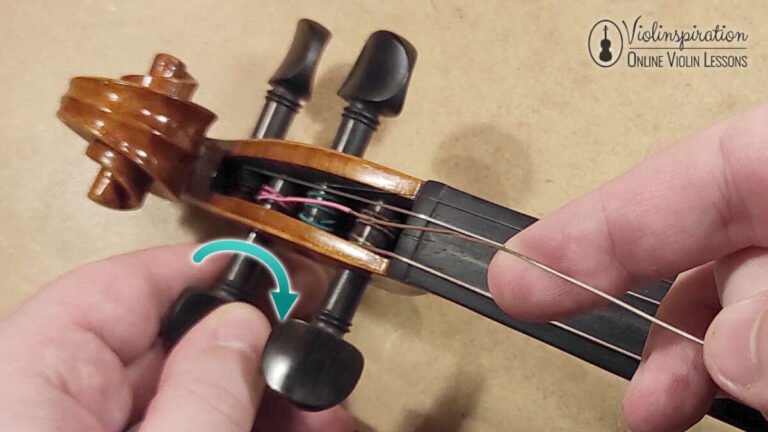
Turn each peg slowly. It should move with control and hold its position. Pegs that slip make tuning frustrating for beginners.
5. Check the fingerboard
The fingerboard should be smooth and properly shaped. Deep grooves or rough edges can affect fingering.
6. Check the bow
Look for even hair, a working frog, and a straight stick. Do not tighten the bow excessively. Loosen it after playing.
7. Ask for a return period
A return policy is useful because some problems appear only after the strings are brought up to pitch and the violin is played for several minutes.

Common mistakes when buying a violin in India
The most common mistake is choosing by price alone. A low number on the product page does not reveal whether the violin has been set up correctly.
Other mistakes include:
- Buying the wrong size
- Assuming every outfit includes a shoulder rest
- Treating “solid wood” as proof of good sound
- Choosing a bright finish instead of a playable instrument
- Ignoring bow quality
- Buying without checking return terms
- Comparing only the violin price and not the total setup cost
- Expecting a beginner violin to sound like a concert instrument
- Tightening strings without proper tuning knowledge
A teacher can often prevent a poor purchase with a short inspection. That small step may save the cost of a replacement.
How much does it cost to maintain a violin?
Routine violin care is usually affordable, but strings and repairs add to the yearly cost.
A player may need to replace strings when they become dull, damaged, or difficult to tune. The replacement schedule depends on practice time, string quality, sweat, and playing style.
Basic care includes:
- Wiping rosin dust from the instrument
- Loosening the bow after use
- Keeping the violin in its case
- Avoiding heat, direct sun, and damp conditions
- Checking the bridge after tuning
- Keeping the case dry and clean
- Avoiding household glue or DIY crack repairs
Do not leave a violin in a hot car. Rapid heat or humidity changes can damage glue joints and wood.

A practical violin budget for India
For most new learners, this is a sensible planning guide:
Low-budget setup: ₹4,000–₹8,000
This may include a basic violin, bow, and case. It suits a short trial period, but setup quality can vary widely.
Comfortable beginner setup: ₹8,000–₹20,000
This is a safer range for regular lessons. It may provide better playability and reduce the chance of an immediate upgrade.
Serious student setup: ₹20,000–₹50,000
This range can suit a committed student who has outgrown a basic instrument. A teacher should help select the violin.
Advanced setup: ₹50,000 and above
At this level, compare individual instruments rather than buying only by brand or specifications. A professional setup and independent inspection become more valuable.
Frequently asked questions
What is the cheapest price of a violin in India?
A basic violin may start at around ₹2,000, but the lowest-priced instruments can have poor setup and weak accessories. For a more usable beginner instrument, plan for at least ₹4,000 to ₹8,000.
Is a ₹5,000 violin good for beginners?
It can be suitable for a beginner if the bridge, pegs, strings, and bow are usable. Ask a teacher or shop technician to check it. At this price, the seller’s setup and return policy matter greatly.
Which violin size is right for an adult?
Most adults use a 4/4 full-size violin. Smaller adults or players with limited reach may prefer a smaller instrument, but size should be checked by arm length and comfort.
Should I buy a violin online in India?
You can buy online, but choose a seller with clear specifications, customer support, and a return policy. A local shop is often safer for a first violin because you can test the size and setup.
How much does a violin bow cost in India?
A basic bow may cost around ₹500 to ₹2,000, while better bows can cost ₹5,000 to ₹15,000 or more. A poor bow can make a decent violin feel difficult to play.
Do expensive violins sound better?
A more expensive violin may offer better materials, response, projection, and consistency, but price does not guarantee that its tone will suit you. Test the instrument and seek experienced advice.
Are Indian violins good?
Some Indian-made violins offer good value, especially when they are properly set up and supported by a local repairer. Judge the individual instrument, not just its country of manufacture.
Final recommendation
For most beginners, a ₹8,000–₹20,000 violin setup is a practical target in India. Spend enough to get a playable instrument, but do not pay a premium for a brand name without testing the violin.
Before buying, confirm the size, inspect the bridge and pegs, check the bow, ask what accessories are included, and review the return policy. If you plan to spend more than ₹20,000, involve a teacher or skilled violin technician. A short inspection can be more valuable than a large discount.

Senior Music Reviewer
Alex Carter is a seasoned music reviewer with over a decade of experience in the world of sound and instruments. Passionate about helping musicians and enthusiasts make informed choices, he brings sharp insights and in-depth knowledge to every review. From classical instruments to modern gear, Alex combines technical expertise with a love for music to deliver content that resonates with readers.
As a Senior Music Reviewer and expert author on Tuneluma.com, Alex is dedicated to sharing honest evaluations, practical advice, and thoughtful commentary to guide readers in their musical journey.