The best guitar strings to buy depend on your guitar, tuning, playing style, and hand comfort. For most players in the United States, the safest starting point is the same type and gauge already fitted to the guitar. Then adjust one factor at a time.
For a steel-string acoustic guitar, start with light or extra-light phosphor bronze strings. For an electric guitar, start with nickel-plated steel strings in a regular light gauge, often .010–.046. For a classical guitar, buy nylon strings made for classical guitars—never steel strings.
String choice affects tone, volume, tuning feel, finger comfort, and how much work your guitar neck must handle. The right set is not the most expensive set. It is the set that fits your guitar and supports the way you play.
Quick answer: Which guitar strings should you buy?
Use this table as a starting point:
| Guitar type | Good starting string | Common starting gauge | Best for |
|---|---|---|---|
| Steel-string acoustic | Phosphor bronze | Extra light or light | Balanced tone and general playing |
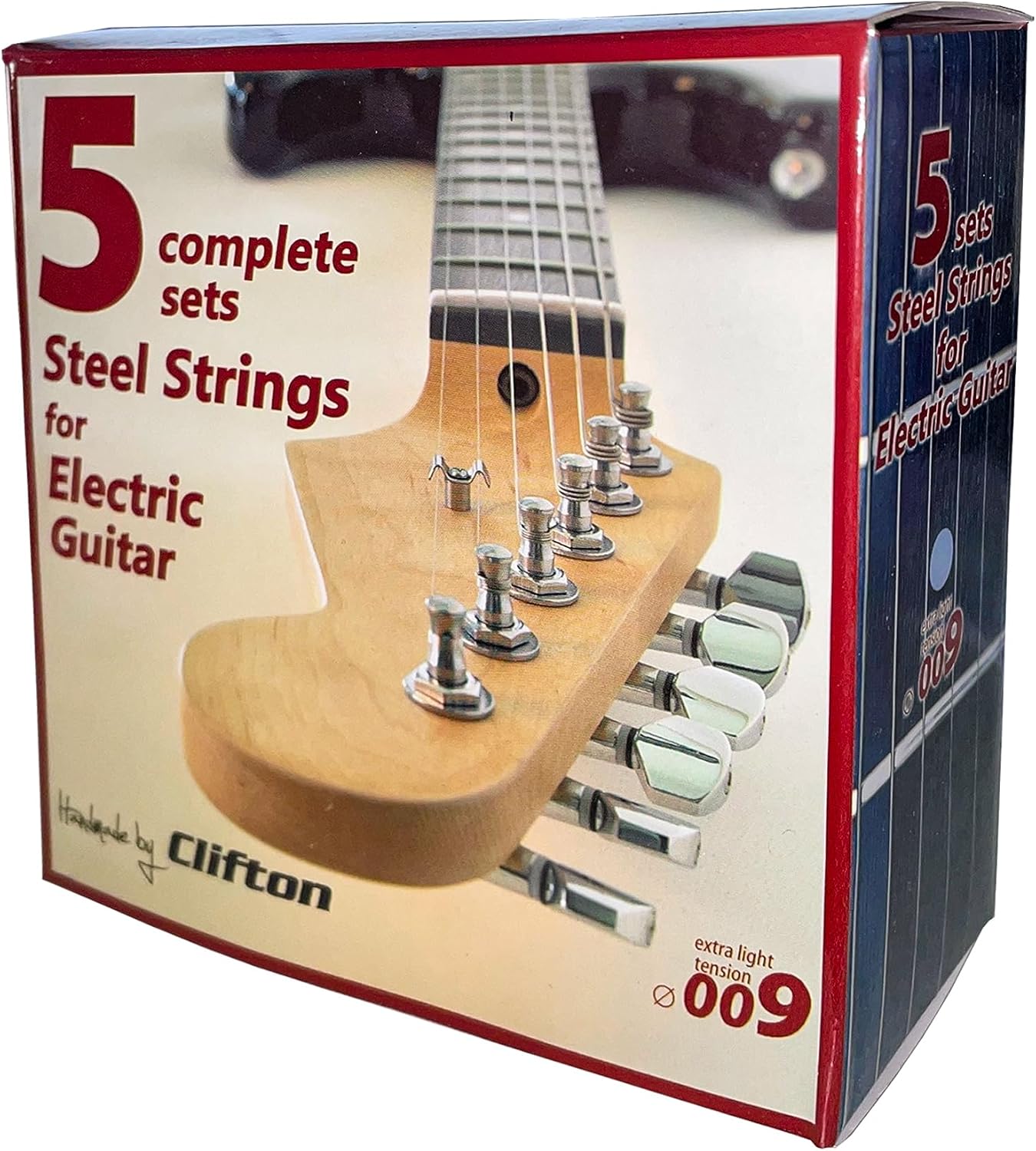
| Electric guitar | Nickel-plated steel | .010–.046 | Rock, pop, blues, and general use |
| Classical guitar | Nylon, normal tension | Not measured like steel sets | Classical, flamenco, and fingerstyle |
| 12-string acoustic | Phosphor bronze | Light or extra light | Lower tension and easier play |
| Baritone guitar | Baritone-specific set | Manufacturer’s range | Lower tunings and longer scale lengths |
| Bass guitar | Nickel-plated steel or stainless steel | Bass-specific set | Electric bass |
The label matters. A package marked acoustic is not automatically suitable for every acoustic guitar. A package marked electric may not work well on an acoustic guitar because the materials and magnetic response differ.
First, match the strings to your guitar
The guitar’s design sets the basic limit. Buy strings made for the instrument before you compare brands, coatings, or tone words.
Steel-string acoustic guitars
Steel-string acoustic strings usually use a steel core wrapped with bronze alloy wire. Common choices include:
- 80/20 bronze: Bright, clear, and often crisp when new.
- Phosphor bronze: Warmer and more balanced.
- Silk and steel: Lower tension and a softer feel, often used on suitable acoustic guitars.
- Monel or nickel-based alloy: A different response that some players prefer for a woody, dry tone.
For a first purchase, phosphor bronze is a practical choice. It works well for strumming, singing, and many fingerstyle styles.
Check the guitar maker’s guidance before using low-tension or special strings. Some guitars are built for standard steel strings, while others use lighter strings or alternative designs.
Electric guitars
Electric guitar strings often use a steel core with nickel-plated steel or another wrap material. The strings interact with magnetic pickups, so electric sets are made for that system.
Common options include:
- Nickel-plated steel: A flexible, balanced starting point.
- Pure nickel: A smoother feel and softer, vintage-style response.
- Stainless steel: A bright sound and strong resistance to some forms of corrosion, but it may feel rougher to some players.
- Flatwound strings: A smooth surface and muted, focused tone.
- Half-round or ground strings: A middle ground between roundwound and flatwound designs.
Nickel-plated steel is the safest default for a first electric guitar set. Move to pure nickel, stainless steel, or flatwounds when you have a clear reason.
Classical and flamenco guitars
Classical guitar strings use nylon or related synthetic materials. They usually have treble strings made from nylon or fluorocarbon and bass strings with a metal wrap around a synthetic core.
Do not put steel strings on a classical guitar. Steel strings create much more tension and can damage the bridge, top, neck, or other parts of the instrument.
Classical sets may be labeled:
- Normal tension
- Low tension
- High tension
- Extra-high tension
Normal tension is a useful first choice. Low tension may feel easier and sound softer. High tension may feel firmer and can produce a stronger attack, but the guitar and player must be suited to it.
Choose the right string gauge
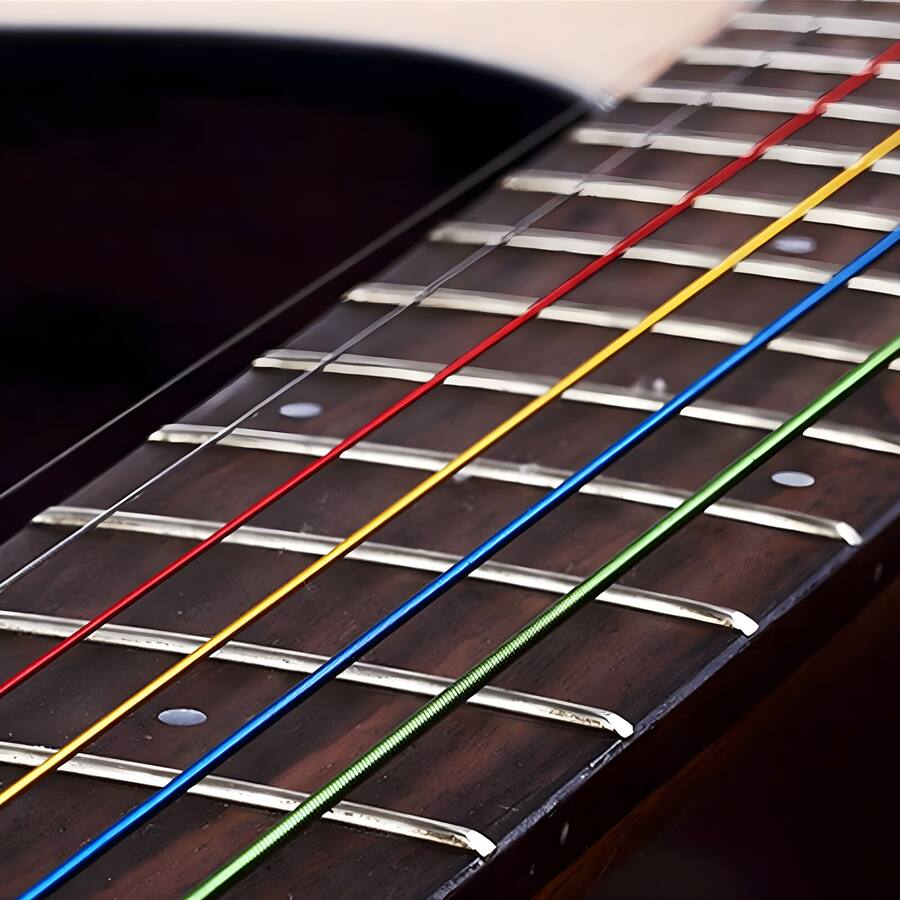
String gauge means the thickness of each string, measured in inches. A set marked .010–.046 has a high E string that is .010 inches thick and a low E string that is .046 inches thick.
Gauge changes:
- Finger pressure
- Bending ease
- Volume
- Sustain
- Tuning stability
- Neck and bridge tension
- The amount of setup adjustment needed
Common electric guitar gauges
| Set name | Typical high-to-low range | General feel |
|---|---|---|
| Extra light | .008–.038 or .009–.042 | Very easy to bend |
| Light | .010–.046 | Balanced starting point |
| Medium | .011–.049 or .011–.050 | Firmer and fuller |
| Heavy | .012 and above | Strong feel and high tension |
Names vary by brand, so read the numbers on the package. One company’s “light” set may not match another company’s set exactly.
Choose extra-light strings if you are new to guitar, bend often, or have hand pain from normal strings. Choose light strings if you want a flexible all-purpose set. Choose medium or heavy strings if you use lower tunings, play hard, or prefer a firmer response.
Common acoustic guitar gauges
Acoustic sets often use labels such as:
- Extra light
- Custom light
- Light
- Medium
- Heavy
Light strings are a common default for full-size steel-string acoustics. Extra-light strings can make fretting easier, but they may produce less volume and a thinner low end. Medium strings can sound strong, but they may need more finger force and may not suit every guitar.
Gauge is not the same as tension
Gauge gives you the string thickness. Tension is the pulling force created when the string reaches pitch.
Two strings with the same gauge can feel different because of:
- Core shape
- Core size
- Wrap material
- String construction
- Scale length
- Tuning
- Coating
A longer-scale guitar usually makes the same string gauge feel tighter at the same pitch. A lower tuning reduces tension, but a heavier gauge may restore some firmness.
A useful gauge change rule
Change one step at a time. For example:
- Move from .010–.046 to .009–.042 if the strings feel too stiff.
- Move from .010–.046 to .011–.049 if they feel too loose.
- Tune the guitar and play it for several days before making another change.
A large gauge change may alter the neck relief, bridge balance, nut fit, and intonation. If the guitar develops fret buzz, high action, poor tuning, or intonation problems, a setup may be needed.
Pick the string material for the sound you want
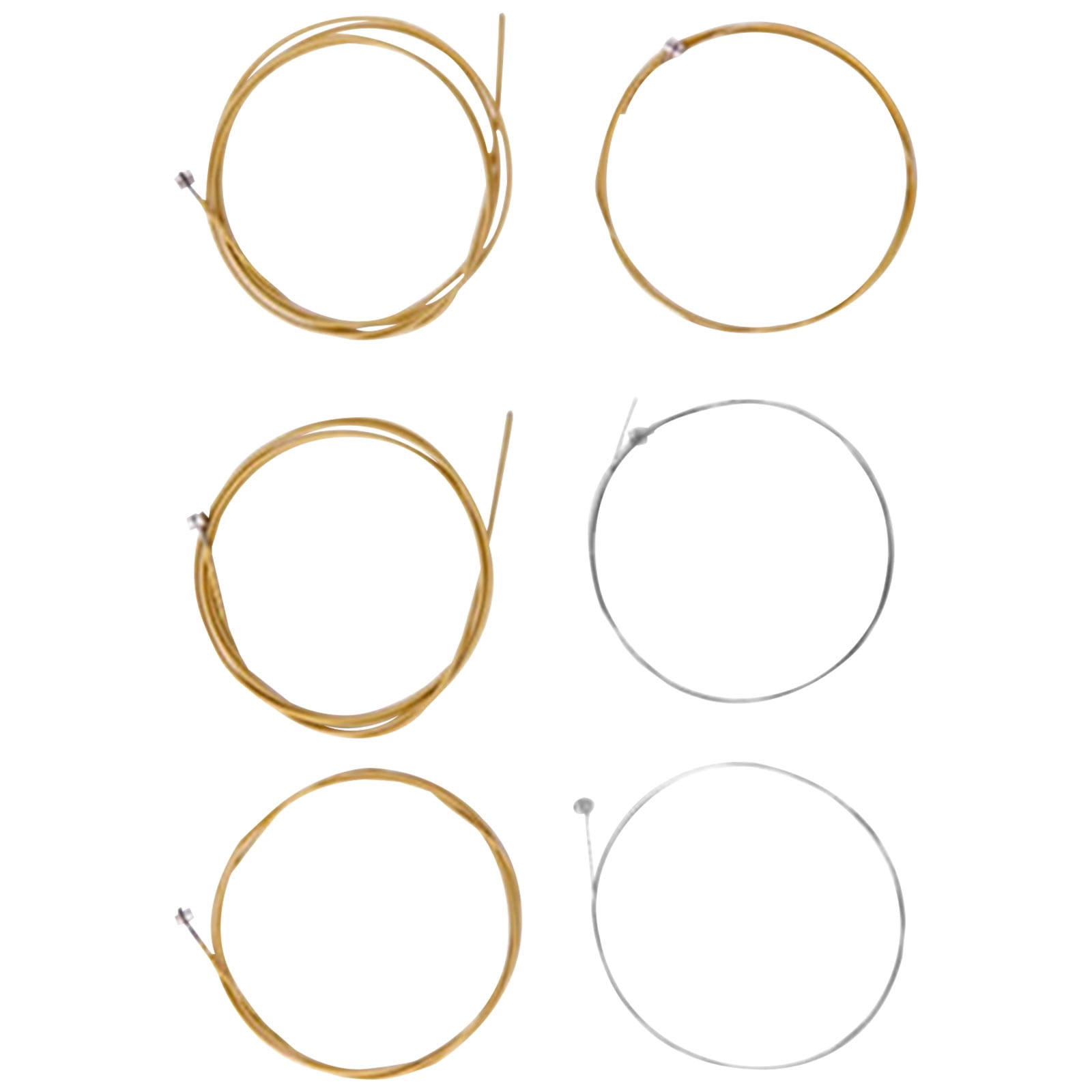
Material changes the tone and feel, but the effect is not separate from your guitar, pickup, pick, amp, and playing style.
Acoustic string materials
80/20 bronze strings often sound bright and strong when new. They can suit strumming and guitars that already have a warm tone.
Phosphor bronze strings often give a more balanced sound. They are a good general choice for players who want both warmth and clarity.
Silk and steel strings use a softer construction and lower tension than many standard steel sets. They can feel gentle under the fingers, but they may not provide the same volume or projection as regular steel strings.
Coated strings have a thin protective layer. The coating can slow the buildup of dirt and corrosion. Some players like their longer usable life, while others dislike the smoother or slightly less raw feel.
Electric string materials
Nickel-plated steel is the most useful starting point for many electric guitar players. It gives a familiar balance of brightness, warmth, flexibility, and pickup response.
Pure nickel can sound less sharp than nickel-plated steel. It may suit blues, classic rock, jazz, or players who want a softer attack.
Stainless steel can sound bright and feel firm. It may also wear some frets faster in certain setups, although fret wear depends on many factors, including playing force and fret material.
Flatwound strings have a smooth surface. They reduce finger noise and produce a round, restrained sound. They are common in jazz and can work well for players who dislike the rough feel of roundwound strings.
Coated or uncoated?
Choose coated strings when:
- Your hands cause strings to rust quickly.
- You play often and want a longer service interval.
- You dislike the feel of old, rough strings.
- You are willing to pay more for the set.
Choose uncoated strings when:
- You want the lowest cost per set.
- You like a bright, raw feel.
- You change strings often.
- You prefer more direct contact with the wrap wire.
Coated strings do not last forever. Dirt, sweat, fret wear, and stretching still affect them. “Longer lasting” does not mean permanent.
Match the strings to your tuning and playing style
Your tuning and technique may matter more than the brand.
Standard tuning
For standard tuning, use the gauge recommended by the guitar maker or the gauge already on the instrument. This reduces the chance of setup problems.
Lower tunings
If you tune an electric guitar to D standard, drop D, or lower, a slightly heavier set can improve tension and reduce loose, floppy strings. Some players use a dedicated set for lower tunings.
Do not assume thicker strings will solve every low-tuning problem. The nut slots, neck relief, bridge setup, and intonation may still need adjustment.
Bending and lead playing
Use lighter strings if you bend often or play fast lead lines. They need less force and can reduce hand fatigue.
Very light strings may make wide bends easier, but they can also feel unstable under a hard pick. They may go sharp when fretted with too much pressure.
Strumming and rhythm playing
Medium or light acoustic strings can provide a firm response for hard strumming. The best gauge depends on the guitar’s design and your attack.
If your strumming sounds harsh, changing the pick, hand position, or attack may help more than changing strings.
Fingerstyle playing
Fingerstyle players often prefer light, extra-light, or custom sets. A lighter treble side can make fretting easier, while a stronger bass side can keep the low notes full.
Some brands sell mixed-gauge sets. You can also buy single strings and build a custom set, but check that the resulting tension suits the guitar.
Slide guitar
Slide playing often benefits from more string height and enough tension to prevent the slide from hitting the frets. A heavier gauge may help, but a proper slide setup matters just as much.
Drop tunings and extended-range guitars
Seven-string, baritone, and extended-range guitars need sets made for their scale length and tuning range. Do not use a standard six-string set unless the maker lists it as suitable.
Understand scale length, bridge type, and guitar setup
The same string set can feel different on two guitars. The main reasons include scale length, action, neck relief, nut slots, and bridge design.
Scale length
Scale length is the vibrating length of the string from the nut to the bridge saddle. A longer scale generally creates more tension at the same pitch and gauge.
This means a .010–.046 set may feel tighter on a Fender-style electric guitar than on a shorter-scale Gibson-style guitar, even when both use the same tuning.
Fixed bridges and tremolo systems
A fixed bridge is usually simple to restring and tune. A tremolo or locking tremolo system can require more setup work when changing gauge.
A large gauge change on a floating tremolo can change the spring balance. The bridge may tilt forward or backward until the system is adjusted.
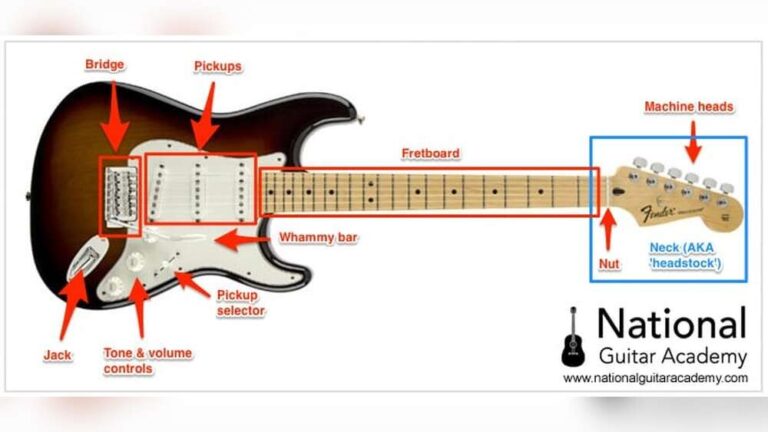
Nut slot fit
The nut is the small guide at the headstock end of the neck. If a new string is much thicker than the old one, it may bind in the nut slot. Signs include:
- A pinging sound while tuning
- A string that jumps sharp
- Tuning that changes after fretting
- A string that does not return to pitch after bending
Do not file nut slots without the right tools and skill. A poorly cut nut can cause permanent problems. A guitar technician can make the change safely.
Neck relief and action
A gauge change can alter the neck’s forward curve, called relief. It can also affect string height, known as action.
Possible signs of a setup issue include:
- New fret buzz
- Strings that feel unusually high
- Notes that fret out during bends
- Intonation that is no longer correct
- A bridge or tremolo that sits at an odd angle
A small change may settle after the strings stretch. A major change may require a professional setup.

Compare common guitar string choices
The table below helps you compare the main options without treating one type as best for every player.
| Choice | Main benefit | Main trade-off | Good starting user |
|---|---|---|---|
| Extra-light gauge | Easy fretting and bending | Less volume and firmness | New players and lead guitarists |
| Light gauge | Balanced feel | Not ideal for every tuning | Most general players |
| Medium gauge | Strong feel and full response | More finger force | Hard strummers and lower tunings |
| Phosphor bronze | Balanced acoustic tone | May sound too warm for some guitars | General acoustic use |
| 80/20 bronze | Bright initial sound | Can lose its edge sooner for some players | Strummers seeking clarity |
| Nickel-plated steel | Flexible electric default | Not the most distinctive option | Most electric players |
| Pure nickel | Smooth, warm response | Less bright attack | Blues and vintage-style tones |
| Stainless steel | Bright sound and firm feel | Can feel rough or bright | Players who prefer strong attack |
| Coated strings | Better resistance to dirt and corrosion | Higher cost and different feel | Frequent players |
| Flatwounds | Smooth feel and low finger noise | Less sparkle and bend response | Jazz and muted tones |
| Nylon | Correct tension for classical guitars | Not suitable for steel-string designs | Classical players |
Brand names matter less than matching the correct category. Common lines from manufacturers such as D’Addario, Ernie Ball, Elixir, Martin, GHS, DR, Fender, and Savarez cover many of these categories, but the exact gauge and construction should guide the decision.

How much should you spend?
String prices vary by construction, coating, material, and pack size. A basic uncoated set is usually the lowest-cost option. Coated, specialty, and custom sets often cost more.
Buy a basic set first if:
- You are still learning what feel you like.
- You change strings often.
- You are not sure whether the guitar needs a setup.
- You want to compare gauges.
Pay more for coated or specialty strings when the extra service life, feel, or tone solves a real problem. A more expensive set is not automatically better for your guitar.
Consider buying several identical sets only after you know the gauge and type work well. This avoids building a drawer full of strings that do not suit your instrument.

How often should you change guitar strings?
Change strings when their sound, feel, or tuning behavior has clearly declined. There is no single schedule that fits every player.
Replace them sooner when:
- The strings look rusty or rough.
- The guitar sounds dull and will not tune well.
- Fretting feels harder than normal.
- The strings leave dark residue on your fingers.
- The strings have visible kinks or damage.
- You are recording or performing and need a known baseline.
Players with sweaty hands may need more frequent changes. Occasional players may go much longer.
Wipe the strings with a clean, dry cloth after playing. Wash and dry your hands before you play. Avoid household cleaners, oils, and solvents unless the guitar and string maker specifically approves them.

Common mistakes when buying guitar strings
Buying by brand alone
A familiar brand can make good strings, but the wrong gauge or instrument type will still be a poor match.
Putting steel strings on a classical guitar
This is one of the most serious errors. Classical guitars are not built for the tension of steel strings.
Changing from light to heavy without checking the guitar
A heavy set may need a nut adjustment, neck adjustment, or bridge setup. Make the change gradually.
Ignoring the tuning
A standard set may feel too loose in a low tuning. Use the tuning and scale length to guide your choice.
Assuming “light” means the same thing everywhere
Read the actual diameter numbers. Packaging labels are not fully standardized.
Changing several variables at once
If you change gauge, material, coating, tuning, and pick at the same time, you will not know what caused the new sound or feel. Change one main variable first.
Choosing strings for tone words alone
Words such as “bright,” “warm,” and “vintage” are useful guides, not guarantees. The guitar, pickups, amplifier, room, pick, and technique all affect the result.
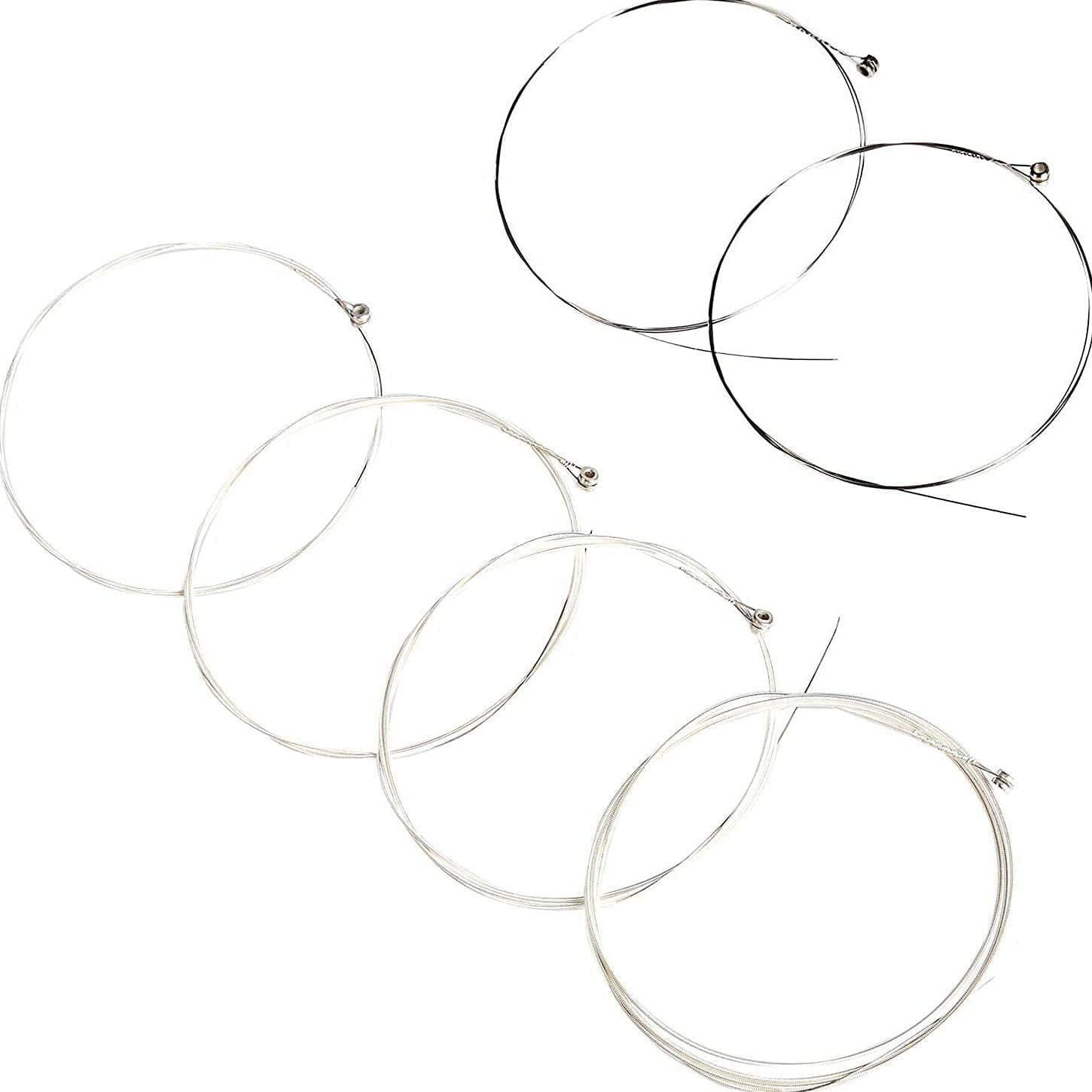
A simple buying process
Follow these steps when you need a new set:
- Identify the guitar type. Is it steel-string acoustic, electric, classical, 12-string, baritone, or bass?
- Check the current string gauge. Look at the old package, the guitar manual, or the manufacturer’s support page.
- Confirm the tuning. Standard tuning and low tuning may need different gauges.
- Choose a basic material. Try phosphor bronze for acoustic guitar or nickel-plated steel for electric guitar.
- Pick a gauge near the current one. This reduces setup risk.
- Decide on coated or uncoated. Base this on corrosion, cost, and feel.
- Buy a spare set. Keep one matching set in the case.
- Install, stretch, and tune the strings. Retune until the pitch stays stable.
- Check for problems. Look for buzz, binding, poor intonation, or unusual bridge movement.
- Record the result. Write down the brand, material, gauge, tuning, and date.
If the new strings feel wrong, return to the last known good set. Then change only one feature.

Frequently asked questions
What are the best guitar strings for beginners?
For a steel-string acoustic guitar, try light or extra-light phosphor bronze strings. For an electric guitar, try nickel-plated steel in a .009–.042 or .010–.046 set. For a classical guitar, use normal-tension nylon strings.
The best beginner set is the one that feels easy enough to play while keeping the guitar in tune.
Are thicker guitar strings better?
No. Thicker strings can sound fuller and feel more stable in lower tunings, but they require more finger force. They may also need a setup. Choose thicker strings for a specific need, not because they are automatically higher quality.
Are lighter guitar strings easier on the fingers?
Usually, yes. Lighter strings need less force to fret and bend. However, very light strings can feel loose, produce less volume, or go sharp when you press too hard.
Can I put acoustic guitar strings on an electric guitar?
Use strings made for the correct instrument. Acoustic and electric sets use different designs and materials. An acoustic set may not work properly with magnetic electric guitar pickups, and it may not feel or intonate as expected.
Do coated strings sound worse?
Not always. Coated strings can sound and feel different from uncoated strings, but the result depends on the guitar and player. Some players prefer their longer usable life, while others prefer the sharper feel of fresh uncoated strings.
Should I use the same strings that came with my guitar?
That is a sensible starting point. The original set gives you a known reference for gauge and tension. Once you know how it feels, you can test one change at a time.
Final recommendation
If you need a safe first purchase, match the current gauge and buy:
- Steel-string acoustic: light phosphor bronze
- Electric guitar: .010–.046 nickel-plated steel
- Classical guitar: normal-tension nylon
- Lower tuning: a set designed for that tuning, often slightly heavier
- Frequent corrosion: coated strings
- Frequent bending or sore fingers: extra-light strings
Check the guitar maker’s specifications before making a large gauge change. Start close to the current setup, keep notes, and let your own hands and ears decide what to try next.

Senior Music Reviewer
Alex Carter is a seasoned music reviewer with over a decade of experience in the world of sound and instruments. Passionate about helping musicians and enthusiasts make informed choices, he brings sharp insights and in-depth knowledge to every review. From classical instruments to modern gear, Alex combines technical expertise with a love for music to deliver content that resonates with readers.
As a Senior Music Reviewer and expert author on Tuneluma.com, Alex is dedicated to sharing honest evaluations, practical advice, and thoughtful commentary to guide readers in their musical journey.