Can You Learn Piano As An Adult: Easy Beginner Guide
Yes, adults can learn piano at any age with steady practice, patience, and clear guidance.
If you wonder, “can you learn piano as an adult?” the answer is a strong yes. Adult learners often bring focus, life experience, and a clear reason for learning. With the right piano lessons, practice plan, and realistic goals, you can build skill without feeling rushed or overwhelmed.
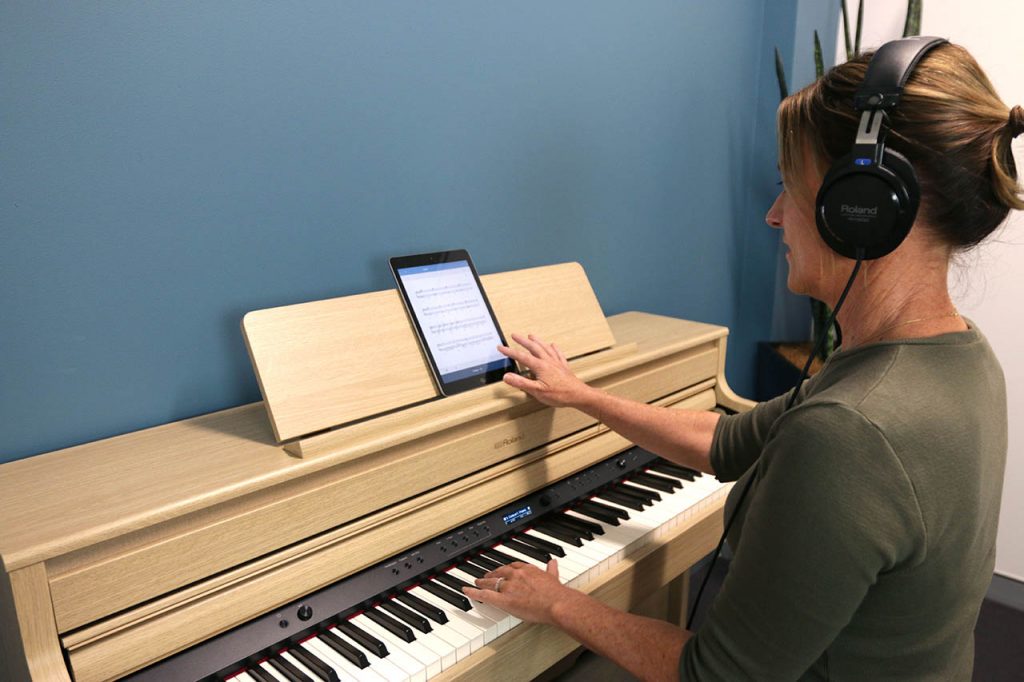
Can You Learn Piano as an Adult?
Yes, you can learn piano as an adult, even if you have never read music or touched a keyboard before. The brain can continue building new skills throughout life. This ability, called neuroplasticity, helps adults form new connections through repeated practice.
Adult piano students may learn differently from children, but “different” does not mean “worse.” Adults often understand patterns, follow instructions well, and practice with a clear purpose. These strengths can make learning more efficient.
You may not become a concert pianist in a few months. However, you can learn songs, play chords, read basic sheet music, improvise, and enjoy the instrument. Progress depends more on consistent practice than on age.

Why Adults Make Successful Piano Learners
Many adults begin piano with concerns about age, memory, or coordination. These concerns are common, but they often come from unrealistic comparisons. You do not need to learn like a child or compete with someone who started at age five.
Adults often have several useful advantages:
• Clear goals: You may want to play worship music, classical pieces, film themes, jazz, or songs for your family.
• Better focus: Adults can often spend 20 focused minutes on one task without constant reminders.
• Strong listening skills: Years of hearing music can help you notice rhythm, pitch, and emotion.
• More patience: Adults may understand that skill grows through small wins.
• Personal choice: You can choose music that truly matters to you.
When people ask, “can you learn piano as an adult?” I encourage them to focus on purpose rather than age. A learner who practices because music brings joy may progress faster than someone who studies only from pressure.
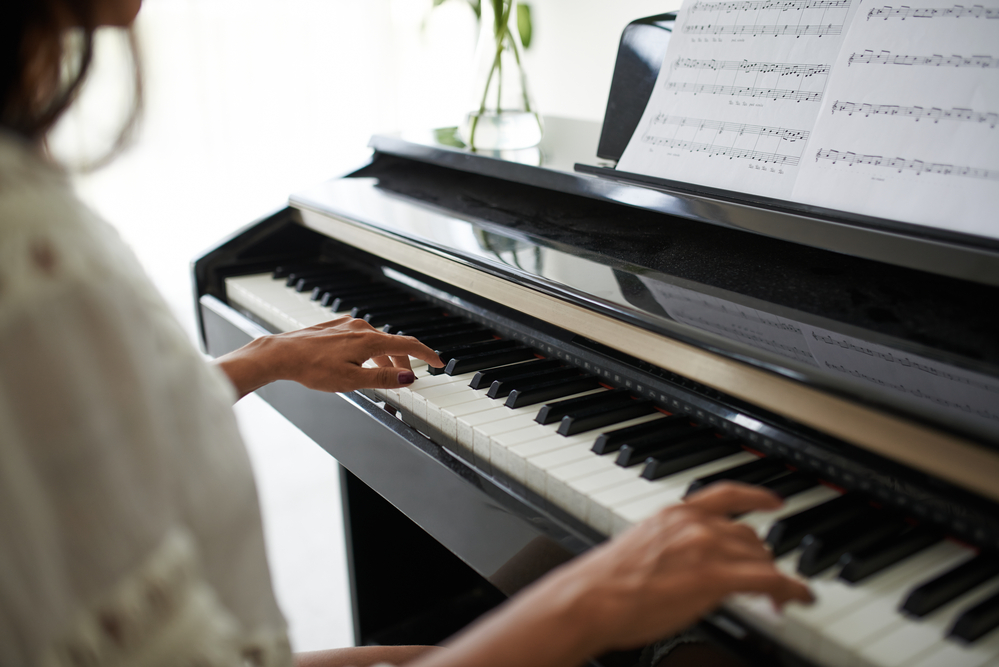
The Main Challenges of Learning Piano as an Adult
Learning piano as an adult is rewarding, but it can feel difficult at first. Your hands may feel stiff. Reading two musical lines at once may seem confusing. You may also become frustrated when your mind understands a passage before your fingers can play it.
These challenges are normal. Piano requires your brain, eyes, ears, and hands to work together. This is similar to learning a new language. At first, you translate every word. With time, common patterns become familiar.
Common adult learning challenges include:
• Limited time: Work, family, and daily tasks can reduce practice time.
• Fear of mistakes: Adults often judge themselves more harshly than children do.
• Slow coordination: Each hand may seem easy alone but difficult together.
• Muscle tension: Stress can cause tight wrists, raised shoulders, or stiff fingers.
• Unrealistic goals: Trying to play a difficult song too soon can damage motivation.
The solution is not to avoid difficulty. The solution is to divide each challenge into small steps. Practice one phrase, one hand, or one rhythm at a time.

How Long Does It Take to Learn Piano as an Adult?
The time needed depends on your goals, practice habits, musical background, and access to guidance. Someone who practices 20 minutes five days a week may improve more steadily than someone who practices for two hours once every two weeks.
Here is a general guide:
• After one month, you may play simple melodies and basic rhythms.
• After three months, you may read easy music and use common chords.
• After six months, you may play several complete beginner songs.
• After one year, you may have stronger rhythm, smoother changes, and better confidence.
These time frames are estimates, not promises. Learning piano as an adult is not a race. Some learners progress quickly with structured lessons, while others need more time because of work, health, or family demands.
Track progress by comparing yourself with your past performance. If a song feels easier this week, that is progress. If your hands relax more quickly, that is also progress.

How to Start Learning Piano as an Adult
A simple plan can make the first month less confusing. You do not need an expensive instrument or a large stack of books. You need a playable keyboard, a good learning method, and a routine you can maintain.
Choose the Right Instrument
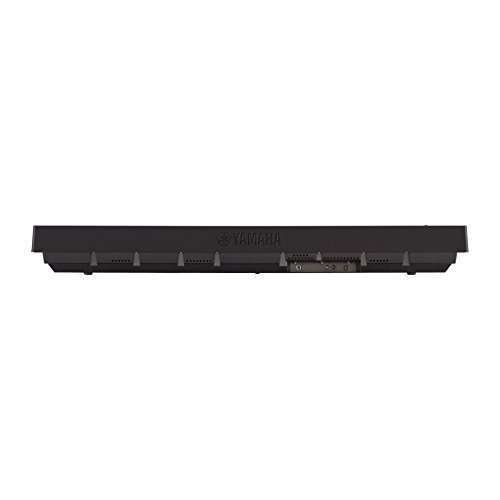
An acoustic piano offers a rich sound and a natural key response. A digital piano may be more practical because it takes less space and often includes headphones, volume control, and recording features.
For a serious beginner, look for:
• Full-size, 88-key design if possible
• Touch-sensitive keys
• Weighted or semi-weighted action
• A comfortable bench at the correct height
• A stand that keeps the instrument stable
A small keyboard can work for basic exploration, but limited keys may become a problem as you advance.
Set a Practical Goal
Choose one clear goal for your first three months. Examples include:
• Playing five easy songs
• Reading simple treble and bass clef notes
• Learning major and minor chords
• Playing while singing
• Performing for a friend or family member
A goal gives your practice direction. It also helps you choose the right lessons and music.
Build a Small Practice Routine
Start with 15 to 30 minutes. A short routine is easier to repeat than a large plan that feels impossible.
Try this structure:
-
Spend three minutes warming up with relaxed finger movements.
-
Spend five minutes reviewing notes, chords, or rhythm.
-
Spend 10 to 15 minutes on a song.
-
Spend two minutes playing something enjoyable.
Regular practice matters more than perfect practice.

The Best Practice Methods for Adult Beginners
Good practice is active. Simply playing a song from beginning to end may feel satisfying, but it does not always fix mistakes. Focused practice targets one problem at a time.
Use these methods:
• Practice slowly: Slow playing gives your brain time to guide each movement.
• Separate the hands: Learn the right and left hands alone before combining them.
• Use small sections: Work on two to four measures instead of the whole song.
• Count aloud: Counting helps you keep a steady beat.
• Repeat correctly: Five accurate repetitions are more useful than 20 rushed attempts.
• Record yourself: A short recording can reveal timing or rhythm issues.
• End with success: Finish your session by playing something you know well.
One mistake I often see with adult beginners is repeating the same error at full speed. The fingers remember repeated movement, even when the movement is incorrect. Slow, careful repetition creates a stronger habit.

Should Adults Take Piano Lessons?
Lessons can help you avoid confusion and develop good technique. A teacher can correct posture, hand position, rhythm, fingering, and tension before small issues become stubborn habits.
A good teacher should:
• Explain ideas in simple language
• Choose music that matches your level
• Respect your musical taste
• Give clear practice tasks
• Adjust lessons to your schedule and goals
Online piano courses can also work well. They offer flexibility and may cost less than private lessons. However, they cannot always notice tension, poor posture, or subtle timing problems.
Many adults benefit from a blended approach. You might take a weekly lesson, use an online tool for practice, and play songs you enjoy between sessions.

Can You Learn Piano as an Adult Without Reading Music?
Yes, you can learn piano as an adult without reading traditional sheet music. Chord charts, lead sheets, tutorials, and ear training can help you play songs. Still, learning basic notation gives you more options and makes it easier to understand rhythm, melody, and harmony.
You do not need to master every musical symbol at once. Begin with:
• The names of the white keys
• Treble clef notes
• Bass clef notes
• Whole, half, and quarter notes
• Rests and bar lines
• Common time signatures
• Basic chord symbols
Think of music notation as a map. You can travel without a map, but a map makes new places easier to explore. Reading music may feel slow at first, but it becomes more natural with regular exposure.

How to Stay Motivated as an Adult Piano Student
Motivation often changes. Some weeks, piano feels exciting. Other weeks, it may feel like another task on a busy schedule. A flexible plan helps you continue during low-energy periods.
Use these ideas:
• Keep the piano visible and easy to reach.
• Practice at the same time each day.
• Play music you already love.
• Mark completed practice sessions on a calendar.
• Celebrate small improvements.
• Join a beginner group or online community.
• Play for a supportive listener.
Do not wait until you feel motivated. Start with five minutes. Motivation often arrives after you begin.
It also helps to accept imperfect practice. A busy adult may miss several days. That does not erase previous progress. Return gently, review easy material, and rebuild your routine.
Common Mistakes Adult Piano Beginners Should Avoid
Learning piano as an adult becomes easier when you avoid habits that slow progress. Most mistakes are not signs of poor ability. They are signs that your practice method needs adjustment.
Avoid these common problems:
• Buying difficult music too soon
• Practicing only songs and ignoring technique
• Playing too fast
• Skipping rhythm practice
• Using excessive finger force
• Practicing for hours without rest
• Comparing your beginning with someone else’s middle
• Changing learning methods every few days
Tension deserves special attention. Keep your shoulders low, wrists flexible, and fingers curved without force. If you feel sharp pain, stop and seek advice from a qualified teacher or health professional. Normal effort may cause mild tiredness, but pain should not be ignored.
The Benefits of Learning Piano as an Adult
Piano offers more than musical skill. It can become a healthy and meaningful part of daily life.
Possible benefits include:
• Mental stimulation through memory and pattern recognition
• Improved hand coordination
• Better rhythm and listening skills
• A creative outlet after work
• Stress relief through focused attention
• Greater confidence from learning a difficult skill
• A way to connect with friends, family, or community
Research on music learning suggests that active practice can support cognitive engagement and coordination. It should not be treated as a cure for medical conditions, but it can be a valuable part of a balanced lifestyle.
The emotional benefit may matter most. After a demanding day, playing piano can shift your attention from worries to sound, movement, and expression.
A Simple 12-Week Adult Piano Plan
A structured plan can help you start without guessing.
Weeks One Through Four
Focus on posture, key names, basic rhythm, and simple melodies. Learn to keep a steady beat and play with relaxed hands.
Weeks Five Through Eight
Add basic chords, simple left-hand patterns, and beginner songs. Begin reading both treble and bass clefs.
Weeks Nine Through Twelve
Work on smoother transitions, dynamics, pedal use, and complete songs. Record yourself once a week to hear your progress.
At the end of 12 weeks, review what feels easier. You may not play every song perfectly, but you should understand more about rhythm, notes, chords, and practice.
Frequently Asked Questions About Can You Learn Piano as an Adult
Can you learn piano as an adult with no musical background?
Yes, you can learn piano as an adult with no previous musical training. Start with basic rhythm, key names, simple songs, and short practice sessions.
Is 30 too old to learn piano?
No, age 30 is not too old to learn piano. Adults in their 40s, 50s, 60s, and beyond can also make meaningful progress with regular practice.
How often should an adult practice piano?
Aim for 15 to 30 minutes on most days. Frequent, focused practice usually works better than one long session each week.
Is it easier to learn piano with a teacher?
A teacher can make learning easier by correcting technique and creating a clear plan. Self-study can work too, but beginners may need extra care with posture, fingering, and rhythm.
Can adults learn piano faster than children?
Adults may learn some concepts faster because they can focus, understand instructions, and connect ideas to past experience. Children may have more free time and fewer fears about making mistakes, so progress varies by person.
Can you learn piano as an adult without owning an acoustic piano?
Yes, a good digital piano can support serious learning. Choose one with full-size keys and touch sensitivity so your technique can grow with you.
What is the hardest part of learning piano as an adult?
Coordinating both hands while keeping steady rhythm is often difficult at first. Slow practice, separate-hand work, and clear instruction make this skill easier over time.
Conclusion
So, can you learn piano as an adult? Absolutely. Your age does not prevent you from learning; inconsistent practice, unclear goals, and poor guidance are much bigger barriers.
Start with a comfortable instrument, choose simple music, and practice for a short time on most days. Treat mistakes as information, not failure. With patience, you can build coordination, read music, play songs, and develop a lasting relationship with the piano.
Choose one song today, schedule your first practice session, and take the first step. Share your goal with a teacher, friend, or fellow learner, and keep exploring helpful piano resources as you grow.

Senior Music Reviewer
Alex Carter is a seasoned music reviewer with over a decade of experience in the world of sound and instruments. Passionate about helping musicians and enthusiasts make informed choices, he brings sharp insights and in-depth knowledge to every review. From classical instruments to modern gear, Alex combines technical expertise with a love for music to deliver content that resonates with readers.
As a Senior Music Reviewer and expert author on Tuneluma.com, Alex is dedicated to sharing honest evaluations, practical advice, and thoughtful commentary to guide readers in their musical journey.