How Heavy Is Upright Piano: Weight Guide
Most upright pianos weigh between 300 and 600 pounds, with some larger models exceeding 800 pounds.
Knowing how heavy an upright piano is helps you plan delivery, moving equipment, floor protection, and safe placement. The exact weight depends on the piano’s height, frame, wood case, strings, and age, so this guide explains the real ranges and the safest way to move one.
How Heavy Is an Upright Piano?
Most upright pianos weigh between 300 and 600 pounds. Smaller models can weigh less, while tall studio and antique upright pianos may weigh 700 pounds or more.
A piano’s weight is spread across many parts. These include the cast-iron plate, wooden cabinet, soundboard, bridges, tuning pins, strings, keyboard, pedals, and action. The cast-iron plate alone can make up a large part of the total weight.
Here are common upright piano weight ranges:
| Upright piano type | Typical height | Average weight |
|---|---|---|
| Spinet piano | 36 to 40 inches | 200 to 300 pounds |
| Console piano | 40 to 44 inches | 300 to 400 pounds |
| Studio upright piano | 44 to 48 inches | 400 to 500 pounds |
| Professional upright piano | 48 to 52 inches | 450 to 600 pounds |
| Tall or antique upright piano | Over 52 inches | 500 to 800+ pounds |
These numbers are useful estimates, not exact rules. A compact piano with a thick iron frame may weigh more than a taller model with lighter construction.
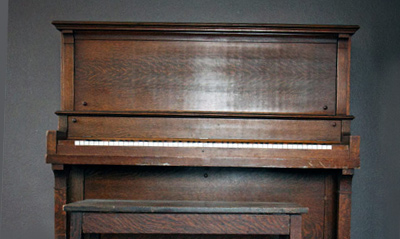
Average Upright Piano Weight by Type
The type of upright piano gives you the best starting point when estimating its weight. Height matters, but it is not the only factor.
Spinet pianos
Spinet pianos are the smallest upright pianos. They usually weigh about 200 to 300 pounds.
Their short cabinets and compact actions make them easier to fit into apartments and small homes. However, a spinet is still heavy enough to cause serious injury if it tips or rolls during a move.
Many older spinets also have dense wood cabinets. This can push the weight toward the upper end of the range.
Console pianos
Console pianos often weigh between 300 and 400 pounds. They are slightly taller than spinets and usually offer a fuller tone.
A console piano is common in homes, schools, and churches. It may look manageable, but its weight is concentrated low in the cabinet and can be difficult to control on stairs.
Studio upright pianos
Studio upright pianos generally weigh 400 to 500 pounds. They are built for stronger tone, longer string length, and more durable use.
Many music teachers and schools prefer studio pianos because they can handle frequent playing. Their larger soundboards and heavier frames also increase the total weight.
Professional upright pianos
Professional upright pianos can weigh 450 to 600 pounds or more. These models are often 48 inches tall or higher.
A taller cabinet allows longer strings and a larger soundboard. It also usually requires a heavier frame to support greater string tension.
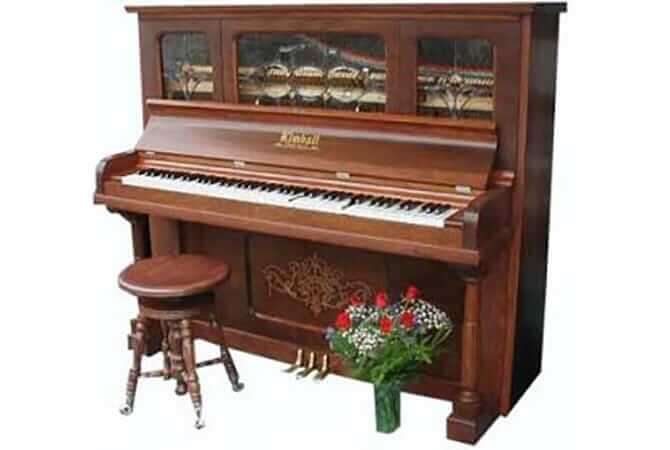
Antique upright pianos
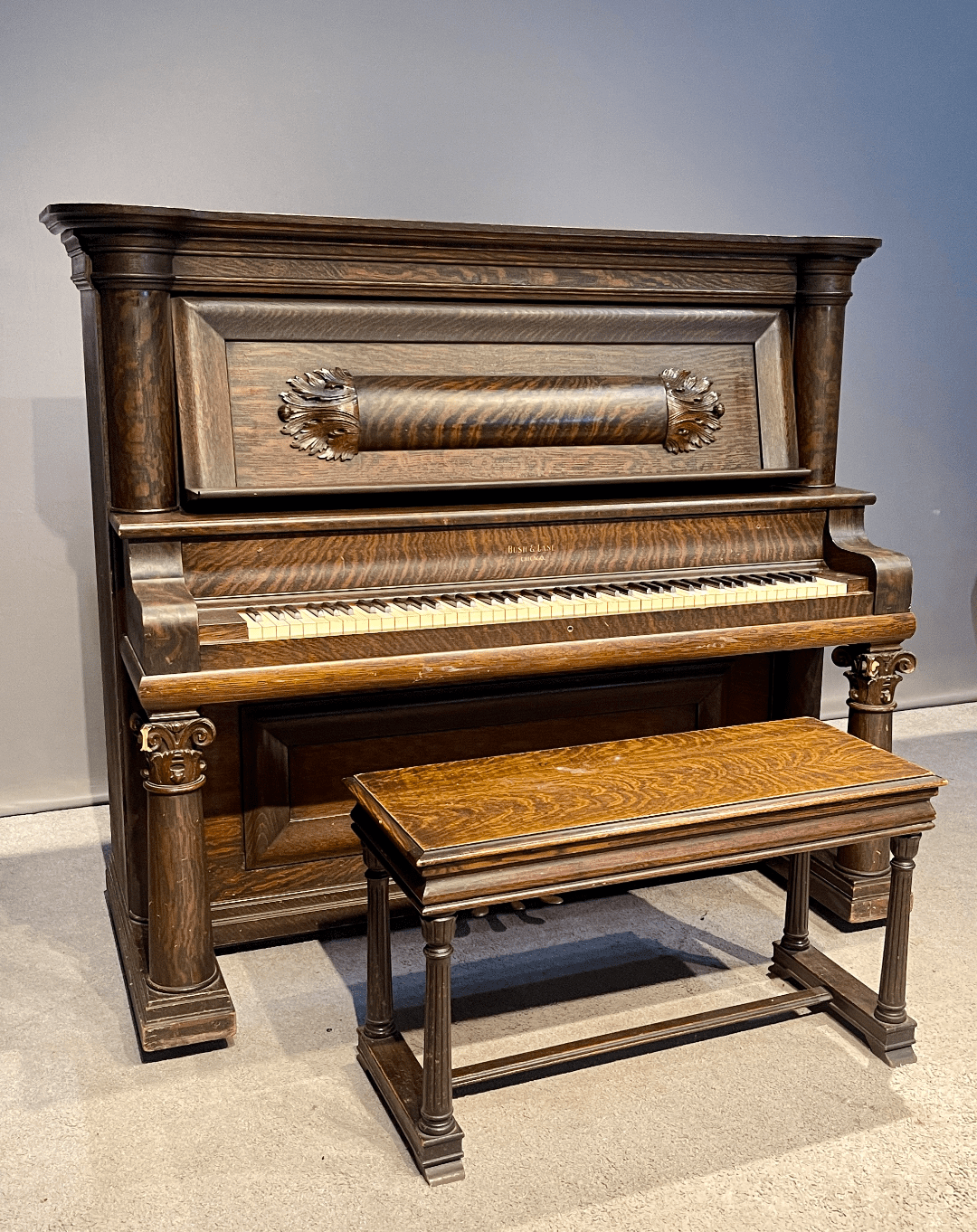
Antique upright pianos vary widely. Some weigh 500 to 800 pounds, while unusually large models can weigh even more.
Older pianos often use thick hardwood, heavy cast iron, and large decorative cabinets. Their ornate fronts may look elegant, but they add real weight.

What Makes an Upright Piano So Heavy?
If you are asking how heavy an upright piano is, it helps to understand what creates that weight. An upright piano is not a simple wooden cabinet. It is a large tension system with thousands of parts.
The cast-iron plate
The cast-iron plate supports the tension of the piano strings. The strings can exert many tons of combined force on the frame.
This plate must be strong and stable. Depending on the model, it may weigh well over 100 pounds.
The wooden cabinet
The cabinet includes the side panels, back posts, front panels, fallboard, key slip, and other wooden parts. Thick hardwood adds strength, but it also adds weight.
Antique cabinets can be especially dense. Decorative carvings, extra panels, and heavy finishes may increase the total.
The soundboard
The soundboard is a thin wooden panel that helps turn string vibration into sound. It is lighter than the iron plate, but its supporting ribs and bridges add more material.
A larger soundboard usually means a larger and heavier piano.
The strings and tuning pins
A piano has more than 200 strings in many full-size models. The strings are made from steel, with bass strings wrapped in copper.
Each string connects to heavy tuning hardware. The combined weight is not the largest part of the piano, but it still contributes to the total.
The action and keyboard
The action contains hammers, jacks, dampers, springs, levers, and felt parts. The keyboard also includes wooden keys, key pins, and the key frame.
These parts are smaller, but there are many of them. Together, they add a meaningful amount of weight.

How Heavy Is an Upright Piano Compared With Other Pianos?
An upright piano is usually lighter than a grand piano but heavier than most digital pianos and keyboards.
A digital piano may weigh 25 to 100 pounds. A portable keyboard can weigh much less. By comparison, even a small upright piano can weigh more than a refrigerator.
Grand pianos are larger and often much heavier. Their weights commonly range from 500 pounds for a baby grand to more than 1,000 pounds for a concert grand.
Here is a simple comparison:
• Portable keyboard: 10 to 40 pounds
• Digital piano: 25 to 150 pounds
• Spinet upright piano: 200 to 300 pounds
• Console upright piano: 300 to 400 pounds
• Studio upright piano: 400 to 500 pounds
• Large upright piano: 500 to 800+ pounds
• Baby grand piano: 500 to 700 pounds
• Concert grand piano: 1,000 to 1,400+ pounds
This comparison explains why moving an upright piano requires more care than moving normal furniture. Its weight is only part of the challenge. The piano is tall, narrow, fragile, and difficult to grip.

How to Find the Exact Weight of an Upright Piano
The most accurate answer to how heavy an upright piano is comes from the manufacturer’s specifications. You can often find this information in the owner’s manual, product listing, or original sales documents.
Try these steps:
-
Find the brand and model number.
Look inside the lid, on the back, near the keyboard, or on the metal plate. The model number may be short and easy to miss.
-
Search the manufacturer’s product data.
Many piano makers publish dimensions and shipping weights. Be sure to check whether the listed number is the piano’s net weight or shipping weight.
-
Ask a piano dealer or technician.
A qualified professional may recognize the model and provide a reliable estimate.
-
Check moving records.
If the piano was recently delivered, the invoice may list its packed weight.
-
Use a weight estimate only for early planning.
An estimate is fine for a rough discussion. It is not enough when choosing lifting equipment or deciding whether a floor can support the piano.
Shipping weight can include the crate, padding, pallet, or moving hardware. It may be 50 to 150 pounds higher than the piano’s actual weight.
Can a Floor Support an Upright Piano?
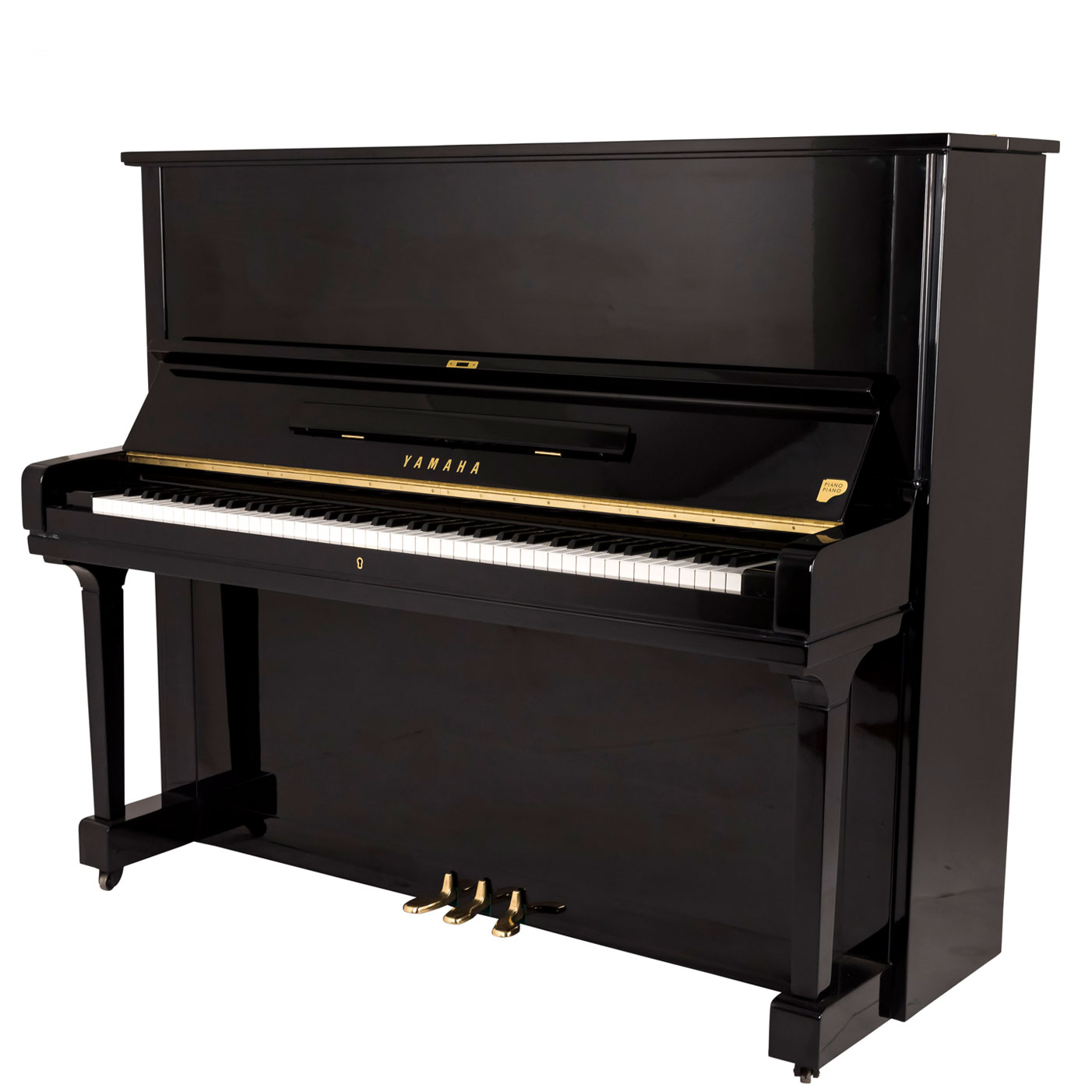
Most properly built residential floors can support an upright piano. Still, placement matters, especially in older homes or buildings with unusual construction.
An upright piano places a heavy load over a relatively small footprint. A 500-pound piano may rest on four small casters, which concentrates pressure on limited areas of the floor.
Keep these factors in mind:
• Place the piano near a load-bearing wall when practical.
• Avoid soft or damaged flooring.
• Use proper piano caster cups or protective pads.
• Do not place the piano over a weak crawl-space area without advice.
• Ask a structural engineer about unusual floors, raised platforms, or historic buildings.
A piano technician can help assess placement, but a technician is not a substitute for a structural engineer when there is a serious building concern.
In my experience, floor damage is more common during movement than from the piano simply sitting in one place. A small caster can dent hardwood, crack tile, or leave marks in vinyl flooring.
How Heavy Is an Upright Piano to Move?
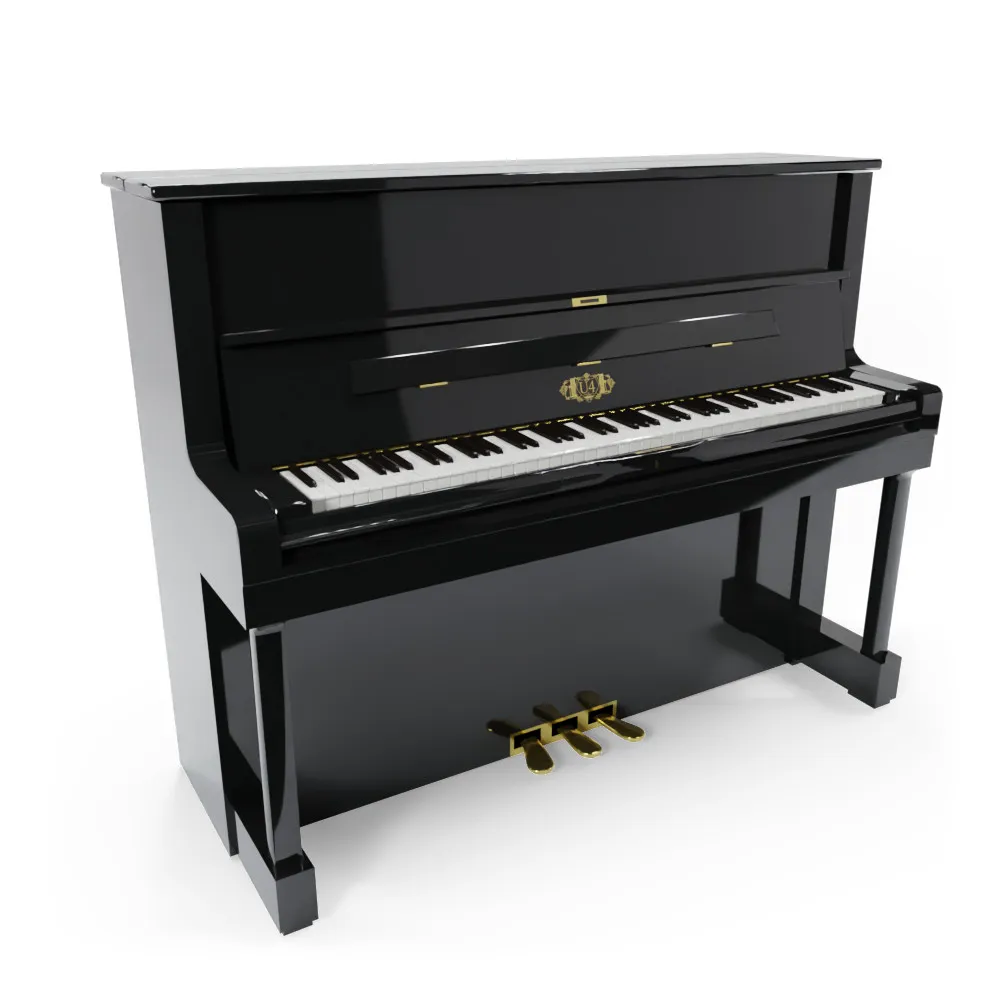
The weight of an upright piano is difficult to manage because the piano is tall and its center of gravity is high. A 400-pound piano can feel much harder to control than a flat object of the same weight.
Professional piano movers use equipment such as:
• A heavy-duty piano dolly
• Four-wheel moving boards
• Padded piano straps
• Stair-climbing equipment
• Moving blankets
• Door and floor protection
• Ramps and loading boards
A piano should stay upright during most moves. Laying it down may be possible in special situations, but it can increase the risk of cabinet damage and movement inside the action.
Why stairs are risky
Stairs create the greatest danger. The movers must control both the piano’s weight and its balance.
Never try to carry an upright piano down stairs with a few friends and household straps. The piano can slide, tip, or crush someone before anyone has time to react.
Why narrow doorways are challenging
The piano may fit through a doorway in theory but still be impossible to turn safely. Measure the piano, doorway, hall, stairwell, and landing before moving day.
Remove doors only when needed and only if you know how to reinstall them safely. Protect corners, walls, trim, and floors along the entire route.

How Many People Are Needed to Move an Upright Piano?
The number of people depends on the piano’s weight, route, stairs, and equipment. For a short move across a flat surface, two trained movers may handle a small upright with the right dolly.
A larger piano or a route with steps may require three or four professional movers. The goal is not simply to provide more muscle. The goal is to keep the piano stable and control its direction.
Two important lessons are easy to overlook:
• Never lift by the pedals, legs, music desk, or keyboard cover.
• Never rely on the casters for a long-distance move.
Old piano casters may be weak, seized, or decorative. They can fail without warning. A professional piano board and straps spread the load and give movers better control.
Safe Upright Piano Moving Steps
If you need to move an upright piano, planning is more important than strength. Use this process to reduce risk.
Before moving day
Measure every part of the route. Include door width, ceiling height, stair width, turns, elevators, and outdoor paths.
Inspect the piano for loose legs, damaged casters, cracked boards, or unstable panels. Tell the movers about any known damage before they begin.
Protect the floor with rigid sheets or suitable moving panels. Blankets alone may not prevent caster dents.
During the move
Secure the keyboard cover and close the lid. Wrap the cabinet with moving blankets, but do not cover the piano so tightly that movers lose their grip.
Keep the piano strapped to a proper dolly or piano board. Move slowly and use clear commands so every person acts together.
Keep fingers away from the underside and corners. A piano can shift suddenly when crossing a threshold.
After placement
Do not immediately judge the piano’s tuning. Moving changes temperature, humidity, and string tension.
Allow the piano to settle in its new location. Then have a piano technician inspect and tune it, especially if the move was long or involved stairs.

Upright Piano Weight and Transportation Costs
How heavy an upright piano is can affect moving cost, but weight is not the only price factor. Movers also consider distance, stairs, elevators, narrow turns, and the need for special equipment.
A short ground-floor move may cost less than moving a smaller piano through three flights of stairs. Long-distance shipping adds packing, loading, insurance, and climate concerns.
Ask the moving company these questions:
• Do you specialize in piano moving?
• Is the quote based on the exact route?
• Does the price include stairs and elevators?
• Is the piano insured during transport?
• What equipment will you use?
• Are there extra fees for narrow doors or difficult turns?
• Do you provide floor and wall protection?
A low quote may not be a bargain if the mover lacks piano equipment. Damage to a piano, floor, wall, or person can cost far more than hiring trained movers.
Common Mistakes When Moving an Upright Piano
Many moving problems come from rushing. People often underestimate how heavy an upright piano is because it looks like a tall piece of furniture.
Avoid these mistakes:
• Moving it with a standard furniture dolly.
• Pulling it by the keyboard or music desk.
• Using old casters on uneven ground.
• Failing to measure the route.
• Forgetting to protect hardwood floors.
• Carrying it down stairs without professional equipment.
• Tying it loosely inside a truck.
• Leaving the piano unsecured during transport.
• Assuming a piano will stay tuned after every move.
One mistake I have seen repeatedly is focusing on the piano’s total weight but ignoring its shape. A long, low object can be easier to move than a tall upright piano because it is easier to balance. Upright pianos behave more like a heavy refrigerator with delicate parts inside.
Does Piano Weight Affect Sound Quality?
Weight alone does not determine sound quality. A heavier piano may have a larger plate, longer strings, a bigger soundboard, or a stronger cabinet, but design and condition matter just as much.
Important factors include:
• Soundboard condition
• String length
• Bridge design
• Hammer shape and hardness
• Action regulation
• Tuning stability
• Cabinet construction
• Brand and model design
A well-maintained 400-pound upright piano can sound better than a neglected 600-pound piano. Weight can offer clues about construction, but it is not a direct measure of musical quality.
If you are buying a used piano, have a piano technician inspect it. Look for cracks in the soundboard, loose tuning pins, worn hammers, rust, damaged bridges, and signs of water damage.
How Heavy Is an Upright Piano for Recycling or Disposal?
A piano can weigh hundreds of pounds, so disposal requires careful planning. Many waste services will not accept an upright piano through normal curbside collection.
Possible options include:
• Selling or donating a playable piano
• Contacting a piano restoration shop
• Hiring a piano removal company
• Asking a recycling center about metal parts
• Checking local bulky-item rules
Some removal companies dismantle the piano in sections. This may reduce the weight of each piece, but dismantling can damage the instrument and should be left to trained workers.
Do not cut or remove the cast-iron plate without proper tools and safety planning. The plate may be under stress, and broken pieces can be extremely heavy and sharp.
Practical Checklist Before Buying or Moving an Upright Piano
Use this checklist before you commit to a piano.
• Find the brand, model, and serial number.
• Confirm the actual or estimated weight.
• Measure the piano’s height, width, and depth.
• Measure every doorway and stair section.
• Check the condition of the floor.
• Inspect casters, legs, pedals, and panels.
• Get a written moving quote.
• Confirm insurance coverage.
• Plan the final location before delivery.
• Schedule tuning after the piano settles.
This process takes a little time, but it prevents expensive surprises. It also helps movers give you a more accurate quote.
Frequently Asked Questions About How Heavy Is an Upright Piano
How heavy is a small upright piano?
A small spinet upright piano usually weighs about 200 to 300 pounds. Some compact models may fall slightly outside this range because of differences in the frame and cabinet.
How heavy is a full-size upright piano?
A full-size upright piano commonly weighs 400 to 600 pounds. Large professional or antique models can weigh 700 pounds or more.
Can two people move an upright piano?
Two trained movers may move a small upright across a short, flat route with proper equipment. Stairs, tight turns, or a large piano usually require more movers and specialized tools.
Can an upright piano be laid on its side?
An upright piano can sometimes be placed on its side for a carefully planned move, but keeping it upright is usually safer. The piano must be secured properly to reduce cabinet and action damage.
Will moving an upright piano damage it?
A careful professional move should not damage the piano. Poor lifting, sudden tipping, weak casters, rough roads, or unsecured transport can damage the cabinet, action, pedals, strings, or tuning stability.
Does an upright piano need tuning after it is moved?
Most upright pianos should be tuned after moving, especially after a long trip or a major change in humidity. Many technicians recommend allowing the piano to settle before tuning it.
How heavy is an old upright piano?
An old upright piano may weigh 500 to 800 pounds, although some are lighter. Thick wood, large iron plates, and decorative cabinets often make antique models heavier than modern compact pianos.
Conclusion
Most upright pianos weigh between 300 and 600 pounds, but small spinets may weigh around 200 pounds and large antique models may exceed 800 pounds. The cast-iron plate, hardwood cabinet, soundboard, strings, and action all contribute to the total.
Before moving one, identify the model, measure the route, protect the floor, and hire trained piano movers for stairs or long distances. Treat the piano like a delicate machine, not ordinary furniture. Use these weight ranges to plan wisely, and share your piano-moving experience or questions in the comments.

Senior Music Reviewer
Alex Carter is a seasoned music reviewer with over a decade of experience in the world of sound and instruments. Passionate about helping musicians and enthusiasts make informed choices, he brings sharp insights and in-depth knowledge to every review. From classical instruments to modern gear, Alex combines technical expertise with a love for music to deliver content that resonates with readers.
As a Senior Music Reviewer and expert author on Tuneluma.com, Alex is dedicated to sharing honest evaluations, practical advice, and thoughtful commentary to guide readers in their musical journey.