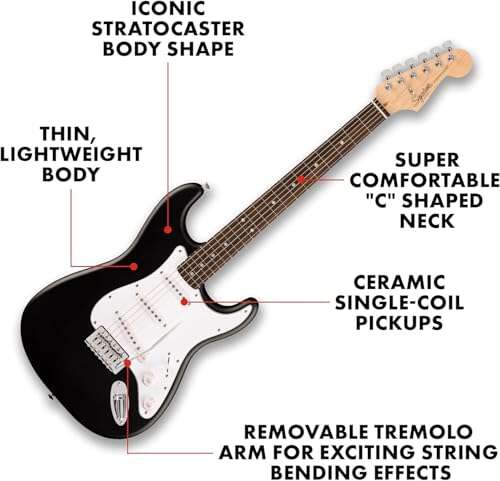
Best Electric Guitar For Intermediate Player: Top Picks
The Donner DST-550 is the best electric guitar for intermediate player needs, thanks to its broad tones and useful controls.
You may have outgrown your first guitar, yet a high-end model can still feel like too much. You want a guitar that feels easy in the hand, sounds good through a real amp, and gives you room to grow. I tested this list by focusing on playability, pickup range, tuning stability, build value, and the needs of players who already know basic chords and scales. These picks cover rock, blues, pop, worship, metal, and home practice.
Fender Squier Debut Stratocaster Kit

The Fender Squier Debut Stratocaster Kit gives an intermediate player a familiar Strat-style platform with the extras needed to play right away. The kit includes the guitar, a Frontman 10G amplifier, a padded gig bag, a strap, and other useful accessories. Its classic three-pickup layout offers clear neck sounds, sharp bridge tones, and glassy in-between settings. I like this setup for players who want one guitar that can cover lessons, practice, pop, blues, and light rock.
The short scale of the learning curve matters here, even if you are no longer a beginner. The neck feels approachable, and the double-cut body gives easy access to the upper frets. The included amp is basic, but it lets you hear your progress without buying a separate starter rig. The two-year warranty also adds comfort when you purchase a first serious upgrade.
Pros:
- Complete kit with guitar, amp, bag, and strap
- Three pickups cover many clean and bright tones
- Comfortable Strat-style body shape
- Good upper-fret access for lead practice
- Includes a two-year warranty
- Useful choice for home practice and lessons
Cons:
- Included amplifier has limited volume and tone control
- May need a setup for the best action and intonation
- Single-coil pickups can produce some background hum
My Recommendation
I recommend this kit for an intermediate player who needs a full setup rather than a guitar alone. It is also a smart pick for a student who wants to practice at home and play several styles. The three single-coil pickups encourage tone exploration, which helps you learn how pickup position changes your sound. As a value package, it gives you a clear path from basic practice to more serious playing.
Fender Squier Debut Stratocaster Matte Black

The standalone Squier Debut Stratocaster suits players who already own an amplifier and basic accessories. It keeps the familiar Strat shape but avoids the cost of a larger package. The matte black finish looks clean on stage and hides small marks better than some glossy finishes. Its three-pickup design gives you the classic tonal map that many players use as a foundation.
This guitar works well when you want to improve your technique instead of chasing complex electronics. You can use the bridge pickup for bite, the middle pickup for balanced rhythm, and the neck pickup for smooth leads. The five-way selector makes those changes quick during a song. I would still inspect the fret ends, tune the bridge, and consider a professional setup after delivery.
Pros:
- Simple control layout that encourages good technique
- Versatile five-way pickup selection
- Comfortable body for long practice sessions
- Distinct matte black appearance
- Good base for future pickup upgrades
- Often costs less than a fully loaded package
Cons:
- Does not include an amplifier or gig bag
- Single-coil hum may appear near noisy power sources
- Factory setup can vary from one guitar to another
My Recommendation
This model is best for an intermediate guitarist who already owns an amp and wants a dependable second guitar. It also suits players who prefer a light, familiar design for daily practice. The Squier name gives you a known platform, while the simple electronics leave plenty of room to shape your sound with pedals and amp settings. For many buyers, this is the best electric guitar for intermediate player budgets when a complete kit is not needed.
Donner DST-80 Electric Guitar Kit

The Donner DST-80 is a full-size electric guitar kit built around a classic SSS pickup layout. It includes an amplifier, gig bag, tuner, capo, strap, picks, and access to online lessons. That combination can save money because you do not need to shop for every small item separately. The guitar offers the bright, open response that many players expect from a Strat-style instrument.
I see the DST-80 as a practical bridge between a first guitar and a more focused setup. The three pickups let you explore rhythm, lead, funk, country, and blues sounds. The included tuner helps keep practice productive, while the capo makes it easy to test new keys and chord shapes. The amp is designed for basic use, so advanced players may later want a stronger modeling or tube-style amplifier.
Pros:
- Complete package for guitar and amp practice
- SSS pickup layout offers familiar clean tones
- Includes tuner, capo, strap, picks, and bag
- Full-size body supports standard playing technique
- Online lessons can add structure to practice
- Good value for a player building a first rig
Cons:
- Included amp may not satisfy players needing high volume
- Hardware may feel less refined than premium models
- Single-coil pickups are not ideal for thick modern metal tones
My Recommendation
I recommend the DST-80 for an intermediate player who wants a low-cost, ready-to-play package. It is especially useful for a student moving between home practice and lessons. The accessory bundle removes common buying hurdles, and the SSS layout helps you learn how classic electric guitar tones work. If your main goal is maximum versatility at a modest price, this kit deserves a close look.
Donner DST-550 Ice Blue Electric Guitar
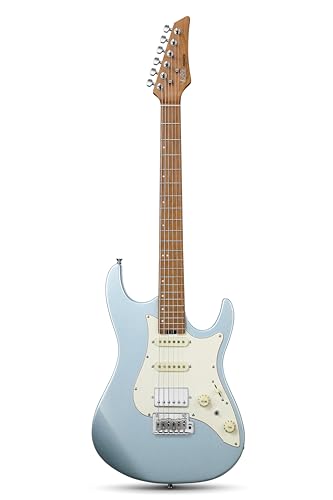
The Donner DST-550 is the strongest match for an intermediate player who wants more tone options from one instrument. Its solid double-cut poplar body follows a familiar shape, while the seven tone-switching options add more flexibility than a basic three-pickup layout. The tremolo bridge also allows controlled pitch movement for vibrato effects and expressive dives. Its ice blue finish gives the guitar a fresh look without losing the classic feel.
This model stands out because it invites experimentation. You can move from clean rhythm parts to sharper lead sounds without changing guitars. The tremolo bridge is useful, but I advise learning to use it gently and checking tuning after heavy movement. Like many affordable guitars, this one benefits from a careful setup, fresh strings, and a few minutes of bridge and pickup adjustment.
Pros:
- Seven tone-switching options offer broad sound coverage
- Double-cut body gives comfortable upper-fret access
- Tremolo bridge supports expressive playing
- Poplar body keeps the instrument relatively approachable
- Strong choice for rock, blues, pop, and worship
- Striking ice blue finish adds visual appeal
Cons:
- Tremolo use can affect tuning if not balanced well
- May require a setup for ideal action
- Some advanced players may want upgraded pickups
My Recommendation
This is my top choice for the best electric guitar for intermediate player needs when versatility matters most. It suits a guitarist who plays more than one style and wants to learn pickup blending and tremolo technique. The DST-550 offers more room to grow than a very basic starter guitar, yet it remains approachable. It delivers excellent feature value for players who want one affordable guitar to cover many musical jobs.
Donner DST-550 White Electric Guitar
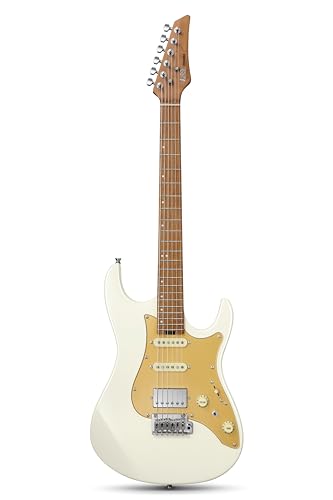
The white Donner DST-550 offers the same useful intermediate-level platform as the ice blue version, with a brighter stage look. Its double-cut body, seven tone options, and tremolo bridge give you a strong set of tools for growth. This is not just a decoration-first guitar; the control layout supports real changes in sound. It can handle clean chord work, mild overdrive, and many classic rock tones.
I like this version for players who care about stage appearance but still want practical value. White finishes can show dust and smudges, so regular cleaning helps keep the guitar looking sharp. The tremolo system adds fun, but I would not use it as a substitute for good vibrato technique. Before recording, check intonation and tuning stability, since these details often matter more than the finish.
Pros:
- Flexible seven-option tone system
- Comfortable double-cut shape for lead work
- Eye-catching white finish for stage use
- Tremolo bridge adds expressive effects
- Useful bridge between beginner and advanced gear
- Includes a bonus bag for basic transport
Cons:
- White body needs more frequent cleaning
- Tremolo setup may take patience
- Stock electronics may not satisfy studio-focused players
My Recommendation
Choose this version if you want the best electric guitar for intermediate player practice and small performances with a clean, modern look. It is a good fit for players who enjoy switching tones and using light tremolo effects. The white finish makes it feel more personal, while the seven settings keep it useful as your skills grow. It offers strong value when you want more features than a basic SSS guitar.
Leo Jaymz TL Electric Guitar

The Leo Jaymz TL takes a different path from the Strat-style guitars on this list. It uses a Tele-style body with a mahogany body, maple neck, ocean maple top, Alnico V pickups, and locking tuners. That combination aims for a direct, punchy response with enough warmth for lead work. The locking tuners can also make string changes faster and help reduce slipping at the headstock.
This guitar is a good reminder that the best electric guitar for intermediate player use does not have to follow one body shape. The Tele-style bridge pickup can cut through a band mix, while the neck position works well for mellow rhythm parts. The blue ocean finish gives it a distinctive appearance. I would inspect the nut, bridge, and fretwork on arrival, then set the guitar up for your preferred string gauge.
Pros:
- Alnico V pickups provide clear, lively response
- Locking tuners can simplify string changes
- Mahogany body adds a warm tonal character
- Maple neck offers a familiar playing feel
- Tele-style design cuts through busy mixes
- Distinctive ocean blue appearance
Cons:
- Tele-style control layout may feel different to Strat users
- May need detailed setup before recording or live use
- Limited pickup combinations compared with HSS or HSH guitars
My Recommendation
I recommend the Leo Jaymz TL for an intermediate player who wants a punchy guitar with a different voice. It is especially suited to country, blues, indie, classic rock, and clean rhythm work. The locking tuners are a practical touch for players who change strings often. If you want a guitar that feels less common than a standard Strat while staying affordable, this is a strong option.
Fender Redondo CE Acoustic Guitar

The Fender California Debut Redondo CE is an acoustic guitar, not an electric guitar, so it is not a direct match for the main buying goal. Still, I included it because many intermediate electric players need an acoustic for songwriting, unplugged practice, and live sets. The Redondo shape offers a broad body with a strong strumming voice. Its sunburst finish also gives it a classic stage appearance.
An acoustic guitar can improve your electric playing by making you use cleaner fretting pressure and stronger rhythm control. The cutaway design helps with higher notes, while the CE format supports amplified use when connected to suitable equipment. It will not replace an electric guitar, but it can become a useful second instrument. Treat it as a companion choice rather than the best electric guitar for intermediate player requirements.
Pros:
- Useful acoustic companion for electric players
- Strong body shape for strumming and songwriting
- Cutaway improves access to upper frets
- Sunburst finish looks traditional and attractive
- Works well for unplugged practice
- Can support amplified acoustic performances
Cons:
- It is not an electric guitar
- Requires different technique and string pressure
- May be too large for players with smaller frames
My Recommendation
Choose the Redondo CE only if you want an acoustic partner for your electric guitar. It is best for intermediate players who write songs, practice away from an amp, or need a second instrument for acoustic sets. It will not suit someone seeking distortion, tremolo effects, or electric pickup tones. As an add-on, however, it can widen your skills and make your overall guitar setup more useful.
Umelody UST-200 HSS Electric Guitar
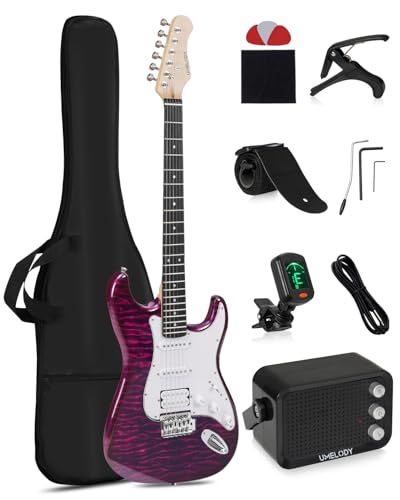
The Umelody UST-200 uses an HSS pickup layout, which gives it a wider tonal range than a basic three-single-coil guitar. The bridge humbucker can produce a thicker sound for rock and higher gain, while the two single coils retain bright clean tones. A five-way switch makes the main sounds easy to reach. The purple finish adds personality for players who want something more colorful than a standard black or sunburst instrument.
This is one of the more practical choices for a guitarist who plays both clean and overdriven music. The HSS layout can move from pop rhythm to blues leads and heavier rock without making the guitar feel complex. The included gig bag and digital tuner make it easier to start practicing at once. I would check the pickup height and intonation, since small adjustments can make a large difference in output balance.
Pros:
- HSS layout covers clean and high-gain sounds
- Five-way switch keeps tone changes simple
- Full-size body suits standard electric technique
- Includes gig bag and digital tuner
- Colorful purple finish stands out
- Good choice for players exploring heavier styles
Cons:
- Bridge humbucker may need height adjustment for balance
- Hardware is aimed at value buyers, not touring professionals
- May require a setup for low, comfortable action
My Recommendation
The UST-200 is best for an intermediate player who wants one affordable guitar for clean, crunch, and high-gain tones. It is a strong choice for rock, pop, blues, worship, and beginner metal practice. The HSS layout gives you more range without demanding advanced electronics knowledge. If you want the best electric guitar for intermediate player versatility at a modest cost, this model deserves consideration.
First 50 Electric Guitar Songs Tab Book

The First 50 Songs You Should Play on Electric Guitar is a songbook for beginners and intermediate players. It uses guitar tab to teach riffs, chords, solos, and recognizable parts from artists such as Nirvana, Metallica, Queen, and other rock acts. I included it because a good guitar only helps when you use it with a clear practice plan. Familiar songs can turn a slow exercise into a reason to pick up the instrument.
This book is not a guitar, but it can improve the value of any guitar in this review. Song-based practice helps you work on timing, bends, power chords, slides, palm muting, and chord changes in a real musical setting. I suggest learning each part slowly with a metronome before trying the original recording. The difficulty varies, so choose songs that stretch your skills without making every practice session feel like a wall.
Pros:
- Uses well-known songs to make practice engaging
- Includes riffs, chords, and solo-based material
- Tab format is easy for many newer players to read
- Supports rock and classic electric guitar skills
- Helps create a structured practice routine
- Works with nearly any electric guitar setup
Cons:
- It is a learning book, not a guitar
- Some songs may still challenge early intermediate players
- Tab alone does not teach every rhythm detail
My Recommendation
I recommend this book for any intermediate guitarist who owns a guitar but lacks a steady practice path. It is especially useful if scales and drills have started to feel dull. Pair it with the best electric guitar for intermediate player goals, a metronome, and a clean amp tone. The book offers strong learning value because it connects technique with songs you already know.
Rolling Stone Guitar Classics Tab Book

Selections from Rolling Stone Magazine’s 500 Greatest Songs of All Time focuses on guitar classics from classic rock through modern rock. It gives intermediate players a wider song library and a chance to study parts that shaped popular guitar. The easy guitar tab format makes the book less intimidating than a full notation method. It is a useful companion for players who want to understand how strong riffs and chord parts support a song.
I value this type of book because it teaches feel as well as notes. You can study how a simple rhythm part sits behind vocals, then compare it with a lead line or solo. Use a recording, slow playback, and a metronome to improve timing instead of treating tab as a race. This book does not replace a teacher, but it can keep practice fresh for months.
Pros:
- Wide range of classic and modern rock material
- Easy tab format supports independent learning
- Encourages study of real song structure
- Useful for rhythm and lead guitar practice
- Can expand a player’s musical taste
- Good long-term companion to an electric guitar
Cons:
- It is not an instrument or accessory
- Some arrangements may differ from recorded versions
- Players may need audio support for exact timing and feel
My Recommendation
This book is best for an intermediate guitarist who wants to build a stronger rock song list. It can help you move beyond isolated exercises and learn parts that work inside a full arrangement. Keep it beside your guitar and use it to set weekly goals. It adds real value to a practice setup, though it should be viewed as a learning tool rather than an alternative to the best electric guitar for intermediate player use.
How to Choose the Best Electric Guitar for an Intermediate Player
Buying your second serious guitar can feel harder than buying your first. A beginner often asks, “Can I learn on this?” An intermediate player asks better questions: “Will this inspire me, cover my styles, stay in tune, and still feel useful next year?” Those questions matter because a guitar should act like a good map. It should show you new roads without making the journey hard.
Start With the Neck
Your hands touch the neck more than any other part of the guitar. Look for smooth fret ends, a comfortable neck shape, and frets that do not feel sharp. A neck that feels too thick can slow small hands, while an overly thin neck may feel less stable to some players. The right neck is personal, so pay attention to comfort rather than choosing by brand name alone.
Match the Pickups to Your Music
Single-coil pickups often give clear, bright, and detailed sounds. They work well for blues, funk, country, pop, and classic rock. Humbuckers usually provide a thicker, warmer sound with more output and less single-coil hum. An HSS guitar can be a wise middle ground because it offers both bright settings and a stronger bridge sound.
Do Not Ignore the Setup
Even the best electric guitar for intermediate player budgets may need a setup. A technician can adjust the neck relief, string height, pickup height, bridge, and intonation. These small changes can make notes ring more clearly and bends feel easier. I consider a setup part of the buying process, much like fitting shoes before a long walk.
Think About the Bridge
A fixed bridge usually offers simple maintenance and steady tuning. A tremolo bridge gives you pitch effects but can take more time to balance. If you rarely use a tremolo arm, a fixed bridge may keep your practice more focused. If expressive pitch movement matters to your style, learn how the tremolo works before buying.
Consider the Amp and Signal Chain
Your guitar creates only part of your sound. The amplifier, cable, pedals, strings, pick, and room all play a role. A modest guitar through a good amp can sound inspiring, while an expensive guitar through a weak setup may disappoint. Use a clean tone first, then add gain slowly so you can hear the guitar’s real response.
Check Scale Length and Weight
Most full-size electric guitars work well for intermediate players, but body weight can affect comfort. A heavy guitar may feel tiring during a long rehearsal. A lighter body can help a player practice longer, though some people prefer the feel of a heavier instrument. Try the guitar while standing if possible, because a model that feels fine while seated may feel different with a strap.
Use Strings That Fit Your Hands
Many factory guitars arrive with medium or light strings. Lighter strings can make bends easier, while heavier strings may offer a fuller feel and stronger tuning stability. Do not change gauges without checking the setup. A small adjustment can keep the neck and bridge working correctly after a string change.
Review Quality Before Appearance
A beautiful finish can make you want to play, and that matters. Still, inspect the practical details first. Look for clean fretwork, working controls, a straight neck, stable tuning, and a bridge that sits correctly. Finish flaws may be harmless, but buzzing, dead frets, loose jacks, or poor intonation deserve attention.
Best For Comparison Table
| Best for | Why |
|---|---|
| Broad tone range | Donner DST-550 offers seven tone options and a tremolo bridge. |
| Complete starter-to-intermediate setup | Fender Squier Debut Kit includes a guitar, amp, bag, strap, and lessons. |
| Clean and high-gain styles | Umelody UST-200 uses an HSS layout for bright and thick tones. |
FAQs Of best electric guitar for intermediate player
What makes an electric guitar good for an intermediate player?
A good intermediate guitar should feel comfortable, stay in tune, offer useful tonal range, and support more advanced techniques. It should also have enough quality to remain useful as your skills improve.
Is an HSS guitar better than an SSS guitar?
Neither is always better. An HSS guitar adds a humbucker for thicker rock and high-gain sounds. An SSS guitar often gives brighter and more traditional Strat-style tones.
Should I buy a guitar kit or the guitar alone?
Buy a kit if you need an amp and basic accessories. Choose the guitar alone if you already own a good amp, tuner, strap, and cable. The right choice depends on what you have at home.
Does an intermediate player need an expensive guitar?
No. A well-set-up affordable guitar can play very well. Spend more only when the extra comfort, hardware, electronics, or build quality solves a real need.
Should I get a professional guitar setup?
A setup is often worthwhile, especially after shipping or a string-gauge change. It can improve action, intonation, tuning, and overall comfort.
Final Verdict: Which Should You Buy?
The Donner DST-550 is my top pick for the best electric guitar for intermediate player needs. Its seven tone options, comfortable body, and tremolo bridge give players room to grow.
Choose the Fender kit for a complete setup or the Umelody UST-200 for HSS versatility. Any of these picks can make practice more rewarding in 2026.

Senior Music Reviewer
Alex Carter is a seasoned music reviewer with over a decade of experience in the world of sound and instruments. Passionate about helping musicians and enthusiasts make informed choices, he brings sharp insights and in-depth knowledge to every review. From classical instruments to modern gear, Alex combines technical expertise with a love for music to deliver content that resonates with readers.
As a Senior Music Reviewer and expert author on Tuneluma.com, Alex is dedicated to sharing honest evaluations, practical advice, and thoughtful commentary to guide readers in their musical journey.