What Key Is Piano Man In: Chords And Piano Guide
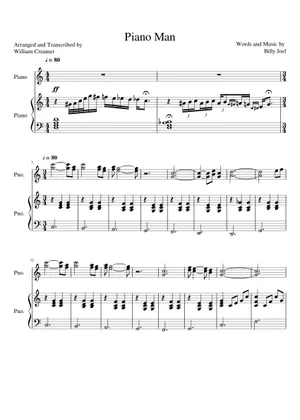
“Piano Man” is in C major, with simple chords that make it friendly for beginner pianists.
Knowing what key is Piano Man in helps you choose the right chords, follow the melody, and play along with Billy Joel’s recording. The song may sound rich and emotional, but its basic harmony is clear and approachable. This guide explains the key, chord patterns, scales, transposition tips, and common mistakes in a simple way.
What key is Piano Man in?
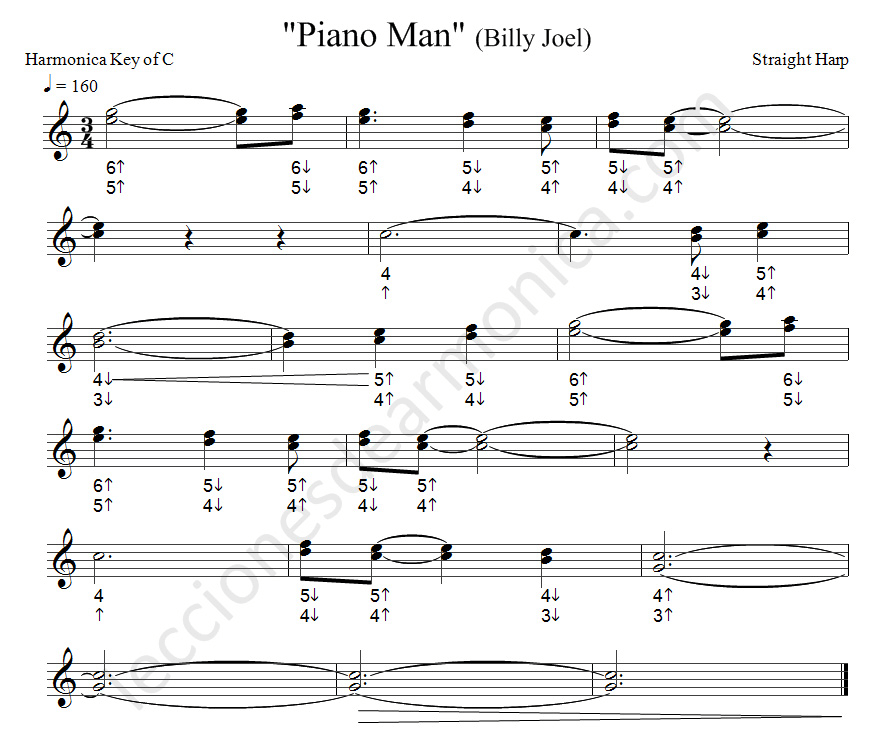
“Piano Man” by Billy Joel is in C major. The original studio recording centers on the C major chord, which acts as the song’s musical home.
The C major scale uses these notes:
• C
• D
• E
• F
• G
• A
• B
The key signature has no sharps and no flats. That makes C major one of the easiest keys to read on the piano.
When people ask what key is Piano Man in, they usually want to know the key used by the original recording. The most accurate short answer is C major, although some piano books and online tutorials may transpose the song into another key.
The song also draws on A minor, the relative minor of C major. A minor uses the same notes as C major but has a different emotional center. This helps explain why some sections sound more reflective or sad, even though the main key remains C major.

How can you tell that “Piano Man” is in C major?
You can identify the key by listening for the chord that feels like the song’s resting point. In “Piano Man,” the music often returns to C major. That return creates a sense of resolution.
A second clue is the song’s chord collection. Much of the harmony uses chords built from notes in the C major scale:
• C major
• D minor
• E minor
• F major
• G major
• A minor
The G major chord is especially important. It contains B, which creates a strong pull back to C. This movement from G to C is one of the clearest signs of C major harmony.
The melody also spends time around the notes C, E, and G. These are the notes of a C major chord. When a melody repeatedly returns to those notes, your ear begins to hear C as the tonal center.
In practical terms, if you sit at a piano and play a C major chord after a phrase from the song, it usually feels settled. That is a useful ear-training test for what key is Piano Man in.

What are the main chords in “Piano Man”?
The exact chord chart can vary by arrangement. However, most versions use a small group of familiar chords from C major.
Common chords include:
• C major, written C
• F major, written F
• G major, written G
• A minor, written Am
• D minor, written Dm
• E minor, written Em
A simplified verse pattern may use movements such as:
- C to F
- C to G
- C to A minor
- D minor to G
- C to F and back to C
These chords are not meant to represent every measure of the recording. Billy Joel’s piano part includes passing chords, bass movement, and rhythmic details that can make the harmony sound more advanced.
The basic chord pattern is like the frame of a house. The original piano part adds the windows, paint, and small details. A beginner can start with the frame, then add the more detailed movements later.
The most important lesson about what key is Piano Man in is that the song does not require a complex key signature. Its challenge comes more from rhythm, vocal phrasing, and accompaniment style than from difficult note choices.
The piano style behind “Piano Man”
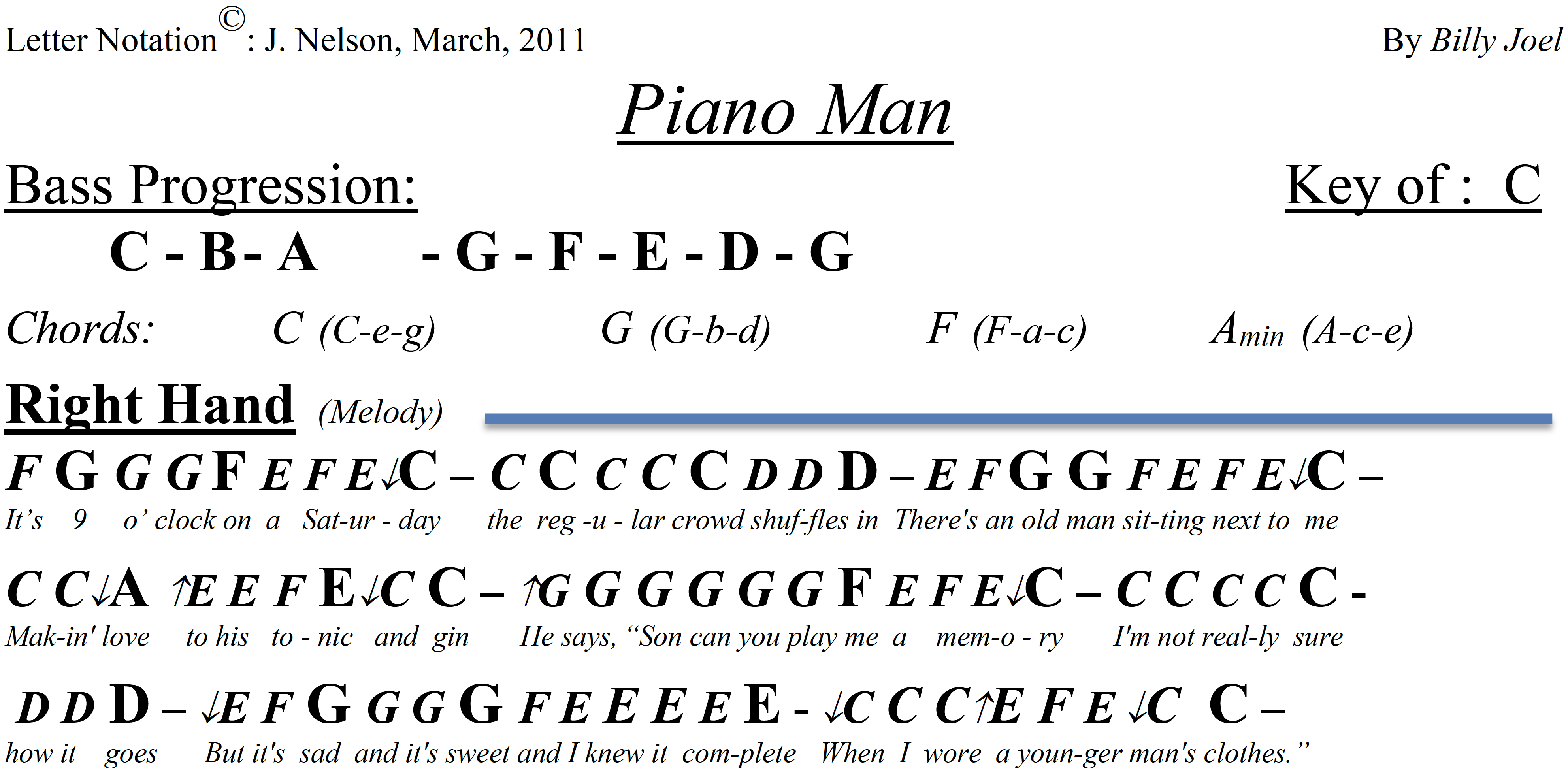
The song has a strong waltz feel. It is commonly played in 3/4 time, meaning each measure has three beats.
A simple counting pattern is:
• One, two, three
• One, two, three
The first beat often receives the strongest emphasis. This gives the song its steady barroom sway.
A beginner arrangement may play the bass note on beat one and the rest of the chord on beats two and three. For example:
• Beat one: Play a low C
• Beats two and three: Play a C major chord
This pattern can be adapted to F, G, A minor, and other chords. It creates a basic accompaniment without copying every detail of the original recording.
The left hand often supports the bass line while the right hand plays chords or fills. Keep the left hand steady. Many players make the mistake of adding too many notes before they can maintain the pulse.
When learning what key is Piano Man in, do not focus only on the notes. Key, rhythm, chord shape, and touch all work together. A correct chord played with a weak pulse may sound less convincing than a simple chord played with a steady groove.
Is “Piano Man” easy to play on piano?
The simplified version is manageable for many beginners. The chords are familiar, and C major has no sharps or flats in its basic scale.
Still, the full song can take time to master. Players may need to work on:
• Smooth chord changes
• A steady 3/4 rhythm
• Bass movement
• Vocal and piano coordination
• Short melodic fills
• Dynamic changes
Start with the chord progression. Play each chord once per measure while counting out loud. When that feels stable, add a bass note on beat one and chord tones on beats two and three.
Next, practice the right-hand melody by itself. Do not rush to combine both hands. Separating the parts helps you find weak spots before they become habits.
A useful practice routine is:
- Play the chord progression slowly.
- Count three beats in every measure.
- Practice the melody without singing.
- Add the left hand.
- Add singing only after the piano part feels automatic.
- Increase the speed a little at a time.
One practical lesson from studying songs like this is simple: accuracy improves faster when you reduce the task. Trying to play the full recording on the first day often leads to tension and uneven timing.
What key is Piano Man in for guitar and piano?
The original key is C major for both instruments. However, guitarists and singers often use a capo or transpose the song to fit a comfortable vocal range.
On piano, you can play the song in C major with open-position chords and natural notes. On guitar, C major can be comfortable, but the complete chord arrangement may include shapes that require practice.
Singers may prefer a different key. Billy Joel’s vocal range and tone are part of the original performance, but not every singer has the same range. A transposed version is not wrong. It is simply adjusted for a different voice.
If you change the key, move every chord by the same number of half steps. For example:
• C major moved up two half steps becomes D major
• F major moved up two half steps becomes G major
• G major moved up two half steps becomes A major
The relationships between the chords must stay the same. If C changes to D but F remains unchanged, the harmony will no longer match.
This is why knowing what key is Piano Man in matters. It gives you a clear starting point before you move the song higher or lower.
How to transpose “Piano Man” from C major
Transposition means moving a song to a new key while keeping the same musical relationships.
Suppose the main chords in your arrangement are:
• C
• F
• G
• Am
• Dm
To move the song up two half steps into D major, use:
• D
• G
• A
• Bm
• Em
The chord shapes change, but the function stays similar. C is the home chord in the original arrangement. D becomes the home chord in the new arrangement.
For a singer, choose a key that keeps the highest notes comfortable. Do not select a key only because it looks easy on paper. A comfortable voice usually produces a more natural and expressive performance.
For a pianist, transposing may introduce black keys. That is normal. A new key can feel harder at first, but it may fit your hand or your singer much better.
A common mistake is confusing the original key with the best performance key. What key is Piano Man in refers to the original tonal center. It does not mean every performer must use C major.
Common mistakes when learning the song
Players often make a few predictable errors when learning this song.
Treating every chord chart as identical
Different arrangements simplify or expand the original harmony. One chart may show only basic triads, while another may include seventh chords, passing bass notes, and slash chords.
Check whether a chart is labeled beginner, intermediate, lead sheet, or full piano transcription. That label tells you how closely it may follow the recording.
Losing the waltz pulse
Some players hear the song as a slow four-beat ballad. That can change the character of the accompaniment. Count three beats per measure and place the strongest weight on beat one.
Playing too many notes
The original recording contains expressive details, but more notes do not always create a better performance. Begin with a clean chord pattern, then add fills that you can control.
Ignoring the vocal range
A pianist may insist on C major because it is the original key, even when the singer struggles. A small transposition can make the performance much more enjoyable.
Confusing key with chord
The key is the larger musical system. A chord is one group of notes within that system. “Piano Man” is in C major, but it uses several chords beyond C major.
What key is Piano Man in compared with other Billy Joel songs?
Billy Joel used many different keys and harmonic styles across his catalog. “Piano Man” stands out because its C major setting supports a warm, familiar sound.
The song’s emotional impact does not come from an unusual key. It comes from the melody, lyrics, chord movement, vocal delivery, and arrangement. A simple key can still support a powerful story.
This is an important point for new musicians. Musical emotion is not limited to difficult keys. A song in C major can sound deep and dramatic when the rhythm, phrasing, and dynamics are handled well.
The key also makes the song useful for learning. Students can focus on chord function and musical expression without first dealing with a large number of accidentals.
Frequently Asked Questions About What Key Is Piano Man In
What key is “Piano Man” originally recorded in?
“Piano Man” was originally recorded in C major. The song’s main harmonic center is C, although it uses related chords and occasional color tones.
Is “Piano Man” in C major or A minor?
The song is generally identified as being in C major. A minor appears as a related chord and tonal color because A minor is the relative minor of C major.
What are the easiest chords for “Piano Man” on piano?
The easiest starting chords are C, F, G, Am, and Dm. These chords cover much of a simplified arrangement and are common shapes for beginner pianists.
Is “Piano Man” played in 3/4 time?
Yes. The song has a strong 3/4 waltz feel, with three beats in each measure. The first beat usually receives the main accent.
Can a singer perform “Piano Man” in another key?
Yes. Singers can transpose the song to fit their vocal range. The original key is C major, but another key may provide a more comfortable and expressive performance.
Does the original recording use only basic chords?
No. Basic chord charts simplify the recording. The original arrangement includes richer voicings, bass movement, passing chords, and piano fills.
Conclusion
“Piano Man” is in C major, and its main chords come from the C major scale. Its 3/4 rhythm, steady bass, and expressive piano style create most of its musical character.
Start with C, F, G, A minor, and D minor. Count three beats per measure, keep the pulse steady, and add detail only after the basic pattern feels comfortable. If the song does not suit a singer’s range, transpose it without hesitation.
Now that you know what key is Piano Man in, try playing a simple C major arrangement and build it step by step. Explore a trusted lead sheet, record your practice, and share your questions or progress with other piano learners.

Senior Music Reviewer
Alex Carter is a seasoned music reviewer with over a decade of experience in the world of sound and instruments. Passionate about helping musicians and enthusiasts make informed choices, he brings sharp insights and in-depth knowledge to every review. From classical instruments to modern gear, Alex combines technical expertise with a love for music to deliver content that resonates with readers.
As a Senior Music Reviewer and expert author on Tuneluma.com, Alex is dedicated to sharing honest evaluations, practical advice, and thoughtful commentary to guide readers in their musical journey.