What Does A Piano Pedal Do: Beginner’s Guide
A piano pedal changes a note’s length, tone, or resonance, giving players greater control over musical expression.
If you have ever watched a pianist use their feet while both hands stay busy, you may have wondered what does a piano pedal do. The answer depends on the pedal, the piano design, and the player’s technique. This guide explains each pedal in simple terms, with practical examples and tips for using them well.

What does a piano pedal do?
A piano pedal changes how the strings respond after you press a key. It can let notes ring longer, make the sound softer, or hold selected notes while other notes remain unchanged.
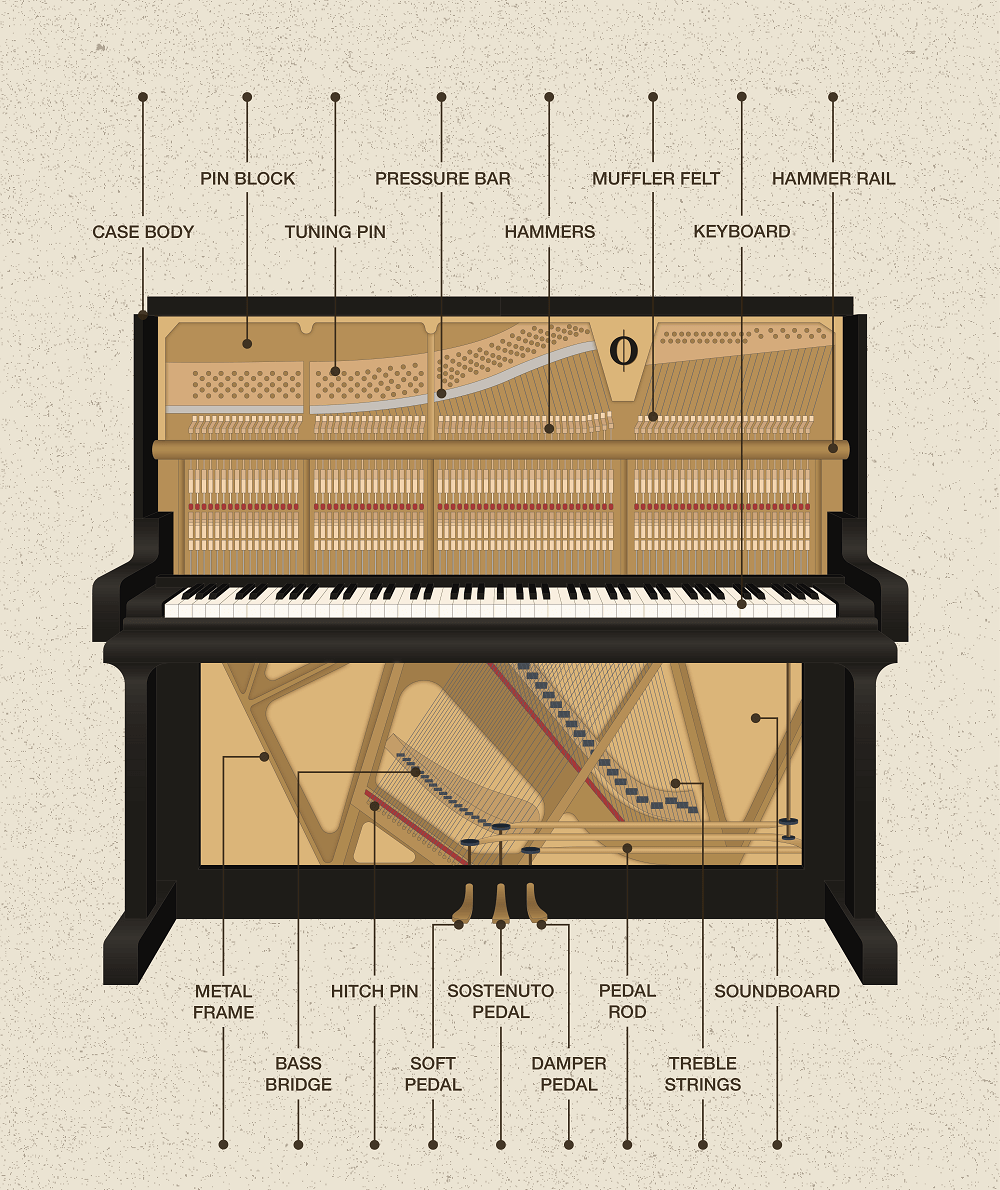
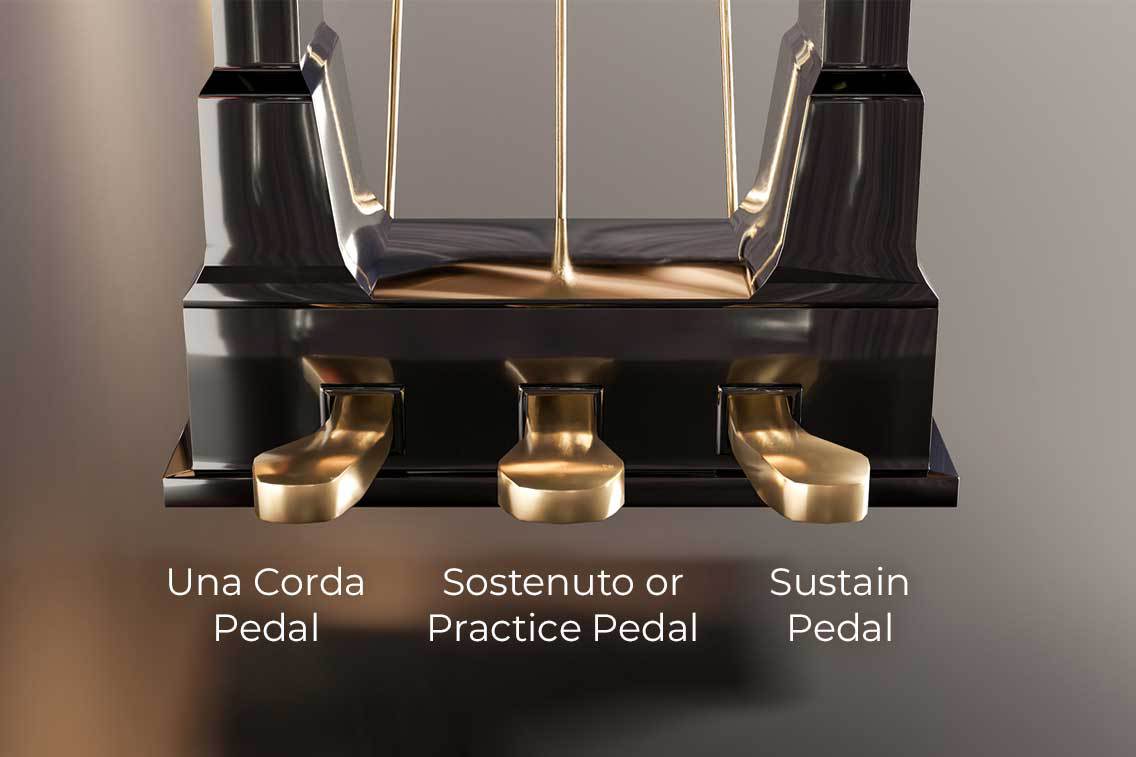
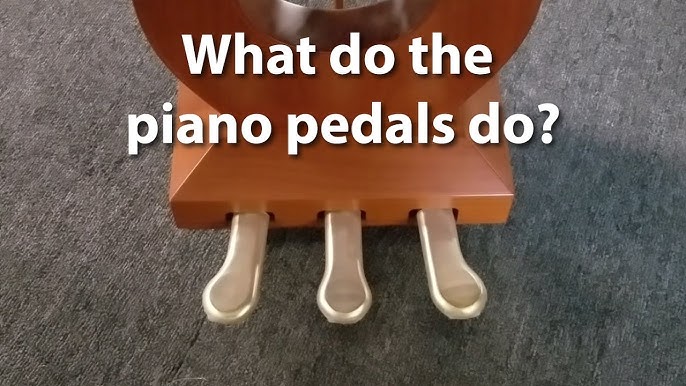
Most acoustic pianos have two or three pedals:
• The right pedal is the sustain pedal, also called the damper pedal.
• The middle pedal is usually the sostenuto pedal on a grand piano.
• The left pedal is the soft pedal, also called the una corda pedal.
The most common answer to what does a piano pedal do is that it lifts the dampers from the strings. This allows notes to continue sounding after you release the keys. However, each pedal works in a different way.
A piano string normally stops vibrating when a felt damper touches it. Pressing a pedal changes this process. Think of the damper as a small cushion that stops a string. The pedal moves that cushion away or changes the way the hammer strikes the string.
The exact design differs between grand pianos, upright pianos, and digital pianos. Digital instruments do not use real dampers or strings, but their pedals copy the sound and response of acoustic piano pedals through software and sensors.
The right pedal: sustain and damper control
The right pedal is the most widely used piano pedal. It is often called the sustain pedal or damper pedal.
When you press it, the dampers lift from many or all of the piano strings. Notes continue to ring after you release the keys. This creates a fuller sound and helps connect notes that your fingers cannot physically hold.
For example, play a C major chord, release your fingers, and keep the right pedal down. You will still hear the chord. Release the pedal, and the dampers return to the strings, stopping the sound.
This is the central answer to what does a piano pedal do for most beginners. It sustains sound, adds resonance, and helps create smooth musical lines.
How the sustain pedal changes piano sound
The sustain pedal does more than make notes last longer. On an acoustic piano, lifted dampers allow other strings to vibrate through sympathetic resonance. This gives the sound more color and depth.
The effect is clear in slow music, romantic pieces, film music, and large chords. It can also make a simple melody sound warmer. However, too much pedal can make the music cloudy.
Good pedal use depends on timing. Many players press the pedal just after playing a chord and lift it as the harmony changes. This method is called legato pedaling or syncopated pedaling.
A simple sustain pedal exercise
Try this practice routine:
-
Play a C major chord.
-
Press the pedal immediately after the chord.
-
Release your fingers while keeping the pedal down.
-
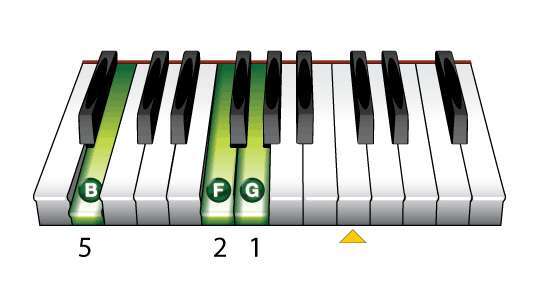
Play an F major chord.
-
Lift and quickly press the pedal after playing the F chord.
-
Repeat with a G major chord and return to C.
The goal is to change the pedal without leaving a gap in the sound. Listen for clean harmony. If the chords blend into an unclear wash, lift the pedal sooner.
In my own teaching and practice sessions, beginners often hold the sustain pedal through an entire phrase. It feels safe because the music sounds rich at first. After a few bars, though, every harmony mixes together. The best lesson is simple: use the pedal to connect sound, not to hide missed notes.
The left pedal: soft pedal and una corda
The left pedal is usually called the soft pedal. On a grand piano, it is known as the una corda pedal, which means “one string” in Italian.
Pressing this pedal shifts the piano action to one side. On most grand pianos, the hammers then strike fewer strings for each note. Since fewer strings vibrate, the tone becomes softer and often changes in color.
This explains another part of what does a piano pedal do. The left pedal does not simply reduce volume like a volume knob. It changes the way the hammer meets the strings.
The exact effect varies by instrument. On many upright pianos, the soft pedal moves the hammers closer to the strings instead of shifting them sideways. The hammers travel less distance, so they strike with less force.
When should you use the soft pedal?
Use the left pedal when you want a softer or more distant sound. It can help in:
• Quiet melodies
• Gentle song endings
• Contrasting sections
• Sensitive accompaniment
• Music marked una corda or una corda pedal
Do not press it for every quiet passage. A skilled pianist can often play softly with the fingers alone. The soft pedal is most useful when you want a special tone or need extra control at a very low volume.
A common mistake is to treat the soft pedal as a cure for poor touch. It cannot replace relaxed fingers, careful control, and good balance. First learn to play quietly without it. Then add the pedal when its color improves the music.
The middle pedal: sostenuto and its limits
The middle pedal on a grand piano is usually the sostenuto pedal. It holds only the notes that are already depressed when you press the pedal.
Here is how it works:
-
Play one or more low notes.
-
Press the middle pedal while holding those keys.
-
Release the keys.
-
Play other notes without pressing the pedal again.
The first notes continue to sound, while the later notes behave normally. This makes the sostenuto pedal different from the sustain pedal, which usually holds many dampers at once.
Composers use sostenuto to hold bass notes under moving patterns. It is especially useful in modern classical music, complex chord textures, and pieces that require independent layers of sound.
The sostenuto pedal answers what does a piano pedal do when a player needs selective sustain. It gives the pianist another layer of control without allowing every note to ring.
Why some middle pedals are different
Not every piano has a true sostenuto pedal. Many upright pianos use the middle pedal for a practice mute. This mechanism places a strip of felt between the hammers and strings, making the instrument much quieter.
Some upright pianos use the middle pedal to sustain bass notes. Others use it for a locking practice function. Digital pianos may assign different features to the middle pedal, including sostenuto, soft pedal, or a programmable effect.
Always check the piano’s manual when you are unsure. The pedal’s position alone does not guarantee its function.

How piano pedals work inside an acoustic piano
To understand what does a piano pedal do, it helps to see the basic mechanism.
A piano key moves a small system of levers. These levers make a felt-covered hammer strike one or more stretched strings. After the strike, a damper normally falls onto the strings when you release the key.
The pedals connect to this action through rods, levers, springs, and lifting mechanisms. On a grand piano, the sustain pedal lifts the entire damper system. On an upright piano, the movement is different, but the musical result is similar.
The sustain pedal also allows undamped strings to vibrate in response to other sounds. This is one reason a pedaled piano can sound larger than the same piano played without pedal.
A piano technician can adjust pedal travel, noise, and resistance. If a pedal squeaks, feels loose, or fails to stop notes cleanly, it may need service. Avoid spraying oil or household lubricant into the mechanism. Improper products can damage wood, felt, or metal parts.
How to use piano pedals correctly
Pedaling is a physical skill, much like fingering. Your foot should stay close to the pedal, and your heel usually rests on the floor. Use the ball of your foot to press and release the pedal with control.
For the sustain pedal, begin with these habits:
• Keep your heel stable.
• Press with the right foot.
• Move from the ankle rather than lifting the whole leg.
• Listen for clean chord changes.
• Release fully when the music needs silence.
• Practice slowly before adding speed.
Many beginners press the pedal too early. This can blur the attack of a chord because the previous harmony remains active. A cleaner method is to play the new chord first, then change the pedal at once.
Common pedal mistakes
The most common mistakes include:
• Holding the sustain pedal through every measure
• Pressing the pedal before playing a chord
• Failing to release the pedal completely
• Using the soft pedal to cover uneven playing
• Moving the whole leg instead of the ankle
• Ignoring the sound and watching the foot
Pedal markings in sheet music are useful, but they are not always final. Different rooms, pianos, and tempos affect the result. Your ears must guide the foot.
When I work on pedal technique, I often ask players to practice the passage without any pedal first. This reveals the true rhythm and finger connection. Then we add the pedal in small steps. That approach prevents the pedal from becoming a mask.
Half-pedaling and advanced sustain control
Some acoustic and digital pianos respond to partial pedal movement. This technique is called half-pedaling or partial pedaling.
With half-pedaling, the dampers do not lift fully from the strings. They may reduce the sound without creating as much resonance. This can help maintain clarity in fast music or low-register passages.
Half-pedaling takes practice because every piano responds differently. The resistance, pedal depth, damper design, and digital sensor settings all affect the result.
You can practice it by playing a low chord and slowly pressing the sustain pedal. Listen as the sound changes from dry to resonant. Then release the pedal in stages and notice how the dampers gradually control the tone.
Other advanced techniques include flutter pedaling, delayed pedaling, and shallow pedal changes. These are useful in demanding music, but strong basic timing matters more than complex pedal tricks.
Piano pedals on digital keyboards
Digital pianos use sensors and software to recreate the behavior of acoustic pedals. Entry-level keyboards may include only a simple sustain switch. Higher-end digital pianos often support half-pedaling, sostenuto, and soft-pedal functions.
A basic sustain pedal may work in only one of two states: on or off. A continuous pedal can detect many positions between fully raised and fully pressed. This allows more natural control.
Check the pedal polarity before playing. If the notes sustain when your foot is off the pedal, the switch may be connected at the wrong time. Many keyboards fix this when you reconnect the pedal while the instrument is turned off.
Digital piano pedals are useful, but they may not feel exactly like those on a concert grand. The sound can be convincing while the physical resistance remains different. If you are preparing for an acoustic performance, practice on an acoustic piano when possible.
Choosing and caring for a piano pedal
If you need a replacement pedal, match it to your instrument. A pedal for a digital keyboard may not fit an acoustic piano, and some digital pedals use different connectors or polarity settings.
Look for:
• Compatibility with your piano or keyboard
• A stable base
• Quiet movement
• A non-slip surface
• Continuous control if you need half-pedaling
Keep the pedal clean with a soft, dry cloth. Do not place heavy objects on it or force it beyond its normal range.
A noisy pedal can distract both the player and the audience. First check whether the noise comes from the pedal itself, the floor, or the piano’s internal mechanism. If the sound continues, ask a qualified piano technician to inspect it.
Benefits and limits of piano pedals
Piano pedals add color, length, connection, and contrast. They help one pianist create layered sound that would be difficult with the hands alone.
Their main benefits include:
• Longer notes
• Smoother legato lines
• Greater harmonic resonance
• Softer tone colors
• Selective sustain
• More expressive phrasing
Pedals also have limits. They cannot fix wrong notes, poor rhythm, weak finger control, or unclear harmony. Overuse can make music sound muddy, especially in the bass.
The best pedal technique is not about pressing more often. It is about choosing the right moment. A good pianist uses the pedal as an extension of musical judgment.
Frequently Asked Questions About What Does a Piano Pedal Do
What does a piano pedal do on the right side?
The right pedal lifts the dampers from the strings, allowing notes to continue after you release the keys. It is called the sustain pedal or damper pedal.
What does a piano pedal do on the left side?
The left pedal makes the sound softer and can change its tone. On grand pianos, it shifts the action so the hammers strike fewer strings; on upright pianos, it often reduces hammer travel.
What does the middle piano pedal do?
On many grand pianos, the middle pedal is a sostenuto pedal that sustains only the notes held when you press it. On some upright pianos, it works as a practice mute or has another special function.
Can you play piano without using the pedals?
Yes. Piano pedals are not required for every piece or passage. Learning without pedals first can improve finger control, rhythm, clarity, and musical balance.
When should you press the sustain pedal?
Press the sustain pedal after playing a chord or note when you want to connect sound. Change or release it as the harmony changes so the music does not become blurred.
Do digital piano pedals work like acoustic piano pedals?
Digital pedals imitate acoustic pedal functions through sensors and software. Better models may support half-pedaling, but the feel and response can differ from those of an acoustic piano.
Conclusion
Understanding what does a piano pedal do makes piano playing clearer and more expressive. The right pedal sustains sound, the left pedal changes volume and tone, and the middle pedal often provides selective sustain or a practice function.
Start by practicing the sustain pedal with slow chord changes. Listen closely, keep your movements small, and release the pedal whenever the sound becomes unclear. With steady practice, your feet will become as musical and controlled as your hands.
Explore more piano technique guides, practice with an attentive ear, and share your pedal questions or experiences in the comments.

Senior Music Reviewer
Alex Carter is a seasoned music reviewer with over a decade of experience in the world of sound and instruments. Passionate about helping musicians and enthusiasts make informed choices, he brings sharp insights and in-depth knowledge to every review. From classical instruments to modern gear, Alex combines technical expertise with a love for music to deliver content that resonates with readers.
As a Senior Music Reviewer and expert author on Tuneluma.com, Alex is dedicated to sharing honest evaluations, practical advice, and thoughtful commentary to guide readers in their musical journey.