How Do You Spell Drum

How Do You Spell Drum: Correct Spelling And Meaning

The correct spelling is “drum,” with four letters: D, R, U, and M.

If you are asking, “how do you spell drum,” the answer is simple, but English spelling can still cause small mistakes. This guide explains the correct spelling, pronunciation, word forms, common errors, and easy ways to remember it. It also shows how to use “drum” in real sentences.

How Do You Spell Drum?
Source: myloview.com

How Do You Spell Drum?

The correct spelling is drum.

It contains four letters:

• D
• R
• U
• M

The word begins with the consonant D, followed by R. The vowel U comes next, and the word ends with M.

The answer to “how do you spell drum” does not change in standard American English. Whether you mean a musical instrument, a container, or the action of making a repeated sound, the spelling remains drum.

What Does the Word Drum Mean?
Source: centerforworldmusic.org

What Does the Word Drum Mean?

The word drum has several common meanings. Its meaning depends on the sentence and the subject being discussed.

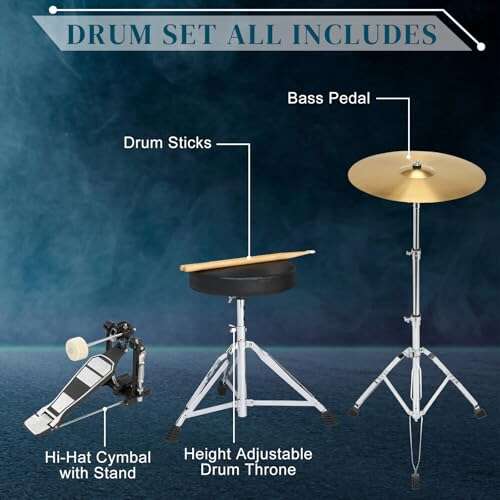
A drum can mean a musical instrument. It usually has a hollow body with a stretched surface that makes a sound when struck.

Examples include:

• The drummer played the drum loudly.
• She bought a new drum for the school band.
• The beat of the drum filled the room.

Drum can also describe a large round container. These containers may hold oil, chemicals, food, or other materials.

For example:

• The factory stored water in a metal drum.
• The workers moved the empty drum outside.

As a verb, drum means to make a repeated sound by hitting something. It can also mean to teach or repeat something many times.

Examples include:

• Rain drummed against the window.
• The teacher drummed the rules into the students’ minds.

Understanding these meanings makes it easier to use the correct spelling in context.

How Do You Spell Drum in American English?
Source: andnextcomesl.com

How Do You Spell Drum in American English?

In American English, drum is spelled D-R-U-M.

The spelling is the same in British English, Canadian English, and Australian English. Unlike some words that change between American and British spelling, drum has no regional spelling variation.

This makes the answer to “how do you spell drum” especially clear. You do not need to add extra letters or change the vowel.

Correct:

• Drum
• Drums
• Drummed
• Drumming

Incorrect forms include:

• Drom
• Droom
• Drumm
• Drem

The most common error is replacing the U with O. Although drum and some similar words may sound close to learners, drum uses the short U sound.

How Do You Pronounce Drum?
Source: drummagazine.com

How Do You Pronounce Drum?

Drum is usually pronounced like “drum,” with one syllable.

In American English, the word has a short U sound. This is the same vowel sound heard in words such as:

• Cup
• Sun
• Run
• Jump
• Trust

The beginning blends the D and R sounds. The final M sound closes the word.

A simple pronunciation guide is:

• Drum: /drʌm/

The pronunciation may vary slightly by accent, but the standard spelling remains the same. If you are learning English, listen for the short U sound rather than an O sound.

A useful practice method is to say these words aloud:

• Drum
• Run
• Jump
• Hum

They share a similar vowel sound, which can help you remember how to spell drum.

Common Mistakes When Spelling Drum
Source: youtube.com

Common Mistakes When Spelling Drum

Many spelling mistakes happen because people rely only on sound. English has many words whose sounds do not perfectly show their spelling, so it helps to learn the letter pattern.

Here are common mistakes to avoid:

• Writing “drom” instead of “drum”
• Adding a second M and writing “drumm”
• Adding an extra O and writing “droom”
• Confusing drum with “doom,” which has a different vowel sound
• Writing “drum” when the sentence needs “drums” or “drumming”

The spelling “drom” is especially common among young learners. The word sounds short and simple, but the correct vowel is U.

Another mistake is adding extra letters when changing the word. The correct forms are:

• One drum
• Two drums
• He drummed
• She is drumming

The word changes slightly in some forms, but its base spelling stays connected to drum.
How Do You Spell Drum in Different Word Forms?
Source: bandcamp.com

How Do You Spell Drum in Different Word Forms?

The base word drum can change when it appears as a plural noun, past-tense verb, or present participle.

Singular and plural forms

The singular form is drum.

Example:

• The band has one drum.

To make it plural, add S:

• The band has three drums.

Past tense

The past-tense form is drummed. It uses two Ms before the ending ED.

Example:

• The musician drummed on the table.

Present participle

The present participle is drumming. It uses two Ms before ING.

Example:

• The child is drumming with wooden sticks.

This doubling rule helps preserve the short vowel sound. Similar patterns appear in words such as run, which becomes running, and stop, which becomes stopping.

Easy Ways to Remember How Do You Spell Drum
Source: rossfarley.uk

Easy Ways to Remember How Do You Spell Drum

A simple memory trick can make the spelling easier.

Think of the word as three sound parts:

• D
• R-U
• M

You can say it slowly as “D-R-U-M.” The letters R and U sit together in the middle, like the center of a drumbeat.

Another helpful method is to connect the word with a familiar sentence:

• The drum goes boom.

Both words are short, clear, and easy to repeat. You can also picture a real drum while writing the word. Linking a word to an image often helps memory.

Try writing this sentence three times:

• I can spell drum: D-R-U-M.

Short practice is usually better than copying the word many times. Write it, say it, and use it in a sentence. This engages memory in more than one way.

How Do You Use Drum in a Sentence?
Source: sheboygandrums.com

How Do You Use Drum in a Sentence?

Using the word in a sentence helps confirm both its meaning and spelling.

Here are examples with drum as a noun:

• The drum made a deep sound.
• He carried the drum to the stage.
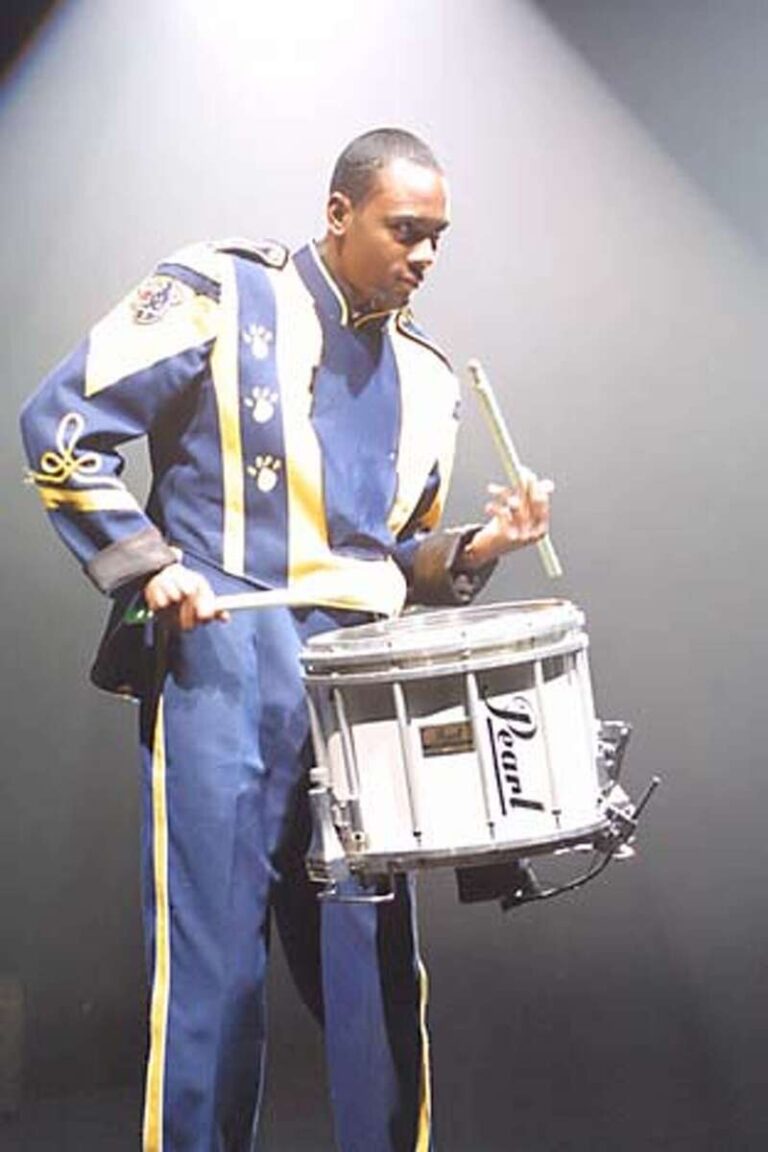
• A drum is often used in marching bands.

Here are examples with drum as a verb:

• The children drummed on their desks.
• Rain drummed on the roof all night.
• She drummed her fingers on the table.

The word can also appear in common expressions:

• Drum up support
• Drum up business
• March to the beat of a different drum

“Drum up” means to create or increase interest, support, or activity.

Example:

• The team worked hard to drum up support for the event.

These examples show why context matters. Once you know what the word means, the spelling becomes easier to remember.

Drum, Drums, Drummed, and Drumming

These related forms can look slightly different, but they all come from the same base word.

• Drum is the singular noun or base verb.
• Drums is the plural noun or third-person verb form.
• Drummed is the past tense.
• Drumming is the present participle or gerund.

Examples:

• The drum is on the chair.
• The drums are ready for the concert.
• He drummed a steady beat.
• She is drumming along with the song.

A common spelling rule applies to drummed and drumming. The final consonant is doubled before adding ED or ING because drum has one syllable and ends in a consonant after a short vowel.

This pattern is useful beyond the word drum. It also appears in words such as:

• Plan, planned, planning
• Hop, hopped, hopping
• Rob, robbed, robbing

Is Drum a Noun or a Verb?

Drum can be both a noun and a verb.

As a noun, drum refers to an object. It may be a musical instrument or a large cylindrical container.

Example:

• The drum stood beside the piano.

As a verb, drum describes an action. It means to strike repeatedly or make a steady beating sound.

Example:

• He drummed on the table while waiting.

The sentence usually shows which meaning applies. Words such as “the,” “a,” or “one” often come before the noun form. Words that show action, such as “will,” “is,” or “did,” may introduce the verb form.

Compare these examples:

• The drum is loud.
• They drum during the parade.

The spelling is the same, but the grammar and meaning change.

How Do You Spell Drum in a Spelling Test?

If you hear the word drum during a spelling test, say it slowly before writing it.

Follow these steps:

  1. Identify the first sound, D.
  2. Add the R sound.
  3. Listen for the short U sound.
  4. Finish with M.
  5. Read the complete word: D-R-U-M.

Do not choose O just because the word may sound slightly different in a regional accent. The standard spelling uses U.

It also helps to check the sentence. If the sentence refers to more than one instrument, the answer may be drums. If it describes an action that happened in the past, the answer may be drummed.

This small grammar check can prevent an otherwise correct spelling from being marked wrong.

A Practical Memory Lesson

When teaching or reviewing simple words, I find that learners often make mistakes when they study letters without meaning. The word becomes easier when it is tied to an image, sound, or action.

For drum, imagine a marching band. Hear the beat, picture the round instrument, and say the letters aloud: D-R-U-M. This method is more useful than staring at the word because it connects spelling with real experience.

A mistake worth avoiding is practicing only the word by itself. Use short sentences instead:

• I hear a drum.
• The drum is blue.
• We played the drums.

Seeing the word in several sentences helps you notice changes such as drums, drummed, and drumming. It also builds confidence for schoolwork, writing, and everyday communication.

Frequently Asked Questions About How Do You Spell Drum

How do you spell drum correctly?

The correct spelling is drum. It contains the letters D, R, U, and M.

Is drum spelled with O or U?

Drum is spelled with U, not O. The correct form is D-R-U-M.

What is the plural of drum?

The plural of drum is drums. You simply add S to the end of the singular word.

How do you spell drumming?

Drumming is spelled D-R-U-M-M-I-N-G. The final consonant is doubled before adding ING.

How do you spell drummed?

Drummed is spelled D-R-U-M-M-E-D. The final M is doubled before adding ED.

Is drum a noun or a verb?

Drum can be both a noun and a verb. It can name a musical instrument or describe the action of making a repeated beating sound.

Does drum have different spellings in American and British English?

No. Drum is spelled the same in American and British English. The pronunciation may vary slightly by accent, but the written form does not change.

Conclusion

The answer to “how do you spell drum” is D-R-U-M. The word can describe a musical instrument, a large container, or the action of making a repeated beat. Its related forms include drums, drummed, and drumming.

Remember the short U sound, practice the word in a sentence, and check whether the sentence needs a noun or verb form. Try writing one sentence with drum today, then share your own example or explore more spelling guides for common English words.

Similar Posts

Leave a Reply

Your email address will not be published. Required fields are marked *