
Best Amp For Acoustic Electric Guitar: Top Picks
The Fender Acoustasonic 40 is the best amp for acoustic electric guitar players who need clear tone, power, and flexible inputs.
You know the problem: your acoustic-electric guitar sounds rich when unplugged, yet thin, harsh, or weak through the wrong amp. I have tested this kind of setup many times, and the right amp can make the guitar feel alive. It should keep the natural wood tone, add useful reverb, resist feedback, and stay easy to carry. This guide compares nine practical choices, from small practice amps to louder acoustic combos, so you can find the best amp for acoustic electric guitar use at home, on stage, or outdoors.
Fender Frontman 10G Amp

The Fender Frontman 10G is a small 10-watt practice amp with a simple control layout. It offers volume, gain, treble, and bass controls, plus a drive switch for a gritty electric sound. Its compact cabinet fits well beside a desk, bed, or small rehearsal space. The open-back design keeps the amp light and easy to move.
I would treat this as a budget practice option rather than a true acoustic combo. It can work with an acoustic-electric guitar at low volume, but its voicing is made more for electric guitar. Keep the gain low and the tone fairly clean for the best result. For a beginner who also owns an electric guitar, this amp gives useful value without taking much room.
Pros:
- Simple controls suit first-time players
- Compact size saves floor space
- Light enough for easy room-to-room use
- 10 watts work well for quiet practice
- Drive control adds variety for electric guitar
Cons:
- Not voiced mainly for acoustic guitar
- No built-in reverb or Bluetooth
- Limited headroom for group playing
My Recommendation
I recommend the Frontman 10G for a beginner who wants one low-cost amp for home practice and may play both electric and acoustic-electric guitar. It is not my first pick as the best amp for acoustic electric guitar because it lacks an acoustic-focused speaker voice and reverb. Still, it remains a sensible starter unit when price and small size matter most.
| Best for | Why |
|---|---|
| Bedroom practice | Small, light, and easy to control |
| New electric guitar players | Basic drive and tone controls are simple to learn |
| Small budgets | Provides trusted Fender styling at an entry-level price |
LEKATO JA-05G Mini Amp

The LEKATO JA-05G is a small rechargeable amp rated at 5 watts. It includes Bluetooth and several built-in effects, including clean, distortion, overdrive, and reverb sounds. The design focuses on portable practice rather than large rooms. Its small body makes it easy to place in a bag or carry to a lesson.
This amp makes sense for players who value freedom from a wall outlet. Bluetooth lets you play backing tracks from a phone while you practice chords or songs. Its effects are more useful for electric guitar than for a natural acoustic tone, so I would use reverb with care. The amp can serve an acoustic-electric guitar for casual practice, but it will not match a dedicated acoustic combo for fullness.
Pros:
- Rechargeable design supports portable sessions
- Bluetooth plays music from a phone
- Built-in effects add fun without extra pedals
- Very small and easy to store
- Low power suits quiet personal practice
Cons:
- Small speaker cannot fill a large room
- Acoustic tone may sound less open
- Battery life depends on volume and use
My Recommendation
I suggest the JA-05G for students, travelers, and players who practice in several places. It is not the best amp for acoustic electric guitar if your main goal is a wide, natural stage sound. It is a good value for private practice, quick warmups, and simple backing-track use. Check the current listing for battery and accessory details before ordering.
| Best for | Why |
|---|---|
| Travel practice | Rechargeable power removes the need for an outlet |
| Backing tracks | Bluetooth connects with a phone or tablet |
| Effect fans | Several built-in sounds offer quick variety |
Flatsons Crush20 Acoustic Amp

The Flatsons Crush20 is a 20-watt rechargeable acoustic guitar amp designed for players who want more volume than a tiny practice unit can provide. Its portable format suits home use, small gatherings, and informal outdoor playing. A rechargeable battery adds freedom when a power socket is not nearby. The higher output also gives the guitar more room to breathe than many mini amps.
I like the idea of this amp for singers who need a flexible grab-and-go setup. A 20-watt rating does not automatically mean professional stage volume, but it can cover a room better than a 5-watt model. The main point to check before buying is the full control set and battery performance on the current listing. For casual acoustic work, this could be a strong value choice.
Pros:
- 20 watts offer useful extra volume
- Rechargeable operation supports outdoor use
- Portable shape fits casual performers
- Better acoustic focus than many electric practice amps
- Suitable for lessons, rooms, and small gatherings
Cons:
- May not provide enough power for a loud band
- Battery runtime changes with volume
- Long-term support may be less proven than major brands
My Recommendation
The Crush20 is best for a busker, hobby player, or singer who wants a portable acoustic setup with useful volume. I would consider it when searching for the best amp for acoustic electric guitar on a modest budget. Its rechargeable design is the main draw. Before purchase, confirm the current specifications, included accessories, warranty, and user feedback.
| Best for | Why |
|---|---|
| Outdoor playing | Rechargeable power makes setup more flexible |
| Small gatherings | 20 watts provide more reach than mini amps |
| Portable acoustic use | It balances power with easy transport |
Fender Acoustasonic 15
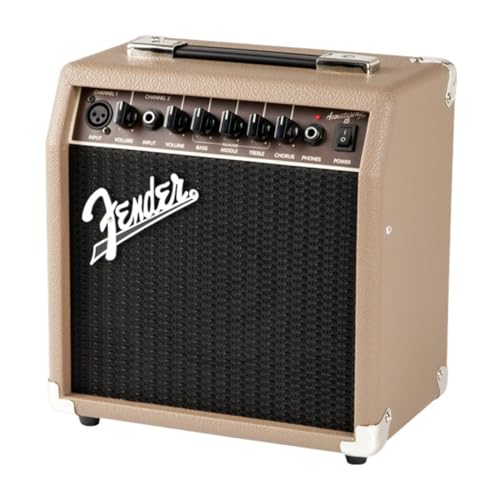
The Fender Acoustasonic 15 is built for acoustic instruments, and that matters. It uses a 6-inch speaker and provides a dedicated instrument channel with volume and tone controls. A second microphone channel makes it useful for singers who play. The amp also includes chorus, which can add width to a clean acoustic sound.
In my view, this is a more sensible acoustic choice than a standard small electric amp. The tone stays clear at home and during small acoustic sessions, while the microphone input adds real utility. Fifteen watts will not compete with a loud drummer, but it works well for lessons, coffeehouse-style rooms, and home songwriting. Its simple panel also helps beginners avoid getting lost in menus.
Pros:
- Acoustic-focused voice keeps guitar tone clear
- Separate microphone input supports singing
- Chorus effect adds gentle texture
- Compact combo design is easy to carry
- Fender controls are familiar and direct
Cons:
- 15 watts limit use with loud bands
- No Bluetooth for wireless backing tracks
- Small speaker has less low-end depth than larger models
My Recommendation
I recommend the Acoustasonic 15 for beginners, solo singers, and home players who want a reliable acoustic-first amp. It is one of the strongest budget choices for the best amp for acoustic electric guitar because it treats the instrument more naturally than an electric combo. It also adds a microphone channel without a complex mixer. For small acoustic rooms, its value is hard to ignore.
| Best for | Why |
|---|---|
| Solo singers | Two channels handle guitar and microphone |
| Home songwriting | Clear tone and simple controls encourage practice |
| Small acoustic rooms | Portable power suits quiet live work |
JSAUX 10-Foot Guitar Cable

The JSAUX cable is not an amplifier, but it is an important part of any acoustic-electric setup. It uses a 10-foot length with a right-angle plug on one end and a straight plug on the other. That shape can reduce strain at the guitar jack while leaving enough room to move. It works with guitars, basses, mandolins, and other instruments that use a standard 1/4-inch TS connection.
A poor cable can add noise, crackle, or sudden signal loss, which can make even the best amp for acoustic electric guitar seem faulty. I like having a dependable spare in the gig bag, especially for lessons and small shows. The cable length gives useful freedom without becoming as hard to manage as a very long lead. As with any cable, avoid sharp bends and do not leave it under heavy gear.
Pros:
- 10 feet gives useful playing space
- Right-angle plug can reduce jack strain
- Works with many 1/4-inch instruments
- Useful as a spare or starter cable
- Gray finish is easy to spot on a dark stage
Cons:
- It cannot replace a quality amplifier
- Passive cables can still pick up stage noise
- Length may feel excessive in a tiny room
My Recommendation
I recommend the JSAUX cable for every acoustic-electric player who needs a low-cost connection cable. It is especially useful with the best amp for acoustic electric guitar because a good amp still needs a clean signal. Keep one as your main cable and another as backup. Always test the plugs and cable noise soon after delivery.
| Best for | Why |
|---|---|
| Gig bags | It provides a useful backup for unexpected cable failure |
| Moving players | Ten feet allows comfortable stage movement |
| Acoustic-electric setups | The right-angle end may protect the guitar jack |
Fender Acoustasonic 40

The Fender Acoustasonic 40 is a 40-watt acoustic combo with two channels. It includes separate guitar and microphone inputs, plus tone controls and a chorus effect. Its larger output and speaker system give it more headroom than a 15-watt practice combo. The cabinet remains portable enough for rehearsals, small venues, and home use.
This is my top pick for most players because it offers the right mix of tone, volume, and ease. The guitar channel keeps an acoustic-electric instrument open and clear, while the microphone channel supports a solo singer. I would still watch volume levels in a full band, since a loud drummer may require a PA. For coffeehouses, worship rooms, lessons, and songwriter gigs, this amp feels ready without being excessive.
Pros:
- 40 watts provide strong usable headroom
- Two channels suit singers who play
- Acoustic voicing preserves natural guitar tone
- Chorus adds depth without extra pedals
- Portable size fits many small venues
Cons:
- No built-in Bluetooth streaming
- May need a PA for loud full-band work
- Larger and heavier than mini practice amps
My Recommendation
The Acoustasonic 40 is my overall choice for the best amp for acoustic electric guitar. I recommend it to solo performers, worship players, teachers, and serious home musicians who need more than bedroom volume. The two channels are a major advantage, and the 40-watt output leaves room for clean tone. Its price and availability can change, so check the current Amazon listing before buying.
| Best for | Why |
|---|---|
| Solo performers | It handles guitar and voice in one compact unit |
| Small venues | Forty watts offer useful clean headroom |
| Natural acoustic tone | The acoustic-focused design avoids harsh electric voicing |
Donner Acoustic Guitar Starter Kit

The Donner kit combines a full-size acoustic-electric guitar with an amplifier and several common accessories. Depending on the package, players may receive a capo, tuner, strings, strap, picks, and other starter items. This approach helps a new player begin without shopping for each piece separately. It also makes the kit attractive as a gift.
I see the main value here in convenience, not in the included amp alone. A beginner can tune up, attach the strap, connect the guitar, and start learning basic chords. More experienced players may soon want a better cable, strings, or amp after learning their own preferences. Still, a complete kit removes many early barriers and can make the first week of practice feel much easier.
Pros:
- Includes a guitar and basic playing accessories
- Good entry point for complete beginners
- Convenient gift-ready package
- Reduces the need for separate purchases
- Amplified practice is possible from day one
Cons:
- Included amp may be basic
- Accessory quality can vary by package
- Full-size guitar may not suit every small player
My Recommendation
I recommend this Donner kit for a new player who owns no gear yet. It is not the best amp for acoustic electric guitar for a working musician, but it offers strong starter value when the guitar and accessories matter too. Parents and gift buyers may appreciate the simple all-in-one format. Confirm the exact package contents before ordering because bundles can differ.
| Best for | Why |
|---|---|
| First-time players | One package covers the main early needs |
| Gift buyers | The kit offers more than an amp alone |
| Beginner lessons | Basic accessories help the student start at once |
LEKATO Headphone Guitar Amp
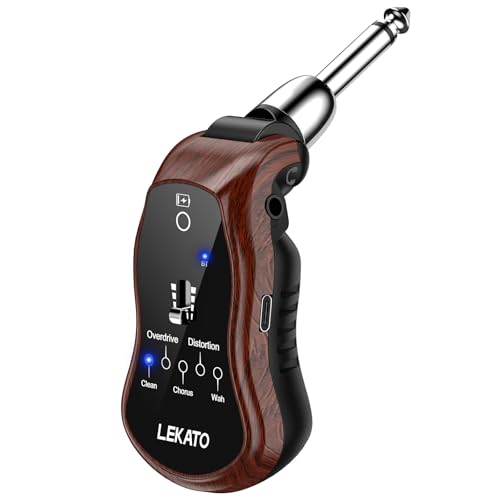
The LEKATO headphone amp is made for quiet practice with electric guitar and bass. It includes clean, chorus, overdrive, distortion, and wah effects in a tiny rechargeable unit. A player plugs the unit into the instrument and connects headphones for private sound. This design avoids disturbing family, roommates, or neighbors.
For an acoustic-electric guitar, compatibility depends on the guitar output and the sound you want. The effects focus on electric-style playing, so the natural acoustic voice may not be the main strength. I would choose it for late-night practice, travel, or learning with headphones rather than live acoustic performance. It is a useful tool, but it does not replace a room-filling combo amp.
Pros:
- Supports nearly silent practice with headphones
- Rechargeable and very easy to carry
- Five effects provide quick sound changes
- Useful for electric guitar and bass
- Good choice for late-night sessions
Cons:
- Not designed for speaker-based live sound
- Electric effects may color acoustic tone
- Requires suitable headphones for the best result
My Recommendation
This LEKATO model suits apartment players, students, and anyone who practices after quiet hours. I would not call it the best amp for acoustic electric guitar in a live setting, but it can be the best private practice tool for some users. Its tiny size makes it easy to keep in a drawer or gig bag. Use it when silence matters more than room volume.
| Best for | Why |
|---|---|
| Apartment practice | Headphones keep sound away from others |
| Late-night playing | Private monitoring avoids loud speaker output |
| Travel | The rechargeable body takes very little space |
15-Watt Bluetooth Acoustic Amp

This 15-watt acoustic-electric amplifier combines a portable speaker format with Bluetooth playback. It includes reverb and a two-band EQ, so players can shape bass and treble without a complicated control panel. The orange finish gives it a distinct look. A listed three-year warranty may also provide extra confidence, subject to the current seller terms.
Bluetooth is useful when I want to practice along with a song, backing track, or lesson. Reverb can add space to a dry pickup sound, but too much can blur fast chords. The two-band EQ is basic, yet it gives enough control to reduce boom or add brightness. This amp may suit a casual acoustic player who wants modern convenience at a modest cost.
Pros:
- Bluetooth supports wireless music playback
- Reverb adds depth to amplified guitar
- Two-band EQ is easy for beginners
- 15 watts suit home and small-room use
- Warranty coverage may improve buyer confidence
Cons:
- Basic EQ offers less control than larger combos
- Not ideal for loud band settings
- Bright styling may not suit every stage
My Recommendation
I recommend this amp for a home player who wants Bluetooth without paying for a complex modeling system. It can be a practical best amp for acoustic electric guitar when simple controls, reverb, and wireless playback rank high. It is less suitable for a full band or large venue. Review the latest warranty terms and specifications before purchase.
| Best for | Why |
|---|---|
| Home practice | Bluetooth and reverb make practice more engaging |
| Song learning | Wireless playback supports lessons and backing tracks |
| Simple tone shaping | Two-band EQ keeps operation easy |
Flatsons 10W Mini Amp

The Flatsons 10W Mini Amp is a rechargeable amplifier for players who want a small footprint with more output than a tiny headphone unit. Its compact body works well for practice, lessons, and short trips. Rechargeable power can make setup quick when the player moves between rooms. The mini format also makes storage simple.
I would choose this model for convenience and basic amplified sound rather than deep tone control. Ten watts can feel useful in a quiet room, but the speaker size still limits bass and projection. Keep expectations realistic, especially if you plan to play with other instruments. For a student or casual player, the simple portable format may be exactly what keeps practice moving.
Pros:
- Rechargeable for flexible placement
- Small size fits desks and shelves
- More practical than a phone-only setup
- Easy to carry to lessons
- Low power suits personal practice
Cons:
- Limited projection for live performance
- Small cabinet may reduce bass response
- Controls and features may be basic
My Recommendation
The Flatsons 10W model is best for learners who want an affordable, portable practice amp. It may be the best amp for acoustic electric guitar for a player who values size and rechargeable use above stage power. I would not choose it for a band or large outdoor crowd. Check current details for effects, charging time, and included items.
| Best for | Why |
|---|---|
| Lesson rooms | It is easy to carry and set up |
| Small homes | The compact cabinet takes little space |
| Casual practice | Ten watts provide simple room-level sound |
How to Choose the Best Amp for Acoustic Electric Guitar
Choosing an amp starts with your guitar pickup. An acoustic-electric guitar may use a piezo pickup, an under-saddle system, a soundhole pickup, or an internal microphone. Each type can sound different through an amplifier. A good acoustic amp aims to keep the guitar clear and natural instead of adding the heavy midrange color common in many electric guitar amps.
Power matters, but watt numbers do not tell the whole story. A 15-watt acoustic combo may sound clean and useful in a small room, while a tiny 10-watt amp may feel thin at the same volume. For home practice, 5 to 15 watts can be enough. For solo gigs, I usually prefer more headroom, especially when a microphone shares the amp.
Speaker size also shapes the result. Small speakers are easy to carry, but they may not reproduce the low body of a full-size acoustic guitar. Larger speakers often give a fuller sound, though they add weight. If you play fingerstyle, listen for clear highs. If you strum hard, look for clean headroom and a cabinet that does not buzz.
Inputs can make an amp far more useful. A guitar-only channel works for instrumental practice, but a microphone channel helps singers avoid buying a second speaker. Bluetooth is handy for backing tracks, while an auxiliary input can serve the same basic purpose. Reverb and chorus are welcome, yet I value a clean guitar channel more than a long effect list.
Feedback control deserves attention. Acoustic guitars can create a loud howl when the speaker sound reaches the guitar body or pickup. Lowering bass, moving away from the speaker, and reducing volume can help. Some acoustic amplifiers offer phase switches or anti-feedback controls. These features are useful on stage, but good placement still matters.
Acoustic Amp Versus Electric Guitar Amp
An electric guitar amp often colors the signal on purpose. That color can sound great with magnetic pickups, overdrive, and distortion. An acoustic amp usually aims for a wider, cleaner response. It tries to act more like a small PA speaker, so the guitar keeps its wood, string, and finger sound.
This does not mean an electric amp can never work. The Fender Frontman 10G may be fine for low-volume practice, especially if you also play electric guitar. Yet a dedicated acoustic amp often gives a more open sound. If your guitar has a bright piezo pickup, an acoustic amp can help avoid a sharp or brittle result.
I also suggest testing the amp with the guitar you own. Two acoustic-electric guitars can sound very different through the same speaker. Pickup age, battery condition, saddle fit, strings, and playing style all affect the signal. Replace a weak guitar battery before judging any amplifier.
Power, Portability, and Real-World Use
For bedroom practice, quiet output is often more important than high power. A small amp will be easier to control and less likely to annoy other people. The LEKATO headphone amp goes even further by keeping the sound in your headphones. That makes it a useful second amp even if you later buy a larger combo.
For a coffeehouse or small worship room, the Fender Acoustasonic 15 may be enough. The Acoustasonic 40 gives more space before the tone becomes strained. If the room has a PA system, the amp may serve as your monitor while the main sound comes through the speakers. In that case, a clean signal and simple controls matter more than extreme wattage.
Battery power changes the way you can play. A rechargeable amp helps at parks, campsites, street corners, and outdoor lessons. Still, check charging time and expected battery life. High volume, Bluetooth playback, and effects can drain a battery faster than quiet guitar practice.
Setup Tips for Better Acoustic Tone
Start with the guitar EQ flat. Play a few open chords, then adjust one control at a time. If the sound feels boomy, reduce bass. If it feels dull, add a small amount of treble. Avoid extreme settings because they can make the guitar sound thin or harsh.
Use reverb like salt. A little can make the guitar feel larger, but too much can hide timing and note detail. Chorus can work well on slow parts, yet it may blur quick picking. I normally begin with every effect off, then add only what the song needs.
Keep the guitar away from the front of the speaker. Pointing the speaker directly at the sound hole can increase feedback. Place the amp slightly to your side or behind you, and raise it off the floor when possible. These small changes often help more than turning knobs at random.
Use fresh strings and a strong battery in the guitar. A tired battery can create weak output, distortion, or strange volume drops. A worn cable can cause crackle when you move. Before blaming an amp, test the guitar, battery, cable, and outlet one at a time.
FAQs Of best amp for acoustic electric guitar
Can I use an electric guitar amp with an acoustic-electric guitar?
Yes, you can use one at low volume. However, an acoustic amp usually gives a more natural and open sound. Keep gain low to avoid unwanted distortion.
How many watts do I need for acoustic guitar?
Five to 15 watts can work for home practice. Solo performers often benefit from 20 to 40 watts. Loud bands may need a PA or a larger professional acoustic system.
Do acoustic amps need reverb?
No, but reverb can make a pickup sound more natural and spacious. Use a small amount first. Too much reverb can blur chords and vocals.
Is Bluetooth important in an acoustic guitar amp?
Bluetooth is useful for backing tracks, lessons, and songs. It is not required for good guitar tone. Give priority to a clean input and suitable speaker voice.
What is the best amp for acoustic electric guitar beginners?
The Fender Acoustasonic 15 is a strong beginner choice. It has an acoustic-focused channel, simple controls, and a microphone input. Players who need more volume should consider the Acoustasonic 40.
Final Verdict: Which Should You Buy?
The Fender Acoustasonic 40 is my top choice and the best amp for acoustic electric guitar for most players. It offers clean acoustic tone, useful volume, two channels, and simple controls.
Choose the Acoustasonic 15 for home use or the LEKATO for quiet practice. For a balanced sound, easy setup, and strong long-term value, the Acoustasonic 40 remains the safest buy.

Senior Music Reviewer
Alex Carter is a seasoned music reviewer with over a decade of experience in the world of sound and instruments. Passionate about helping musicians and enthusiasts make informed choices, he brings sharp insights and in-depth knowledge to every review. From classical instruments to modern gear, Alex combines technical expertise with a love for music to deliver content that resonates with readers.
As a Senior Music Reviewer and expert author on Tuneluma.com, Alex is dedicated to sharing honest evaluations, practical advice, and thoughtful commentary to guide readers in their musical journey.