Best Bridge Pins For Acoustic Guitar: Top Picks For Tone
The best bridge pins for acoustic guitar combine a precise fit, strong material, clean finish, and reliable string support.
If your guitar has loose, cracked, or hard-to-remove bridge pins, even a fresh set of strings can feel like a poor fix. I have found that the right pins can make restringing easier, improve the look of the bridge, and help the ball ends sit securely against the bridge plate. The best bridge pins for acoustic guitar are not always the most costly. Fit, size, slot design, and material matter more than fancy claims. Below, I compare useful options for players who need a simple replacement, a tone-focused upgrade, or a full repair kit.
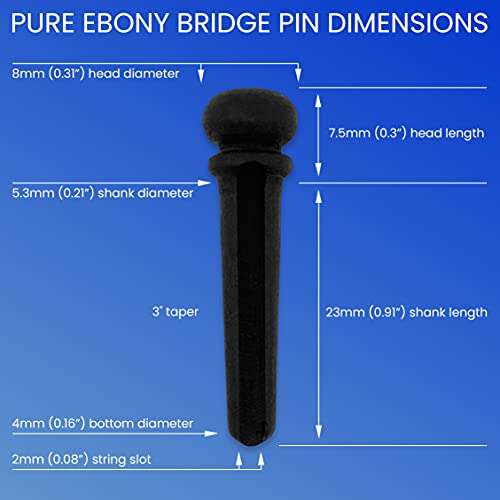
Crosby Ebony Bridge Pins With Abalone Dots
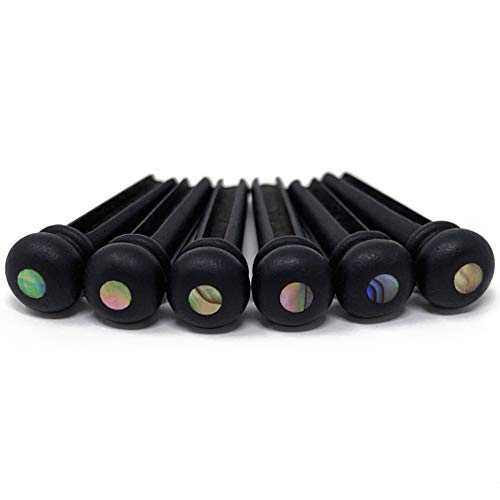
Crosby’s pure ebony bridge pins offer a classic look with a dark, smooth body and a small abalone dot. The pins are slotted, so they work with many standard acoustic guitar bridges. Ebony feels firm in the hand and gives the bridge a refined, traditional appearance. I like this set for players who want a visible upgrade without changing the guitar’s basic setup.
The slot helps guide the string and ball end into place during a restring. Still, the bridge holes must match the pin size and taper, so I would never force one into a tight hole. These pins suit many six-string and 12-string acoustic guitars, but you should compare one old pin before ordering. The result is a clean dress-up job that can make an older guitar look cared for again.
Pros:
- Rich ebony look suits many acoustic guitars
- Abalone dots add a tasteful visual detail
- Slotted design can make restringing easier
- Firm material feels more substantial than basic plastic
- Works for many six-string and 12-string designs
- Useful as a tasteful replacement set
Cons:
- Fit still depends on the guitar’s hole size and taper
- Ebony may show small natural grain changes
- Not the best choice for players who want a low-cost bulk pack
Crosby Pure Bone Bridge Pins With Abalone

These Crosby pins use natural bone instead of ebony. Bone has long been used in guitar parts because it is hard, dense, and able to hold a crisp edge when made well. The light color and abalone dot create a bright contrast against a dark bridge. For a player searching for the best bridge pins for acoustic guitar with a more traditional upgrade feel, this set deserves close attention.
I would choose these pins when I want a clear, polished look and a material that feels durable. They are slotted, which can help keep the string path neat, but the slot must face the correct direction. Natural bone may include slight color variation, and that is part of its appeal. As with any replacement pin, careful fitting matters more than simply pushing the pin into the hole.
Pros:
- Dense bone construction feels durable
- Bright color creates strong bridge contrast
- Abalone dots give the guitar a custom look
- Slotted bodies support easier string changes
- Suitable for many six-string and 12-string guitars
- Good option for players who prefer natural materials
Cons:
- Natural bone can vary slightly in color
- May need light fitting on some bridges
- Costs more than simple plastic replacement pins
Jinlop 24-Piece Bridge Pin Replacement Kit
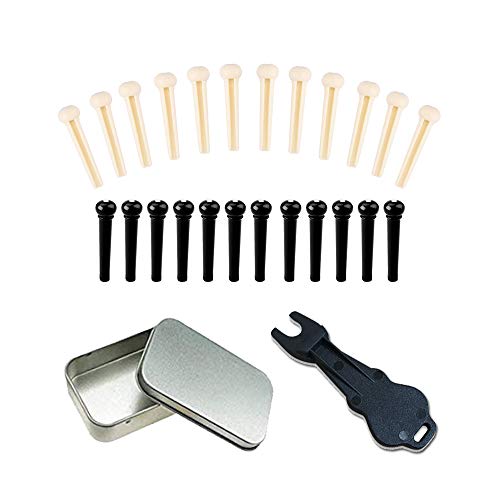
This Jinlop kit is aimed at players who want extras on hand. It includes 24 bridge pins and a pin puller, with ivory and black pieces for different repair needs or personal taste. A multi-piece set makes sense for teachers, repair benches, families with several guitars, and players who often change strings. You can keep spare pins in your case instead of waiting for a single lost pin to turn into a problem.
The included puller is useful because it gives you a safer way to remove stubborn pins. I still recommend protecting the bridge with a soft cloth and pulling straight up with light pressure. The set is more about value and convenience than boutique tone work. If you need the best bridge pins for acoustic guitar on a budget, this kit is practical because it covers more than one future string change.
Pros:
- Large 24-piece quantity offers strong value
- Includes a bridge pin puller
- Black and ivory colors suit different guitars
- Helpful for households with several instruments
- Useful for teachers and repair work
- Provides spares for lost or damaged pins
Cons:
- Basic material may not satisfy tone-focused players
- Color matching may vary from one guitar to another
- Bulk quantity is unnecessary if you need only six pins
Black Plastic Bridge Pins With Puller

This six-piece black plastic set keeps the job simple. It is designed for the player who needs a basic replacement after a pin cracks, disappears, or no longer grips the bridge well. The black finish is easy to match with many factory acoustic guitars. A small pin puller comes with the set, which is a welcome feature at this price level.
Plastic pins remain common because they are light, affordable, and easy to replace. They will not provide the same premium feel as bone or ebony, but they can work very well when the size is correct. I would use this set for a student guitar, a travel guitar, or a quick repair. Check the original pin and measure before buying, since “standard” does not mean universal.
Pros:
- Affordable choice for basic repairs
- Black finish matches many stock guitars
- Includes six pins for one standard string set
- Comes with a puller for easier removal
- Lightweight and easy to keep as a spare
- Good fit for student and entry-level instruments
Cons:
- Plastic feels less premium than bone or wood
- May not suit a high-end visual upgrade
- Correct sizing remains essential
Blisstime Ebony Pins With Abalone Dots

Blisstime’s six ebony pins focus on appearance as much as function. The dark bodies and abalone dots can give a plain bridge a sharper, more finished look. Ebony is a familiar choice for guitar parts because it is hard and smooth when properly shaped. This set works well for someone who wants a small cosmetic upgrade without replacing other hardware.
The pins are made as replacement parts, so I would inspect each one before installation. Look for smooth edges and compare the taper with your old pins. A good pin should sit firmly without bottoming out too early or standing far above the bridge. For many players, these are among the best bridge pins for acoustic guitar when style, cost, and a classic wood look all matter.
Pros:
- Elegant dark ebony appearance
- Abalone dots add a clean decorative touch
- Six-piece set fits a typical steel-string guitar
- Hard material feels more refined than low-cost plastic
- Useful for visual restoration projects
- Simple way to refresh an older guitar
Cons:
- May need minor fitting for some bridges
- Wood can show small grain or finish differences
- Does not include a pin puller
12-Piece Bridge Pin and Saddle Kit

This kit goes beyond bridge pins. It includes 12 pins, a puller, and bridge saddle and nut parts for broader guitar maintenance. That makes it appealing to beginners who want a small repair bundle instead of separate items. It can also help a player prepare for simple upgrades at home. The mixed parts give you more flexibility, but they also require careful checking before use.
I would not install a new saddle or nut without checking height, spacing, and fit. Those parts affect action and intonation, while bridge pins mainly hold the strings in place. The pin puller is useful for routine restringing. If your goal is the best bridge pins for acoustic guitar plus basic spare parts, this kit offers broad value, though it is less focused than a premium six-piece set.
Pros:
- Includes bridge pins and extra guitar parts
- Comes with a bridge pin puller
- Useful for basic home maintenance
- Provides 12 pins for spares
- Good starter kit for new guitar owners
- Can reduce the need for separate accessory orders
Cons:
- Nut and saddle parts may need careful fitting
- Not ideal for players seeking only premium pins
- Part sizes may not suit every guitar
Musiclily Pro Ebony Pins With Pearl Dots

Musiclily Pro bridge pins combine black ebony with a 3-millimeter white pearl shell dot. The contrast is bold but still fits the look of many traditional acoustics. The slotted design helps the string ball and string path settle in a familiar way. This set is a strong choice for a player who wants a neat visual upgrade with a more distinctive dot.
The six-piece count matches a standard six-string acoustic guitar. I like the clean layout because it makes string changes feel less fussy, especially when the old pins are worn. The fit remains the key issue, and I suggest testing one pin before removing all six. These pins may be the best bridge pins for acoustic guitar for players who want ebony’s dark look but prefer a brighter inlay.
Pros:
- Slotted ebony design supports easy installation
- White pearl dots stand out clearly
- Six pins suit a standard six-string guitar
- Classic black finish works with many bridges
- More distinctive look than plain black pins
- Useful for both repair and cosmetic refresh work
Cons:
- Bold dots may not fit every guitar style
- May require light hand fitting
- Does not include a removal tool
Vencetmat Cocobolo Vintage-Style Pins
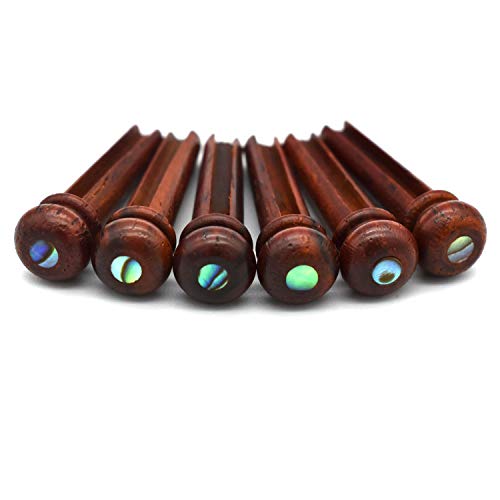
Vencetmat uses cocobolo for a warm, vintage-style appearance. The reddish-brown wood can add character to a plain bridge, while the green abalone dots give the set a clear visual identity. These pins are slotted and designed as replacement parts for acoustic guitar bridges. I see them as a style-first option for players who want something less common than black ebony.
Wood pins can vary in grain and shade, so no two sets need to look exactly alike. That natural variation can be charming, but it also means the finish may not match every guitar. Before fitting them, check that the slots face the soundhole and that each pin sits at a safe height. For a guitar with a warm wood theme, these can be the best bridge pins for acoustic guitar from a design point of view.
Pros:
- Distinctive cocobolo wood appearance
- Green abalone dots add a vintage touch
- Slotted bodies help guide the strings
- Natural grain gives each set character
- Good choice for custom-looking guitar repairs
- Can complement warm brown bridge and body colors
Cons:
- Wood shade may vary from the product image
- Less suitable for players who want a plain factory look
- Fit must be checked before full installation
Blisstime Unbleached Natural Bone Pins

These Blisstime pins use an unbleached natural bone color, which gives them a soft cream tone instead of a bright white finish. Each pin includes an abalone dot for a small but useful visual lift. Bone is a popular choice for guitar parts because it is hard and resists quick wear under normal use. This set may appeal to players who want a natural material without a highly polished appearance.
The unbleached color can blend well with cream binding, light saddles, or vintage-style hardware. I would still inspect the pin shafts, slots, and tapers before installation. Do not sand aggressively, because removing too much material can make a pin sit too low or wobble. If your guitar has a warm finish, these are among the best bridge pins for acoustic guitar for a subtle, natural update.
Pros:
- Natural bone color suits vintage-style guitars
- Abalone dots add a tasteful detail
- Hard material offers a durable replacement option
- Six-piece set matches a standard acoustic
- Warm color blends with many cream and brown parts
- Good alternative to bright white bone pins
Cons:
- Natural color may not match a bright white saddle
- May need minor fitting for a proper taper
- No puller is included
14-Piece Pin and Guitar Tool Kit

This 14-piece kit is built for convenience. Along with bridge pins and a saddle nut, it includes a combination tool with pin pulling, string winding, and cutting functions. That can save space in a gig bag and help a new player handle basic string changes. The black and white pin colors also give you a simple way to choose the better visual match.
I like this type of kit for guitarists who are learning basic care and do not yet own a full tool set. The included tools can make a string change faster, but they do not replace a proper file, ruler, or repair setup. Use care around the bridge and avoid levering hard against the guitar top. For practical home use, this is a useful contender among the best bridge pins for acoustic guitar accessories.
Pros:
- Includes bridge pins and useful guitar tools
- String winder can speed up restringing
- Integrated cutter adds everyday convenience
- Pin puller helps remove tight pins
- Black and white pieces offer color choice
- Good starter kit for newer guitar players
Cons:
- Multi-use tools may feel basic
- Saddle and nut parts may need professional fitting
- Not focused on premium pin materials
My Recommendation
I judge bridge pins by four things: fit, strength, finish, and ease of use. A pin should sit firmly in the bridge without forcing, rocking, or rising too high. It should also protect the string ball from slipping into the bridge plate. Material can affect feel and appearance, but a poor fit can cause more trouble than a low-cost material.
For a premium-looking upgrade, I would start with the Crosby ebony or Crosby bone sets. The ebony options look dark and classic, while the bone options give a brighter contrast. Blisstime’s ebony and unbleached bone pins offer similar style choices at a practical price. Vencetmat stands out when you want warm wood grain and a more personal look.
For repairs, spares, or several guitars, the Jinlop 24-piece pack offers the most flexibility. The black plastic set is a sensible low-cost fix when you only need standard replacement pins. The 12-piece and 14-piece kits suit beginners who also need a puller or basic guitar tools. In my view, the best bridge pins for acoustic guitar depend on whether your main goal is tone, style, price, or repair convenience.
| Best for | Why |
|---|---|
| Best premium look | Crosby ebony and bone pins use refined materials with attractive abalone dots. |
| Best budget repair | The black plastic set gives you six replacement pins and a puller at a low cost. |
| Best all-around kit value | Jinlop, the 12-piece kit, and the 14-piece kit include useful spares and tools. |
| Best natural wood style | Vencetmat cocobolo adds warm grain and green abalone detail. |
| Best vintage color | Blisstime unbleached bone offers a soft cream tone with a natural look. |
| Best classic contrast | Musiclily Pro ebony uses a dark body and bright pearl dot. |
| Best for several guitars | Jinlop provides 24 pieces, so you can keep useful spares nearby. |
| Best for first-time maintenance | The 14-piece kit includes a winder, cutter, and pin puller. |
| Best for a six-string setup | Six-piece sets match the usual number of bridge pins on a standard acoustic. |
| Best for visual restoration | Ebony, bone, and cocobolo options can refresh an aging bridge without major work. |
How to Choose the Best Bridge Pins for Acoustic Guitar
Choosing bridge pins is not only about picking the prettiest set. The pin must match the bridge hole, taper, slot style, and string layout. Many acoustic guitars use pins that look similar but differ in shaft size or taper. That small difference can decide whether the pin locks in place or sits poorly.
Check the Size and Taper
Take one existing pin out and compare it with the replacement listing. Measure the shaft if possible, and look at the taper from the head down to the tip. A bridge pin should seat on its tapered sides, not simply rest on the top of the bridge. If the new pin stops too soon, do not hammer it down.
Some players use a pin reamer for a precise fit. That tool can help, but it can also remove material quickly. I recommend small changes and frequent tests. If the bridge shows cracks or the holes look damaged, a guitar technician should handle the repair.
Slotted Versus Unslotted Pins
Slotted pins have a channel for the string. They are common on many factory acoustic guitars and can make installation more direct. Unslotted pins rely on a slot in the bridge itself. Neither design is automatically better, but the replacement should match the way your guitar was built.
When installing a slotted pin, face the slot toward the soundhole. The string should pass through the slot while the ball end locks below the bridge plate. If the ball end catches under the bridge, remove the pin and string together, then reset the string path.
Bone, Ebony, Wood, or Plastic?
Bone pins feel dense and can provide a crisp, premium finish. Ebony pins look elegant and often feel smooth under the fingers. Cocobolo and other woods add color and grain. Plastic pins cost less and work well for simple repairs, student guitars, and spare sets.
I do not promise a dramatic tone change from bridge pins alone. The strings, bridge plate, saddle, nut, top, bracing, and setup have a much larger role. Still, a secure pin can prevent string movement and help the guitar work as intended. The best bridge pins for acoustic guitar are the ones that fit correctly and suit your needs.
Why Bridge Pin Fit Matters
A loose pin can lift during playing or restringing. A pin that sits too low may not hold the string ball in the right place. A pin that sits too high can look poor and may signal that the taper does not match. In each case, the bridge plate may receive extra stress.
Before installing a new set, loosen the strings fully. Pull each old pin with a proper puller or use the notch in a string winder. Never pry against the guitar top with a metal tool. A soft cloth can protect the finish while you work.
Installation Tips for New Acoustic Guitar Bridge Pins
Start by removing one pin and one string at a time. This keeps the other strings in place and gives you a clear reference for the correct direction. Compare the new pin with the old one before you put it in. If the shapes differ, stop and check the product size.
Insert the string through the bridge and place the ball end below the bridge plate. Push the pin down gently while holding the string so the ball does not sit under the pin tip. Pull the string upward to confirm that the ball has locked against the underside of the plate. Then tune the string slowly.
After all strings are installed, inspect the pin heads. They should sit at similar heights, though small differences can occur with natural parts. Check for gaps, leaning pins, or movement. If one pin spins freely or rises as you tune, remove it and inspect the fit.
Common Mistakes to Avoid
The most common mistake is assuming every acoustic guitar uses the same bridge pin size. Many do not. Another mistake is forcing a pin into a hole because it looks close enough. That can damage the bridge or make future repairs harder.
Some players also replace bridge pins while ignoring a worn bridge plate. A pin cannot solve a cracked plate or a string ball that has already pulled into the wood. If the string ball sits deep inside the guitar, ask a repair professional to inspect the plate.
Do not sand a pin until you know why it does not fit. The hole may be dirty, the slot may face the wrong way, or the pin may simply be the wrong taper. Work slowly. A few minutes of checking can prevent an expensive bridge repair.
FAQs Of best bridge pins for acoustic guitar
Do bridge pins change acoustic guitar tone?
They can make a small difference in response because materials differ in density, but the effect is usually subtle. Fit and string-ball contact matter more than material alone. The saddle, strings, top, and setup have a much greater effect on tone.
How do I know which bridge pin size I need?
Compare the new pin with an original pin and measure the shaft and taper. Check your guitar maker’s specifications when available. If you cannot confirm the size, a guitar shop can measure the bridge quickly.
Are bone bridge pins better than plastic pins?
Bone pins often feel denser and look more premium. Plastic pins are lighter and less costly. Neither is automatically better if the fit is poor, so choose the material that matches your budget and guitar.
Can I install bridge pins myself?
Yes, most players can replace them during a normal string change. Loosen the strings, protect the top, and pull each pin straight up. Never force a pin that does not seat correctly.
Should bridge pin slots face the soundhole?
Usually, yes. On a slotted pin, the string should follow the slot toward the soundhole. The exact setup can vary, so copy the direction of the original pins.
Final Verdict: Which Should You Buy?
For most players, Crosby ebony or Crosby bone pins are the strongest upgrade picks. For low-cost repairs, choose the black plastic set. For spares and tools, Jinlop or the 14-piece kit offers better value.
The best bridge pins for acoustic guitar are the ones that fit your bridge, hold the strings safely, and match your style. Measure first, install gently, and your guitar will be ready for many more songs.

Senior Music Reviewer
Alex Carter is a seasoned music reviewer with over a decade of experience in the world of sound and instruments. Passionate about helping musicians and enthusiasts make informed choices, he brings sharp insights and in-depth knowledge to every review. From classical instruments to modern gear, Alex combines technical expertise with a love for music to deliver content that resonates with readers.
As a Senior Music Reviewer and expert author on Tuneluma.com, Alex is dedicated to sharing honest evaluations, practical advice, and thoughtful commentary to guide readers in their musical journey.