How Much Is An Acoustic Guitar

How Much Is An Acoustic Guitar: Price Guide

An acoustic guitar usually costs $100 to $5,000 or more, depending on its materials, build quality, brand, and features.

Knowing how much is an acoustic guitar helps you set a smart budget instead of paying for features you do not need. After comparing beginner, intermediate, solid-wood, used, and professional models, I have found that the best value often sits between $300 and $800. This guide breaks down real price ranges, hidden costs, and the signs of a guitar worth buying.

Acoustic guitar price ranges at a glance
Source: amazon.com

Acoustic guitar price ranges at a glance

The price of an acoustic guitar can vary more than many new players expect. A basic model may cost less than a night out, while a handmade guitar can cost as much as a used car.

Here is a practical guide to common price levels in the United States:

• $100 to $200: Basic beginner guitars with simple materials and factory construction.

• $200 to $500: Better entry-level guitars with improved comfort, tone, and quality control.

• $500 to $1,000: Strong intermediate guitars, often with solid tops and better hardware.

• $1,000 to $3,000: Professional-quality guitars with premium woods, refined construction, and more detail.

• $3,000 to $10,000 or more: Boutique, vintage, custom, and high-end handmade instruments.

The answer to how much is an acoustic guitar depends on your goals. A casual player may be happy with a $200 guitar. A working musician may need a reliable $1,000 instrument that performs well on stage and in the studio.

Prices also change with sales, supply, import costs, and brand demand. A guitar listed at $600 may sell for less during holiday promotions or manufacturer rebates.
How much is an acoustic guitar for a beginner?
Source: soundpure.com

How much is an acoustic guitar for a beginner?

A beginner acoustic guitar usually costs between $150 and $400. This range gives you access to instruments that are easier to play and more likely to stay in tune.

Very cheap guitars can look attractive, but poor setup can make them hard to play. High string action, sharp fret edges, and weak tuning machines may frustrate a new player. In many cases, spending an extra $50 to $100 makes a noticeable difference.

Good beginner features include:

• A comfortable neck that does not feel too thick.

• Low but clean string action.

• Sealed tuning machines that turn smoothly.

• A spruce or mahogany top.

• A known brand with a return policy.

• A body size that fits your arms and posture.

Some beginner guitars include a gig bag, tuner, strap, picks, and extra strings. A bundle can save money, but check the guitar first. Accessories have little value if the instrument itself is difficult to play.

One common mistake is choosing based only on appearance. A glossy finish and decorative inlay may look impressive, but playability matters more. The best beginner acoustic guitar is the one that makes you want to practice.
What affects the price of an acoustic guitar?
Source: yamaha.com

What affects the price of an acoustic guitar?

Several parts work together to determine how much is an acoustic guitar. The largest factors are the wood, construction method, craftsmanship, brand, electronics, and quality of the final setup.

Solid wood versus laminate

The top of an acoustic guitar has a major effect on tone. Solid wood usually produces a richer and more responsive sound than laminate wood.

A solid top is made from one piece of wood, or matched pieces joined at the center. Laminate wood uses thin layers pressed together. Laminate is often more resistant to changes in humidity and can keep costs lower.

Common tonewoods include:

• Sitka spruce: Clear, balanced, and useful for many playing styles.

• Cedar: Warm and responsive, especially for fingerstyle playing.

• Mahogany: Focused, woody, and often smooth in the midrange.

• Rosewood: Rich, deep, and complex, though often more expensive.

A guitar with a solid top does not automatically sound better in every situation. A well-built laminate guitar can sound excellent, especially for travel, outdoor use, and beginners.

Factory-made versus handmade construction

Large factories can produce guitars efficiently, which lowers the price. Handmade guitars require more labor and careful inspection, so they often cost much more.

A handmade instrument may include:

• More precise fretwork.

• Custom neck shapes.

• Select wood.

• Detailed bracing work.

• Hand-applied finish.

These features can improve the playing experience, but they are not necessary for every guitarist. A factory-made guitar from a respected manufacturer may offer outstanding value.

Brand reputation

Established brands charge more because they invest in design, quality control, warranty service, and distribution. You may also pay for a proven track record.

That does not mean every expensive brand model is the best choice. Compare the actual materials and construction. A lesser-known guitar with a solid top and good setup may outperform a famous model at the same price.

Built-in electronics

An acoustic-electric guitar has a pickup and preamp for connection to an amplifier or recording system. This usually adds $50 to $300 or more to the price.

Electronics are useful if you plan to perform. They are not essential if you only play at home. A standard acoustic guitar may give you better wood and construction for the same budget.

How much is a good acoustic guitar?
Source: acousticguitar.com

How much is a good acoustic guitar?

A good acoustic guitar usually costs $300 to $800. This is often the best value range for players who want dependable tone, comfort, and long-term use.

At this level, you can often find:

• Solid spruce or mahogany tops.

• Improved bracing and resonance.

• Better fret finishing.

• More stable tuning machines.

• Comfortable neck profiles.

• Reliable warranties.

A $500 guitar may feel very different from a $150 guitar. The notes may ring longer, chords may sound more balanced, and the neck may feel smoother under your hand. These improvements can make practice more enjoyable.

For many players, the $300 to $800 range is enough for lessons, songwriting, worship music, live performances, and home recording. You do not need to spend thousands of dollars to get a serious instrument.

Before buying, play open chords, barre chords, single notes, and a few songs. Listen for buzzing, dead notes, and uneven volume. A good guitar should respond well without forcing your hands to work too hard.

How much is a professional acoustic guitar?
Source: cortguitars.com

How much is a professional acoustic guitar?

Professional acoustic guitars often cost between $1,000 and $5,000. Boutique and custom instruments can cost $10,000 or more.

At this level, the price may reflect:

• Carefully selected solid woods.

• More advanced bracing patterns.

• Hand-finished fretwork.

• Thin, carefully applied finishes.

• Premium tuners and bridges.

• Custom body shapes and neck dimensions.

• Detailed inspection and setup.

Professional guitars often have a wider range of tone and respond more clearly to changes in picking strength. A light touch may produce a soft sound, while a stronger attack may create more volume and texture.

Still, expensive does not always mean suitable. A large dreadnought may sound powerful but feel uncomfortable for a smaller player. A bright guitar may not fit someone who prefers warm fingerstyle tones.

The best professional guitar matches the player. Price is only one part of that match.

How much is a used acoustic guitar?
Source: yamaha.com

How much is a used acoustic guitar?

A used acoustic guitar may cost 40% to 70% less than a similar new model. For example, a guitar that sells new for $800 may appear used for $400 to $600, depending on condition and demand.

Used guitars can offer excellent value. They may already have a good setup, and older solid wood can develop a mature, pleasing tone. However, used instruments also carry more risk.

Check these areas before buying:

• The neck: Look for a severe forward bow or twist.

• The bridge: Make sure it is firmly attached.

• The top: Watch for cracks, lifting, or unusual bulges.

• The frets: Deep grooves may require replacement.

• The tuners: They should turn smoothly and hold pitch.

• The truss rod: Avoid guitars with a damaged or stripped adjustment rod.

• The case: A hard case adds protection and value.

Small scratches usually do not matter. Structural damage does. A repaired crack may be safe if a skilled technician fixed it, but ask for details and inspect the repair closely.

If possible, buy from a seller with a return period. That gives you time to test the guitar in a quiet room rather than making a rushed decision in a busy store.

Extra costs to include in your budget
Source: equipboard.com

Extra costs to include in your budget

The sticker price is not the full cost of owning an acoustic guitar. New players often forget the small items that make the instrument easier to use and protect.

Plan for these common expenses:

• Gig bag: $30 to $150.

• Hard case: $100 to $400.

• Guitar tuner: $10 to $40.

• Strap: $10 to $50.

• Picks: $3 to $15.

• Extra strings: $7 to $25 per set.

• Capo: $15 to $50.

• Professional setup: $50 to $150.

• Humidifier: $15 to $40.

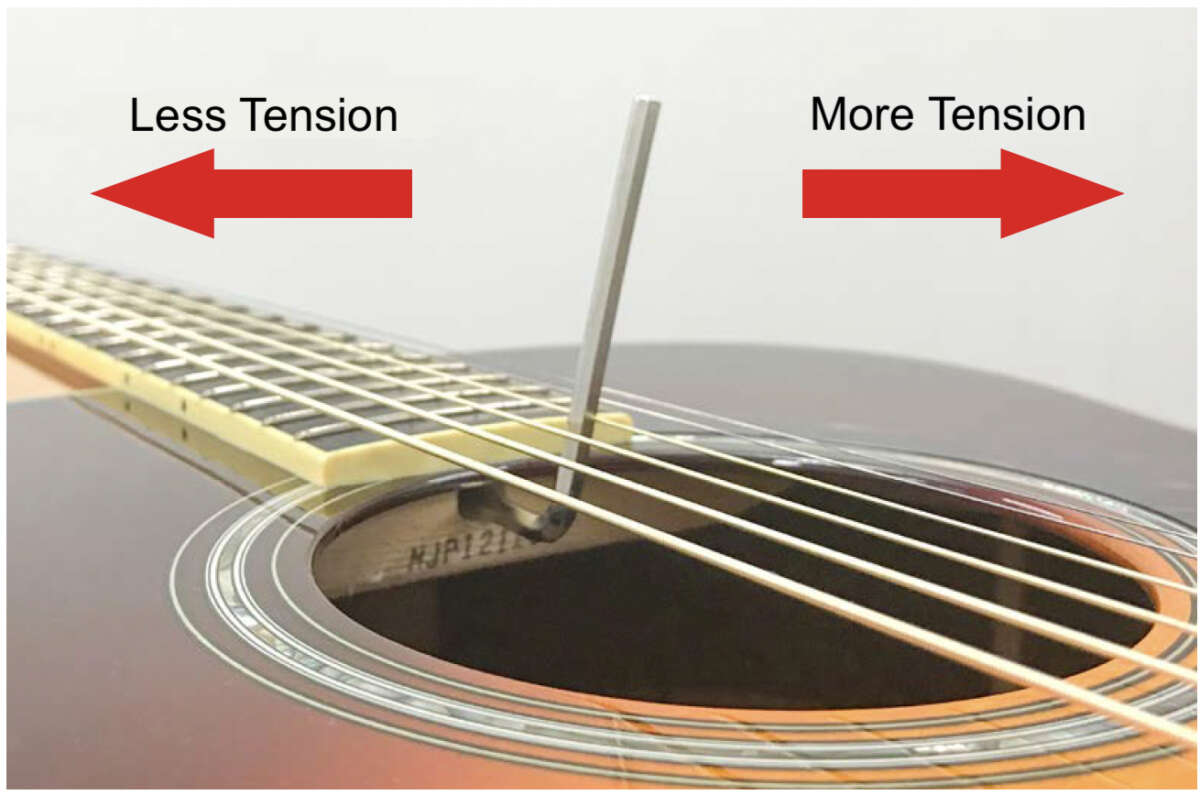
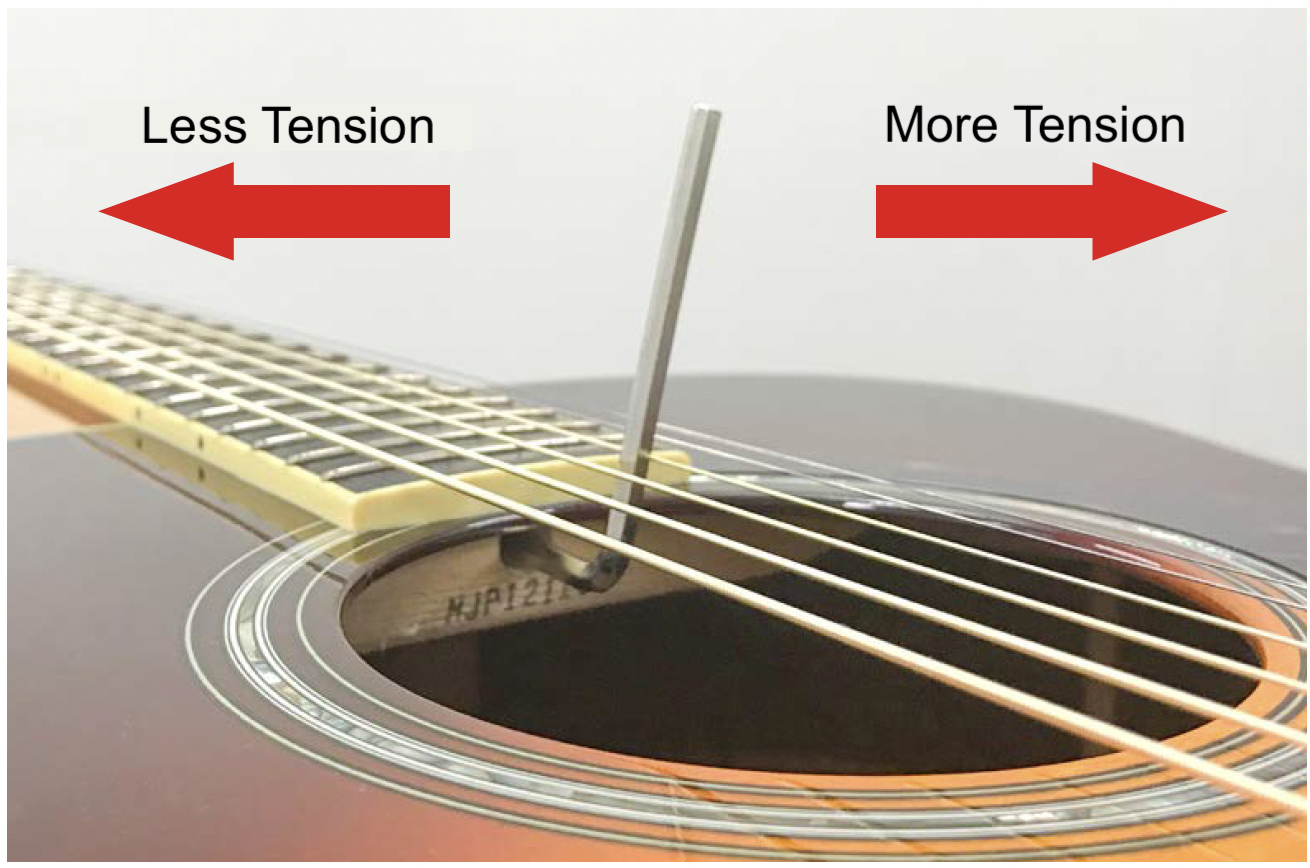
A setup is one of the most valuable upgrades for a new guitar. A technician can adjust the neck, bridge saddle, nut, and intonation. This can make an affordable guitar feel much better.

Strings also affect tone and comfort. Light strings are easier for many beginners, while medium strings can provide more volume. Always use the string type recommended for your guitar.

Humidity deserves special attention. Acoustic guitars are made from wood, and very dry or damp conditions can cause cracks, swelling, or poor playability. A basic humidifier is cheap insurance, especially in dry winter climates.

Should you buy a cheap acoustic guitar?
Source: martinguitar.com

Should you buy a cheap acoustic guitar?

A cheap acoustic guitar can be a good choice when you have a tight budget, need a travel instrument, or are unsure whether you will continue playing.

The problem is not the low price itself. The problem is poor construction. A $100 guitar that stays in tune and feels comfortable may be better than a $250 guitar with a warped neck.

Look for these signs of value:

• The strings sit at a comfortable height.

• The neck feels straight.

• The frets do not cut into your hand.

• The guitar stays in tune for several minutes.

• Notes sound clear across the fretboard.

• The body has no serious cracks or loose parts.

Avoid buying a guitar that feels painful just because someone says beginners must “build strong fingers.” Mild fingertip soreness is normal. A guitar with extreme string tension or high action can slow your progress and reduce motivation.

A cheap guitar is suitable for many first steps. If you practice often, you can upgrade later and keep the first guitar as a backup.

Acoustic guitar body shapes and their prices

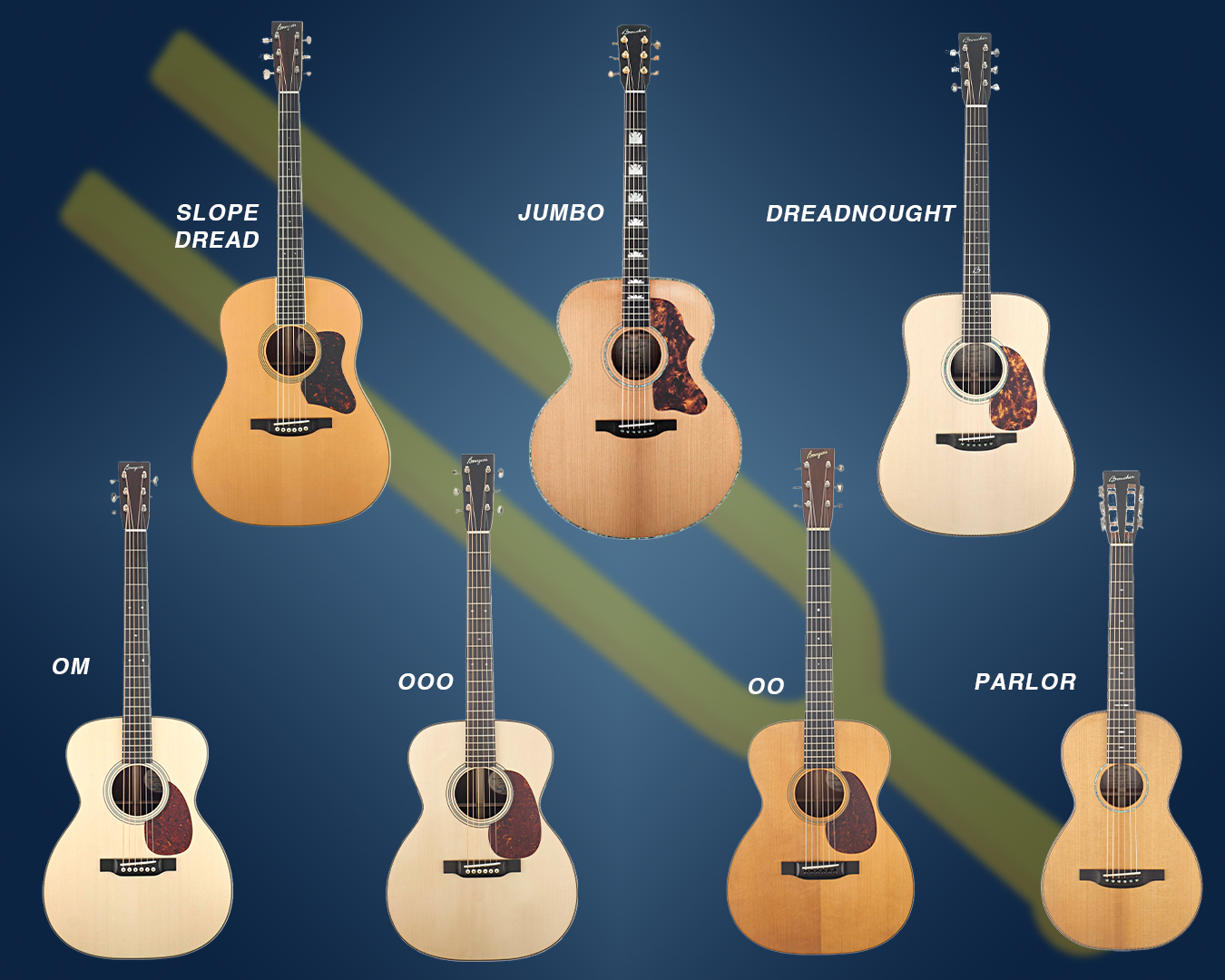
Body shape affects comfort, volume, bass response, and price. It also changes how the guitar feels when you sit or stand.

Dreadnought

Dreadnought guitars have large bodies and strong bass. They work well for strumming and bluegrass. Many affordable dreadnoughts cost $150 to $500, while premium models can cost several thousand dollars.

Concert and auditorium

These medium-sized guitars offer a balanced tone and comfortable shape. They suit fingerstyle, light strumming, and smaller players. Prices often range from $200 to $2,000 or more.

Grand auditorium

Grand auditorium guitars provide a versatile balance between comfort and volume. They are popular with singers and performing musicians. Expect a wide range from $300 to $3,000.

Parlor

Parlor guitars have smaller bodies and a focused, intimate sound. They can be excellent for blues, folk, and fingerpicking. Prices range from about $200 to well above $2,000.

Travel guitar

Travel guitars are compact and easy to carry. Many cost $100 to $600. They may have less bass than a full-size guitar, but they are useful for trips, camping, and casual practice.

Try several body shapes before deciding how much is an acoustic guitar for your needs. Comfort can matter more than a small difference in tone.

How to choose the right acoustic guitar budget

Start with your playing goal, not with a brand name. Your answer to how much is an acoustic guitar should reflect how and where you will play.

Use this simple process:

  1. Set a total budget, including accessories and setup.

  2. Choose whether you need acoustic-electric electronics.

  3. Test at least three body shapes.

  4. Compare solid-top and laminate models.

  5. Check the neck, frets, bridge, and tuning stability.

  6. Play both softly and loudly.

  7. Ask about returns, warranty coverage, and humidity care.

  8. Sleep on the decision if you feel pressured.

For a first guitar, a total budget of $250 to $500 is sensible. For a serious hobbyist, $500 to $1,000 opens more choices. For recording or professional work, spend based on comfort, tone, and reliability rather than status.

When I help people compare guitars, I often see them focus on the label inside the sound hole. A better approach is to focus on how the instrument feels after ten minutes of playing. The right guitar should feel like a natural extension of your hands, not a piece of furniture you must fight.

Common mistakes when buying an acoustic guitar

Understanding how much is an acoustic guitar is useful, but avoiding buying mistakes is just as important.

• Spending the entire budget on the guitar and forgetting a case.

• Choosing a large body that feels uncomfortable.

• Buying online without checking the return policy.

• Assuming solid wood always means better sound.

• Ignoring buzzing, fret wear, or neck problems.

• Paying for electronics you will never use.

• Selecting extra-heavy strings as a beginner.

• Judging tone in a loud store.

• Skipping a professional setup.

• Buying based only on color or decoration.

A guitar may also sound different in a store than it does in your room. Ask someone to play it while you stand several feet away. This helps you hear the instrument from the listener’s position.

Take your time. A careful test can prevent months of frustration and the cost of replacing a poor instrument.

Frequently asked questions about how much is an acoustic guitar

How much should a beginner spend on an acoustic guitar?

Most beginners should consider spending $150 to $400 on the guitar, plus money for a tuner, strings, and a bag. A comfortable, well-built instrument is usually a better choice than the cheapest model available.

Is a $100 acoustic guitar worth buying?

A $100 acoustic guitar can be worth buying if it has a straight neck, clean frets, stable tuning, and comfortable string action. Inspect it carefully, because quality can vary widely at this price.

Is $500 expensive for an acoustic guitar?

A $500 acoustic guitar is not unusually expensive and often offers very good value. Many guitars in this range have solid tops, improved construction, and enough quality for serious practice or small performances.

How much is an acoustic guitar with a pickup?

An acoustic-electric guitar with a pickup commonly costs $200 to $1,500, though premium models can cost more. The electronics, wood, brand, and construction all affect the final price.

Do expensive acoustic guitars sound better?

Expensive acoustic guitars often offer better materials, detail, projection, and craftsmanship, but they do not sound better for every player. A less expensive guitar with the right body shape and setup may suit you more.

Is it better to buy a new or used acoustic guitar?

A used acoustic guitar can provide more value, while a new one gives you a warranty and fewer unknown problems. Beginners may prefer new instruments from a reputable seller unless an experienced player can inspect the used guitar.

Conclusion

So, how much is an acoustic guitar? Plan on $150 to $400 for a solid beginner instrument, $300 to $800 for a strong everyday guitar, and $1,000 or more for professional quality. Used guitars can lower the cost, while premium wood, handmade work, and built-in electronics can raise it.

Focus on comfort, tuning stability, construction, and sound before chasing a famous name. Set a complete budget, test several guitars, and leave room for a setup and basic accessories. Explore guitars in your price range, compare them carefully, and choose the one that makes you want to play today.

Similar Posts

Leave a Reply

Your email address will not be published. Required fields are marked *