How To Clean Drum Cymbals: Ultimate Step-By-Step Guide
Clean cymbals sound better — wash gently with mild soap, dry, and polish only when needed.
I've spent years fixing and maintaining drum kits for gigs and studios, so I know what works and what doesn't when learning how to clean drum cymbals. This guide walks you through safe daily care, step-by-step cleaning, pro tips on deep polish, and what to avoid so your cymbals keep tone and last longer. Read on for clear, tested advice you can use tonight before your next session.

Why cleaning cymbals matters
Clean cymbals sound clearer. Dirt, oil, and grime can dull attack, reduce sparkle, and change tonal balance over time. Regular care keeps your cymbals sounding like new and can add years to their life.
Cleaning also prevents corrosive build-up. Sweat and fingerprints leave acids that slowly eat into the bronze or brass alloy. Knowing how to clean drum cymbals helps you avoid tone loss and costly replacements.

Types of cymbals and how they affect cleaning
Different cymbals need different care. Identify your cymbal type before you clean.
- Lathed cymbals: Have grooves from the lathe. Dirt hides in grooves and needs gentle brushing.
- Unlathed or raw cymbals: Have a matte finish. Avoid aggressive polishing that removes the raw character.
- Brilliant finish: Shiny, factory-polished cymbals can be polished again if done carefully.
- Vintage or raw-patina: Many players prefer the aged look. Cleaning can remove desired patina and change tone.
Knowing the finish guides your approach to how to clean drum cymbals safely.

Tools and materials you’ll need
Use simple, safe supplies. Avoid harsh abrasives unless you really know what you’re doing.
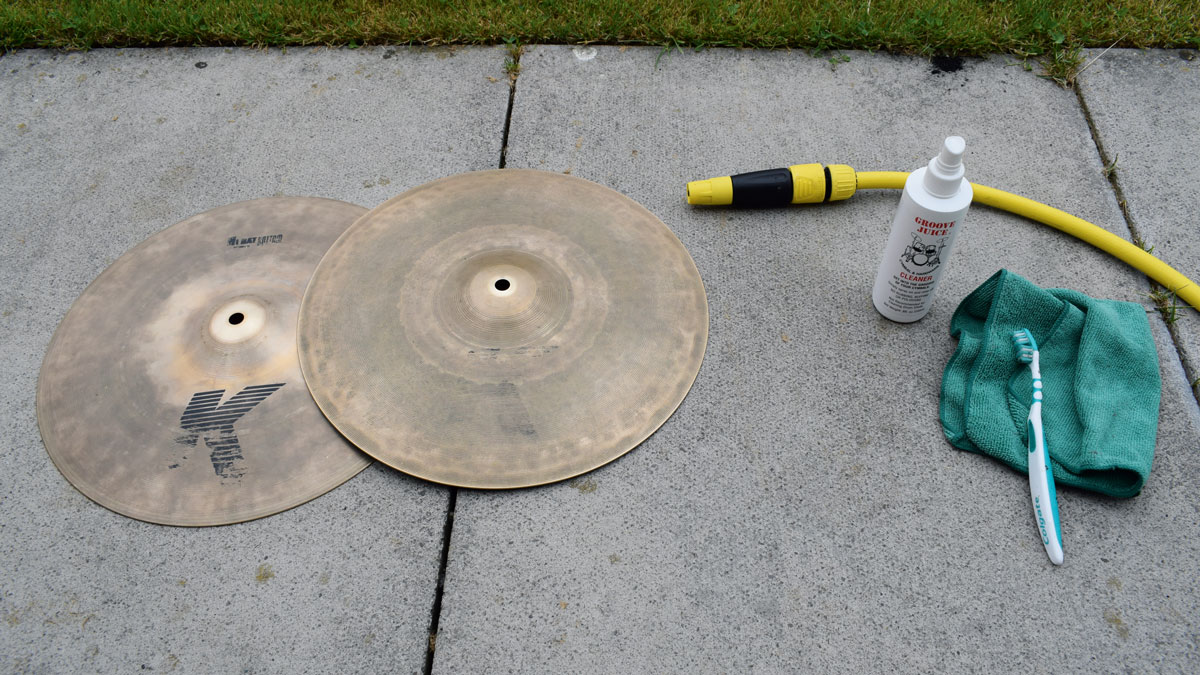
- Microfiber cloths: For wiping and drying.
- Soft-bristle toothbrush or nylon brush: For grooves and stick marks.
- Mild dish soap: Gentle and effective for basic cleaning.
- Warm water in a shallow tub or sink: For soaking and rinsing.
- Commercial cymbal cleaner or metal polish (optional): For heavy tarnish or polishing.
- Rubber gloves: Protect hands and avoid fingerprints.
- Soft towels or drying rack: For safe drying.
- Optional: cotton gloves to handle cymbals after cleaning.
These items make it easy to learn how to clean drum cymbals without risking surface damage.

Step-by-step: Basic cleaning for regular maintenance
This routine is safe for most cymbals and works well for everyday grime.
- Remove the cymbal from the stand and place it on a soft, flat surface.
- Rinse briefly with warm water to remove loose dirt.
- Mix a few drops of mild dish soap with warm water in a tub or sink.
- Dip a microfiber cloth into the soapy water and wipe the cymbal following the grooves if lathed.
- Use a soft-bristle brush to lift stuck-on stick marks or grime from grooves.
- Rinse thoroughly with warm water to remove soap residue.
- Dry immediately with a clean microfiber cloth, patting rather than rubbing.
- Reinstall using clean felts and sleeves to prevent metal-on-metal contact.
Follow these steps to keep cymbals gig-ready. For regular cleaning, this process is quick and safe.
Deep cleaning and polishing: when and how
Deep cleaning is for heavy tarnish or buildup. Polishing changes the finish and can alter tone, so choose wisely.
When to deep clean
- Visible dark stains or verdigris
– Heavy stick marks that basic cleaning won’t remove - Selling cymbals and needing a bright appearance
How to deep clean
- Test first: Try the cleaner on an inconspicuous spot or an old cymbal.
- Apply a small amount of commercial cymbal cleaner or mild metal polish to a soft cloth.
- Work in small sections, moving with the grooves on lathed cymbals.
- Rinse and dry thoroughly after polishing.
- Buff with a clean cloth to restore shine.
Polishing tips
- Use a product made for bronze/brass or labeled safe for cymbals.
- Avoid steel wool or pads—these leave scratches.
- Don’t polish logos unless you want them removed or faded.
Deep cleaning can bring back sparkle, but it can also strip patina and micro-structure that affect tone. Think about the trade-off before you polish.

Cautions and common mistakes to avoid
A few wrong moves can harm tone or finish.
- Do not use steel wool or harsh abrasives. They scratch and change the surface.
- Avoid household cleaners with ammonia or bleach. Those chemicals can pit metal.
- Don’t over-polish. Removing alloy layers changes resonance and weight.
- Never tighten wing nuts too hard when mounted; that can warp the bell.
- Avoid soaking cymbals with glued decals for long periods; adhesives can weaken.
Respect the metal. Small, careful steps keep cymbals sounding right.

How often to clean your cymbals
Frequency depends on use and environment.
- Light home practice: clean every 3–6 months.
- Gigging musicians: wipe after every set and deep clean every 1–3 months.
- Studio use: wipe after sessions; deep clean only when needed.
A quick wipe after playing removes sweat and oils. That simple habit is the core of knowing how to clean drum cymbals well.

Storage and care between cleanings
Good storage reduces the need for heavy cleaning and protects tone.
- Use cymbal bags or hard cases for transport.
- Store cymbals vertically with felt separators to avoid rubbing.
- Keep them in a dry place; humidity speeds corrosion.
- Replace worn felts and sleeves on stands to prevent metal wear.
Proper storage is preventative care. It saves time and preserves sound.

My experience, lessons learned, and pro tips
I once used a heavy metal polish on a vintage ride to make it shine. I removed the patina and lost the dark, complex tone I loved. I had to learn when to stop.
Tips from years on the road
- Wipe after every gig; it stops corrosion at the source.
- Use cotton or rubber gloves when handling freshly cleaned cymbals to avoid new fingerprints.
- Keep a small cleaning kit in your gig bag: cloth, dish soap, spare felts.
- Label cymbals by finish so you use the right cleaning method.
These small habits keep cymbals reliable and sounding their best.
Common concerns and quick answers
h3 How long does a deep polish last?
A deep polish can last months, depending on how often you play and how much you handle the cymbal.
h3 Will polishing change the sound?
Yes. Polishing can brighten sound and slightly reduce complex overtones. Test on a spare cymbal first.
h3 Can I remove all tarnish safely at home?
Most tarnish can be removed with store cleaners. Severe corrosion may need a pro or replacement.
Frequently Asked Questions of how to clean drum cymbals
How do I remove stick marks from cymbals?
Use a soft-bristle brush or microfiber cloth with mild dish soap and warm water, working with the grooves. For stubborn marks, a small amount of commercial cymbal cleaner can help.
Is it safe to use metal polish on all cymbals?
No. Metal polish brightens finish but can remove patina and alter tone. Test on an unseen area and avoid raw or vintage finishes if you want to keep their character.
Can I clean cymbals on the stand?
It’s best to remove cymbals before cleaning. Cleaning on the stand risks wetting stand parts and causing uneven pressure or warped edges.
How do I protect cymbals from sweat and corrosion during gigs?
Wipe cymbals with a dry microfiber cloth after each set and use protective cases for transport. Consider wearing fingerless gloves when handling between songs.
Will cleaning void a warranty?
Some manufacturers advise against certain cleaners or aggressive polishing. Check the maker’s care guidelines; improper cleaning can affect warranty coverage.
What’s the best way to dry cymbals after cleaning?
Pat dry immediately with a clean microfiber cloth and let them air dry upright to ensure all moisture evaporates.
How do I maintain cymbal logos when cleaning?
Avoid scrubbing logos. Use gentle soap and light wiping to preserve printed logos, or leave logos untouched during polishing.
Conclusion
Cleaning cymbals keeps them sounding crisp and extends their life. Use mild soap for routine care, save polish for heavy tarnish, and always test before you change a finish. Build a simple cleaning habit: wipe after playing, store properly, and handle with care.
Try a quick cleaning routine tonight. Keep notes on what works for each cymbal and share your results or questions below. If you found this helpful, subscribe for more gear care tips and drumming maintenance guides.

Senior Music Reviewer
Alex Carter is a seasoned music reviewer with over a decade of experience in the world of sound and instruments. Passionate about helping musicians and enthusiasts make informed choices, he brings sharp insights and in-depth knowledge to every review. From classical instruments to modern gear, Alex combines technical expertise with a love for music to deliver content that resonates with readers.
As a Senior Music Reviewer and expert author on Tuneluma.com, Alex is dedicated to sharing honest evaluations, practical advice, and thoughtful commentary to guide readers in their musical journey.