What’s A Good Acoustic Guitar For Beginners: 2026 Buyer’s Guide
A good acoustic guitar for beginners is one with low action, comfortable neck geometry, and reliable tuning stability.
Finding your first instrument is a big step. It often decides whether you stick with music or give up in frustration. In my years of teaching, I have seen too many students quit because their guitar was painful to play. I have tested budget entry-level models and high-end boutique guitars for decades. The best acoustic guitar for beginners is the one that removes every obstacle between your fingers and the fretboard. When an instrument is set up well, you stop fighting the gear and start making music. Below I explain what to look for in a beginner acoustic guitar, and how to test one in the shop.
Why Setup Matters More Than Brand
Many new players fixate on the name on the headstock. In truth, the setup is the most important factor for a good acoustic guitar for beginners. A guitar with high string height, called action, will hurt your fingers. Chords will feel like a workout instead of something fun.
Look for a straight neck and a nut cut at the proper depth. I remember starting on a warped neck and struggling for months. That cost me time and joy. Always buy from a reputable shop that offers a basic setup. A setup makes the strings sit low and close to the fretboard. It improves playability, tone, and the chances you will keep practicing.
Quick shop setup checklist (what the tech should do)
- Adjust truss rod for proper neck relief.
- Set action at the saddle for low, buzz-free playability.
- File or cut the nut so strings sit at the right depth.
- Lubricate and check tuners for smooth, stable tuning.
- Inspect bridge glue and fret ends for safety and durability.
These simple steps turn a so-so instrument into a great beginner acoustic guitar. Shops often include this work when you buy new from them. If not, ask for a setup before you leave.
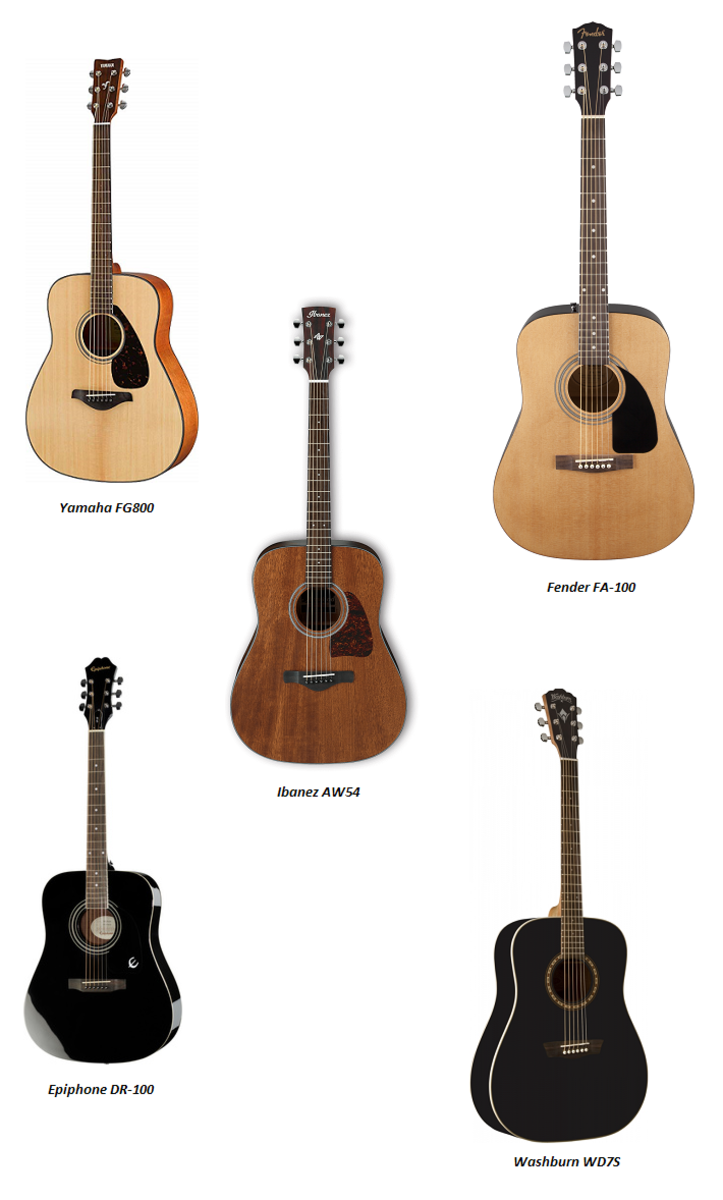
Understanding Body Shapes and Sizes
Body shape changes how a guitar feels and sounds. For most beginners, smaller styles like Orchestra Model (OM) or Concert are easier to hold. They sit comfortably on your lap. That lowers shoulder and wrist strain during long sessions.
Full-sized Dreadnoughts give a loud, booming sound. But they can feel bulky for smaller players or kids. When you shop, sit down and test different body types. If your arm reaches too far over the top, try a smaller model. Comfort helps you practice more. More practice means faster progress.
Body shape and tone at a glance
- Parlor / Concert / OM: comfortable, balanced midrange. Good for fingerstyle and small players.
- Dreadnought: strong bass and volume. Great for strumming and flatpicking, but larger on the body.
- Grand Auditorium / 000: a middle ground for comfort and projection.
Try each style for feel and tone. Your goal is a beginner acoustic guitar that feels right against your body and inspires you to play.

Choosing Between Solid Wood and Laminate
You will hear the terms solid wood and laminate. Solid wood tops usually sound more open and age well. They are more sensitive to humidity and cost more. Laminate is tough and less costly. It is a reliable choice for beginners who want a practical instrument.
I often recommend guitars with laminate back and sides and a solid wood top. This combo gives good tone and better durability for the price. It is a common choice among the best acoustic guitar for beginners models. At the entry level, focus on build and playability first, wood type second.
Top wood and tone quick guide
- Spruce top: bright, clear, versatile. Common on beginner and pro guitars.
- Cedar top: warm and rich. Favored for fingerstyle and classical crossovers.
- Laminate top: durable and cost-effective. Good for students and travel guitars.
Remember: a well-set-up laminate can sound better and play easier than a solid top that is poorly set up.
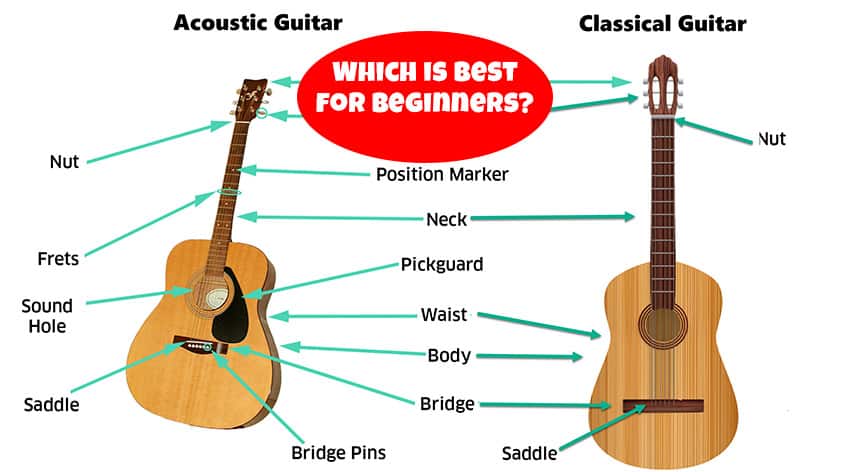
Essential Features to Check Before Buying
Before you pay, inspect these parts. A good acoustic guitar for beginners should have a bridge glued down without gaps. Check that tuners turn smoothly and do not slip. Tuning stability keeps you practicing and learning.
Run your hand along the neck to check fret ends. Sharp fret ends will scratch your skin and make practice painful. Play every note on every string to listen for buzzing. Buzzing often points to uneven frets or poor setup.
How to test a guitar in the store (step-by-step)
- Hold the guitar seated. Check comfort and reach.
- Strum open chords at normal volume. Feel for pain or awkward reach.
- Play notes up the neck. Listen for buzz or dead spots.
- Tune and bend each string slightly to check tuner slip and neck response.
- Look at the bridge glue, nut slots, and fret ends for finish defects.
If you can, ask the shop to do a quick setup. Small adjustments can make a large difference in playability.
Frequently Asked Questions of what's a good acoustic guitar for beginners
Should I buy a nylon or steel string guitar?
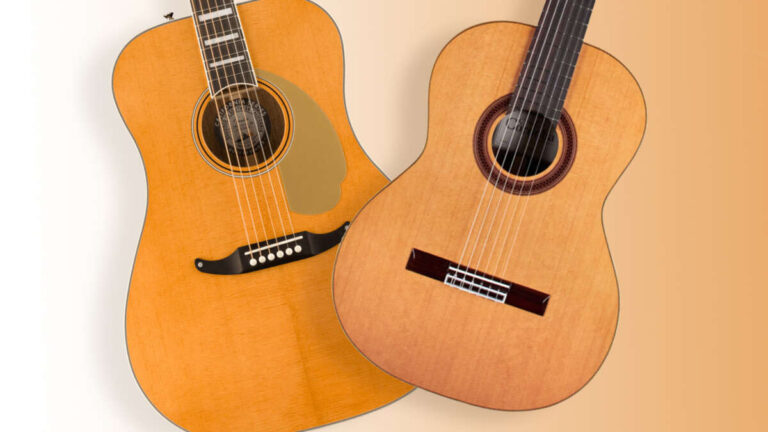
Steel strings are common in pop, rock, and country. They give more volume and brightness. They are also harder on the fingers. Nylon strings are softer. They ease the pain for absolute beginners while calluses form. Choose based on the style you want to play. Classical or folk learners often start on nylon. If you want to play contemporary songs, consider steel strings but use light gauge strings.
How much should I spend on a beginner guitar?
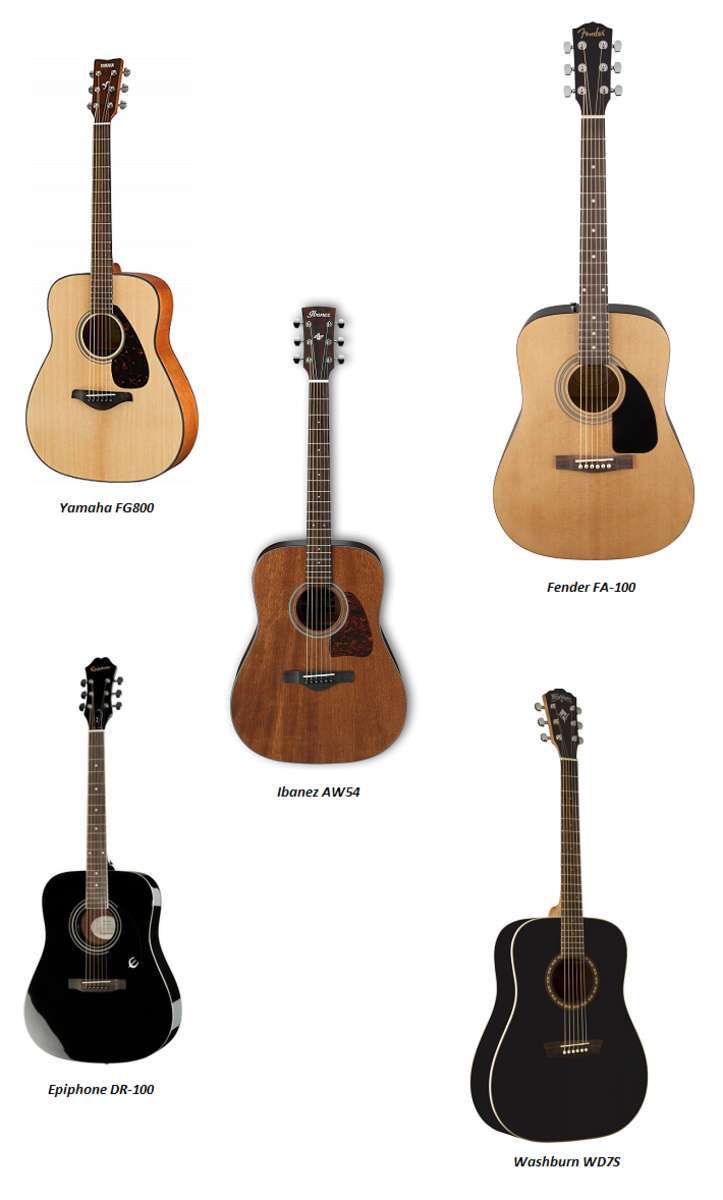
Plan to spend between 200 and 400 dollars for a reliable starter instrument. Below that range you often find poor construction and setup. Spending in this range usually gets you a guitar that stays in tune, feels good, and holds up to practice.
Do I need to buy a hard case for my guitar?
A gig bag is fine if you keep the guitar at home. It offers light padding and easy carry. If you travel or fly, a hard case gives real protection against impact and humidity swings. A hard case protects the instrument and the setup work inside it.
Is it better to buy a used guitar?
Used guitars can be a great value. They can sound and play like an instrument that costs more new. But buy used only if you know what to check or bring a friend who does. For total beginners, buying new from a shop is safer. New purchases usually include a warranty and a professional setup.
How often do I need to change my strings?
Change strings every two to three months depending on play time. If you play daily, change them sooner. Old strings sound dull, feel rough, and are harder to press. Fresh strings improve tone and playability.
Additional tips: strings, action, and setup for beginners
Choose light gauge steel strings for easier fretting. Typical sets are .010–.047 or .012–.054. Lighter sets reduce finger pain for new players. For nylon-string beginners, choose a quality set labeled for classical or student guitars.
Learn basic setup terms. “Action” is string height at the 12th fret. “Neck relief” is the slight bow in the neck adjusted by the truss rod. “Nut height” affects the first few frets. These small things shape how the guitar feels. A proper setup by a tech or luthier makes even a budget guitar feel much better.
Simple maintenance tips to keep the guitar playing well
- Wipe strings and body after each use to slow wear.
- Keep the guitar in a stable humidity range (40–50% is ideal).
- Check and tighten strap buttons and loose hardware.
- Get a professional setup once a year or when you notice playability or tuning issues.
Conclusion
Finding a good acoustic guitar for beginners is the first step toward learning. Focus on playability, a comfortable body size, and solid construction. Prioritize a proper setup and low action. Test a few models in the shop. Try different body shapes, string types, and setups until one feels right. Don’t let too many choices confuse you. Pick an instrument that feels natural and sounds clear to your ears. Your musical path is personal. The right beginner acoustic guitar will make practice easier and more fun. Now that you know what to look for, head to your local shop, test a few models, and pick the one that sparks your excitement to play. Pick up your guitar today and start your first practice session.

Senior Music Reviewer
Alex Carter is a seasoned music reviewer with over a decade of experience in the world of sound and instruments. Passionate about helping musicians and enthusiasts make informed choices, he brings sharp insights and in-depth knowledge to every review. From classical instruments to modern gear, Alex combines technical expertise with a love for music to deliver content that resonates with readers.
As a Senior Music Reviewer and expert author on Tuneluma.com, Alex is dedicated to sharing honest evaluations, practical advice, and thoughtful commentary to guide readers in their musical journey.