How Do I Play The Electric Guitar: The Ultimate 2026 Guide
To learn how do i play the electric guitar, you must master basic chords, consistent finger placement, and proper amplification.
Embarking on the journey of learning how do i play the electric guitar is one of the most rewarding creative outlets you can choose. I remember sitting in my bedroom with my first cheap starter pack. I felt frustrated by buzzing strings and by not knowing what the knobs did. That struggle was the gateway to a lifelong passion. My goal here is to make that path easier for you. I’ll break down the basics. I’ll remove some of the technical fog. When you know the instrument and build a simple routine, learning how do i play the electric guitar becomes much less scary.

Understanding Your Electric Guitar Setup
Before you start playing, know that an electric guitar relies on a chain of gear. Unlike an acoustic guitar, it usually needs an amplifier for a clear sound. You will need a standard quarter-inch instrument cable to connect your guitar to the amp. Spend a little time with your guitar’s volume and tone knobs. Think of them as the first stage of tone shaping.
Pick choice matters. Beginners often skip this. Start with a medium gauge pick. It works well for both strumming and single-note lines. Always tune your guitar before practice. Even small tuning errors make good technique sound bad. Use a clip-on tuner or a smartphone app to get the strings to pitch.
Amplifier basics and signal chain
Your amp and signal chain shape your sound. Start simple. Guitar → cable → amp. If you add pedals later, put them between the guitar and amp. Learn what the amp’s gain, volume, and EQ knobs do. Gain affects distortion and feel. Volume sets loudness. EQ (bass, mid, treble) sculpts tone. Try low gain for clean tones and tad more gain for rock. Also learn about pickups (single-coil vs humbucker). Pickups change the character of your tone. They work with the amp to create the sound you hear.
Building Proper Technique and Finger Strength
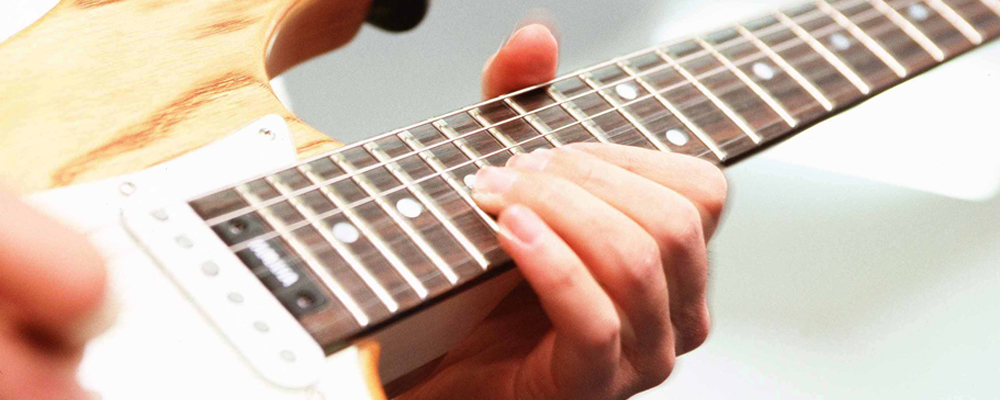
One of the first hurdles when learning how do i play the electric guitar is building fingertip calluses. At first it will sting. After a few weeks of steady practice the skin will toughen and the pain will fade. Keep your thumb near the center of the neck. Don’t wrap it over the top. This thumb position gives better reach. It helps you press strings cleanly.
Press the strings just behind the metal fret. Do not press directly on top of the fret. That gives the cleanest note and the least buzz. Practice simple scales for ten minutes each day to build finger independence. Short daily reps beat long, infrequent sessions. As you repeat basic movements, playing becomes muscle memory. That makes learning how do i play the electric guitar feel natural over time.
Right-hand technique and picking
Work on alternate picking. Start slow. Use a metronome. Keep your wrist loose. For rhythm, learn both downstroke and upstroke strumming. For single notes, aim for even volume on each pick. These small habits protect your timing and tone.

Learning Chords and Melodies
To make music, start with open chords. E major, A major, and D major are a great first set. These shapes form the core of many songs. Practice switching between them slowly at first. Clean transitions beat speed. I tell my students this all the time: it’s not about how fast you move. It’s about how clean the changes sound.
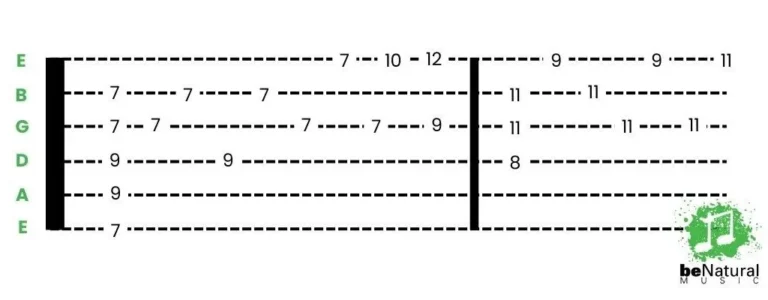
When chords feel steady, try lead playing. Learn the minor pentatonic scale. It’s the backbone of many rock and blues solos. You only need five notes to say a lot. Play simple licks and bend notes to make them sing. Listen to songs you love and try to copy small sections. Learning how do i play the electric guitar means learning to hear parts and then play them back.
Chord rhythm and strumming patterns
Practice common strum patterns. Start with a steady down-up pattern. Then add accents and rests. Work on timing. Use a metronome. Count out loud: “1 & 2 & 3 & 4 &”. This keeps your rhythm solid. Once you feel steady, try palm muting for a chunky sound. Palm muting adds dynamics to your rhythm playing.
Simple practice routine (20 minutes)
- 2 min — Tune and warm up fingers.
- 5 min — Scales or finger exercises (slow and even).
- 8 min — Chord changes and strumming patterns.
- 5 min — Play a short song or improvise with the pentatonic scale.
Short, focused sessions like this build skill fast. Do it most days.

Frequently Asked Questions of how do i play the electric guitar
How long does it take to learn how do i play the electric guitar?
It typically takes three to six months of consistent practice to play basic songs confidently. Progress depends on how often you practice and how focused your practice is. Short daily sessions beat long, rare ones.
Do I need an expensive guitar to start?
You do not need an expensive instrument to learn how do i play the electric guitar effectively. A budget friendly, well-setup guitar from a reputable brand will serve you well during your first few years. Make sure the guitar is set up properly. A cheap guitar with a bad setup is harder to learn on than a mid-range guitar set up right.
How often should I practice to see results?
Aim for at least twenty minutes of daily practice rather than one long, exhausting session once a week. Consistent, shorter sessions build the muscle memory required to master the instrument much faster. Track your sessions. Small daily progress adds up fast.
Should I use a teacher or learn online?
Both methods work. Online lessons give flexibility and a wide range of material. A local teacher can spot bad habits early and correct them. If you teach yourself, get occasional lessons or feedback. That saves time and prevents plateaus.
Is it harder to play electric than acoustic?
The electric guitar is generally easier to play because the strings are lighter and the action is lower. This requires less pressure to fret notes. That makes it a good choice for beginners. Acoustic guitars help build finger strength faster but can be tougher on the fingertips at first.
Conclusion
Learning how do i play the electric guitar is a journey of patience, creativity, and daily discipline. By setting up your gear properly, building your finger strength, and consistently practicing chords and scales, you will soon move past the initial challenges. Never let the occasional frustration deter you, as every guitarist has walked the same path you are on right now. Pick up your guitar today, start with those first few chords, and stay committed to the process. If you found these tips helpful, leave a comment below with the first song you plan to learn, and be sure to check out our other guides for advanced techniques.

Senior Music Reviewer
Alex Carter is a seasoned music reviewer with over a decade of experience in the world of sound and instruments. Passionate about helping musicians and enthusiasts make informed choices, he brings sharp insights and in-depth knowledge to every review. From classical instruments to modern gear, Alex combines technical expertise with a love for music to deliver content that resonates with readers.
As a Senior Music Reviewer and expert author on Tuneluma.com, Alex is dedicated to sharing honest evaluations, practical advice, and thoughtful commentary to guide readers in their musical journey.