What Are Guitar Tabs And Chords: A 2026 Beginners Guide
Guitar tabs are visual maps for your fingers, while guitar chords represent groups of notes played simultaneously for harmony.
When I first picked up a guitar, I felt overwhelmed by the complex theory behind music notation. I spent months struggling with traditional sheet music before realizing that learning what are guitar tabs and chords is the fastest way for beginners to start playing their favorite songs. Throughout my years of teaching, I have seen countless students transform their playing by mastering these two essential tools. Understanding the difference between tabs and chords will unlock your ability to learn almost any piece of music by ear or sight. Let us dive into the mechanics of these systems so you can stop guessing and start playing with true confidence.
Understanding the Basics of Guitar Tabs
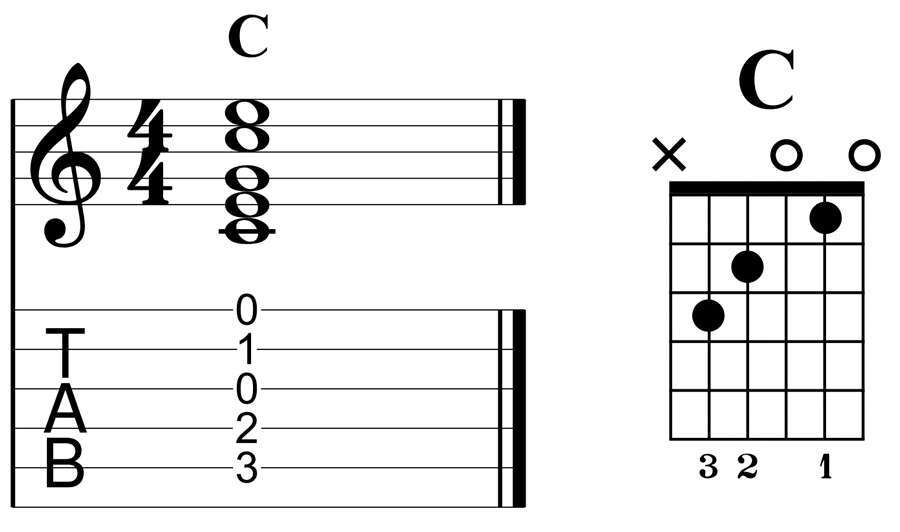
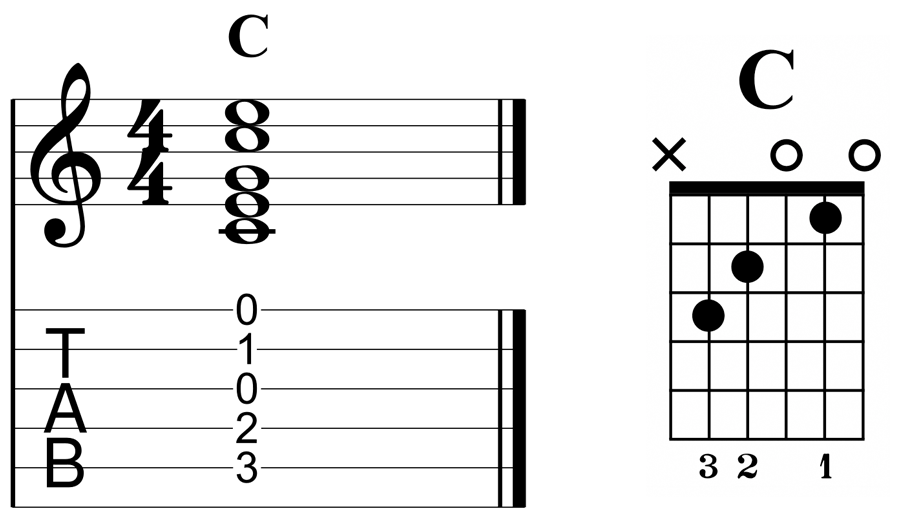
Guitar tablature, or tabs for short, is a system designed specifically for stringed instruments. Unlike standard musical notation that uses symbols, tabs use a visual representation of the six strings on your guitar fretboard. You will see six horizontal lines, where the top line represents the high E string and the bottom line represents the low E string. When you see a number on a line, it tells you exactly which fret to press.
I remember my first time reading a tab for a simple rock riff; it felt like decoding a secret message. You simply place your finger on the indicated fret and pluck the corresponding string. If you see a zero, it means you play the string open without pressing any frets. This system makes learning guitar tabs intuitive because it removes the need to understand complex rhythmic theory before you can play a melody.
What the lines, numbers, and symbols mean
Each line stands for a string: from top to bottom, high E, B, G, D, A, low E. Numbers tell you the fret. Common symbols add detail: “h” for hammer-on, “p” for pull-off, “/” for slide up, “\” for slide down, “b” for bend, “~” for vibrato, and “x” for muted notes. Tabs sometimes show timing with stems or spacing, but many tabs rely on your ear or an accompanying chord chart to get the rhythm right.
Reading rhythm and timing in tabs
Tabs often lack precise rhythmic notation. For simple songs, spacing and repetition clues help. For complex rhythm, you can use tab that includes timing marks or follow a chord chart. A metronome or playing along with the original recording helps lock in timing. As you grow, learn to read basic rhythmic notation to pair tabs with correct timing.
Why tabs work well for beginners
Tabs reduce the barrier to entry. They map the fretboard directly to finger positions. That means you can play melodies and riffs the first day you try. For learners who want fast progress, tabs offer a clear, visual learning method. They are especially useful for learning solos, riffs, and fingerstyle patterns.
Exploring Guitar Chords and Their Role
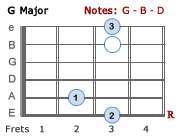
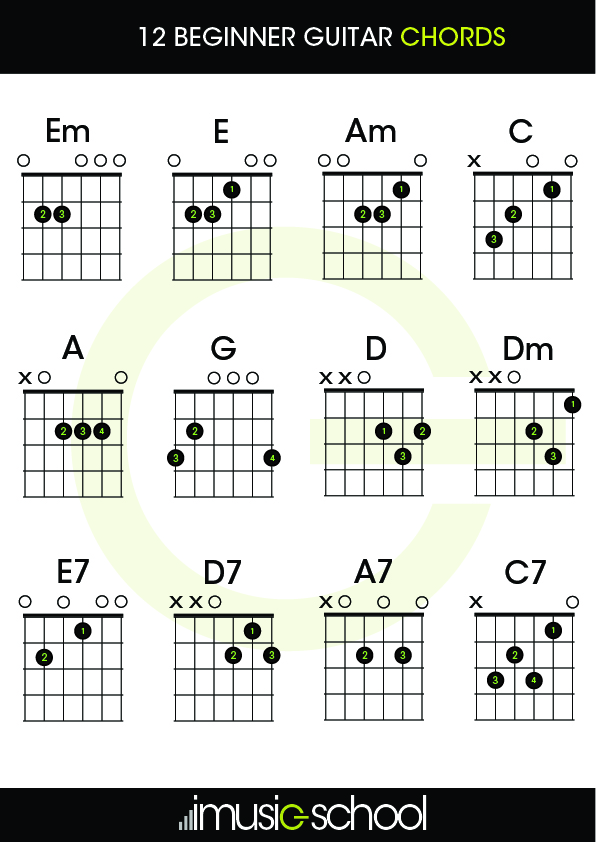
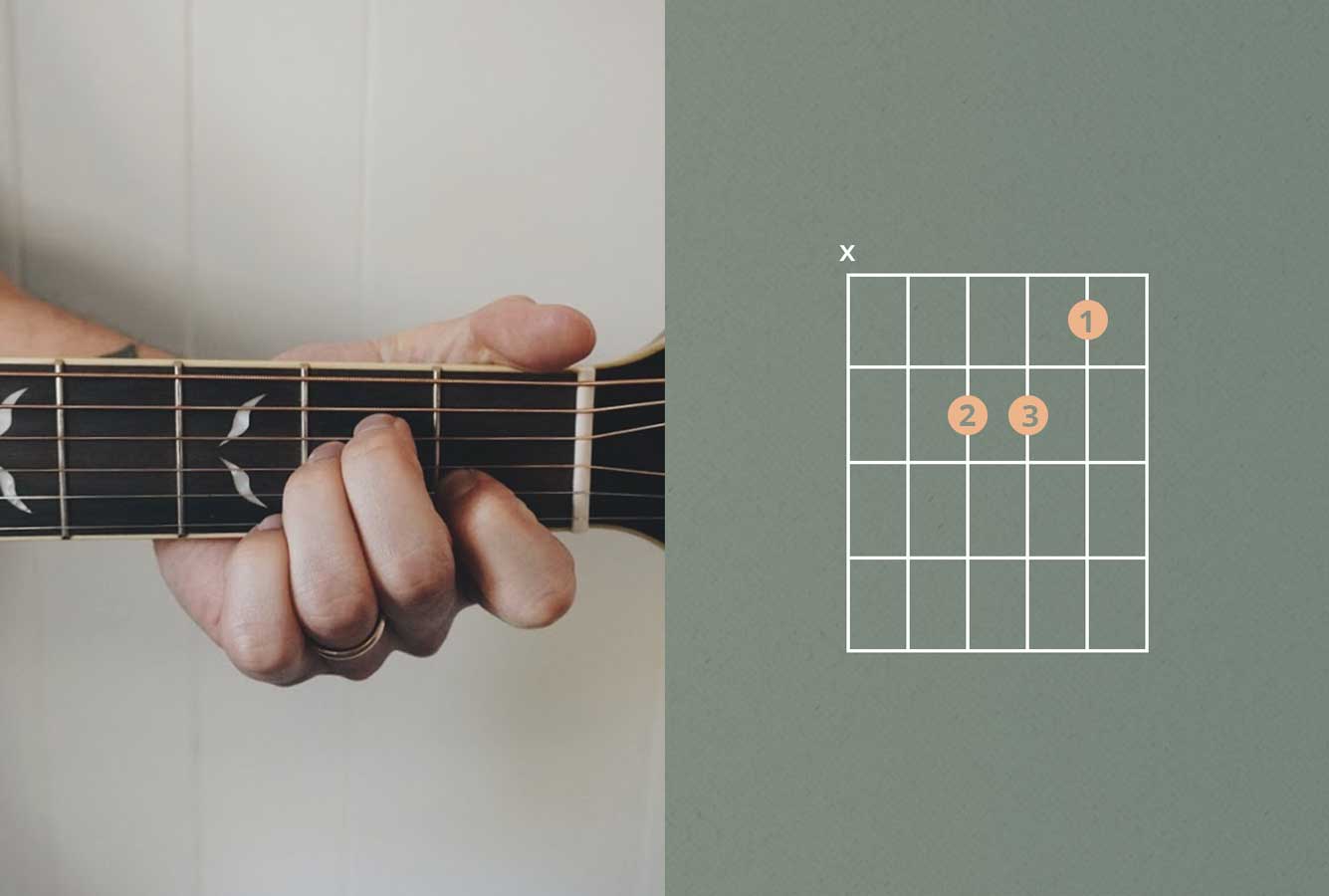
While tabs show you how to play melodies or riffs note by note, guitar chords provide the harmonic foundation of a song. A chord is created when you play three or more notes at the same time. You will typically read chords in the form of chord diagrams, which show you where to place your fingers across the frets to create a specific sound. These symbols, such as G major or C major, are the building blocks of nearly every popular song you hear on the radio.
Mastering guitar chords requires muscle memory and consistent practice. Early in my journey, I used to get frustrated when my fingers could not stretch far enough for certain shapes. The trick is to focus on your hand posture and ensure your fingertips are arching properly to avoid muting adjacent strings. Once your hand learns these shapes, playing chords becomes second nature and allows you to accompany yourself while singing or jamming with friends.
Chord diagrams, names, and common types
Chord diagrams show strings, frets, and finger placement. The most common chords for beginners are open major and minor chords like G, C, D, Em, and Am. As you progress, you will learn barre chords (movable shapes), power chords (root + fifth for rock), and jazz or extended chords (7ths, 9ths, sus chords). Knowing chord names helps you follow chord charts and written progressions.
Open chords vs. barre chords vs. power chords
Open chords use at least one open string. They are easier for beginners and sound full on acoustic guitars. Barre chords use one finger to press multiple strings across a fret. They require strength but unlock many voicings across the neck. Power chords are simple two-note shapes used a lot in rock and punk. Each type has a role: open chords for songwriting, barre chords for moving shapes, and power chords for distortion-heavy riffs.
Tips for cleaner chord changes
- Practice slow, smooth changes. Use a metronome at a low tempo.
- Keep fingertips arched to avoid muting strings.
- Prepare fingers in the next shape before you make the switch.
- Work on common chord pairs (G–C, D–Em) in short, focused drills.
- Build calluses to reduce finger soreness and improve tone.
How Guitar Tabs and Chords Work Together
The most effective guitarists use both guitar tabs and chords in tandem. While a chord chart gives you the rhythm and harmony, the tabs often provide the specific fingerpicking patterns or lead solos that make a song sound unique. I often suggest to my students that they look at the chord progression first to understand the structure of the song. Once they have the rhythm down, they can use guitar tabs to add stylistic flair or specific riffs that bridge the gaps between chord changes.
By integrating both, you gain a complete picture of the musical landscape. Think of chords as the frame of a house and guitar tabs as the interior design. You need the structural support of chords to keep the song moving, but the detail of the tabs brings the personality to the performance. Start by learning your open chords, then find a simple tab for a lead break to begin developing your finger dexterity.
Practical workflow: learn songs faster
Here’s a simple workflow I give students:
- Listen to the song several times to internalize the rhythm.
- Find the chord progression and learn the strumming pattern.
- Use tabs for the intro riff or lead lines.
- Combine chords and riffs slowly, then increase speed with a metronome.
- Refine tone, timing, and expression by playing with the recording or backing tracks.
Using tabs for solos and chords for rhythm
Tabs shine for learning solos, hammer-ons, pull-offs, and quick licks. Chord charts keep the rhythm steady and support vocals. When you play both, you can perform full arrangements—rhythm guitar keeps the song moving while lead lines add color. This balance is key for solo performers and band members alike.
Transcribing and ear training
Try transcribing small sections by ear. Start with a short riff or a single chord change. Use tabs to write what you hear, then check chord charts to confirm harmony. Transcribing builds your ear and improves your ability to read or create tabs and chord charts from recordings.
Frequently Asked Questions of what are guitar tabs and chords
Is it necessary to read standard music notation if I know guitar tabs and chords?
You do not need to read traditional notation to be a great guitarist. Many professional musicians rely entirely on guitar tabs and chords to write and perform hit music. That said, learning basic standard notation can help with sight-reading, music theory, and studio work.
Which should I learn first, guitar tabs or chords?
Most experts recommend learning basic open chords first to build callouses and hand strength. Once you can switch between simple chords, you can introduce guitar tabs to learn melodies. Starting with chords also helps you understand song structure and common progressions.
Can I find guitar tabs and chords for every song?
There are vast online databases that provide user-generated tabs and chords for almost every popular song ever recorded. Just keep in mind that since these are often crowd-sourced, they may occasionally contain minor inaccuracies. Cross-check multiple versions and use recordings as a reference to correct errors.
Do I need to buy special equipment to read guitar tabs and chords?
You do not need any special gear, as both guitar tabs and chords are free to access on many websites. You only need your instrument and the willingness to practice consistently. A few helpful tools are a tuner, a metronome (or metronome app), and a capo for changing keys easily.
Are guitar tabs and chords the same for acoustic and electric guitars?
The fretboard layout is identical for both, so guitar tabs and chords work exactly the same way regardless of your instrument. You can use the same methods to learn songs on either an acoustic or an electric setup. The main differences are tone and technique—electric guitars often use bends, vibrato, and distortion more, while acoustics rely on open voicings and fingerpicking.
How do I choose the right key for my voice or band?
Use a capo to move open chord shapes into different keys. If a song is too high or low for your voice, transpose the chords up or down until the range fits. For bands, pick a key that suits all players and keeps important parts playable on guitar.
What quick practice routines help the most?
Short, focused practice beats long, unfocused sessions. Try 10–15 minute drills on chord changes, 10 minutes on a single riff, and 5 minutes of warm-up scales. Use a metronome to increase speed gradually. Small daily habits lead to big gains.
Conclusion
Learning what are guitar tabs and chords is the single most important step in your musical journey. Tabs offer a direct path to playing melodies, while chords provide the harmonic rhythm that makes music feel complete. By mastering these two systems, you move past the technical barriers that often discourage beginners and step into the world of genuine musical expression.
Consistency is your greatest ally when you start this process. Do not worry about being perfect; focus on playing slowly and ensuring your notes ring out clearly. Pick a song you love today, search for its tabs and chords, and dedicate fifteen minutes to learning the first section. The more you practice, the more intuitive these systems will become. If you enjoyed this guide, leave a comment below with the first song you plan to master.

Senior Music Reviewer
Alex Carter is a seasoned music reviewer with over a decade of experience in the world of sound and instruments. Passionate about helping musicians and enthusiasts make informed choices, he brings sharp insights and in-depth knowledge to every review. From classical instruments to modern gear, Alex combines technical expertise with a love for music to deliver content that resonates with readers.
As a Senior Music Reviewer and expert author on Tuneluma.com, Alex is dedicated to sharing honest evaluations, practical advice, and thoughtful commentary to guide readers in their musical journey.