How Many Frets On A Guitar: Your 2026 Comprehensive Guide
Most guitars feature between 21 and 24 frets, though this number varies based on the instrument’s design and purpose.
Choosing the right guitar can feel confusing when you start counting those thin metal strips along the neck. Over years of repairing instruments and teaching students, I learned that knowing how many frets on a guitar you need matters to your playing. Whether you are a beginner picking up chords or a lead player chasing high notes, fret count changes how you use the fretboard. In this article I explain the technical and practical reasons fret count matters. I also share tips from the workshop and the lesson room so you can pick a guitar that fits your music and hands.
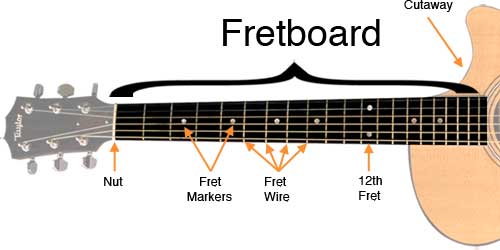
Common Fret Counts and Why They Differ
Fret count is rarely an accident. Makers pick 21, 22, or 24 frets to balance playability, tone, and setup. Think about the style you play when you ask how many frets on a guitar you need.
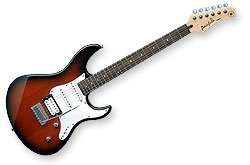
- 21 Frets: A classic choice on many vintage-style electric guitars. It gives a warm, mid-focused tone because the neck pickup sits farther from the bridge. For rhythm players and fans of older tones, 21 frets often feel right.
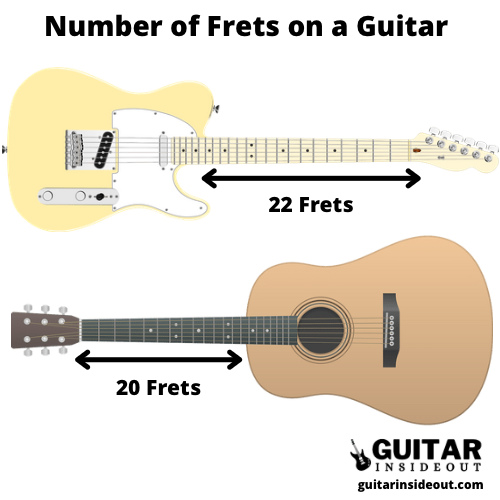
- 22 Frets: The modern standard on many guitars. It gives one extra note compared to 21 frets without drastically changing pickup placement. Blues, rock, and pop players like this balance of reach and tone.
- 24 Frets: Common on shred and metal guitars. A 24-fret neck gives two full octaves on each string. The neck pickup moves closer to the bridge, which produces a sharper, brighter tone that sits well in high-gain music.
Moving from 21 to 24 frets can feel like unlocking a new floor in a building. For lead players, those extra frets stop your fingers from hitting a dead end during an intense solo. I’ve seen that shift in range change how students phrase licks and plan solos.

How Fret Count Affects Playability and Tone
When deciding how many frets on a guitar are right for you, consider the instrument’s geometry. More frets mean the neck pickup moves toward the bridge. That change alters tone and feel. Luthiers balance physics and design when they decide fret count.
Scale length and fret spacing
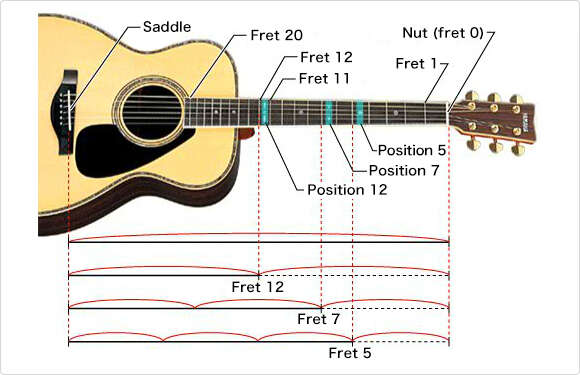
Fret positions depend on scale length. The math that sets fret spacing does not change if you add frets. So you can’t simply tack extra frets onto a neck and keep correct intonation. If you need more range, you usually replace the neck or choose a guitar built for it.
Pickup placement and tone
A neck pickup placed closer to the bridge sounds brighter and thinner. This is why 24-fret guitars often sound more aggressive. Conversely, 21-fret guitars give a fuller neck pickup tone. That difference matters for jazz, blues, and mellow styles.
Upper-fret access and body design
Many 24-fret designs add a deeper body cutaway so your hand can reach the high notes easily. If you play chord melodies or complex jazz voicings, 21 or 22 frets often give everything you need. For high-gain rock, technical fusion, or tapping, the extra reach of 24 frets is a real plus.
In the workshop, I’ve seen players struggle with upper-fret access on vintage instruments. Ergonomic modern shapes solve that. If you plan to use the upper register, try the guitar in person and test how the body carve and neck heel feel under your hand.
Does More Frets Mean Better Performance
More frets do not mean a better guitar. Fret count is a feature, not a grade. Choose the number of frets that matches your goals and style. Don’t chase the highest number.
If you rarely play above the 15th fret, a 24-fret neck might change the feel and pickup balance in ways you don’t want. Some players say their picking hand feels crowded when the neck pickup shifts toward the bridge. Try different guitars and trust your ear.
Sound trade-offs to consider
– Tone: 21-fret guitars often have warmer neck-pickup tones. 24-fret guitars can sound brighter and more cutting.
– Reach: More frets give a larger upper range for solos and tapping.
– Setup: Different fret counts may need different neck shapes or body cuts. That affects comfort and playability.
Frequently Asked Questions of how many frets on a guitar
Can I add more frets to my existing guitar?
Adding frets to an existing neck is usually not possible. Fret spacing is tied to scale length. To add frets you would need a new neck or a different guitar built for that range.
Why do some acoustic guitars have fewer frets?
Acoustic guitars often have 18–20 frets because the bridge placement and soundboard design limit upper-fret access. Notes above that range are rarely used on many acoustic arrangements, so makers prioritize resonance and volume.
Are 24 frets better for beginners?
Most beginners do not need 24 frets. Students spend most practice time on open chords, basic scales, and first-position melodies. A 21- or 22-fret model is usually more comfortable and versatile for a beginner.
Do extra frets affect the string tension?
Fret count does not change string tension if the scale length stays the same. Tension is set by scale length, string gauge, and tuning—not the number of frets.
What is the purpose of the 22nd fret?
The 22nd fret gives you one extra note above the 21-fret layout. On the high E string it commonly gives a D note, which is useful for many rock and pop lead lines. That extra fret covers common lead-melody needs without moving pickup placement too far.
Quick testing checklist before you buy
– Play open chords, barre chords, and single-note runs. See how the neck feels.
– Play on the highest frets to test reach and comfort.
– Listen to the neck pickup tone near the middle and bridge positions.
– Check how the guitar sits against your body when you play high on the neck.
– If possible, try the same model with different fret counts to compare.
Conclusion
Understanding how many frets on a guitar are present helps you make a smart choice. The common options—21, 22, and 24 frets—each serve clear musical needs. Pick 21 or 22 frets for warm tone and classic playability. Choose 24 frets if you need high-register range for solos, tapping, or metal styles.
Use this knowledge when you shop. Test guitars in person and pay attention to pickup tone, neck feel, and upper-fret access. If you want help comparing models or need setup advice for a specific guitar, leave a comment below. Let’s keep the music growing.

Senior Music Reviewer
Alex Carter is a seasoned music reviewer with over a decade of experience in the world of sound and instruments. Passionate about helping musicians and enthusiasts make informed choices, he brings sharp insights and in-depth knowledge to every review. From classical instruments to modern gear, Alex combines technical expertise with a love for music to deliver content that resonates with readers.
As a Senior Music Reviewer and expert author on Tuneluma.com, Alex is dedicated to sharing honest evaluations, practical advice, and thoughtful commentary to guide readers in their musical journey.