How Great Thou Art Piano Sheet Music: Best Versions 2026
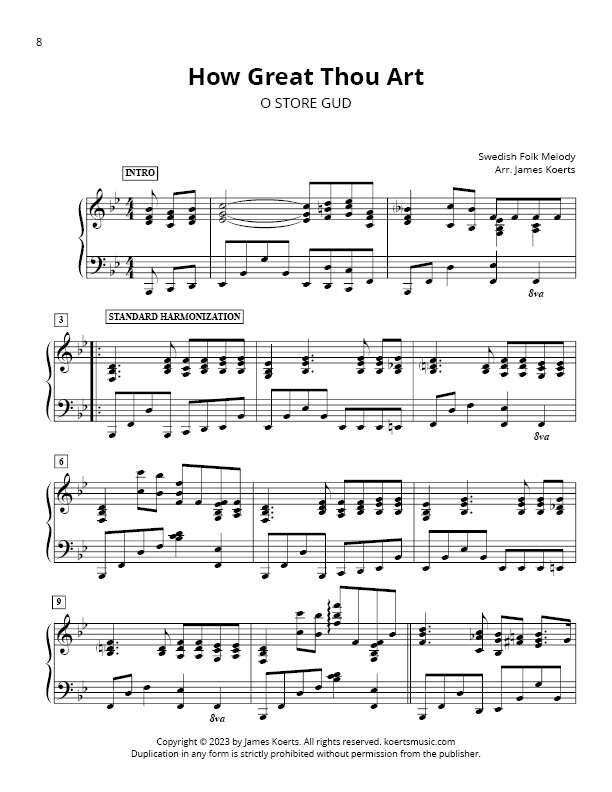
How great thou art piano sheet music is available in various arrangements, ranging from simple beginner melodies to complex, professional-grade gospel improvisations.
As a pianist who has spent years playing in churches and intimate settings, I know firsthand how the right How Great Thou Art piano sheet music can change how an audience feels the hymn. This timeless tune has big dynamic peaks and deep emotion. The arrangement you pick decides how those qualities come through. Whether you want a simple lead sheet, a congregational blueprint, or a lush gospel piano arrangement, choosing the right score matters.
I’ll share my personal journey with this song. I’ll explain the main arrangement types, show how to match difficulty to your skill, and give clear practice tips. I aim to help you find the version that speaks to your soul and fits your service, wedding, or recital.
Understanding Different Skill Levels in Sheet Music
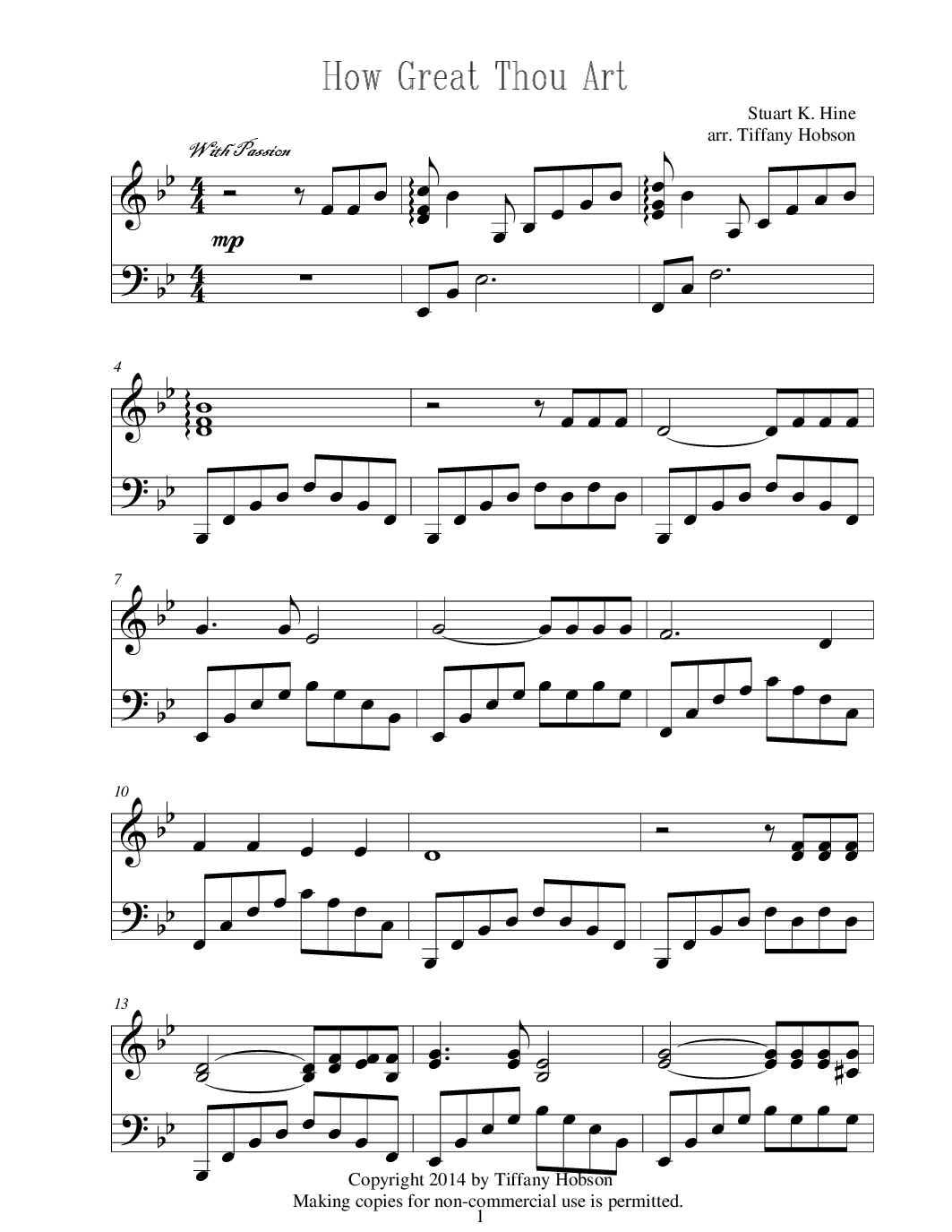
When you search for how great thou art piano sheet music, results vary a lot. The key is to match the score to your current skill. If you are a beginner, pick a simple melody in the right hand and basic chords in the left. These lead sheets or simplified hymn arrangements work well for practice and singing.
As your technique grows, move to intermediate arrangements. These add rhythmic variety, simple arpeggios, and fuller left-hand patterns. They help you build independence between hands. Advanced arrangements include jazz harmonies, rolling broken chords, layered voicings, and modulations. Those require strong technique and good ear training.
I once chose an arrangement that was too hard for me. I felt stuck and lost the musical line. When I stepped back and found an easier, well-voiced edition, my confidence returned. If possible, view sample pages before you buy. Samples show you the level and the types of voicings the arranger uses. That helps you avoid bad fits and wasted time.
Choosing the Right Style for Your Performance
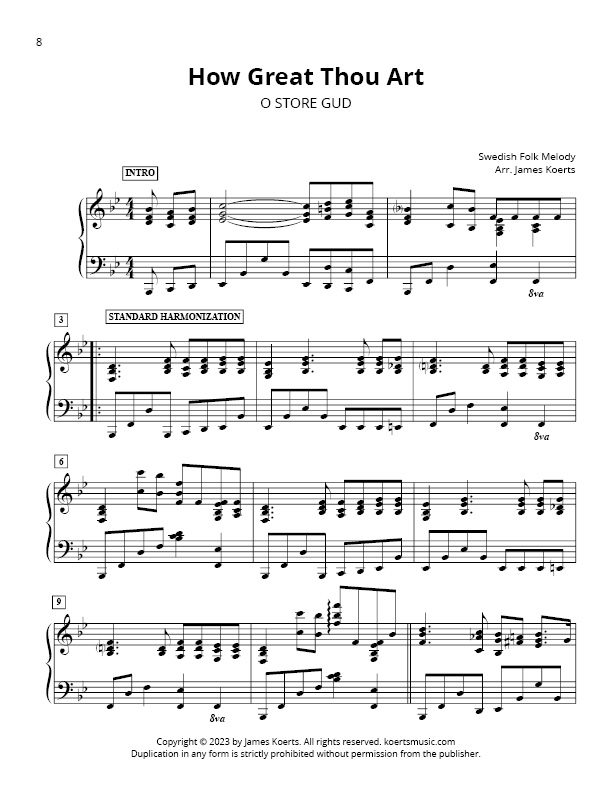
How Great Thou Art works in many styles. The arrangement should match the room and the moment. For a quiet, traditional service, a stately hymn-style score with clear chord voicing is ideal. Keep ornamentation low. For contemporary worship, a syncopated, pop-influenced version can lift the energy.
At weddings and funerals I often play a ballad-style arrangement. It lets me use rubato and wide dynamics. That approach highlights the words and feels more intimate. For holiday or celebratory events, choose arrangements with a brighter tempo and upbeat left-hand patterns. Matching style to venue makes the hymn feel natural and meaningful.
Tips for Mastering the Melody
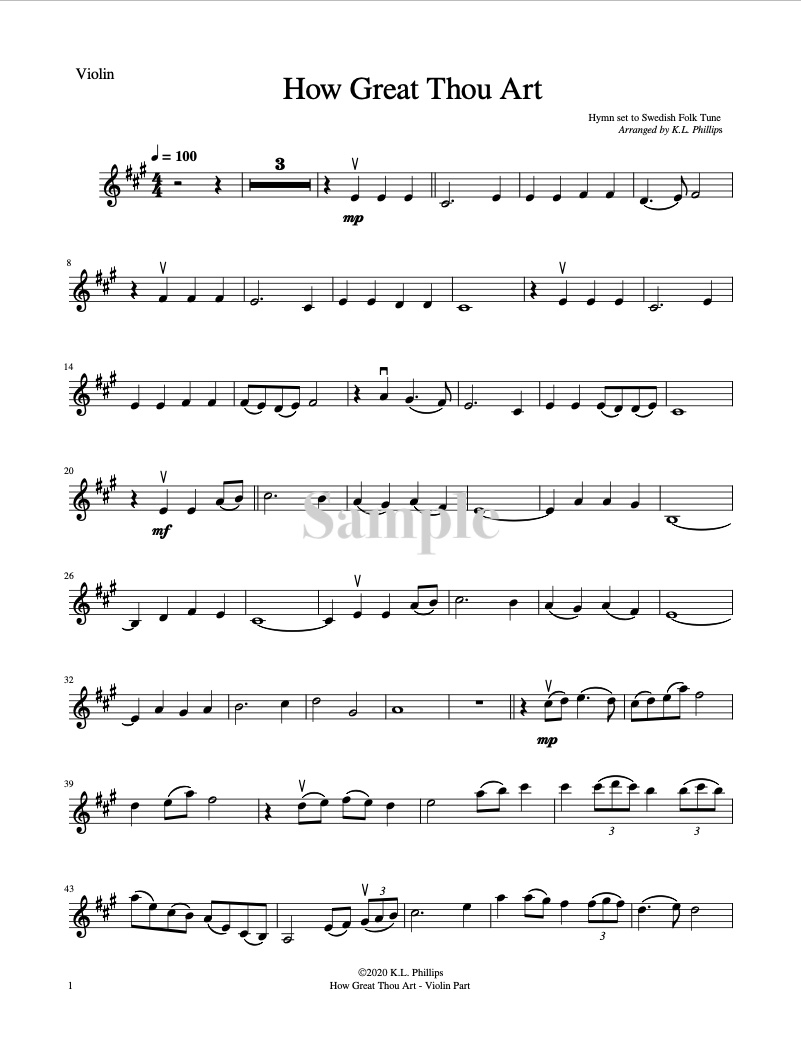
No matter which How Great Thou Art piano sheet music you pick, the melody should stand out. The hymn uses a rising melodic shape and big climaxes. To bring that out, make the melody slightly louder than the accompaniment. This is called voicing. Good voicing makes your playing sing.
Many students rush through phrases. That reduces impact. The hymn needs space. Breathe with the music. Let long notes ring. Use measured rubato for emotion, but keep the tempo steady overall.
- Practice the left hand alone until it feels steady and natural.
- Hold the longer melody notes to mimic breathing and vocal phrasing.
- Use the sustain pedal with care to avoid muddy harmonies during changes.
- Compare multiple arrangements of how great thou art piano sheet music to learn different voicings and chord choices.
Voicing, dynamics, and pedal strategies
Balance is key. Aim for a clear top line. Use the left hand to support, not overpower. Mark dynamics in the score. Play verses softly and build toward the chorus. For pedal, change on chord shifts and lift slightly at fast harmonies. In slow ballad versions, partial pedaling helps keep the bass clear.
Practice routine to learn fast
Break the piece into short sections. Work on small phrases for 10–15 minutes each. Slow practice with a steady beat builds accuracy. Add dynamics and rubato after notes are secure. Record yourself. Listening back shows phrasing issues you might miss while playing.
Frequently Asked Questions of how great thou art piano sheet music
Is how great thou art piano sheet music difficult to learn?
Difficulty depends on the arrangement. Simple lead sheets and beginner hymn versions are easy. Intermediate versions add arpeggios and syncopation. Advanced arrangements include jazz reharmonizations and virtuosic passages. Pick an edition that fits your technical level and practice plan.
Where can I find free how great thou art piano sheet music?
Several reputable online music websites offer public domain hymn melodies. You can also search library archives and hymn sites for older editions. Always check licensing. Many modern arrangements are copyrighted even if the original hymn is public domain.
What key is best for playing this hymn?
B-flat and G major are common choices. These keys work well for congregational singing. If the singer needs a different range, transpose the song. Use a capo for guitar or a transposed piano part. When arranging for choir, check vocal ranges for soprano, alto, tenor, and bass.
Should I use a lead sheet or a full piano arrangement?
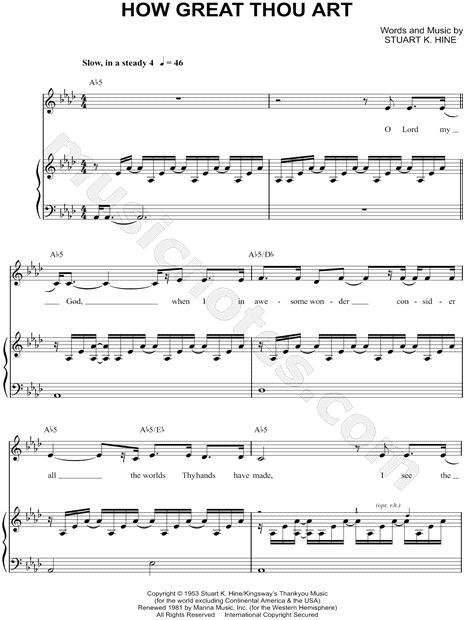
Use a lead sheet if you want to improvise. Lead sheets give melody and chord symbols. They let you create your own accompaniment and add gospel fills. Use a full piano arrangement if you prefer exact voicings and written-out passages. Full scores are helpful for recitals and formal services.
How do I make the music sound more professional?
Work on dynamic contrast and clean pedaling. Shape phrases with small crescendos and decrescendos. Use tasteful rubato in expressive spots. Learn common chord substitutions and voicings for gospel or jazz styles. Finally, play with intention: decide where the emotional peaks land and aim there.
Origins, copyright, and arrangement notes
Quick background helps when choosing editions. The original Swedish poem “O Store Gud” was written by Carl Boberg in 1885. The familiar English text, “How Great Thou Art,” was translated and adapted by Stuart K. Hine in the 20th century. The melody has roots in a Swedish folk tune. Many hymn texts and older melodies are public domain, but modern translations and new arrangements can be under copyright. Always read the licensing notes on downloads and print copies.
Where to buy or download reliable sheet music
Look for reputable publishers and stores. Examples include major digital outlets, hymn publishers, conservatory libraries, and verified arranger websites. Free public domain scores are fine for learning. For performance, consider paid arrangements if you need polished voicings or a licensed modern translation. Check sample pages before purchase to confirm the level and style.
Common arrangement types and when to use them
Knowing arrangement types helps you choose quickly:
- Lead sheet: melody and chords. Best for accompanists who improvise.
- Simplified hymn: easy left hand and clear melody. Best for beginners and congregational singing.
- Intermediate piano arrangement: fuller accompaniment, simple fills, tasteful harmonies. Good for worship leaders and small recitals.
- Advanced/gospel arrangement: rich voicings, modulations, and improvisation cues. Best for experienced players and special services.
- Choir or SATB arrangements: for vocal ensembles. Use when directing choirs or combining piano with voices.
Conclusion
Finding the right how great thou art piano sheet music is the first step to a moving performance. Assess your skill, choose a style that fits the event, and practice with clear, focused goals. Remember the hymn’s roots—Carl Boberg’s words and Stuart Hine’s translation—and respect licensing when you download or print copies.
Play with heart. Use voicing and dynamics to let the hymn breathe. With the right edition and practice plan, you will deliver a performance that touches listeners. Now that you have tools and ideas, pick up your instrument and start playing today. If you found this guide helpful, consider sharing it with other musicians or leaving a comment about your favorite arrangement of this timeless piece.

Senior Music Reviewer
Alex Carter is a seasoned music reviewer with over a decade of experience in the world of sound and instruments. Passionate about helping musicians and enthusiasts make informed choices, he brings sharp insights and in-depth knowledge to every review. From classical instruments to modern gear, Alex combines technical expertise with a love for music to deliver content that resonates with readers.
As a Senior Music Reviewer and expert author on Tuneluma.com, Alex is dedicated to sharing honest evaluations, practical advice, and thoughtful commentary to guide readers in their musical journey.