What Type Of Instrument Is A Piano: The Definitive 2026 Guide
The piano is classified as both a percussion and string instrument because hammers strike internal strings to produce sound. Understanding what type of instrument a piano is will help you appreciate the clever mechanics behind its rich, flexible tone. Many beginners feel unsure about that dual label. Once you peek inside the cabinet, the logic becomes clear. As a lifelong pianist and teacher, I have shown students how the piano works. In this post, I’ll walk you through the anatomy, short history, and the unique mechanics that make the piano a complex and beloved musical instrument.
Why the Piano Defies Simple Classification
When you press a key on a piano, a fast chain of events begins. A felt-covered hammer flies toward steel strings. The hammer hits a string. The string vibrates. The soundboard turns that vibration into sound that fills the room. Because a physical hammer hits a string, the piano fits into two categories at once.
Most musicologists call the piano a chordophone since the sound comes from vibrating strings. Yet the sound only starts when a hammer strikes. That percussive act puts the piano in the percussion family too. Picture a drum kit where each drum is tuned to a note. That hybrid nature gives the piano a wide dynamic range and a clear percussive attack. It also gives players control over tone and rhythm in ways few instruments do.
Quick answer: What type of instrument is a piano?
Short answer: the piano is a hybrid. It is a string instrument by sound source (chordophone). It is a percussion instrument by how that sound is produced (hammers striking strings). It is also a keyboard instrument by interface — you play it with keys.
This three-way label matters for students, teachers, and instrument makers. It explains technique, design choices, and where the piano sits in ensembles and orchestras.
The Mechanics of Sound Production
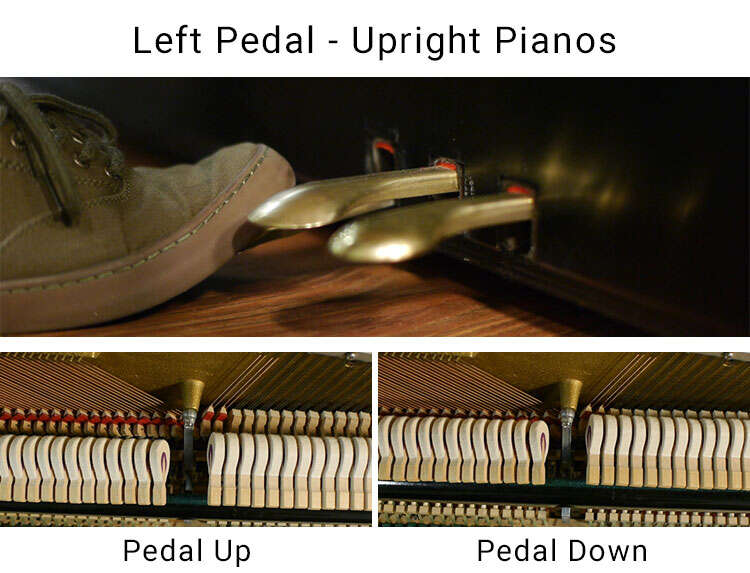
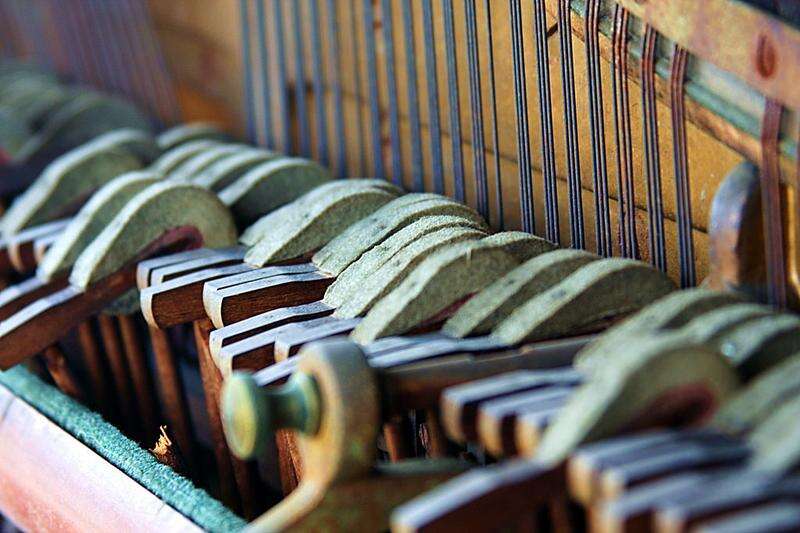
The magic of the piano is in its action. The action is the set of parts between your finger and the string. When you press a key, levers move. The hammer launches. It strikes the string and then falls back. Dampers stop the string when you lift the key.
Playing softly makes the hammer travel a short distance. The result is a gentle tone. Playing loudly lets the hammer hit harder and faster. The sound gets louder and brighter. The action is very sensitive. Small changes in finger weight change the sound a lot.
I tell my students to think of the piano as a bridge. It links the clear tone of a stringed instrument to the rhythmic force of percussion. Early in my training, I learned how finger weight shapes tone. That lesson made my playing more musical. Mastering touch is one reason the piano rewards decades of study.
- Key mechanisms: The action uses levers, a jack, and springs. These turn finger motion into an efficient hammer strike.
- String tension: Steel strings hold very high tension. That tension creates sustain and brightness in the notes.
- Damper system: Felt dampers stop vibration when you release a key. They give you control over note length and clarity.
Piano parts glossary (quick reference)
Here are common terms I explain to new students. Short definitions help when you read about repairs or tuning.
- Action – the complete system of levers and hammers behind the keyboard.
- Hammer – felt-covered wood part that strikes the string.
- Soundboard – large wooden board that amplifies string vibration.
- Bridge – transfers string vibration to the soundboard.
- Pinblock and tuning pins – hold string tension and allow tuning adjustments.
- Frame/plate – usually cast iron, it bears the load of string tension.
How the action affects touch and tone
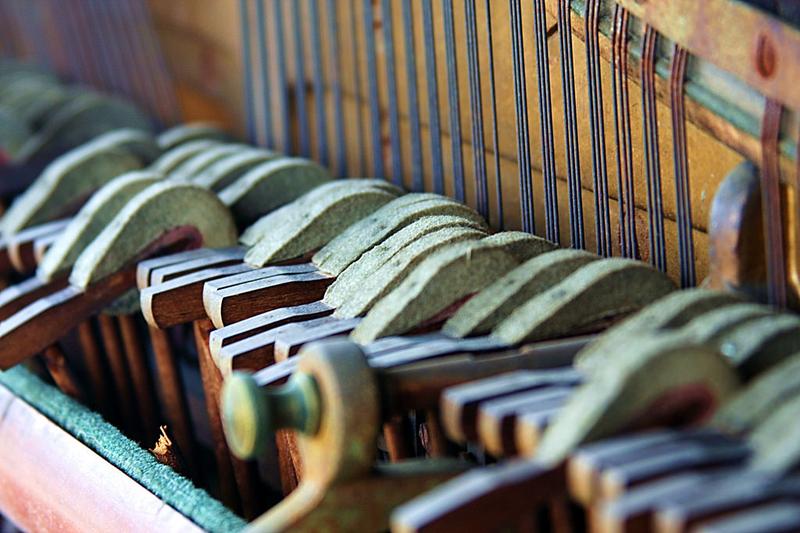
The action design varies between grands and uprights. Grands use gravity to return the hammer. Uprights use springs and different geometry. The difference affects repetition speed and feel.
Good technique matches the action you play. I ask students to test touch on more than one piano. It builds awareness. It also makes practice more effective. The better you understand an action, the better you can shape tone and phrasing.
Historical Context and Evolution
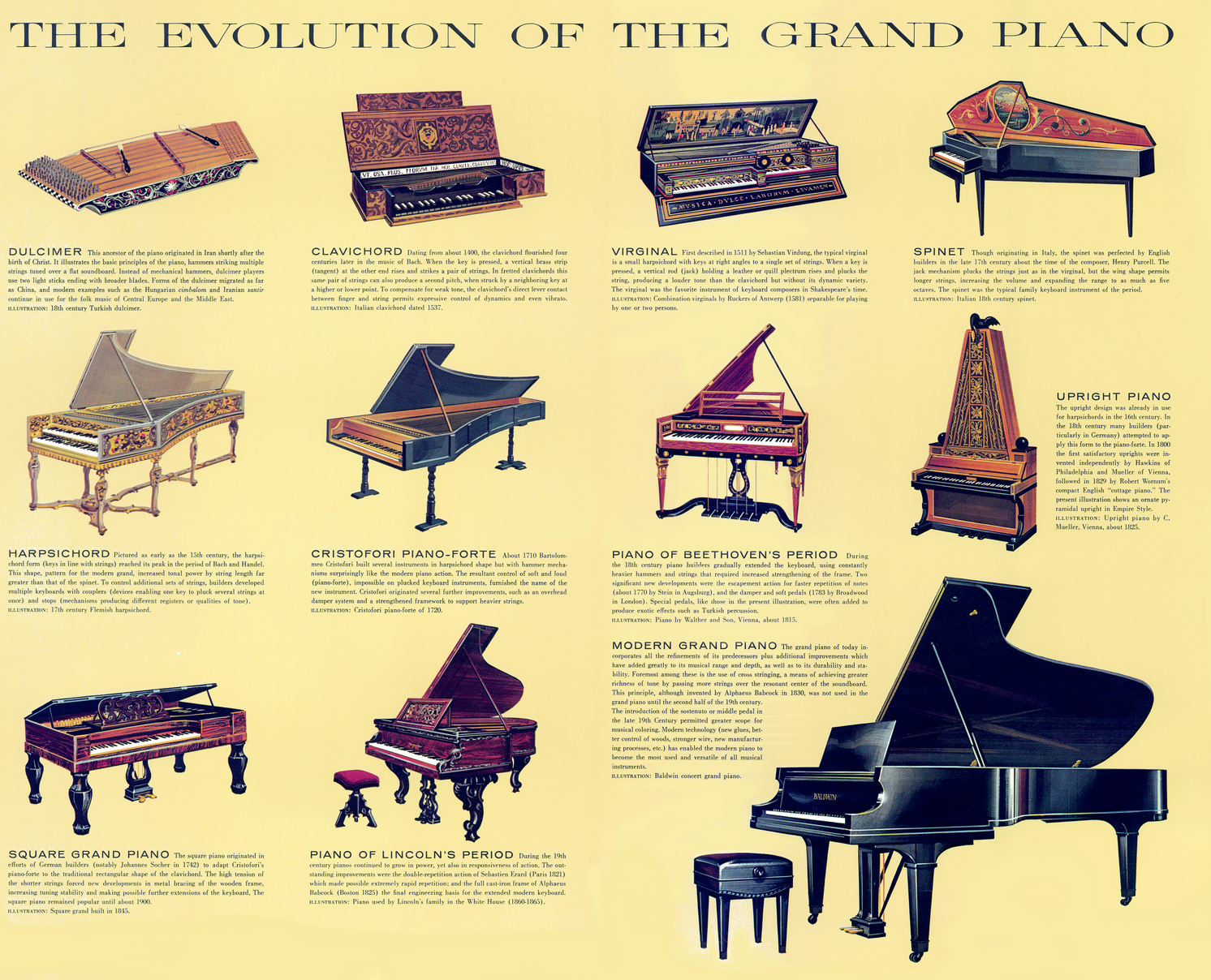
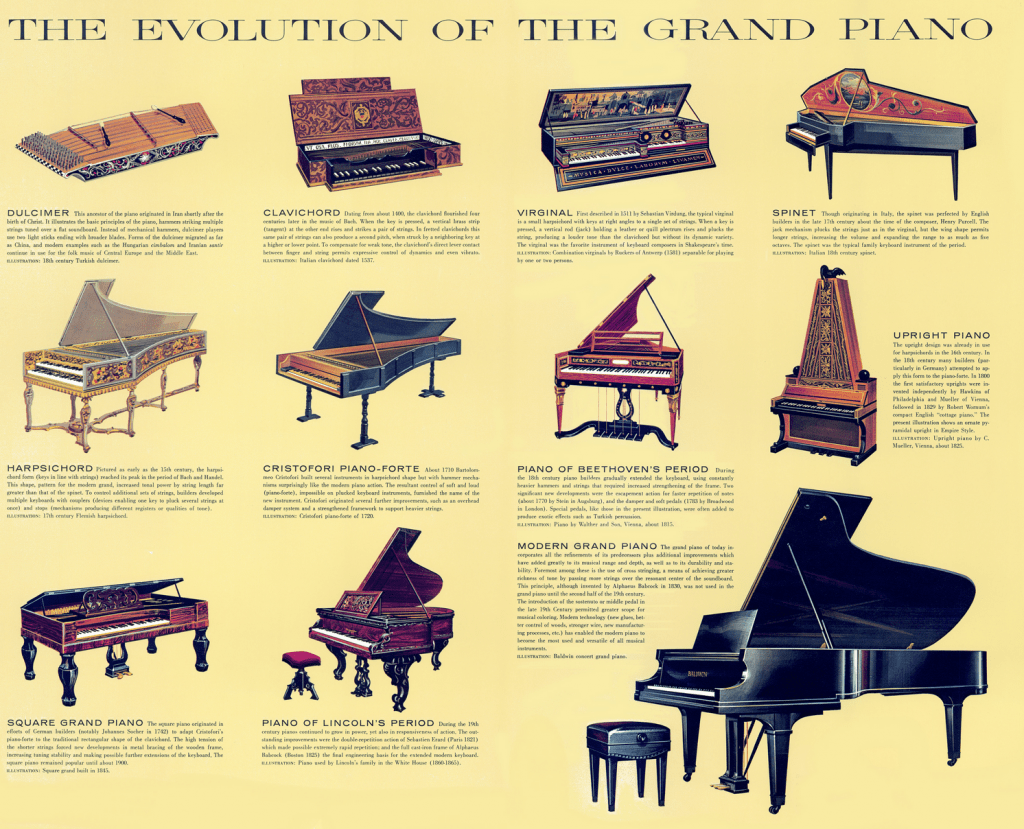
The modern piano grew from the harpsichord and clavichord. In the early 1700s, Bartolomeo Cristofori aimed to build a keyboard that played soft and loud. He added a hammer mechanism. That is why the original name, pianoforte, means soft-loud.
Over time, builders raised string tension. They added iron frames to handle the load. Early pianos had wooden frames and lighter strings. Modern pianos use a cast-iron plate and heavy steel strings. This change made pianos louder and more stable.
That evolution also changed how we compose. Composers started writing with greater dynamics and longer sustain in mind. Knowing the history helps you grasp why a modern piano needs regular tuning and care.

How to tell if a piano is more “string” or “percussion” in practice
In practice, the balance between string and percussion qualities depends on how you play and the instrument itself. A very soft, legato line can sound string-like. A sharp staccato passage can sound percussive. The piano can do both well.
On some pieces, think like a violinist and aim for sustained, singing lines. On others, think like a drummer and bring out the rhythm. Both approaches are valid. The piano’s hybrid nature gives you this choice.
Frequently Asked Questions of what type of instrument is a piano
Is the piano considered a percussion instrument?
Yes. The piano is technically a percussion instrument because hammers strike the internal strings. That physical strike gives the piano a clear attack. This is why it often reads as percussion in classification systems.
Why do some people call the piano a string instrument?
They call it a string instrument because the pitch comes from vibrating strings. Without those strings, the hammer would not make a musical pitch. In organology, the piano is therefore classified as a chordophone.
Can the piano be categorized as a keyboard instrument?
Yes. Keyboard is a functional class. It describes how the player interacts with the instrument. You press keys to control sound. That makes the piano part of the keyboard family along with organs and electronic keyboards.
Does the piano belong to the orchestra?
The piano appears in orchestral works, chamber music, and solo repertoire. It is often a featured solo or auxiliary instrument rather than a permanent section like woodwinds or strings. Composers choose the piano when they need its range, color, or percussive power.
How does the sustain pedal affect the instrument type?
The sustain pedal lifts the dampers. Strings keep vibrating after you release the keys. This creates resonance and sustain similar to bowed string instruments. The pedal adds another expressive layer to the piano’s hybrid voice.
Practical tips for beginners: technique, listening, and practice
Start by listening to both the percussive and singing qualities of the piano. Play simple scales, then play them with varied touch. Try soft legato then sharp staccato. Notice how the same note can sound different with small changes in touch.
Work with a teacher or watch trusted videos. Good guidance speeds up learning. Also, try different pianos. Actions and tone vary. The more pianos you play, the better you learn how to shape sound.
Maintenance and tuning basics every pianist should know
Modern pianos endure thousands of pounds of string tension. That is why they have iron frames and strong bridges. They still need care. Tune your piano at least once or twice a year. Keep it in a stable room (avoid large humidity swings). Regular regulation and voicing keep the action and tone healthy.
When you move or buy a piano, get a professional technician to inspect it. Small fixes today prevent big repairs later. I always advise students to budget for tuning and occasional service when they own a piano.
Conclusion
Understanding what type of instrument a piano is brings you closer to the music. The piano is a sophisticated hybrid. It blends the harmonic depth of strings with the rhythmic impact of percussion. It is also a keyboard instrument by interface.
Whether you are a beginner or an experienced player, this view helps you refine your technique and expand your expressiveness. Embrace the piano’s mix of power and nuance. Keep practicing, keep exploring, and enjoy the journey. If you enjoyed this breakdown, feel free to leave a comment below or explore our other guides on musical theory and piano maintenance to keep your skills sharp.

Senior Music Reviewer
Alex Carter is a seasoned music reviewer with over a decade of experience in the world of sound and instruments. Passionate about helping musicians and enthusiasts make informed choices, he brings sharp insights and in-depth knowledge to every review. From classical instruments to modern gear, Alex combines technical expertise with a love for music to deliver content that resonates with readers.
As a Senior Music Reviewer and expert author on Tuneluma.com, Alex is dedicated to sharing honest evaluations, practical advice, and thoughtful commentary to guide readers in their musical journey.