How To Tune A Snare Drum: Pro Tips For Crisp Sound
Tune the batter and resonant heads evenly, set the snare tension, and listen for a clear, balanced crack.
I’ve tuned snare drums professionally for over a decade, working with rock, jazz, and studio kits. This guide on how to tune a snare drum walks you through every step, from tools to advanced tricks, with clear examples and real-world tips. Read on to learn simple, repeatable methods that get a consistent tone, reduce unwanted overtones, and help your snare sit perfectly in a mix or live set.

Why tuning matters for your snare drum
A snare drum is the voice of the kit. How you tune it changes attack, sustain, tonal color, and sensitivity. Learning how to tune a snare drum helps you get the crack, snap, or fat tone you want without relying on muffling or excessive EQ.
Good tuning improves:
- Projection and clarity for live shows
- Consistent recording tone in the studio
- Playability and response for rimshots, ghost notes, and rolls
When you know how to tune a snare drum, you control its voice instead of fighting it. That makes everything you play sound better.

Tools and parts you'll use
You don’t need fancy gear. Use these basics to tune a snare drum correctly.
- Drum key: For turning tension rods precisely. Essential.
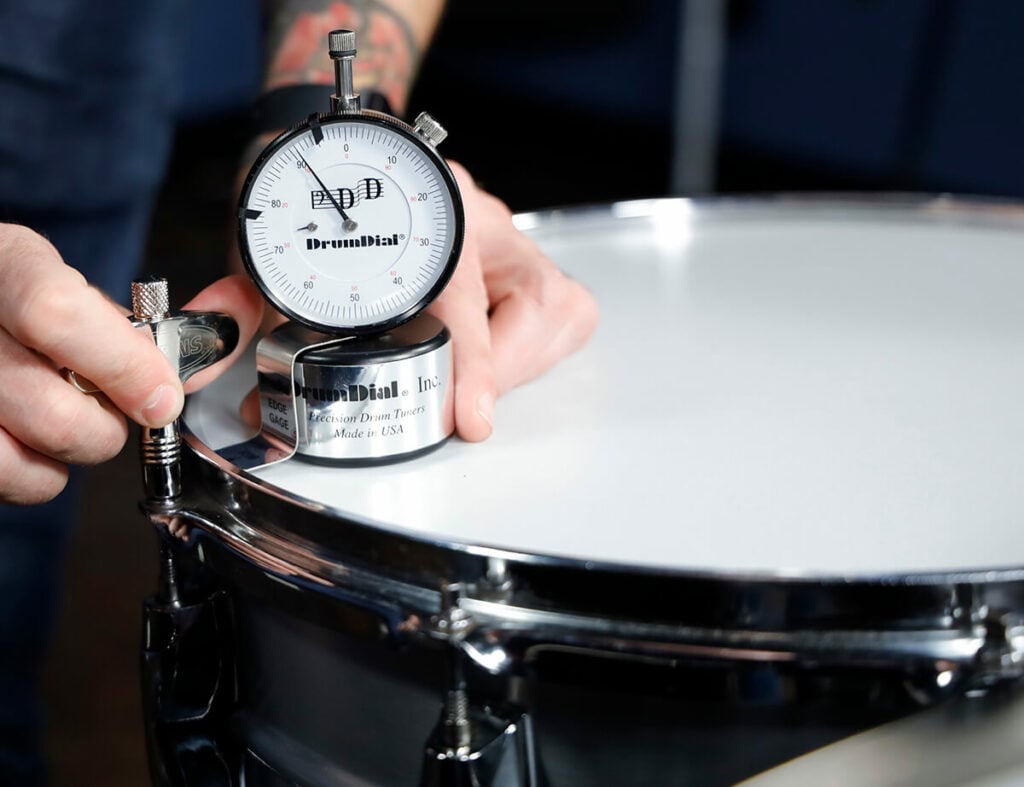
- Tuner or pitch app: Helpful for matching lugs or setting pitch targets.
- Dampening tools: Moon gels, tape, or a piece of felt for fine control.
- Soft cloth: For cleaning heads and rims.
- Replacement heads and snare wires: If the head or wires are worn, replace them.
Knowing how to tune a snare drum starts with the right gear. A reliable drum key and a good ear are the foundation.
Step-by-step: how to tune a snare drum (beginner method)
This simple method gets a balanced sound fast. Follow each step and listen as you go.
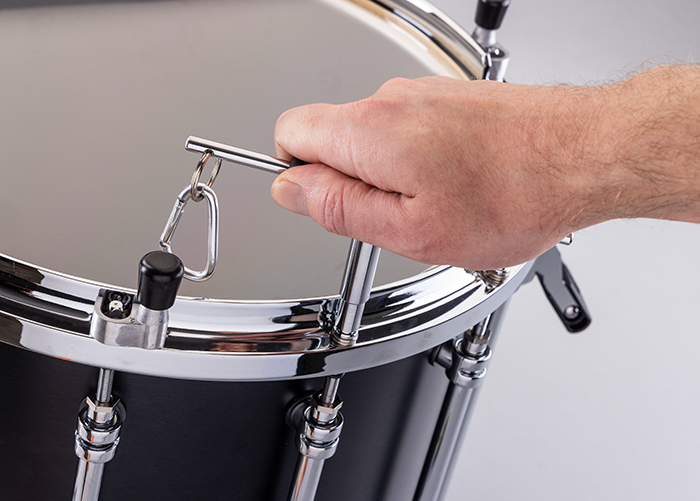
- Prepare the drum
- Remove dirt and loosen tension rods slightly to start from a neutral state. Check the snare wires and the hoop for a clean fit.
- Seat the head
- Finger-tighten each tension rod until they are snug. Press gently in the center of the head to help it seat evenly.
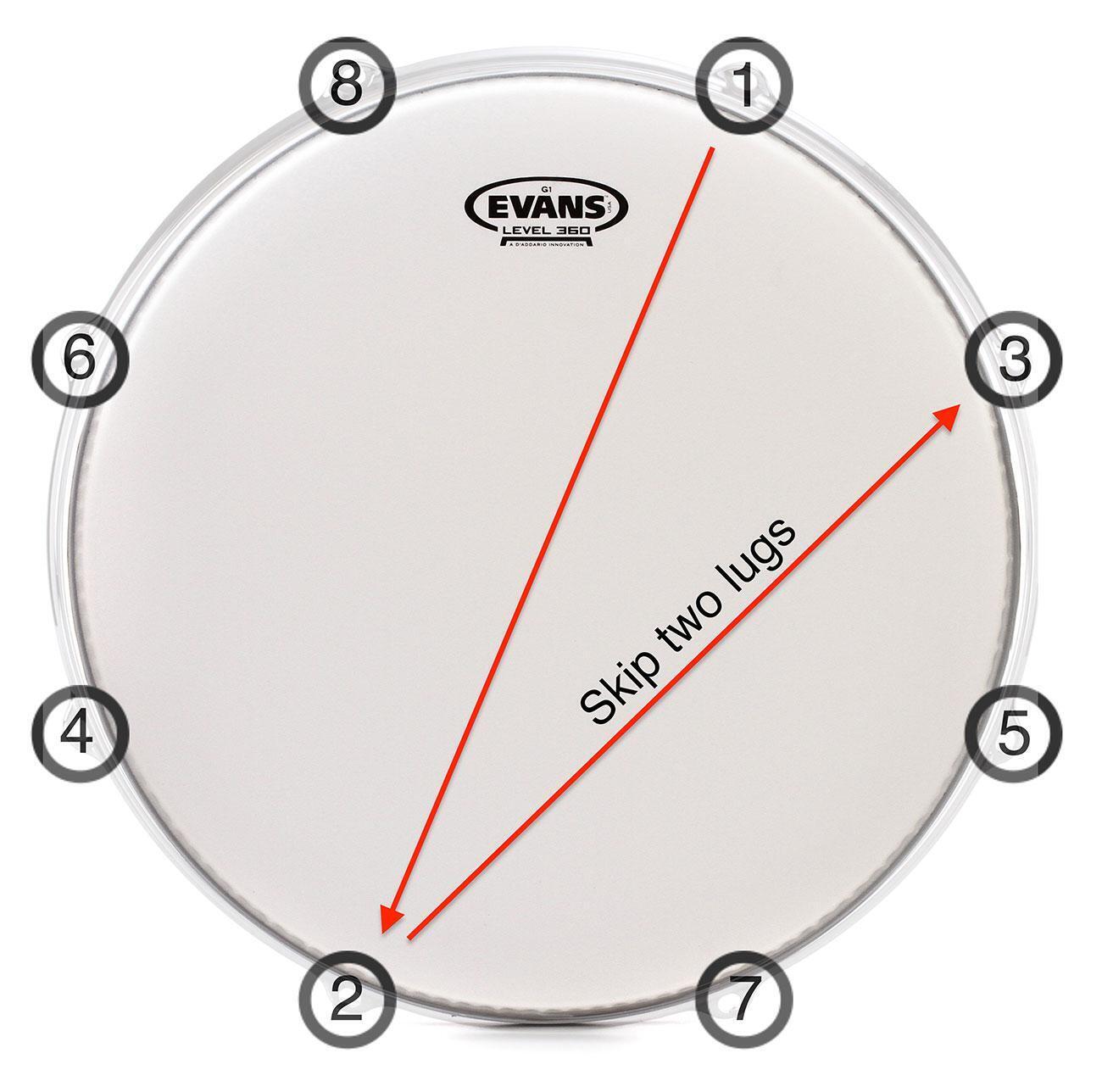
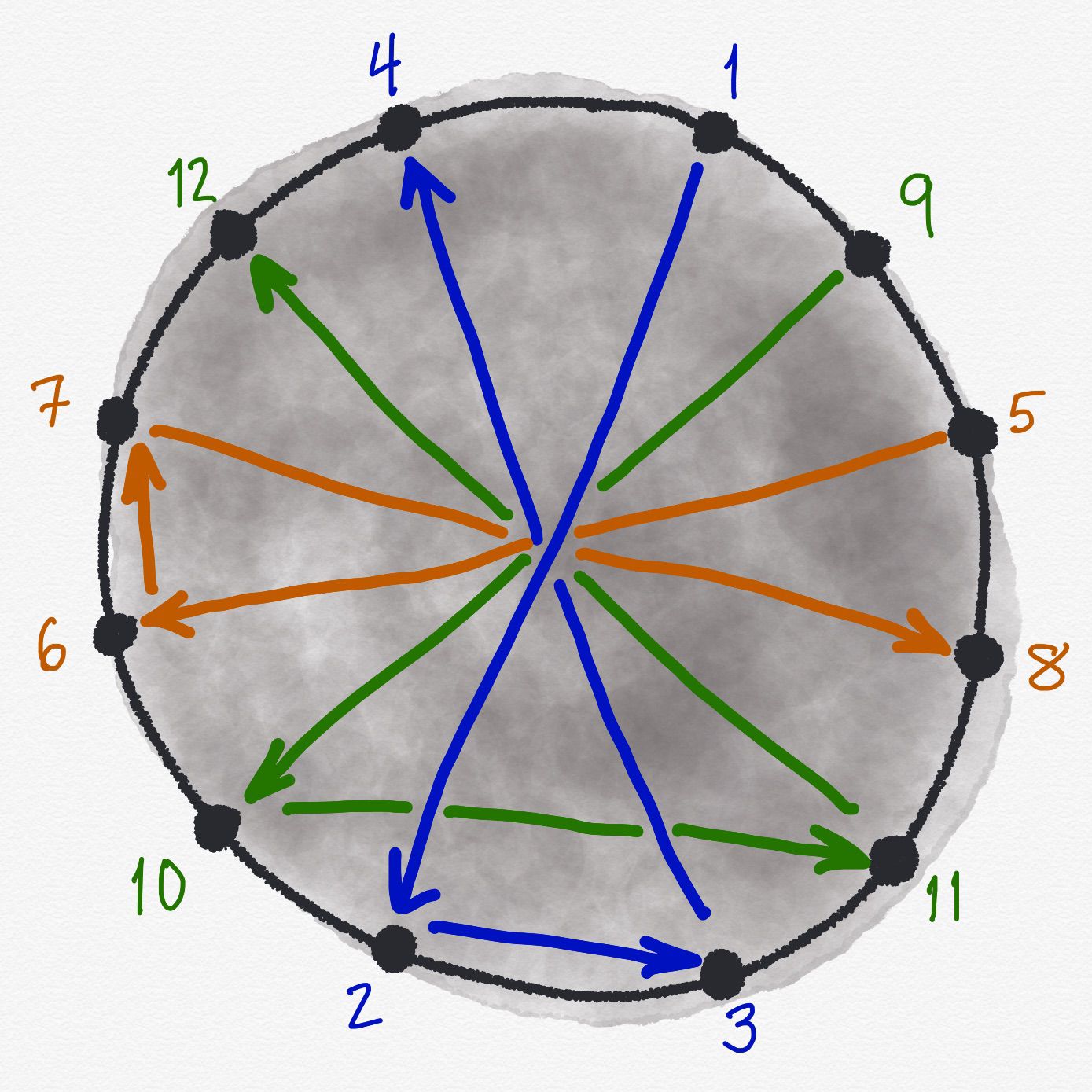
- Bring to even tension
- Use your drum key and tighten in a star pattern (across the hoop) a half-turn at a time. This prevents warping and ensures even tension.
- Tune to pitch
- Strike near each lug and compare pitch. Use a tuner app to match pitches if you want exact tuning. For most snares, aim for a medium-high batter pitch and a slightly lower resonant pitch.
- Adjust snare wires
- Set snare wire tension so the wires respond to light stick taps but don’t choke the drum. Adjust at the throw-off and the butt plate.
- Fine-tune by ear
- Play rimshots, center hits, and ghost notes. Slightly lower or raise lug tension to reduce harsh overtones.
When you practice this method, you’ll get faster and more consistent. It’s a reliable baseline for how to tune a snare drum every time.
Tuning approaches and target tones
How you tune a snare drum depends on the style and the sound you want.
- Bright, snapping crack (pop, punk, pop): Tight batter head, tighter resonant head, and firm snare wire tension.
- Warm, fat backbeat (rock, blues): Medium batter tension, slightly looser resonant head, and medium snare wire tension.
- Dry, focused tone (studio work): Higher batter tension, dampening near center, and careful wire tension to avoid buzz.
- Jazz brush tone (jazz, light playing): Lower batter tension for warmth and sensitivity, lighter snare tension.
Experiment with head combinations and pitches. When you learn how to tune a snare drum to a target tone, you’ll match different musical contexts easily.
Common problems and how to fix them
Problem solving is a big part of learning how to tune a snare drum. Here are common issues and quick fixes.
-
Ringing overtones
-
Solution: Lower a few lugs slightly around the drum and add subtle damping near the edge.
-
Dead sound with no attack
-
Solution: Raise batter head tension and slightly loosen snare wires.
-
Buzzing snares when not wanted
-
Solution: Tighten snare wires a touch and check for loose hardware or uneven heads.
-
Inconsistent pitch around the drum
-
Solution: Re-seat the head and retune in a star pattern, matching lug pitch with a tuner or by ear.
These fixes reflect real scenarios I’ve seen in clubs and studios. Try one change at a time and listen closely.

Advanced techniques and studio tips
Once you know the basics of how to tune a snare drum, try these pro-level tweaks.
-
Cross-lug tuning
-
Use slightly different tensions across the shell to shape tone and control sustain.
-
Head choice and coatings
-
Coated batter heads give warmth; clear heads give attack. Double-ply heads reduce overtones and give a fatter sound.
-
Dual tuning for blend
-
Tune batter high for crack and resonant low for body. That combination gives a balanced mix-friendly tone.
-
Micro-muffling
-
Place a small piece of tape or a gel in the center for minimal sustain control without killing the tone.
In the studio, small moves make big differences. I often tune the snare a half-step or tone to sit well with the kick and vocal in a recording.

Practical tips from my experience
I’ve tuned hundreds of snares live and in the studio. Here are lessons I learned the hard way.
-
Mistake to avoid
-
Don’t overtighten just to eliminate tone issues; you may break heads or lose sensitivity.
-
Quick live fix
-
Carry a spare head and a simple dampening gel. Quick swaps beat endless tweaks.
-
Trust your ears
-
Tuners help, but the song and band context decide the perfect tuning. Always listen with the rest of the kit.
-
Keep a log
-
Note head type, pitch, and snare setting for each notable gig or session. It saves time next time you need that tone.
These tips reflect hands-on experience and will speed up your learning of how to tune a snare drum.

PAA-style questions (brief answers)
What pitch should I tune my snare to?
- There’s no single pitch, but a common starting point is between D4 and A4 on the batter head, depending on style and head type.
How tight should the snare wires be?
- Tight enough to respond clearly to soft hits but not so tight that they choke the drum; aim for sensitivity with minimal buzz.
Do I tune the resonance head higher or lower than the batter?
- Typically tune the resonant head slightly lower than the batter for body, or slightly higher for more snap and sensitivity.
Should I use a tuner app when tuning?
- A tuner helps create even tension and repeatable results, but always make final adjustments by ear.
How often should I change snare heads?
- For frequent gigging or recording, change batter heads every few months and resonant heads less often; replace sooner if they show wear.
Frequently Asked Questions of how to tune a snare drum
How tight should the batter head be when learning how to tune a snare drum?
Start with finger-tight, then add equal half-turns in a star pattern until you reach a medium tension. Aim for a responsive feel that produces a clear attack without harsh overtones.
Can I tune a snare drum without a drum key?
You need a drum key for precise adjustments. Finger-tightening can start the process, but a drum key ensures even, repeatable tension across the head.
How do I stop unwanted overtones on my snare?
Lower a few lugs slightly, add minimal damping near the center, or switch to a double-ply head. Small changes work better than heavy-handed muffling.
Should the resonant head be tighter than the batter head?
Not usually; most players tune the resonant slightly lower or about the same as the batter, depending on desired sustain and sensitivity. Experiment to find what blends best with your kit.
How to tune snare wires to avoid choking the drum?
Adjust the throw-off so the wires touch evenly and respond to light taps. Tighten only until you hear clear articulation, then back off slightly to preserve tone.