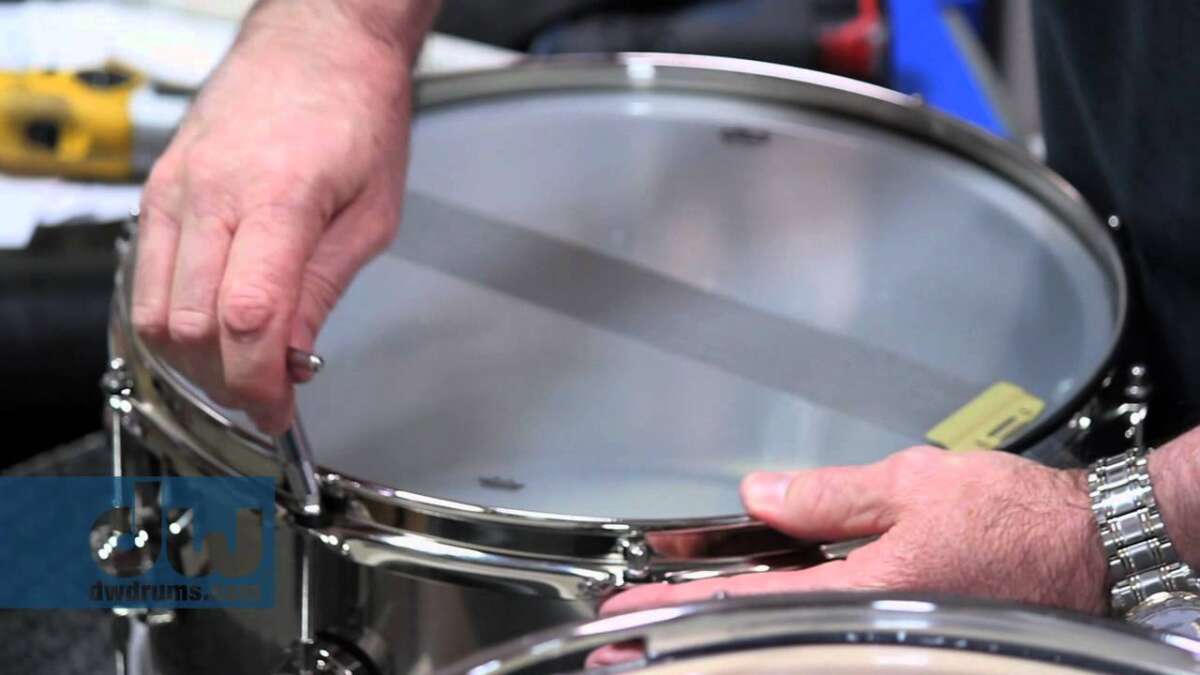
How To Tune A Drum Set: Step-By-Step Guide For Better Sound
Tune drums by ear: seat heads, even lug tension, and tune batter and resonant heads to match.
I’ve tuned drums on small club kits and stadium rigs for over a decade. I’ll show you clear steps, simple tools, and the listening tricks I use to tune a drum set fast and musical. This guide covers everything from basics to pro tips so you can learn how to tune a drum set with confidence and sound great in any room.

Tools and materials you need to tune a drum set
A few simple tools make how to tune a drum set faster and more consistent.
- Drum key — the only essential tool for tensioning lugs.
- Tuner or pitch reference — use a chromatic tuner, phone app, or piano for context.
- Soft mallet or drumstick — for tapping and listening.
- Dampening materials — tape, gels, or cloth for controlling overtones.
- Rag and head cleaner — keep heads and rims clean for accurate seating.
- Optional: tension gauge or torque wrench for precise setups.
I keep a small kit with these items on every gig. A single drum key and your ears are enough to start tuning a drum set well.

Basic concepts you must know before you tune
Understanding simple terms will speed up how to tune a drum set.
- Batter head — the top head you strike.
- Resonant head — the bottom head that affects sustain and tone.
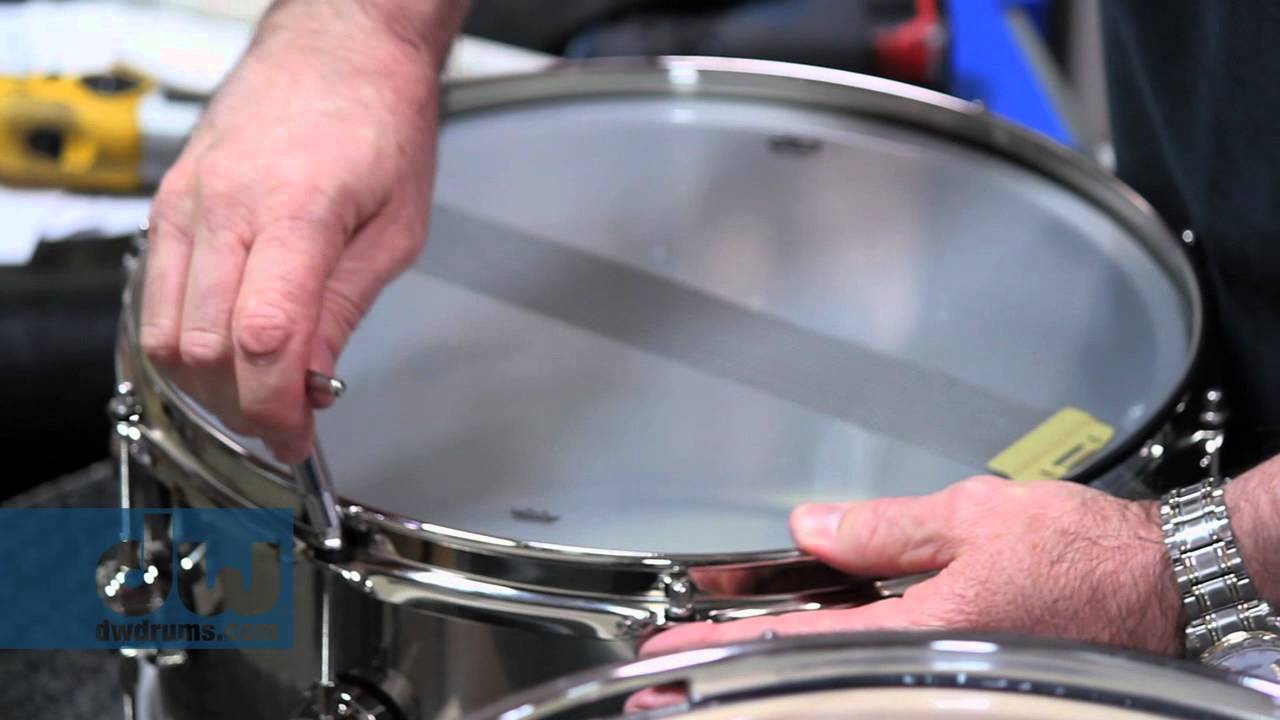
- Lug — the screw you tighten with a drum key.
- Seating — how evenly the head sits on the hoop; poor seating creates dead spots.
- Pitch — how high or low the drum sounds.
- Overtones — extra ringing tones that can be musical or messy.
Think of a drum like a vocal note. The batter head sings the note. The resonant head colors the note and controls sustain. Tune both to get a clear, musical tone.

Step-by-step: how to tune a drum set (general method)
Follow these repeatable steps when you tune a drum set.
- Loosen and seat the head
- Loosen all lugs until the head is slack.
- Press the head gently near the edge to seat it on the hoop.
- Finger-tighten each lug to the same light tension.
- Bring lugs to approximate tension
- Turn each lug a half-turn in a star pattern.
- Use the star pattern to keep tension even.
- Tune to a consistent note at each lug
- Tap near each lug with a stick.
- Adjust the lug until each tap matches the same pitch.
- Check the center pitch
- Tap the center to hear the fundamental.
- Fine-tune lugs to raise or lower the center pitch.
- Tune the resonant head
- Repeat lug matching on the bottom head.
- Match or offset the bottom pitch to taste.
- Add or remove dampening
- Place gels or tape for control.
- Re-check after dampening and adjust if needed.
I use this method every time I tune a drum set. It keeps drums sounding even and balanced. Small, equal turns at each lug beat rushing one lug at a time.

How to tune a drum set: snare, toms, and kick specifics
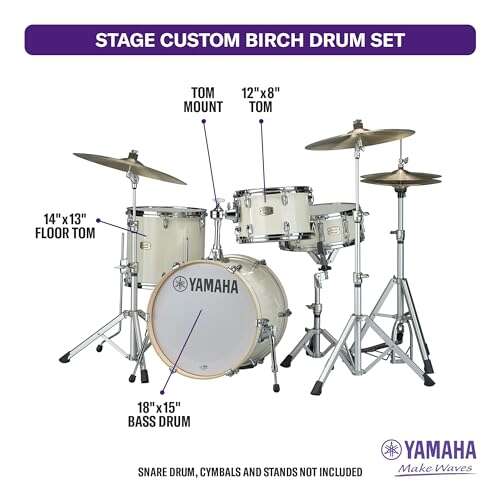
Different drums need different approaches when you tune a drum set.
Snare drum
- Aim for a crisp, focused crack.
- Batter head medium-high tension; resonant head tight for snare bite.
- Adjust snare wires for snap without rattle.
- Add a small muffling if the snare rings too long.
I once overtightened a snare to chase volume and lost snap. Backing off a quarter-turn restored life to the drum.
Rack toms and floor tom
- Rack toms sit higher in pitch than floor toms.
- Tune lugs to match around the drum first, then set center pitch.
- For melodic fills, tune toms in small intervals (minor thirds or perfect fourths).
- Use light damping for sustained genres. Use less damping for jazz.
When recording, I tune toms to match the song key. It helps the tom fills sit in the mix.
Bass (kick) drum
- Bass drum relies on head choice and beater feel.
- Tight batter and loose resonant give punch.
- For more boom, tighten both heads and add a pillow for low end control.
- Use a small hole in the resonant head for miking and focus.
Tuning the bass drum is often about feel. Press the head at various tensions and play to find the sweet spot for your style.

Tuning for musical contexts and genres
Match your tuning to the music when you tune a drum set.
- Rock and pop
- Higher batter tension for attack.
- Controlled sustain with damping for tight kick.
- Jazz
- Lower tension for warm, round tones.
- Less damping; let cymbals and drums breathe.
- Funk and R&B
- Snappy snares with crisp top end.
- Tuned toms with clean mids for tight fills.
- Studio work
- Tune to the song’s key or the producer’s reference pitch.
- Tune with the mic and room in mind.
I often test tunings with a looped click or a reference track. That way I tune the kit to sit well in the mix, not just in the room.
Common problems, fixes, and troubleshooting when you tune a drum set
If a drum sounds bad, these quick fixes help when you tune a drum set.
- Dead spot or flat patch
- Loosen and re-seat the head. Tune slowly and evenly.
- Unwanted ring or pitch clash
- Add damping at the edge or use a gel for overtones.
- Drum jumps pitch after a song
- Heads need to settle; retune between sets or mark lug positions.
- Snare sympathetic buzz
- Adjust snare wire tension and check for loose hardware.
I once chased a phantom buzz for hours. It turned out to be a loose floor tom clamp. Check hardware first; it saves time and frustration.

Quick questions about how to tune a drum set (PAA-style)
How tight should drum heads be?
Tune heads until the center pitch matches your target note and lugs match each other. Start medium and adjust for genre and room.
Should the top and bottom head be the same pitch?
They can be the same or offset. Matching gives sustain and clarity. Offsetting can tune for attack or ring control.
How often should I retune a drum set?
Retune before performances and after transport. Heads may settle over a few songs or change with humidity.

Frequently Asked Questions of how to tune a drum set
What is the easiest way to learn how to tune a drum set?
Start with the lug-matching method: tune each lug to the same pitch and then check the center. Practice on one drum until you hear consistent tones.
Can I tune a drum set without a tuner?
Yes. Use your ear and a reference instrument. Tap each lug and match pitches by ear. A tuner helps speed the process.
How do I make my drums sound better in a small room?
Lower sustain with damping and reduce resonance. Tighten the batter slightly and use gels or tape to control overtones.
How tight should snare wires be when tuning?
Tight enough to grab the batter’s vibration but not so tight that they choke the drum. Adjust while playing to find balance between snap and rattle.
Will new drum heads make tuning easier?
New heads are more predictable and hold tune better. They do take a short break-in time, so tune them a few times as they settle.
Conclusion
Tuning a drum set is a mix of method and listening. Start with even lug tension, tune batter and resonant heads with the star pattern, and adjust for style and room. Practice these steps and you’ll tune faster and more reliably. Try tuning one drum at a time, record short tests, and keep notes on settings that work for you. Share your results, ask questions, or subscribe for more tips — and get out and play with a well-tuned kit.

Senior Music Reviewer
Alex Carter is a seasoned music reviewer with over a decade of experience in the world of sound and instruments. Passionate about helping musicians and enthusiasts make informed choices, he brings sharp insights and in-depth knowledge to every review. From classical instruments to modern gear, Alex combines technical expertise with a love for music to deliver content that resonates with readers.
As a Senior Music Reviewer and expert author on Tuneluma.com, Alex is dedicated to sharing honest evaluations, practical advice, and thoughtful commentary to guide readers in their musical journey.